REVIEW · MADRID
12-Day Morocco and South of Spain Tour from Madrid
Book on Viator →Operated by Julia Travel S.L · Bookable on Viator
A coach tour that crosses countries can feel like a whistle-stop race. Still, this one has a strong beat: Andalusia’s Moorish landmarks first, then Morocco’s Imperial cities and mosques, and finally Alhambra + Toledo on the way home. I especially like how the trip pairs major sights (like the Cordoba Mezquita and the Alhambra) with real walking time in historic neighborhoods, and I like that you get planned guided visits in both Spain and Morocco rather than just bus drops. One thing to keep in mind: you’ll spend a lot of time traveling, with long road stretches plus border and ferry procedures that can eat up a full day.
I also like the “small group energy” for a 12-day route, capped at 50 people, and the fact there’s typically a bilingual escort (English and Spanish). In the Spanish portion, guides such as Ishmael and Ellie are specifically mentioned in past experiences; in Morocco, you may run into different local escort styles (one name that shows up is Larami). The possible downside is that Morocco service quality and comfort can vary by hotel and routing day, so you’ll want to pack with flexibility.
In This Review
- Key Things I’d Circle Before You Book
- Coach Days and Border Checks: The Real Rhythm
- Cordoba Mezquita and Seville Cathedral: Moorish-to-Christian Contrast
- Ronda and the Costa del Sol Overnight: Views, Then Recovery
- Ferry to Africa and Fez Medina: Morocco Starts Fast
- Rabat, Marrakech, and the Medina Mood
- Casablanca and Tangier: Mosques, Corniche Views, and a Quick Switch
- Granada Alhambra and Generalife: Ticketed Time Worth Planning
- Toledo’s Old Town: Three Cultures on One Map
- Hotels, Meals, and What You Should Actually Expect
- Language, Group Size, and the Translation Reality
- Price and Value: What You’re Really Paying For
- Should You Book This Madrid–Andalusia–Morocco Tour?
- FAQ
- What is the tour duration?
- Where does the tour start and what time?
- How many people are in the group?
- What languages are the escort and guides offered in?
- What’s included in the price?
- What is not included?
- Do I need a passport, and what information is required?
- Are visas included?
- Can I get a refund if I cancel?
Key Things I’d Circle Before You Book
- Cordoba Mezquita + Seville Cathedral are included, so you avoid extra ticket headaches later.
- Ferry crossing of the Strait of Gibraltar turns the Spain-to-Morocco change from paperwork into a real moment.
- Fez’s medina walk (with gates and old-city lanes on the program) is a top reason this tour works.
- Hassan II Mosque in Casablanca is on the itinerary, with a proper panoramic approach to the city.
- Alhambra and Generalife in Granada are timed as a featured stop, not an afterthought.
- Hotel quality varies by country, so plan for the chance of a less-than-perfect room in Morocco.
Coach Days and Border Checks: The Real Rhythm
This tour is built around one main transportation method: an air-conditioned motor coach that shuttles you between cities, plus a ferry for the Gibraltar crossing. That means you’ll be traveling often—and yes, there are days where the route is long enough that you’ll feel it in your feet and your attention span. On the upside, you don’t have to think about trains, transfers, or navigation. You just show up, listen, and get moved along.
The other reality is paperwork. You’ll pass through customs control with luggage, and you need passport details provided at booking time (and early, at least 30 days before departure is required for Morocco passage). On the day of travel, you’ll need a current valid passport. Visa rules are your responsibility, so check before you go.
If you’re the type who hates delays, this isn’t the tour for you. If you can handle a slow gear once in a while, the payoff is you get two countries’ worth of landmarks and neighborhoods without planning every step.
You can also read our reviews of more tours and experiences in Madrid.

Cordoba Mezquita and Seville Cathedral: Moorish-to-Christian Contrast
The Spain portion kicks off with a drive through La Mancha (Don Quixote country), then toward Andalusia. You’ll stop briefly near Puerto Lápice, and you’ll cut across the Despeñaperros area—one of those natural border zones that makes the southward shift feel real.
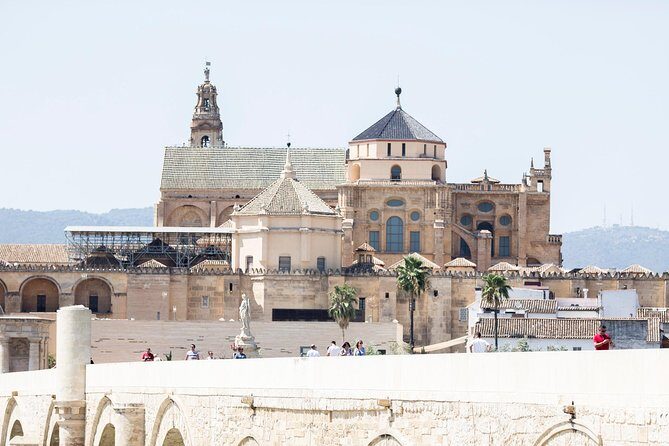
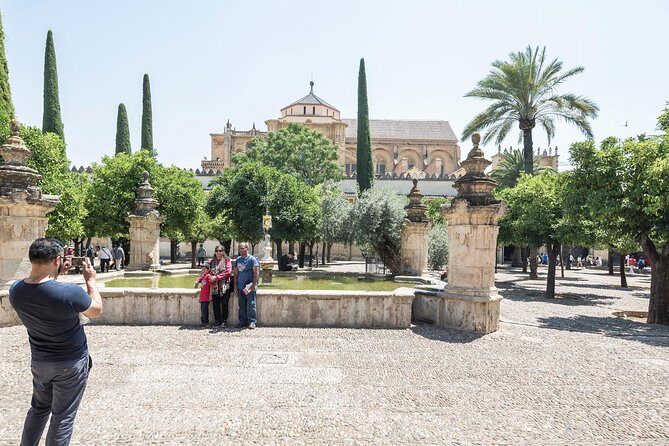
In Cordoba, the star is the Mezquita-Catedral de Córdoba. You get an escorted tour that helps you understand what you’re seeing, then you’ll have time to wander nearby streets, including the Jewish Quarter area. The value here is that the Mezquita is not just “big and old.” It’s a layered building with an internal logic. A guided visit can help you read the place quickly instead of staring at arches and hoping it clicks later.
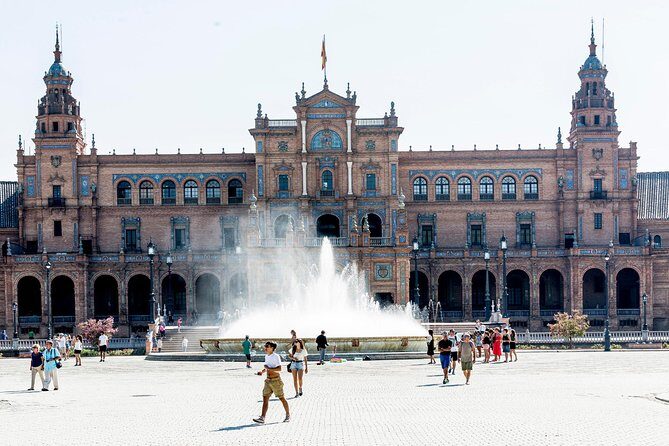
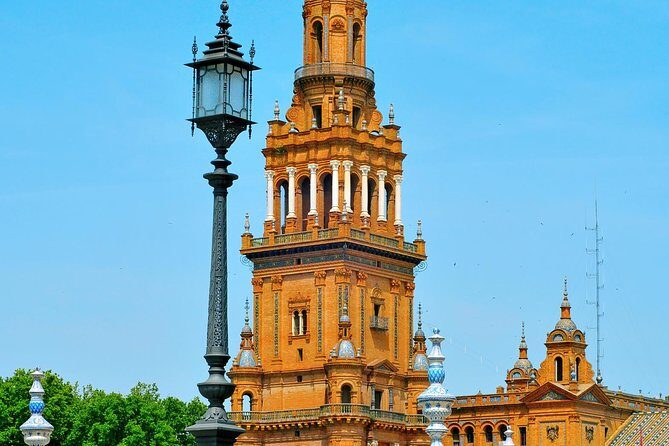
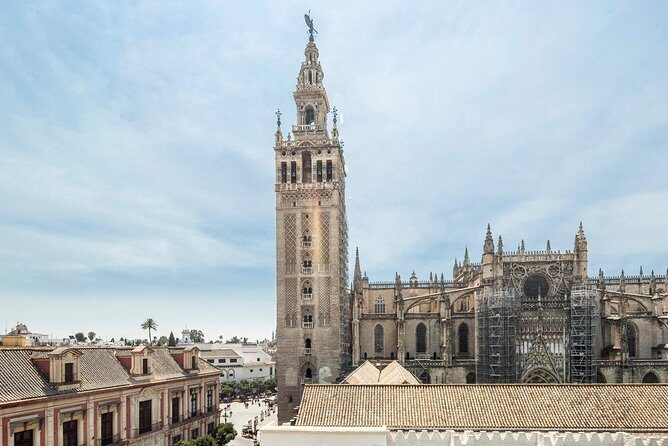
Then you roll into Seville for the cathedral and the city’s iconic public spaces. The program includes the Seville Cathedral (with a panoramic tour) plus time around areas tied to the city’s legends and viewpoints—Santa Cruz, María Luisa Park, and Plaza de España are on the schedule. The best part is how these stops connect: you’re not jumping randomly. You’re building a mental map of Seville as you go.
Possible consideration: in a tight multi-day route, you might feel like you’re always “going somewhere next.” Build in a slow moment whenever you can—like sitting down in a park long enough to actually watch life.
Ronda and the Costa del Sol Overnight: Views, Then Recovery
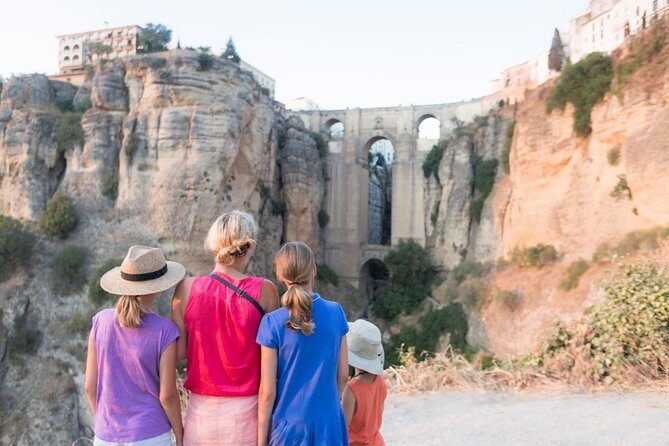
After Cordoba and Seville, the itinerary slows just enough to let you reset. You’ll reach Ronda and get time to admire the town and the views over the valley and mountain range. Ronda has that cliff-edge drama that makes a quick stop feel worthwhile. Even if you’re not a big “view person,” it’s one of those places where the geography does half the explaining for you.
Then you continue to the Costa del Sol and spend the night there. That overnight matters more than it sounds. You’ll have worked through some intense historic days already, and this gives you a base where you can recover, shower, and eat without racing the clock.
That said, one review note that stands out is that the hotel and buffet on the Costa del Sol segment were disappointing for some people—so don’t expect every meal to be a five-star food festival. You’ll still get included breakfasts, and you’ll have structured lunches, but if you’re picky about your room setup or food presentation, keep expectations realistic.
Ferry to Africa and Fez Medina: Morocco Starts Fast
Crossing from Spain to Morocco happens by ferry, with a drive to Algeciras or Tarifa first. This is where the trip changes personality. The border crossing and customs steps can slow you down, but the ferry crossing is also a literal change of world. You’re trading Spanish stone and river plazas for North African ports, logistics, and then—soon enough—old-city lanes.
When you arrive in Fez, you’ll clear customs, then continue toward Fez via Larache. Fez is the “old city” experience that tends to hit first: gates, quarters, and dense streets. The guided city tour includes major references like the Royal Palace gates, the Mellah (Jewish Quarter), and the Bab Bou Jelous gate, plus a walking tour through the medina, which is a World Heritage Site. The afternoon is free, which is a smart design choice here. You’ll likely need unplanned time to absorb the sensory overload.
Morning value tip: if you can, keep your hands free and your bags closed. The medina walk is on foot, and the narrow lanes are not a place to be digging for your camera every 30 seconds.
One practical note from experience reports: audio systems on buses don’t always work perfectly. If you rely heavily on tour narration, keep your expectations flexible and consider bringing a translation app so you can still follow along even if volume drops.
Rabat, Marrakech, and the Medina Mood
From Fez, you go to Rabat, Morocco’s administrative and diplomatic capital. The program includes key exteriors: the Royal Palace (outside), the Mausoleum of Mohamed V, and the Hassan Tower. Rabat can feel calmer than Fez, and that’s useful in the overall arc. It’s like an adjustment period before Marrakech shifts the volume back up.
Next is Marrakech, where the itinerary includes Menara Gardens and Pavilion and an exterior look at the Koutoubia Mosque. Then you head into the medina and souks for the atmosphere. The highlight here is Jema el-Fna Square, where you’ll encounter performers and street-life energy. Even if you’re not a shopper, you’ll feel how Marrakech markets work—social, loud, and human-scale up close.
You also get a day with more time to roam. That matters because Marrakech is one of those cities where if you only follow a strict script, you miss the best moments—like finding a quiet corner to eat, or walking an alley just to see how it twists.
Language/guide style can affect enjoyment in Morocco. Some people reported strong bilingual guidance in spots, while others described less engaging escort behavior. I’d handle this by going in ready to listen more than you speak, and by setting aside your expectations for how often questions will be welcomed.



Casablanca and Tangier: Mosques, Corniche Views, and a Quick Switch
Casablanca is your big urban stop, and it’s handled with a panoramic approach. You’ll get orientation around the Great Mosque of Hassan II, the Corniche boulevard, United Nations Square, and neighborhoods such as Habous and Anfa. Even if you don’t count yourself as a mosque “must-see” person, Hassan II Mosque is on the itinerary for a reason: it’s visually commanding and it changes how you see the city.
After Casablanca, you head toward Tangier. The route includes transfer to the port and then the ferry back toward Spain. You’ll also have time in Tangier for the Casbah area. This part of the trip can feel like a rapid swap—morning Morocco city touring, then a return to Spain.
Practical expectation to set: the travel time can feel long. Some past reviews criticized how many hours were spent on the road and ferry logistics, so plan meals/snacks if you’re the sort of person who gets hungry fast. On this tour, lunch is included, and dinners are included for set nights, but food between those moments isn’t always covered.
Granada Alhambra and Generalife: Ticketed Time Worth Planning
Then comes the final “big ticket” in Granada. You travel from the Costa del Sol area to Granada and visit the Alhambra complex plus the Generalife Gardens. This is one of those rare sights where the guidance and timing matter. The Alhambra isn’t just a pretty palace. It’s a carefully designed space—water, gardens, courtyards, and views all working together.
The itinerary also leaves you with afternoon free time after the visit, which is helpful because Granada can be tiring in the best way. You’ll likely want time to wander nearby streets and grab a slower meal.
There’s also an optional flamenco show linked to Sacromonte Square. If you enjoy performances tied to place (rather than just generic stage shows), this is a good chance to add something memorable without needing extra planning. If you’re not a show person, use the time for more walking and less schedule pressure.
Toledo’s Old Town: Three Cultures on One Map
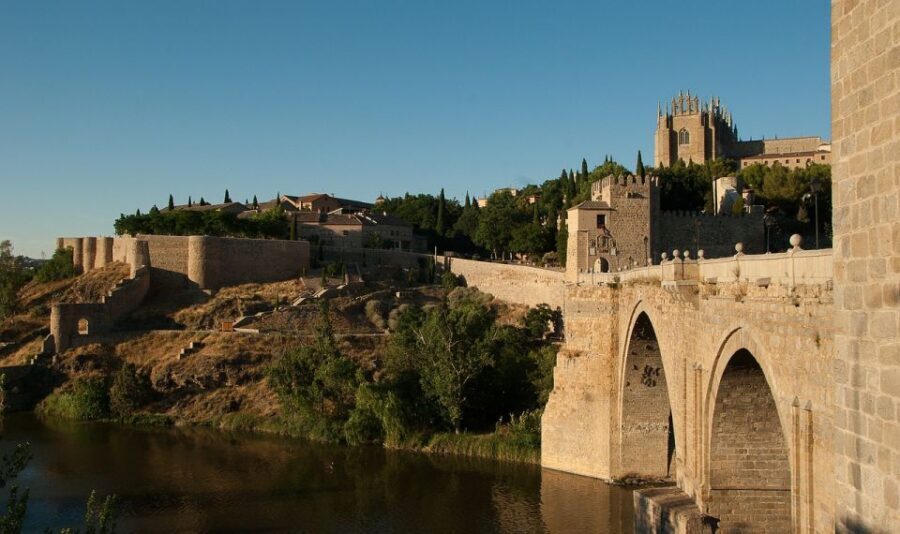
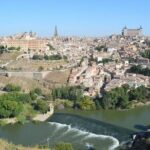
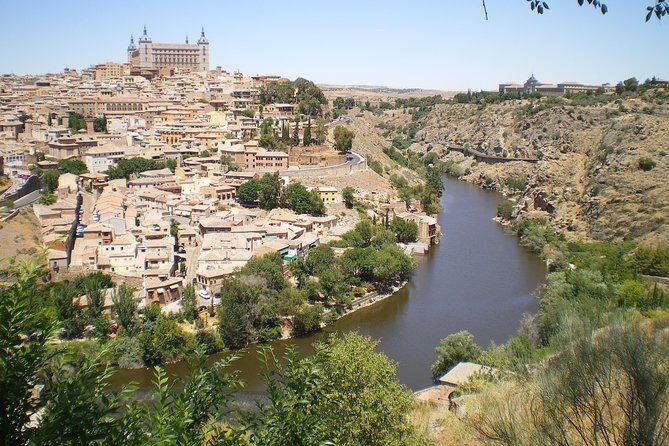
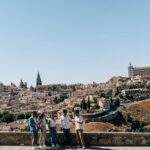
For your final historic day, you go to Toledo, another World Heritage-style stop that’s designed for walking. The guided tour focuses on the old town’s narrow streets and the way Christians, Muslims, and Jews lived together there—so you get a different kind of “history theme” than you do in Andalusia’s larger sites.
Toledo is easy to enjoy if you approach it like a museum you can walk through. You don’t need to check off every plaque; you just need to keep your eyes open for the way streets bend and how buildings reflect different eras.
After that, you return to Madrid and end back at the start meeting point near Aloft Madrid Gran Vía, on C. de Jacometrezo 4.
Hotels, Meals, and What You Should Actually Expect
Accommodation is described as 3 or 4-star hotels, with centrally located stays. That’s a good baseline, but Morocco lodging can vary more from place to place. Some people praised the hotels and services in Morocco, while others reported older rooms, weak air conditioning, and buffet disappointments. May in particular can feel warm, so if you’re sensitive to heat, treat this as a real variable.
Meal coverage is better than many cross-border tours. You’ll have breakfast daily for 11 mornings and dinner for 5 nights, plus lunch included. The tour doesn’t include food and drinks beyond what’s specified, so budget for additional snacks if you want them. On long travel days, having a small plan (water, a quick bite, a backup snack) can save your mood.
Also, you should know there’s moderate walking involved. That can mean you’ll be on your feet for sightseeing stretches even when the coach does most of the moving.
Language, Group Size, and the Translation Reality
This tour includes a bilingual escort during the tour (English and Spanish). Past experiences mention that guide interpretation can vary by segment, and sometimes English coverage is less consistent than you’d hope, especially when groups split or local guides step in.
My practical advice: if you speak only English, don’t assume every detail will be perfectly translated in every moment. Download offline maps and translation tools ahead of time. Also, if you can, keep your questions short and factual. That tends to work better in mixed-language settings.
Group size is capped at 50, which is big enough to feel like a tour, but small enough that you can still find your people if the guides create any free-time structure.
Price and Value: What You’re Really Paying For
At $2,425.18 per person, this isn’t a budget “cheap flight and hope” itinerary. You are paying for a lot of moving parts: a full coach circuit out of Madrid and back, ferry logistics, included guided visits across Cordoba, Seville, Fez, Meknes, Marrakech, Casablanca, Tangier, Granada, and Toledo, plus key entrance tickets to the Cordoba Mosque (Mezquita-Catedral), Seville Cathedral, and the Alhambra.
You also get a meaningful chunk of meals covered—breakfasts, select dinners, and lunch—plus travel insurance and guided touring with escort support. If you tried to DIY two countries and coordinate major ticketed sights without losing time, you’d likely spend almost as much once you add transportation and guides.
Where the value can shift is on the hotel/meal quality in Morocco and how much time you’re willing to spend on buses. If you’re okay with that trade-off, it’s often good value for a first-timer route that still hits the must-see targets.
Should You Book This Madrid–Andalusia–Morocco Tour?
I’d book it if you want one trip that strings together Andalusia’s top Islamic-era sites (Cordoba and Granada) with Morocco’s medina and mosque icons (Fez, Marrakech, Casablanca, Tangier), without having to plan every connection yourself. It’s also a solid choice if you enjoy guided structure but still want some free time to roam.
I’d think twice if you hate long travel days, are extremely sensitive to room conditions (air conditioning and comfort), or need consistently clear English interpretation at every step. In those cases, you might end up frustrated more by logistics and variability than by the destinations.
If you do book: pack light within the limit (one suitcase up to 29 lbs / 13 kg plus carry-on), bring your passport details early, and keep your expectations flexible in Morocco. You’ll still come away with the kind of story that sounds bigger than it feels while you’re on the bus.
FAQ
What is the tour duration?
It runs for about 12 days.
Where does the tour start and what time?
The start is at Aloft Madrid Gran Via (C. de Jacometrezo, 4, Centro, 28013 Madrid, Spain) at 8:00 am. The tour ends back at the same meeting point.
How many people are in the group?
The maximum group size is 50 travelers.
What languages are the escort and guides offered in?
The tour includes a bilingual tour escort during the tour in English and Spanish.
What’s included in the price?
Included are lunch, guided visits in many cities (Cordoba, Seville, Granada, Toledo, Fez, Meknes, Marrakech, Casablanca, Tangier), entrance tickets to the Cordoba Mosque, Seville Cathedral, and Alhambra, selected-class accommodations, travel insurance, air-conditioned coach transportation, 11 breakfasts, and 5 dinners.
What is not included?
Food and beverages are not included unless specified. Hotel pickup and drop-off are also not included.
Do I need a passport, and what information is required?
You need a current valid passport on the day of travel. Your passport name, number, expiry, and country are required at booking. You also need passport data at least 30 days before departure to manage Morocco passage.
Are visas included?
Visa requirements are not included. You must confirm and obtain any visa requirements prior to border crossing, and it is your responsibility.
Can I get a refund if I cancel?
You can cancel up to 6 days in advance for a full refund. A 50% refund is available if you cancel 2–6 full days before the experience start time. If you cancel less than 2 days before, the amount paid is not refunded.