REVIEW · MADRID
Avila & Segovia Tour with Tickets to Monuments from Madrid
Book on Viator →Operated by Fun and Tickets · Bookable on Viator
Ávila and Segovia turn a long day into a clear story. You’ll ride out of Madrid with a guided, ticketed route, hear the history explained through headsets, and arrive in two cities that still look and feel medieval.
What I like most is how much is handled for you: a comfortable, A/C bus with Wi‑Fi, plus admissions and skip-the-line entry for major stops. I also love the built-in pacing tools—your radio guide and gift headphones help you keep up without having to stay glued to the guide’s shoulder.
One thing to factor in: this is a walking-heavy day with cobblestones and uneven streets, so it’s not recommended for reduced mobility. Even with headsets, you’ll want to be prepared for hills and distances.
In This Review
- Key Highlights You’ll Care About
- A Strong One-Day Route From Madrid: Why This Pair Works
- Price and What You Actually Get for It
- Timing, Meeting Point, and How the Day Moves
- Sierra de Guadarrama to Ávila Walls: The Day’s Big Setup
- Basilica de San Vicente: Romanesque First Impressions in Ávila
- Convento de Santa Teresa: Teresa’s Birthplace Story Matters
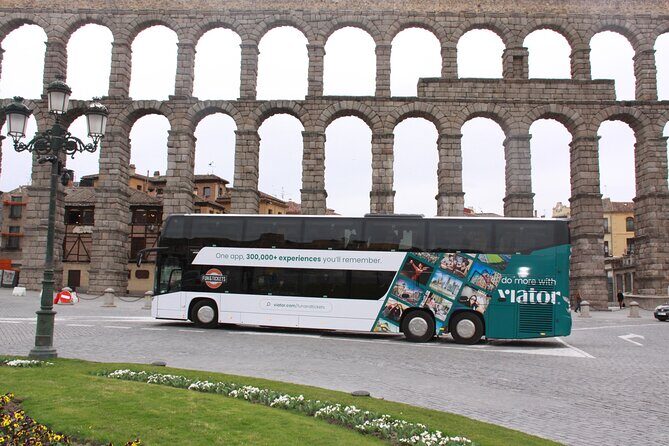
- Segovia Aqueduct: The Roman Showstopper You’ll Never Forget
- Segovia Cathedral: Gothic Style in the Main Square
- Alcázar of Segovia: The Castle That Looks Like a Ship
- Walking, Group Size, and the Radio Headset Advantage
- Food Breaks: How to Handle Meals in Segovia
- Who This Tour Fits Best (and Who Should Think Twice)
- Should You Book Ávila and Segovia From Madrid With Monument Tickets?
- FAQ
- What time does the tour start?
- Where do I meet the group?
- Is the tour offered in English?
- How long is the tour?
- What monument tickets are included?
- Is lunch included?
- Is it stroller accessible?
Key Highlights You’ll Care About
- Skip-the-line access for Segovia’s Alcázar and Cathedral of Segovia
- Romanesque + Teresa’s legacy in Ávila, with timed museum/church visits and included tickets
- Ávila’s complete wall circuit feel, plus a cathedral-fortress setting
- Iconic Segovia aqueduct and UNESCO-style castle views from the outside and inside key areas
- Radio headsets that let you move at your own pace while still following commentary
- Small-ish groups (max 35) for a smoother day than large bus tours
A Strong One-Day Route From Madrid: Why This Pair Works

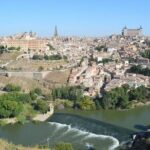
Ávila and Segovia sit in the same historic zone of central Spain, but they give you two different vibes. Ávila feels like a fortified time capsule: walls first, then churches and convents that shaped local life. Segovia is the drama kid—Roman aqueduct engineering, Gothic cathedral grandeur, and a castle that looks like it was designed for stories.
The reason this tour makes sense is timing. You’re not just hopping between monuments; you’re getting guided context for what you’re seeing. That means the walls in Ávila stop being a photo background and start feeling like a system—defense, power, religion, and identity all in one place. In Segovia, the aqueduct isn’t just impressive; you learn why it became the city’s symbol and how it set up later growth and architecture.
You can also read our reviews of more tours and experiences in Madrid



Price and What You Actually Get for It
At $81.20 per person, the value is in the combination: transport + official guide + multiple included admission tickets + skip-the-line entries. Many “budget” day trips from Madrid sell themselves as transport with optional tickets later. Here, the schedule is built around paid access where it matters most.
Here’s the ticket mix you can count on:
- Basilica de San Vicente: admission included
- Convento de Santa Teresa: admission included
- Alcázar of Segovia: skip-the-line admission included
- Cathedral of Segovia: skip-the-line admission included
- Aqueduct of Segovia: listed as free admission
And the “soft” value matters too:
- Radio guide + gift headphones help you understand what you’re seeing as you walk
- A/C bus with Wi‑Fi keeps the commute sane
So yes, it’s not a cheap bare-bones excursion. But when you add up the bus ride, the guide, and timed entry for two big Segovia attractions, you’re paying for fewer hassles.
Timing, Meeting Point, and How the Day Moves
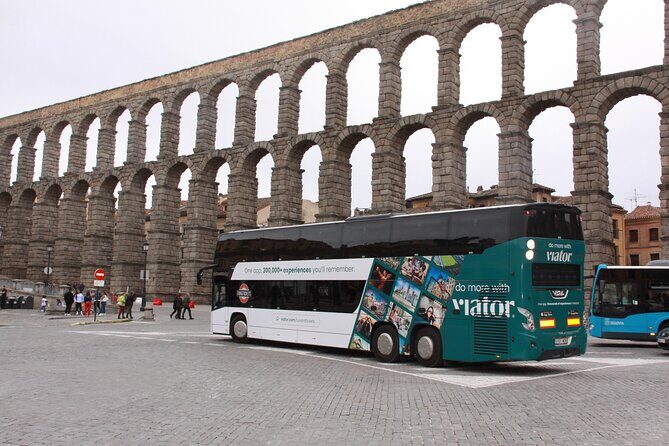
This tour starts at 9:00 am at Fun and Tickets / San Bernardo (C. de San Bernardo, 7, Centro, 28013 Madrid). You return back to the same meeting point at the end.
It runs about 9 hours, so plan your day around one long stretch. The route includes:
- driving time through the countryside
- a morning in Ávila
- an afternoon in Segovia
The pacing is designed so you’re not stuck at a single site all day. The trade-off is that you should treat this as an “active history day,” not a slow wander. One of the nice perks is that the headset system can let you keep moving while still hearing the guide, as long as you stay close enough to the radio signal.
Sierra de Guadarrama to Ávila Walls: The Day’s Big Setup
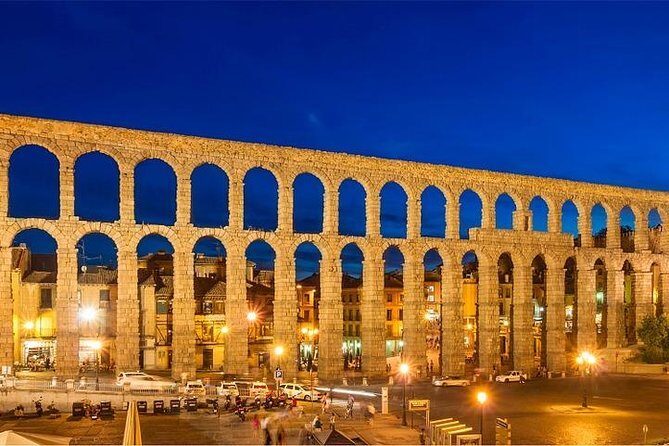
The first real mood shift happens as you travel through the Sierra de Guadarrama area, part of the Sistema Central mountain chain running through central Spain. Even if your time here is more about scenery and commentary than a long hike, it helps you understand why these cities grew where they did—routes, terrain, and the “natural border” effect of mountain ranges.
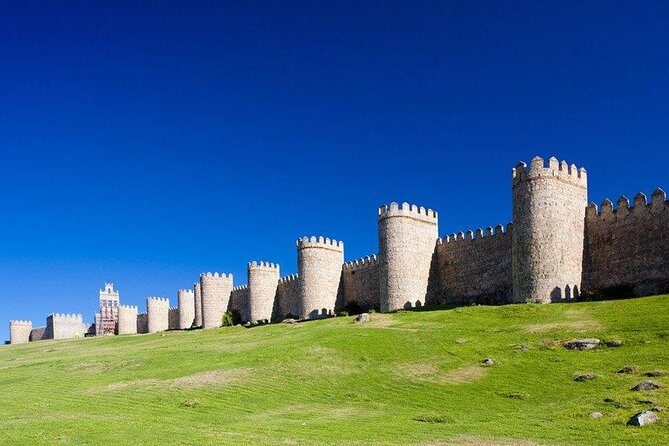
Then Ávila hits you with its most famous feature: the Walls of Ávila, completed between the 11th and 14th centuries. These fortifications are often described as the best-preserved circuit of walls in Spain. What I find useful is the “why” the guide gives you: these weren’t decorative walls. They’re the physical expression of security and city identity, and you’ll see how later buildings were planned with that defensive footprint in mind.
You’ll also get time around Ávila’s Cathedral-fortress setting—a Catholic cathedral that mixes Romanesque and Gothic traditions. The apse and turret-like relationship to the city walls is the key detail. It’s a reminder that religion and defense were not separate stories here.
Basilica de San Vicente: Romanesque First Impressions in Ávila
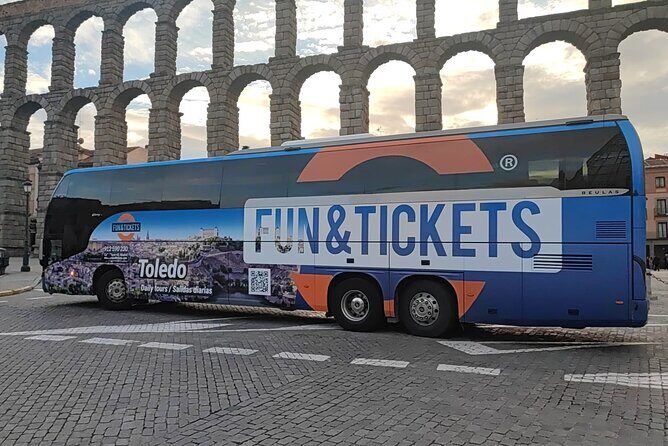
Next comes Basilica de San Vicente. This stop is about 30 minutes, and you’ll have the included admission ticket time with a guided radio explanation.
This is a strong pick early in the Ávila portion because it shifts you from “walls and street views” into “this is what the architecture is doing.” The basilica is known as one of the best examples of Romanesque architecture in the country. If Romanesque feels new to you, this is where you start noticing the difference: sturdy shapes, a sense of weight, and the way the building communicates seriousness even without flashy ornament.
A practical tip: Romanesque interiors can feel dim compared with the street. If you like photos, give your eyes a minute to adjust and avoid shooting right away in bright outdoor light.




Convento de Santa Teresa: Teresa’s Birthplace Story Matters
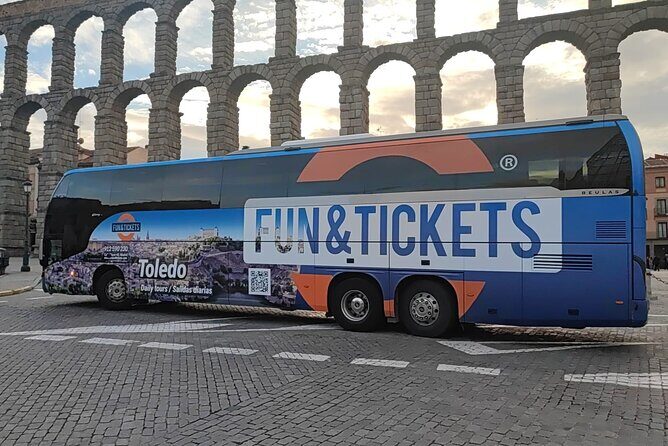
After San Vicente, you’ll visit Convento de Santa Teresa (about 30 minutes, admission included). This is a church-and-convent complex tied to the Discalced Carmelite order and built in the 17th century.
The central story cue is that it’s supposedly on the site associated with Saint Teresa of Ávila’s birth. Even if you don’t track saints like a spreadsheet, this “built on a remembered place” idea changes how you interpret the space. You’re seeing more than a monument—you’re seeing how a community anchors devotion to geography.
This stop also works well in a bigger group because it’s not just exterior sightseeing. You’re inside for a meaningful amount of time, and the guide’s headsets keep you from feeling lost.
Segovia Aqueduct: The Roman Showstopper You’ll Never Forget
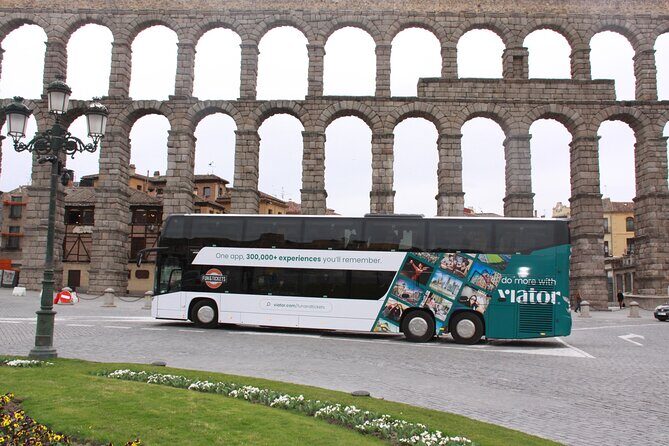
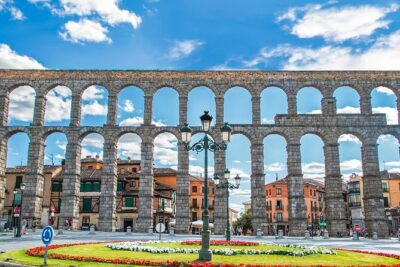
Segovia’s first big win is the Aqueduct of Segovia. It’s listed as 30 minutes, and the admission is free, which helps the schedule feel flexible.
This aqueduct is one of the best-preserved elevated Roman aqueducts in Spain and is treated as Segovia’s symbol (it even appears on the city’s coat of arms). What makes this stop special isn’t only the engineering—it’s the way the city built around it. When you see it in person, you start to understand how the aqueduct created the practical conditions for urban growth. In other words: it’s a monument that explains a city’s survival.
Photo tip: the aqueduct photographs well from multiple angles. If you’re waiting for perfect light, you might lose time. Instead, grab a solid shot early, then use the later moments to compare angles and distances.
Segovia Cathedral: Gothic Style in the Main Square
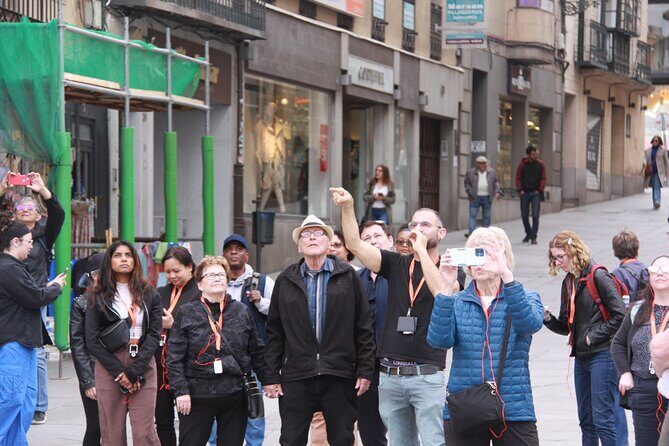
Next is Segovia Cathedral (Catedral de Segovia), with about 1 hour and included admission. It’s Gothic style, dedicated to the Virgin Mary, and built in the mid‑16th century.
The practical value of visiting with a guided plan is knowing where to look. Gothic cathedrals reward attention: ceiling lines, the sense of vertical pull, and the way the façade and square placement shape your first view. With headsets, you can walk the space without needing to constantly ask the guide to repeat everything.
If you’re short on time in Segovia, a cathedral stop can feel like a checkbox. Here, the hour-long window is enough to get more than a glance—especially if you pause at the key viewpoint the guide points out.
Alcázar of Segovia: The Castle That Looks Like a Ship
No trip to Segovia feels complete without the Alcázar of Segovia, about 1 hour, with skip-the-line admission. The Alcázar is a medieval castle-palace and a UNESCO-listed site. It rises from a rocky crag near the confluence of rivers, and its distinctive shape is often compared to the bow of a ship.
This is the stop where “fantasy castle” comparisons start to make sense. You’re not just seeing walls. You’re seeing how the placement and silhouette work together—especially if you’ve never been to Segovia before.
Skip-the-line entry is a real quality-of-life feature here. Alcázar lines can eat a whole chunk of your day. By getting in quickly, you spend your energy on the rooms and viewpoints instead of standing still.
Walking, Group Size, and the Radio Headset Advantage
This tour is designed for most people, and it’s listed as stroller accessible and family-friendly. But it also states it’s not recommended for reduced mobility, which you should take seriously.
Why? Segovia and Ávila have steep streets and uneven surfaces. Even if the tour is “guided,” you’re still moving on cobblestones and climbing in places. Also, the day is long: expect a lot of walking, and plan for rougher ground underfoot.
The headset system is one of the best perks. If you’re tempted to lag behind to enjoy a street corner, you can—just keep within radio range so you don’t lose the guide’s track. The gift headphones also mean you’re not relying on your phone battery for audio.
One extra practical thing: bus bathrooms may not always be reliable. If that matters to you, treat the bathroom situation as uncertain and plan to be okay with fewer “on-demand” stops.
Food Breaks: How to Handle Meals in Segovia
The tour includes a drink and snack in Ávila, and it explicitly says no lunch. That means you’ll want a strategy for eating in Segovia.
The easy approach:
- eat your included snack/drink in Ávila
- bring a light backup snack for later (especially if you’re sensitive to long gaps)
- budget time and money for lunch in Segovia, since you’ll need a full meal during the long day
If you have dietary restrictions, this is one day where you should plan ahead. Your best bet is to eat where you can read the menu and communicate clearly.
Who This Tour Fits Best (and Who Should Think Twice)
This is a great fit if you want:
- maximum highlights in one day from Madrid
- guided explanations with radio headsets
- included admission for multiple major monuments, including skip-the-line entries
It’s also a good choice for first-timers. Ávila and Segovia can be confusing if you try to do everything independently on a tight schedule. This route gives you a logical order and helps you focus on what’s important.
Think twice if you:
- have mobility limitations or need flat, easy walking
- hate long days with lots of moving between stops
- need frequent bathroom access on the bus
Should You Book Ávila and Segovia From Madrid With Monument Tickets?
I’d book this tour if you want an efficient, history-filled day with less fuss. The big strengths are clear: official guidance, included tickets, skip-the-line entries for two major Segovia attractions, and the radio headset setup that keeps the experience understandable while you move.
I’d hesitate if you’re expecting a relaxed stroll. This is more like a well-run “see the essentials with context” mission than a slow wander. And if walking on uneven, hilly streets is hard for you, pick a different plan.
If you’re ready for a long but well-structured day, this one is a smart use of your time in Madrid.
FAQ
What time does the tour start?
It starts at 9:00 am.
Where do I meet the group?
Meet at Fun and Tickets / San Bernardo (C. de San Bernardo, 7, Centro, 28013 Madrid).
Is the tour offered in English?
Yes. The tour is offered in English, and there are English group guides (with a radio-guide system and headphones).
How long is the tour?
It lasts about 9 hours.
What monument tickets are included?
Included admissions are for Basilica de San Vicente and Convento de Santa Teresa. Skip-the-line admission is included for Alcázar of Segovia and Cathedral of Segovia. The Aqueduct of Segovia is listed as free.
Is lunch included?
No. The tour includes a drink and snack in Ávila and specifically notes no lunch.
Is it stroller accessible?
It’s listed as stroller accessible and family-friendly, but it also says it’s not recommended for reduced mobility.