REVIEW · MADRID
Madrid: Tour of the Historic City Center
Book on GetYourGuide →Operated by Madrid auf Deutsch · Bookable on GetYourGuide
Madrid’s old streets move fast.
This 3.5-hour historic-city-center walk is a smart way to connect the big monuments with the everyday places that gave them context, from the Habsburg-era old core to the tapas lanes around Cava Baja. I really like two things here: the focus on architecture as you go (not just photo stops) and the way the guide packs in local stories that make the buildings feel like they have a pulse. One thing to consider: it’s rain or shine and the route is walking-heavy, so wear comfy shoes and plan for lots of street-level time.
You’ll start at the bear statue at Puerta del Sol, then wind through narrow lanes and small squares off the main roads. The itinerary hits major sights like Plaza Mayor, the Royal Palace area, and Almudena Cathedral, while also slipping in places like Las Descalzas Reales, the Convent of Corpus Christi las Carboneras, and the Literary Quarter for a more complete sense of old Madrid. The price—$46—feels most worthwhile if you like guided context, because entrance fees are not included.
In This Review
- Key Highlights I’d Prioritize
- Price and Time: Is This Worth $46?
- Getting Oriented at Puerta del Sol
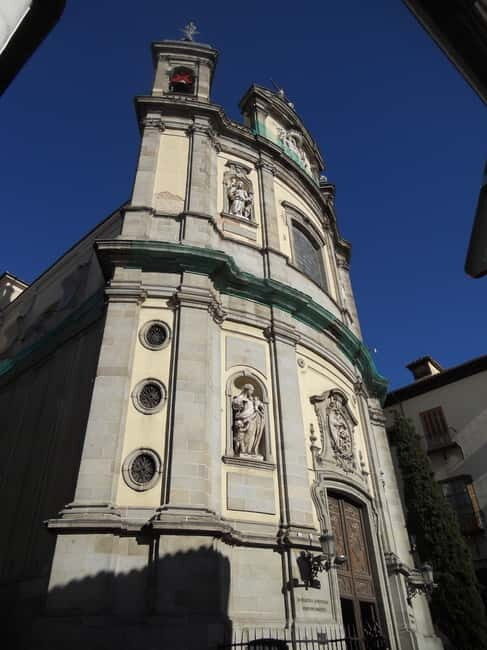
- Church of San Ginés and the Old Streets Off the Main Roads
- Convent of Las Descalzas Reales: More Than a Name on a Map
- Palacio de los Consejos and Plaza de la Villa: Where Power Shows Up in Stone
- Torre de los Lujanes and Clever Anecdotes
- Royal Palace of Madrid: Imposing Exterior, Clear Context
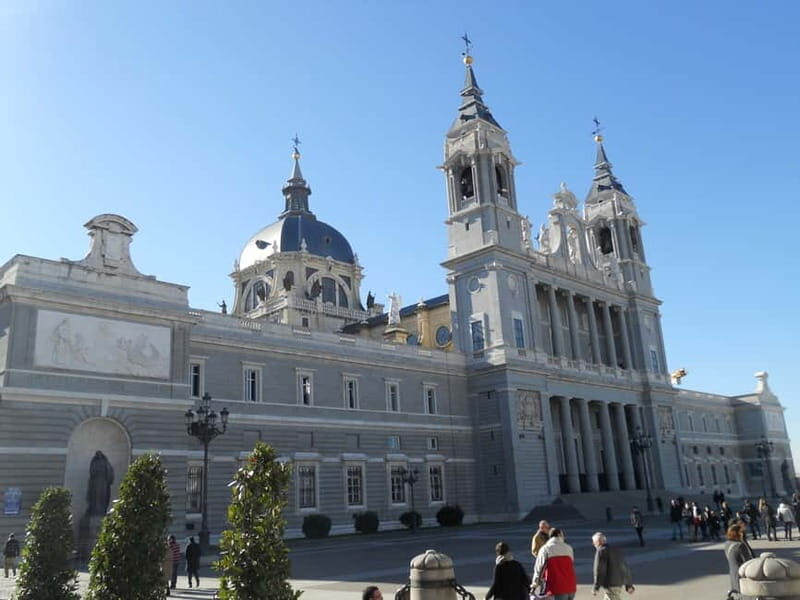
- Almudena Cathedral: A Key Madrid Landmark You’ll Recognize Later
- Monastery of Corpus Christi las Carboneras and Plaza de la Paja
- Cava Baja: Tapas Street With a Lesson Attached
- Market of San Miguel: Covered, Central, and Easy to Enjoy
- Plaza Mayor: The Big Square That Still Feels Like a Living Place
- Literary Quarter and Golden Age Stories
- Optional Viewing Terrace at the End
- Who This Tour Fits Best (and Who Might Want Something Else)
- What’s Included: Guide, Stops, and the Useful Extras
- What’s Not Included: Entrance Fees
- A Quick Reality Check on Reviews and What You’ll Feel
- Should You Book This Madrid Historic City Center Tour?
- FAQ
- What’s the duration of the Madrid Historic City Center tour?
- Where does the tour start?
- Does the tour end at the same place?
- What are some of the main sights included?
- Are entrance fees included?
- What language is the guided tour in?
- Is the tour wheelchair accessible?
- Does the tour run rain or shine?
- Is there a terrace viewpoint at the end?
- Can I get a refund if my plans change?
Key Highlights I’d Prioritize
- Puerta del Sol to the Habsburg center: you walk the old-city spine with a clear sense of what’s where
- Plaza Mayor at walking speed: you get the square’s role in Madrid without it turning into a photo-only stop
- Golden-Age storytelling stops: the route includes the Literary Quarter plus anecdotes that connect eras
- San Miguel Market time: a covered market stop that helps you picture Madrid as a living city
- Tavern street education: Cava Baja is more than a tapas name when the guide explains its character
- Optional terrace view: if you want a final perspective at the end, ask for it
Price and Time: Is This Worth $46?
At $46 per person for about 211 minutes (a little over 3.5 hours), you’re paying for a live guide, planned stops, and background that helps you read the city. That’s the key value here: you’re not just visiting monuments—you’re learning how the historic center was shaped and why certain streets and squares matter.
Because entrance fees are not included, you’re free from the cost surprise when you reach inside-ticket sights. If you do want any interiors later, you can decide on the spot (or plan separately). For many people, this format is ideal: you get the big-picture context now, and you choose the optional deeper dives later.
You can also read our reviews of more city tours in Madrid



Getting Oriented at Puerta del Sol
The tour starts at the bear statue in Puerta del Sol, which is a great place to begin because it’s a central meeting point and a natural “from-here” reference for Madrid. You’ll set your bearings fast, then the route starts pulling you off the busiest areas and into quieter streets where the old Madrid feeling shows up sooner.
This is also a nice early setup for your photos and your mental map. If you’ve ever wandered into a historic center and felt like everything is important but you don’t know how it connects, this start helps you avoid that.
Church of San Ginés and the Old Streets Off the Main Roads
One of the smartest parts of this walk is how it uses small street segments to stitch the city together. You pass the Church of San Ginés, then keep moving toward larger landmarks while the guide’s commentary keeps the “why” attached to the “what.”
The tour’s design includes the narrow streets off the main roads, and that matters. You experience the center the way people actually move through it, not just along the wide view corridors where every tour ends up. It’s also where you tend to notice the texture of old Madrid: street rhythm, small squares, and the sense of layers.
Convent of Las Descalzas Reales: More Than a Name on a Map
Next up is the Convent of Las Descalzas Reales. Even if you’re not deep into convent history, a guided stop here helps you understand why this kind of building was so central to power and culture in Madrid’s earlier eras.
What I like about this kind of stop is that it turns a landmark you might otherwise skim past into something you can actually place in the story. You’re not just chasing impressive architecture—you’re building context for it, which makes later sights land harder.
Palacio de los Consejos and Plaza de la Villa: Where Power Shows Up in Stone
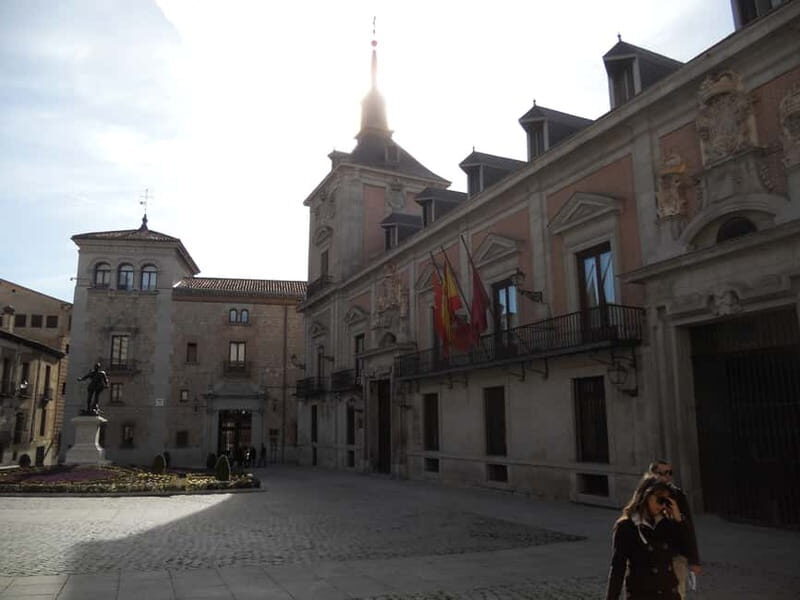
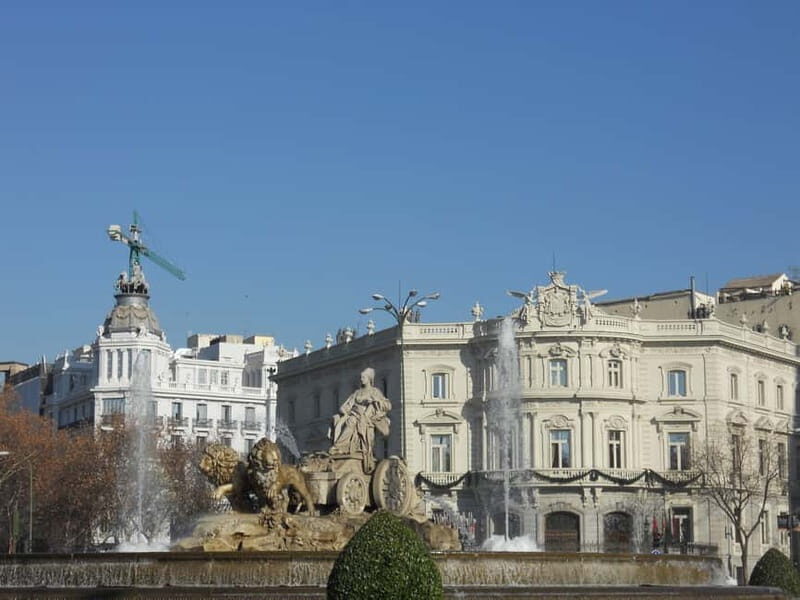
As the tour continues, you’ll reach the Palace of the Councils (Palacio de los Consejos) and Plaza de la Villa. These stops are valuable because they bring the city’s civic side into focus, not only the royal side.
Plazas and palaces can blur together when you visit on your own. On this route, the guide’s explanations help you see the differences in role and style, so the architecture doesn’t feel like a pile of pretty facades.
You can also read our reviews of more historical tours in Madrid




Torre de los Lujanes and Clever Anecdotes
You also see the Torre de los Lujanes, and the tour includes interesting anecdotes along the way. This is the sort of detail that makes a guided walk worth the money: a small point of interest becomes a story you remember.
Also, because the route was planned by Spanish architects, the pacing feels purposeful. The walk isn’t random; it’s designed so you keep getting “turns” in the story rather than just moving from one landmark to the next.
Royal Palace of Madrid: Imposing Exterior, Clear Context
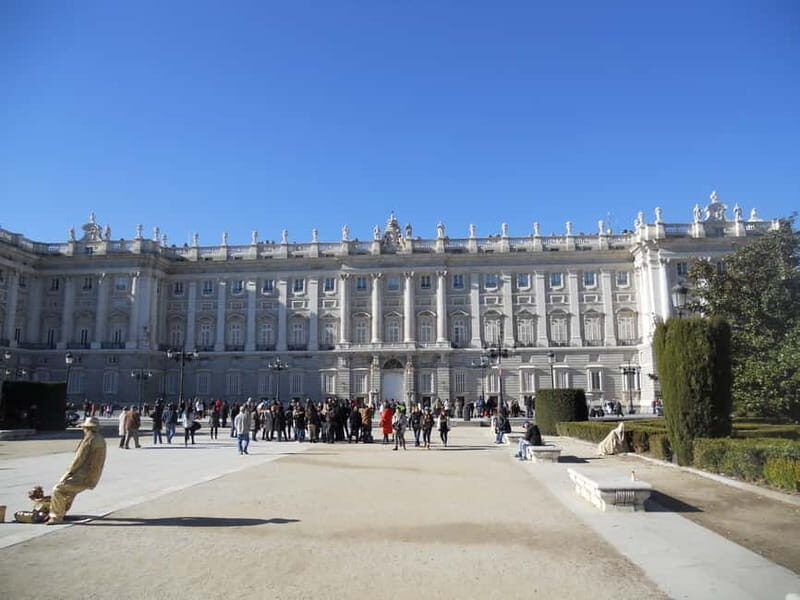
The Royal Palace of Madrid is one of the headline sights, and you’re also walking through the area that helps you understand its prominence. You’ll admire it as you pass, rather than treating it as the whole day’s focus.
I like how the tour manages attention here. Big palaces can overwhelm you when you’re trying to take in everything at once. With this structure, you absorb it in a guided arc—see it, understand its place, then move on while your brain is still fresh.
Almudena Cathedral: A Key Madrid Landmark You’ll Recognize Later
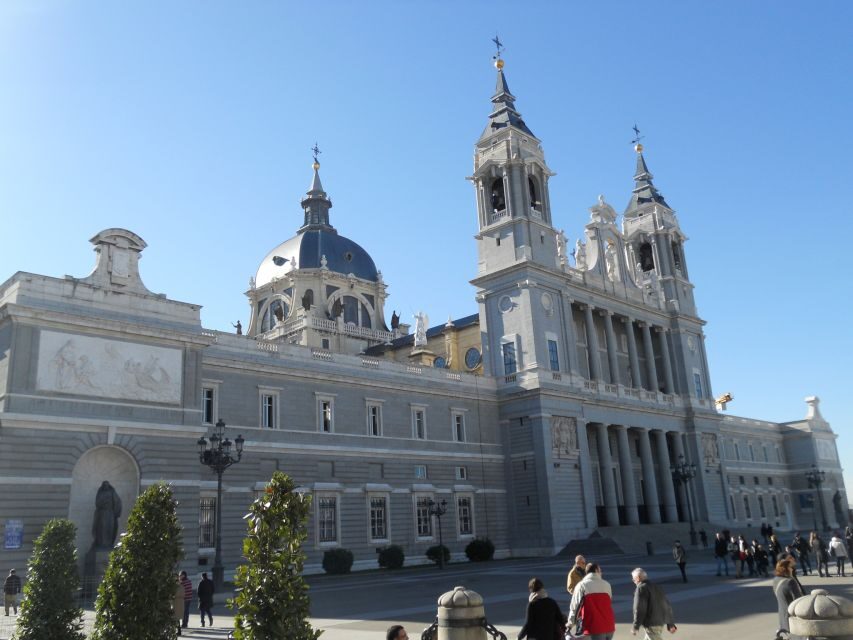
Next is Almudena Cathedral. Like the Royal Palace area, it’s a major “you’re in Madrid now” moment. The guide helps you connect it to the city’s historic center rather than letting it become just another dramatic building in a travel photo.
This stop is also a good reminder to watch the surroundings. Cathedral architecture pulls your eyes upward, but your best learning moment often comes from looking at how the area feels around it—street scale, sightlines, and how people actually pass through.
Monastery of Corpus Christi las Carboneras and Plaza de la Paja
The itinerary continues to the Monastery of Corpus Christi las Carboneras and then Plaza de la Paja. These aren’t just “stop names”—they’re part of a shift from big-picture Madrid to the human-scale corners where daily life and historic identity overlap.
Plaza de la Paja, in particular, is the kind of small square that makes you feel like you discovered something on your own. With a guide, you also learn how it fits into the wider story of old Madrid rather than treating it like a random pretty place.
Cava Baja: Tapas Street With a Lesson Attached
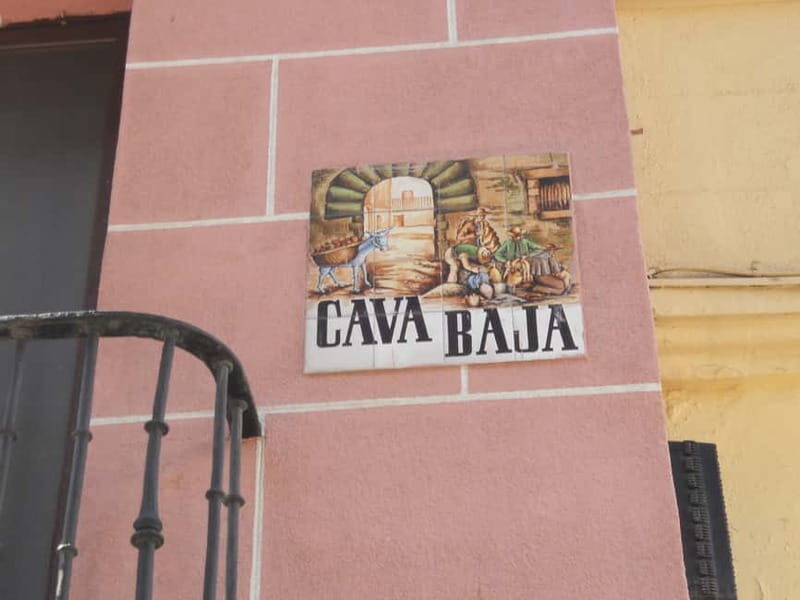
Then you hit Cava Baja, the old tavern street known for tapas bars. This is a classic Madrid lane, but the tour does something that I appreciate: it warns you about tourist traps and gives restaurant suggestions in the general area.
That matters because Cava Baja is famous enough that it can attract the “easy tourist” kind of pricing or menus. With the guide’s heads-up, you can aim for places that feel more local and less like a trap designed for quick turnover.
Market of San Miguel: Covered, Central, and Easy to Enjoy
A highlight is a stop at the covered Market of San Miguel. Markets are not only for shopping; they’re for understanding how a city eats and gathers. Here, the fact that it’s covered is practical too. You can stay comfortable even when Madrid weather turns unpredictable.
What makes this market stop useful on a tour is that it breaks up the monument-heavy rhythm. You get a sensory reset, and you’ll likely leave with a better sense of where to return later for snacks without guessing.
Plaza Mayor: The Big Square That Still Feels Like a Living Place
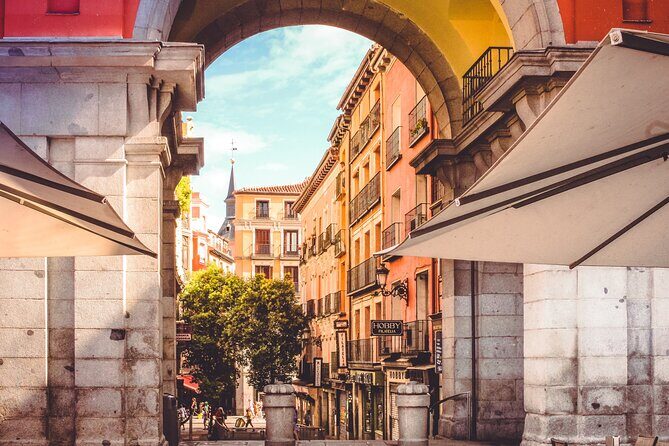
You’ll revisit the heart of Madrid at Plaza Mayor, one of the most recognizable squares in the city. It’s easy to treat it like a postcard stop, but on this kind of guided route, you learn how it functioned in the Golden Age and how the square’s identity formed.
I also like that the tour doesn’t just rush you through. You’re walking with time to notice details—building lines, square proportions, and the way the surrounding streets funnel people in and out.
Literary Quarter and Golden Age Stories
Another strong element is the stop in the Literary Quarter, tied to Golden Age storytelling. If you’re a fan of Spanish literature or history, this part gives you something to chew on beyond architecture.
Even if you’re not, these stories help you “read” the city. Madrid becomes more than a set of monuments; it becomes a place where ideas traveled, where people lived close to culture, and where streets had reputations.
Optional Viewing Terrace at the End
At the end, you can enjoy a view from a viewing terrace upon request. This is a nice payoff because it gives you a final perspective after hours of street-level wandering.
If you’re the type who likes to connect geography to what you just saw, you’ll probably appreciate the terrace option. If you’re more energy-constrained, you can treat it as optional and simply head back where the tour ends—right at the starting point.
Who This Tour Fits Best (and Who Might Want Something Else)
This tour is a great fit if you want:
- a guided walk that connects major landmarks to the streets between them
- local tips for food nearby, especially around the tavern zones
- a structured “historic center” introduction in about 3.5 hours
It might be less ideal if you prefer long time inside buildings or if you don’t like walking in rain or shine. Since you’ll be outdoors much of the time, bring layers, and don’t plan this if you’re expecting a super relaxed, slow stroll.
What’s Included: Guide, Stops, and the Useful Extras
You get a guided tour, with stops at the sights plus additional tourist information. There’s also a built-in focus on avoiding tourist traps, which is a practical touch in an area where fame can sometimes get expensive fast.
You also receive restaurant suggestions, which is helpful because Madrid’s tapas scene can feel chaotic if you arrive without a plan. The tour is in German, so if that’s your comfort zone, it’s a very natural way to learn the city without fighting the language.
What’s Not Included: Entrance Fees
Entrance fees are not included. That’s not a dealbreaker—it simply means the tour is designed around sight stops and city context rather than guaranteed entry into every interior you might want.
If your must-see list includes specific interiors, treat this as your orientation and story-building phase. Then pick one or two places to revisit for entrances after you’ve got a clearer sense of where everything sits.
A Quick Reality Check on Reviews and What You’ll Feel
The overall rating is strong, and the most praised element is straightforward: you get lots of local information. That lines up with how the tour is described—architecture, anecdotes, and restaurant know-how, not just names on a sign.
In plain terms, you should expect to finish this walk with a sharper sense of Madrid’s layout and a better instinct for where to eat and what to explore next.
Should You Book This Madrid Historic City Center Tour?
Book it if you want a guided introduction that actually teaches you how the historic center works—especially if you care about the connections between Plaza Mayor, the Royal Palace area, Almudena Cathedral, and the smaller lanes in between. At $46, the value is strongest when you’ll use the restaurant suggestions and tourist-trap warnings to make your next decisions easier.
Skip it or compare alternatives if you want long interior time, or if you prefer a self-guided route you control minute-by-minute. This is a well-structured walking tour, so the best result comes when you show up ready to walk, look up, and listen.
FAQ
What’s the duration of the Madrid Historic City Center tour?
It lasts 211 minutes, which is about 3.5 hours. Check availability to see starting times.
Where does the tour start?
The tour starts at the bear statue in Puerta del Sol, Madrid.
Does the tour end at the same place?
Yes, the activity ends back at the meeting point.
What are some of the main sights included?
You’ll see Plaza Mayor, the Royal Palace of Madrid, Almudena Cathedral, the Market of San Miguel, and stops such as Church of San Ginés and Las Descalzas Reales.
Are entrance fees included?
No. Entrance fees are not included.
What language is the guided tour in?
The live tour guide speaks German.
Is the tour wheelchair accessible?
Yes, the tour is wheelchair accessible.
Does the tour run rain or shine?
Yes, it takes place rain or shine.
Is there a terrace viewpoint at the end?
A viewing terrace is available at the end of the tour upon request.
Can I get a refund if my plans change?
Free cancellation is available up to 24 hours in advance for a full refund.