Madrid is one long stage set. This walk gives you the backstory fast.
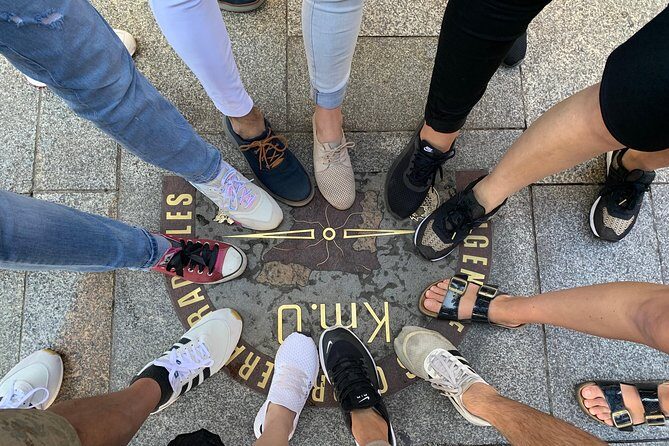
What makes this Madrid Historical Walking Tour click is the tight route through classic Centro sights, paired with a guide who keeps the facts moving. You’ll start at Puerta del Sol at Km 0 and finish near Teatro Real, with stops that explain why these places matter instead of just pointing at them. I especially like the hands-on approach: printed material and teaching tools during the walk, plus a link to personalized ideas for what to do next. And I really like the pacing for first-timers, with key photo moments built into the route.
One possible drawback: two major sights on the itinerary are only viewed from outside. You won’t go inside Almudena Cathedral or the Royal Palace, since site entries aren’t included, so if you want interior time, you’ll need a separate plan.
In This Review
- Key Highlights You’ll Feel on Day One
- Price, Time, and Why This Walk Feels Like Good Value
- Getting Oriented: Start at Puerta del Sol, Km 0 and the City’s Symbols
- Plaza Mayor: Where Old Power, Old Trades, and Royal Names Collide
- Sobrino de Botín: The Old Restaurant Stop That Changes How You See Time
- Mercado San Miguel: A Food-Culture Stop Without Turning It Into a Detour
- Plaza de la Villa to Almudena Cathedral: From Medieval Facades to Sacred Stone
- Royal Palace and Teatro Real: Views First, Tickets Later
- The Guide Makes the Difference: Small Group Energy and Real Local Guidance
- Timing, Weather, and How to Dress for a 2-Hour City Read
- Who This Walk Fits Best
- Should You Book This Madrid Historical Walk?
- FAQ
- How long is the Madrid Historical Walking Tour?
- Where does the tour start and end?
- Is the tour in English?
- Are entry tickets included for Almudena Cathedral or the Royal Palace?
- What’s included in the tour price?
- What if the weather is bad?
Key Highlights You’ll Feel on Day One
- A straight shot through Madrid Centro’s headline landmarks in about 2 hours 20 minutes
- Puerta del Sol symbols you can’t miss, from Km 0 to the Bear and Madroño
- Plaza Mayor stories tied to real old trades, like the Casa de la Panadería and Casa de la Carnicería
- Sobrino de Botín stop that lands you right at a famous long-running eating tradition
- Mercado San Miguel for quick food culture context, including Iberian hams and seafood
- Finish at Teatro Real area, a smart launching point for more sightseeing
Price, Time, and Why This Walk Feels Like Good Value
At $3.62 per person, this tour is priced like a bargain ticket, but it doesn’t feel bare-bones. You’re paying for a local guide, route teaching tools, and a structured way to see the center without wandering in circles. The fact that it’s an English offering with a small max group size (up to 25) also matters. It’s big enough to meet people, but not so big that you disappear into the crowd.
The route time is about 2 hours 20 minutes, which is perfect when you’re arriving tired or jet-lagged. You get a lot of recognizable names in a short window, and you leave with a mental map of how Madrid’s historical core is laid out. I also like that there’s a mobile ticket option and link-based recommendations you can use after the walk, so the experience doesn’t end the second you stop walking.
A small note on expectations: this is a free tour format, meaning tips to the guide aren’t included. If you want to do the right thing, bring some cash or be ready to tip at the end. In the feedback I saw, guides have been mentioned as asking around 15–20 euros per person, which gives you a ballpark for what to plan.
You can also read our reviews of more walking tours in Madrid
Getting Oriented: Start at Puerta del Sol, Km 0 and the City’s Symbols
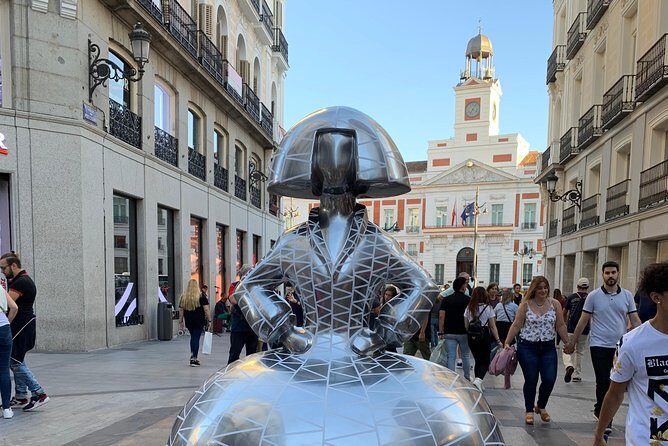
The tour starts in Puerta del Sol, right in the heart of Madrid. This is the kind of place where you think you understand it until you learn what each symbol is doing in the city story. Your guide points out major details you might otherwise zip past, like the Royal Post Office building, the famous Bear and Madroño, and the Tío Pepe sign. These aren’t random decorations; they’re visual shortcuts to Madrid’s identity.
You’ll also hear about the La Mariblanca statue and see the Statue of Carlos III, plus the Km 0 marker. That last detail is great for first-time visitors because it helps you understand the city as a network with a center, not just a pile of streets. Even if you only remember one thing from the first stop, it’s likely to be the feeling that Madrid is built with intention.
What to watch for here: Sol can be busy, so use the time to steady your bearings. This is a good start point because it’s easy to reach by public transport and it gives you a confident jump-off into the rest of Centro.
Plaza Mayor: Where Old Power, Old Trades, and Royal Names Collide
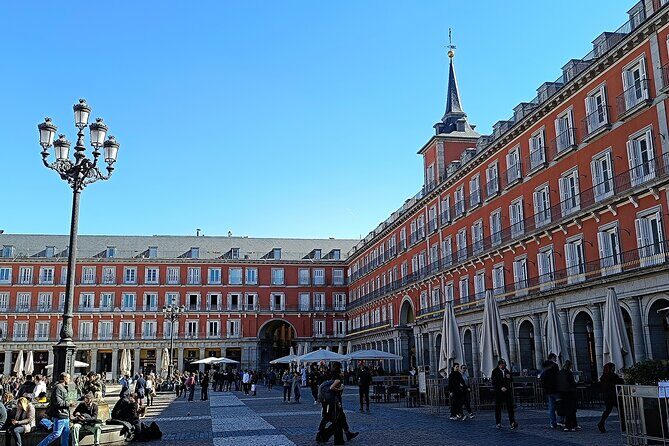
Next comes Plaza Mayor, one of Madrid’s most photogenic squares. But this isn’t just a postcard stop. You’ll get context around the Casa de la Panadería (Bakery House), the Casa de la Carnicería (Butcher’s House), and the Statue of Felipe III. These details help you see the square as a working civic space, not only a pretty open room for tourists.
You’ll also spend time with Toledo Street nearby, which is helpful because Plaza Mayor doesn’t sit alone. It’s part of a street system that shaped how people moved and traded through the city. A good guide connects those dots so you can walk it later without feeling lost.
One practical consideration: Plaza Mayor is easy to take slowly, and your group might want extra photos. If you’re the type who likes to move quickly, keep an eye on the group pace so you don’t get stuck holding everyone up at the best angles.
Sobrino de Botín: The Old Restaurant Stop That Changes How You See Time

Then you hit Sobrino de Botín, often described as the oldest restaurant in the world. Even if you don’t care about the record itself, the stop does something useful: it turns food into a historical anchor. It’s a reminder that Madrid’s story isn’t only political buildings and royal statues; it’s also the places where daily life kept repeating for generations.
You’ll spend about 25 minutes in this stop zone, which gives time for conversation, not just a quick photo. The guide’s anecdotes tend to make the building feel like a character. And if you’re even mildly curious about how cities evolve, this kind of pause is worth it.
Why this matters for your visit: when you later sit down to eat in Madrid, you’ll recognize that you’re stepping into a long-running local tradition, not just a modern dining scene.
Mercado San Miguel: A Food-Culture Stop Without Turning It Into a Detour
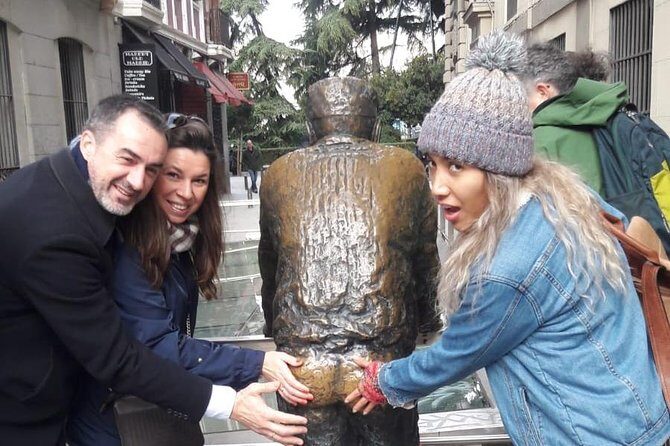
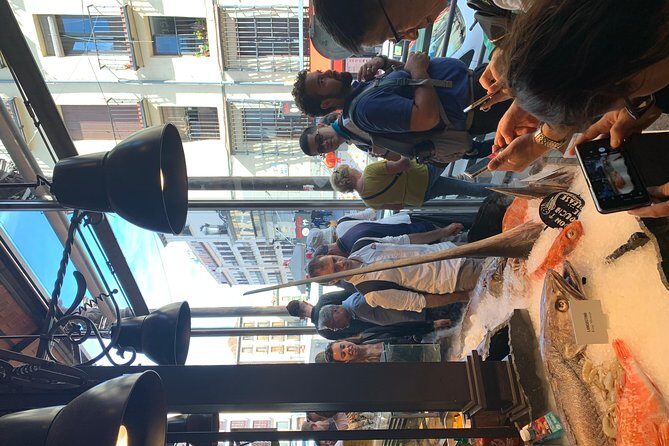
Next up is Mercado San Miguel. Here’s the key: you’re not going to spend hours inside doing a full-on food crawl. Instead, you get the market’s role in Madrid’s food culture, with highlights like the talk around Iberian hams and freshest seafood. It’s a fast way to understand why markets are a bigger deal than Instagram makes them look.
Your time here is short (about 10 minutes), which is exactly what you want from a historical walking tour. You can glance around, soak in the layout, and carry the food context forward when you plan your own meals later. If you’re a foodie, you’ll probably want to return on your own after the walk when you can browse slowly.
Potential drawback: because your time is limited, don’t expect deep sampling or extended shopping. This stop works best as orientation. Treat it like a teaser and a reference point, not a full meal plan.
You can also read our reviews of more historical tours in Madrid


Plaza de la Villa to Almudena Cathedral: From Medieval Facades to Sacred Stone
The tour moves to Plaza de la Villa, where you get a brief look at the main facades of medieval buildings. This is one of those moments where stepping into a square feels like switching time periods for a minute. Plaza de la Villa is compact, so the guide can point out architectural clues that help you read the city instead of just walking through it.
From there, you reach the Museo de la Catedral de la Almudena area. You’ll spend around 5 minutes focused on Almudena Cathedral, but here’s the important part: admission isn’t included. So you’re seeing the cathedral from the outside. You’re getting the landmark impact without the ticket line.
Still, this short view is useful. Almudena’s presence anchors the next sections of your walk and gives you a visual sense of how Madrid’s royal story and spiritual story sit side by side.
Royal Palace and Teatro Real: Views First, Tickets Later
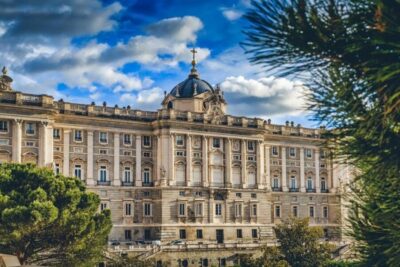
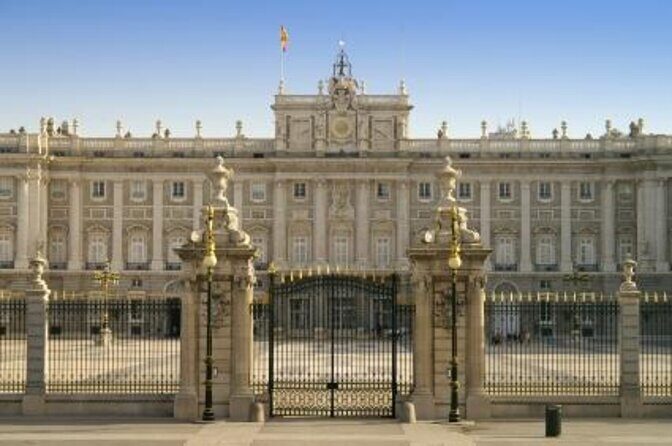
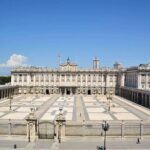
Near the end, you get a look at the Royal Palace of Madrid. Like Almudena, entry isn’t included, so you won’t go inside during the tour. You’ll get about 15 minutes here, which should be enough for photos and for your guide to frame what this royal site represents in the bigger Madrid picture.
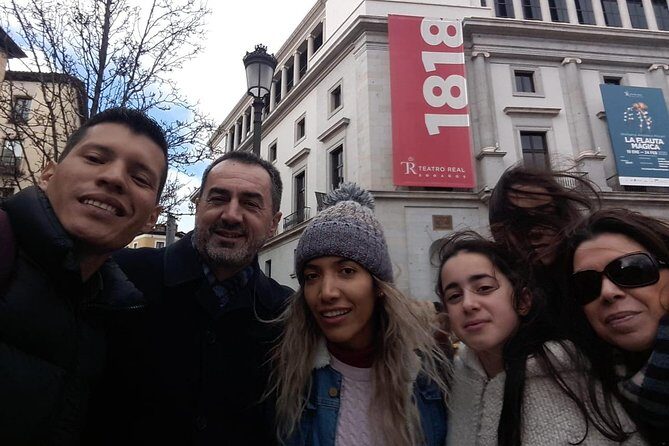
After that, you end at Teatro Real, in the Isabel II Square area. This is a smart finishing point. Teatro Real is visually dramatic, and it leaves you in a part of Centro that’s easy to keep exploring.
If you want more from the interior of the Royal Palace or Almudena Cathedral, plan that as a separate stop later. The tour’s strength is helping you decide what’s worth your time and money, not trying to cram everything into one walk.
The Guide Makes the Difference: Small Group Energy and Real Local Guidance
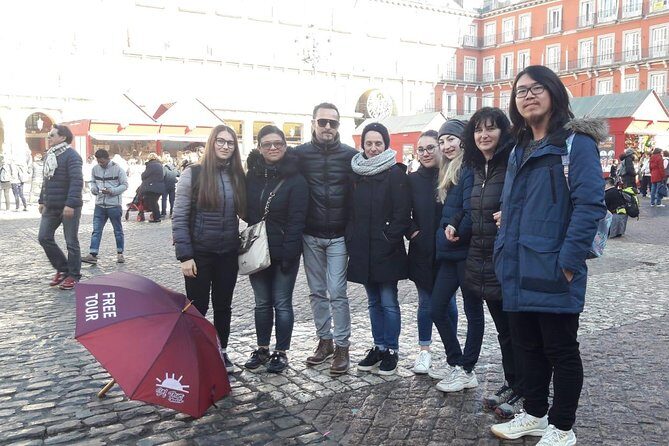
This tour is a simple concept: walk, stop, explain. But the quality hinges on the guide. The reviews I saw repeatedly named guides such as Glenn, Jean, Javier, Marta, and Thomas, and the pattern was consistent: strong presentation, lots of entertaining anecdotes, and a pace that keeps you from zoning out.
A few details that matter for you:
- The group size tops out at 25, so you usually get a chance to interact.
- The tour is offered in English.
- You receive printed material and teaching tools, which helps when you’re trying to remember what you just learned while your feet are still tired.
- You’ll get a link to personalized recommendations on what to do next in Madrid, plus follow-up attention from the guide after the tour.
I also liked the idea that the guide doesn’t just recite dates. Some guides reportedly tailor the flow to keep it interesting, even when weather gets messy. Since this is a walking-focused experience, that flexibility can turn a cloudy day into a good day.
Timing, Weather, and How to Dress for a 2-Hour City Read
This is a walking tour in real city streets. That sounds obvious, but it’s worth saying: wear shoes you trust. You’ll be on your feet through multiple central stops, and you want your legs to stay happy so you can actually enjoy the stories.
The tour requires good weather. If poor weather cancels it, you’ll be offered a different date or a full refund. So keep an eye on the forecast the morning of, especially if you’re visiting in a season where rain can pop up.
Who This Walk Fits Best
I think this Madrid Historical Walking Tour is ideal if:
- You’re visiting Madrid for the first time and want a fast orientation through the classic center
- You like history explained in plain language, with street-level details you can reuse later
- You want a structured route that still leaves you plenty of time to wander afterward
It might be less ideal if:
- You specifically want ticketed museum time during the tour, since entries to Almudena Cathedral and the Royal Palace aren’t included
- You hate standing still. A few reviews noted time spent pausing in place, so if you prefer constant motion, go in knowing there will be moments of stop-and-listen
Should You Book This Madrid Historical Walk?
Yes, if your goal is a smart first pass through Madrid Centro with a guide-driven explanation at each stop. The value is strong for the price, and the route covers the places most visitors end up going to anyway: Puerta del Sol, Plaza Mayor, Sobrino de Botín, Mercado San Miguel, Almudena’s area, the Royal Palace exterior, and Teatro Real.
Book it especially if you like practical guidance: the printed tools help you remember, and the follow-up recommendations help you turn this walk into a plan for the rest of your day. If you want only interiors, then you should pair this with separate tickets—but for orientation and context, this walk is a very good use of time.
FAQ
How long is the Madrid Historical Walking Tour?
It runs about 2 hours 20 minutes.
Where does the tour start and end?
It starts at Puerta del Sol, Centro, Madrid, Spain, and ends at Teatro Real, Plaza de Isabel II (Pl. de Isabel II, s/n, Centro, 28013 Madrid).
Is the tour in English?
Yes, it’s offered in English.
Are entry tickets included for Almudena Cathedral or the Royal Palace?
No. Entries are not included, and the tour does not require you to enter the sites.
What’s included in the tour price?
You get a local guide, printed material and teaching tools, and a link to personalized recommendations. There’s also personalized attention from the guide after the tour.
What if the weather is bad?
The tour requires good weather. If it’s canceled due to poor weather, you’ll be offered a different date or a full refund.