REVIEW · MADRID
Inquisition, The Executioner, Witches, Expulsion Jews and Muslims
Book on Viator →Operated by Tours Madrid | TOURSTILLA · Bookable on Viator
Paperwork killed people in Madrid.
This guided walk connects the Spanish Inquisition to real addresses across central Madrid, using churches and plazas to explain how Christianity, Islam, and Judaism were pulled into investigations, accusations, and punishment. You get a city-shaped story that moves fast, with stops designed to keep the narrative clear even when the subject gets ugly.
I especially like the tight pacing and structure—most stops run about 10 to 20 minutes—so you stay oriented instead of getting lost in dates. I also like that the tour uses printed material and teaching tools along the way, which helps you make sense of the steps: investigation, confessions, edicts, and the machinery of punishment.
One thing to consider: this is heavy. You’ll hear about torture, executions, and how authorities tried to label people as false Jews or false Moors. If you want a light sightseeing stroll, you’ll probably feel the weight here.
In This Review
- Key takeaways
- Walking Madrid’s Inquisition Trail from Plaza Mayor to Plaza de la Armería
- Stop 1: Iglesia de Santa Cruz and the three monotheistic religions
- Stop 2: Plaza de la Provincia and the executioner’s role in the process
- Stop 3: Casa de la Carnicería and the trial-by-art storytelling
- Stop 4: Basilica de San Miguel, edicts, and how false allegations were framed
- Stop 5: Casa Cisneros and the Cisneros vs Torquemada contrast
- Stop 6: Plaza de la Cruz Verde and the symbols of execution
- Stop 7: Almudena Cathedral and the Vatican link, pardon, and final date
- Stop 8: Plaza de la Armería and today’s religious conflicts
- What makes the guides matter: Jackie and David Onion’s performance style
- Value and who this tour is best for
- Should you book this Inquisition walking tour in Madrid?
- FAQ
- How long is the Inquisition walking tour in Madrid?
- What does the tour cost?
- Is the tour in English?
- Do I need to buy entry tickets for the sites?
- Where do I meet the guide and where does the tour end?
- How large are the groups?
- What’s included in the tour price?
- Can I cancel for a full refund?
Key takeaways
- Eight stops, one connected story: Madrid’s churches and squares become a timeline of accusation and punishment.
- Execution methods are explained on site: from gallows and beheading to Garrote Vil and burning at the stake.
- Edicts and labeling get real-world context: you’ll hear how authorities framed proof and false allegations.
- Cisneros vs Torquemada gets a place in the walk: key figures are tied to specific locations in Madrid.
- Vatican links and the end of the Inquisition: the tour points to Vatican Archives, a pardon context, and the late date of 1974.
- Guides can really perform the story: names like Jackie and David Onion show up as guides who keep the group engaged and moving.
Walking Madrid’s Inquisition Trail from Plaza Mayor to Plaza de la Armería
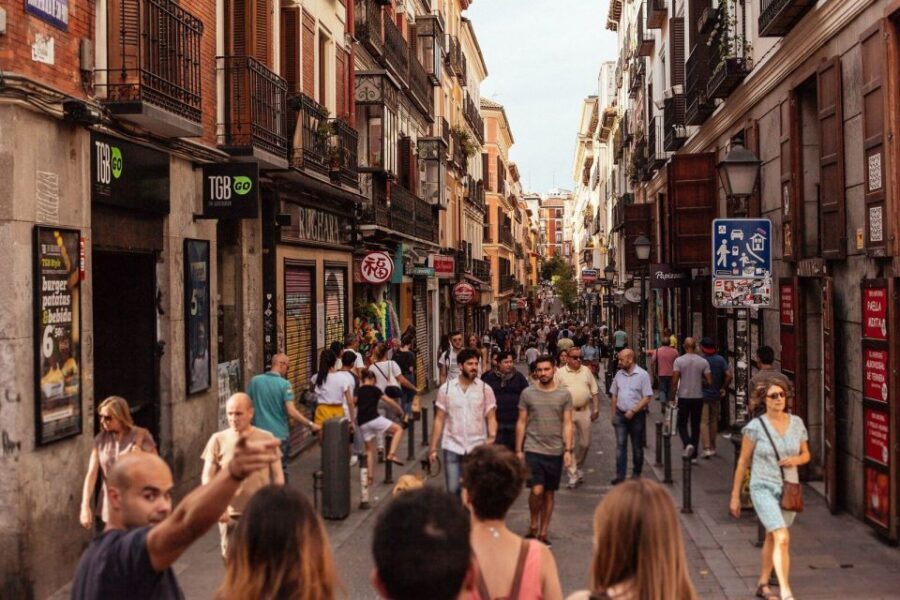
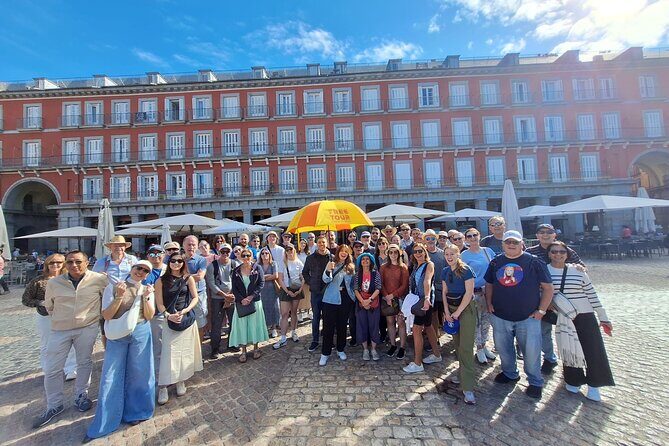
You’ll start at Plaza Mayor, in the Centro area, and finish around Plaza de la Armería (Pl. de la Armería, Centro, 28013 Madrid). The route is designed for a smooth, central-walk day: you’ll be on foot for roughly 2 hours 15 minutes total, with short stops that keep your attention on what you’re seeing.
Group size is capped (up to 30), which matters on this kind of tour. Small-enough groups help the guide control the flow and answer questions, without everyone turning into background noise. You’ll also get a mobile ticket, which makes it easy to keep one thing straight while you’re juggling Metro rides and museum tickets.
The biggest practical win: you generally don’t need to buy entry tickets for the stops. The tour is built around exterior viewing points and church/square contexts, so you can focus on interpretation instead of ticket lines and schedules. You do want comfortable shoes, because the walk is the point.
You can also read our reviews of more tours and experiences in Madrid.

Stop 1: Iglesia de Santa Cruz and the three monotheistic religions
The first stop is at Iglesia de Santa Cruz, where the story starts with the Inquisition’s relationship to the three monotheistic religions: Christianity, Islam, and Judaism. This is more than a “who believed what” intro. It frames the Inquisition as a system that didn’t just ask questions—it treated religious identity like evidence.
What I like about starting here is that it gives you a baseline before the tour turns to accusations. If you come in knowing only the vague idea of the Inquisition, this helps you understand the logic authorities claimed to follow: investigation and judgment tied to faith categories.
The timing is short (about 15 minutes), so the guide’s job is to set the scene quickly. If you’re the type who likes background first and details later, this is a good order.
Stop 2: Plaza de la Provincia and the executioner’s role in the process
Next up is Plaza de la Provincia, focused on the executioner and the Inquisition. This stop connects the investigation process to outcomes, which is crucial. It’s one thing to hear about courts and confessions; it’s another to understand that punishment had a dedicated human system attached to it.
Here, the tour explains the idea of investigation, plus torture and confessions as part of how cases were driven forward. That topic is grim, but the tour doesn’t treat it like abstract trivia. It helps you connect why certain locations and symbols mattered to the Inquisition’s public authority.
One practical tip: be ready for a more direct explanation at this stage. Early in the walk, your brain is still collecting information; by the time you hit the second stop, the guide shifts into how the mechanism worked.
Stop 3: Casa de la Carnicería and the trial-by-art storytelling
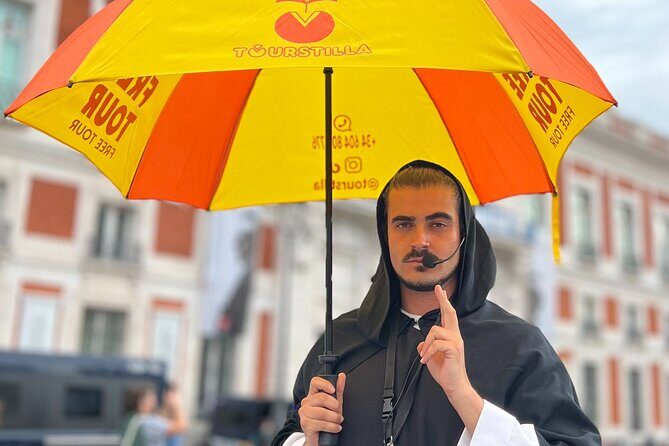
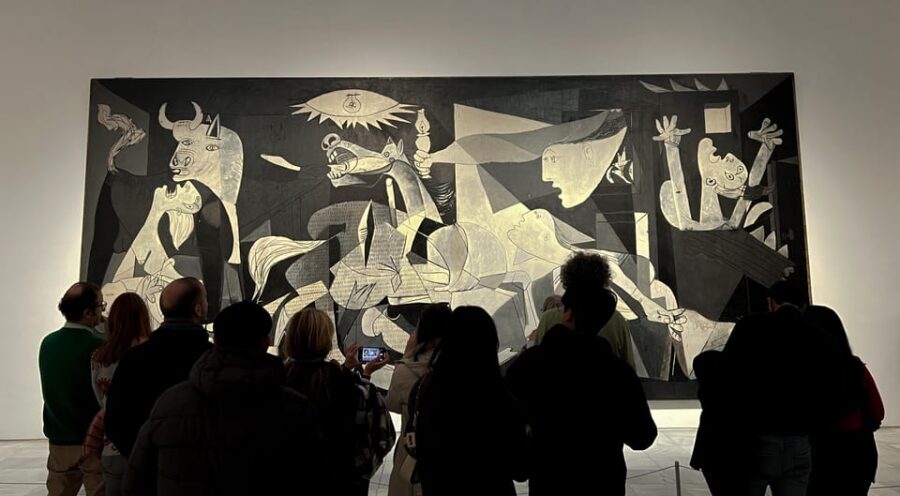
You’ll then reach Casa de la Carnicería, described as a kind of “cars of faith in Madrid” stop, tied to the big trial and the most famous painting. Even without buying an entrance ticket, this is the kind of location that lets the guide point to how ideas were spread and remembered.
This stop works because it links religion, power, and visual storytelling. When authorities and societies wanted people to understand events, they didn’t rely only on private records. They used public messaging—sometimes with powerful imagery.
The timing here is also about 15 minutes, which means you’ll get the meaning of the reference without getting stuck in art-history rabbit holes that slow the rest of the walk. If you love images and want a bit of cultural context, this stop gives you a bridge between street-level sites and wider memory.
Stop 4: Basilica de San Miguel, edicts, and how false allegations were framed
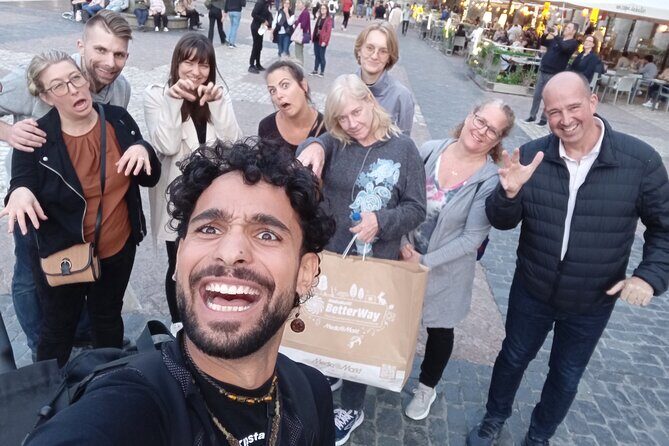
At Basilica de San Miguel, the tour becomes more explicitly about identification and accusation. You’ll hear about how to identify a false Jew and a false Moorish, plus the proclamation of edicts of faith and how false allegations were handled.
That’s a hard set of talking points, and the value here is that the guide explains the way authorities used language and claims of proof. The tour focuses on the structure of judgment—how a system converts suspicion into a formal narrative, and then into punishment.
This is also a good stop for asking yourself what you’re hearing and how it’s being framed. Even when you can’t verify the truth of centuries-old claims, you can understand the method: labels, proclamations, and public enforcement.
It’s about 15 minutes again, so the guide keeps it moving. If you find the topic overwhelming, this is the point where you might take a breath and step back a moment—just long enough to keep listening clearly.


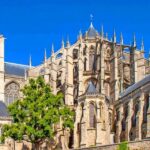

Stop 5: Casa Cisneros and the Cisneros vs Torquemada contrast
Then you’ll stop at Casa Cisneros, where the tour highlights historical characters—specifically Cisneros vs Torquemada. This part is useful because it adds human conflict and debate rather than keeping the story stuck at the level of institutions alone.
Why this matters: the Inquisition is often remembered as a single unstoppable machine. A comparison between major figures helps you see that the system existed in a larger political and religious environment with people who pushed, resisted, or shaped outcomes.
Stop time is about 10 minutes, so it’s more of a focused marker than a long lecture. Still, it gives you a name-based anchor for later thinking as the walk builds toward the Inquisition’s end.
Stop 6: Plaza de la Cruz Verde and the symbols of execution
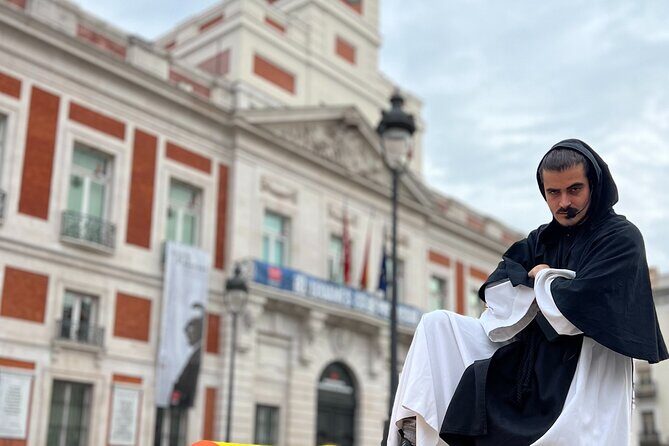
At Plaza de la Cruz Verde, the tour shifts fully into the symbols and mechanics of punishment. It’s described as a symbol of the Inquisition, including implementation details like the gallows, beheading, Garrote Vil, burning at the stake, and even a reference to Bruges in the explanation.
This stop is about more than listing methods. It shows how different forms of execution were part of a system that enforced authority publicly. You’ll hear how the Inquisition presented itself as judgment and justice, even when the content was coercive and lethal.
Because this stop runs about 20 minutes, it’s one of the longer stretches. Expect a careful pacing from the guide—enough time to connect the dots so you don’t just leave with a catalog of methods.
If you’re sensitive to graphic themes, this is the stop to take slowly. It’s also the stop where your earlier context (religion relationships, accusations, edicts) starts to click together.
Stop 7: Almudena Cathedral and the Vatican link, pardon, and final date
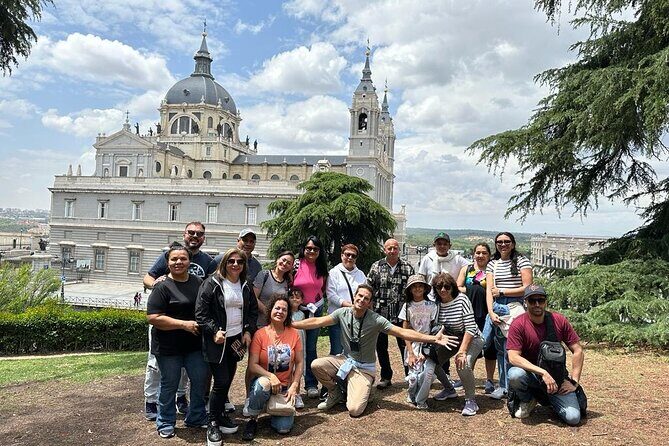
The tour moves to Catedral de Sta Maria la Real de la Almudena, a major spiritual landmark that the guide uses to talk about the Vatican Archives, John Paul II, and a pardon of the Catholic Church context. That’s an important tonal pivot: the story isn’t only about punishment; it also includes how later institutions handled the legacy.
You’ll also hear about the end of the Inquisition and whether there was a last execution—specifically noted as 1974, described as the last execution with Garrote Vil. That detail alone is worth the walk. It challenges the common assumption that the Inquisition was purely medieval history.
Then the guide connects what’s left behind: legacies of the Jews in Spain and legacies of Muslims in Spain. This is where the tour feels less like a grim history lecture and more like a Madrid reality check: even when institutions change, cultural footprints remain.
Expect about 20 minutes here. The pace usually slows a bit at the end of a tour, and this stop is often where the guide encourages reflection—quietly, not dramatically.
Stop 8: Plaza de la Armería and today’s religious conflicts
Your final stop is Plaza de la Armería, where the tour brings the conversation into the present. The theme is current religious conflicts, framed with questions like holy wars, plus a closing look at legacies and reflection.
I like ending this way because it avoids the trap of treating the Inquisition as a sealed-off past. You don’t have to agree with every modern comparison the guide makes. You just get prompted to notice patterns: how fear turns into accusation, and how institutions can label people to justify actions.
This part is about 20 minutes, which works well as a decompression after the execution content and institutional legacy. By the end, you’re not only carrying dates and methods—you’re thinking in cause-and-effect.
What makes the guides matter: Jackie and David Onion’s performance style
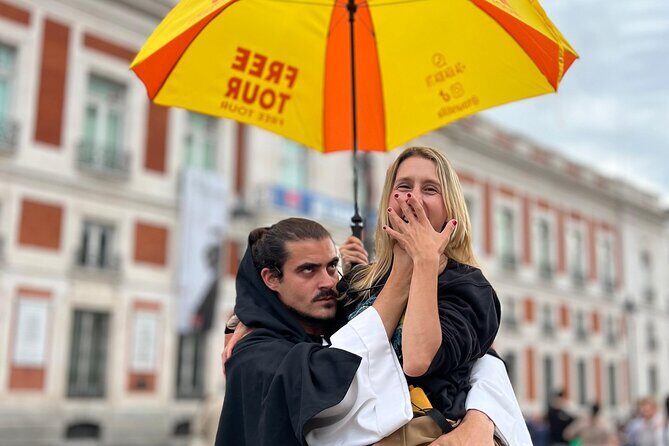
This tour lives or dies by the guide’s storytelling. In the best versions, you get a blend of clear explanation and stagecraft—enough drama to hold attention, but not so much that facts blur.
Two guide names that show up as standouts are Jackie and David Onion. One approach emphasized how easy and interesting the narrative becomes when the guide keeps the group engaged. Another emphasized dramatic talent that still stays organized, with an entertaining style that doesn’t leave you behind.
A key point for practical travelers: there’s no aggressive push for tips. One guide is described as tactful about explaining the usual procedure at the end, which is exactly how it should be. If you appreciate the effort, you can reward it without feeling pressured.
If you’re sensitive to tone—especially with violent subject matter—pick a time and guide slot where you expect stronger facilitation. The guide’s ability to keep you oriented is what makes a dark topic feel understandable instead of chaotic.
Value and who this tour is best for
The price is listed as $3.61 per group (up to 15). That’s a low entry cost for a two-plus-hour, guide-led walk with printed teaching materials and ongoing follow-up recommendations. Even if the cost seems almost too small, the value comes from time: you’re paying for someone to connect the dots between stops in a way you’d struggle to do alone while walking busy Madrid streets.
This is also the kind of tour that saves you research time. You get a guided narrative spine across religion, accusation, edicts, and executions, then you end with Vatican-era context and legacies. If you like to understand what you’re looking at—why certain buildings and squares matter—this tour is built for you.
Who should book:
- You enjoy walking tours with a strong storyline, not just photo stops
- You want a Madrid-specific take on the Inquisition and its legacy
- You like questions about identity, institutions, and how societies enforce conformity
Who might pass:
- If you avoid heavy topics (torture, executions, forced labeling), the content may be too much
- If you expect a light, casual tour, the themes are intentionally serious
One more thing to keep in mind: while the tour is built around solid logistics, there’s at least one reported case where a tour was canceled last minute due to availability, with no replacement. That doesn’t mean it will happen to you, but it’s smart to keep a backup activity idea for the day you schedule.
Should you book this Inquisition walking tour in Madrid?
I think it’s a strong pick if you want a structured, central Madrid experience focused on the Spanish Inquisition’s footprint—and you’re ready for the darker side of the story. The stops are timed well, the material supports understanding, and the ending makes you think beyond the medieval stereotype.
Book it if you enjoy history that’s tied to real places, not just names in a book. Skip it if you’re in a mood for simple sightseeing. This tour is more like a guided street-level thesis: why accusations happen, how they’re enforced, and what remains long after the institutions fall.
FAQ
How long is the Inquisition walking tour in Madrid?
It’s approximately 2 hours 15 minutes.
What does the tour cost?
The price is listed as $3.61 per group (up to 15).
Is the tour in English?
Yes, it’s offered in English.
Do I need to buy entry tickets for the sites?
No. The sites are described as admission ticket free / not required.
Where do I meet the guide and where does the tour end?
You start at Plaza Mayor (Centro, Madrid) and end at Plaza de la Armería (Pl. de la Armería, Centro, 28013 Madrid).
How large are the groups?
The maximum group size is 30 travelers.
What’s included in the tour price?
You get a local guide, plus printed material and teaching tools during the route, and a link to personalized recommendations for what to do in Madrid. You also get personalized attention from your guide after the tour.
Can I cancel for a full refund?
Yes. It offers free cancellation up to 24 hours in advance for a full refund.