REVIEW · TOLEDO
Toledo: Cathedral Tour with a Local Guide
Book on GetYourGuide →Operated by DE PASEO · Bookable on GetYourGuide
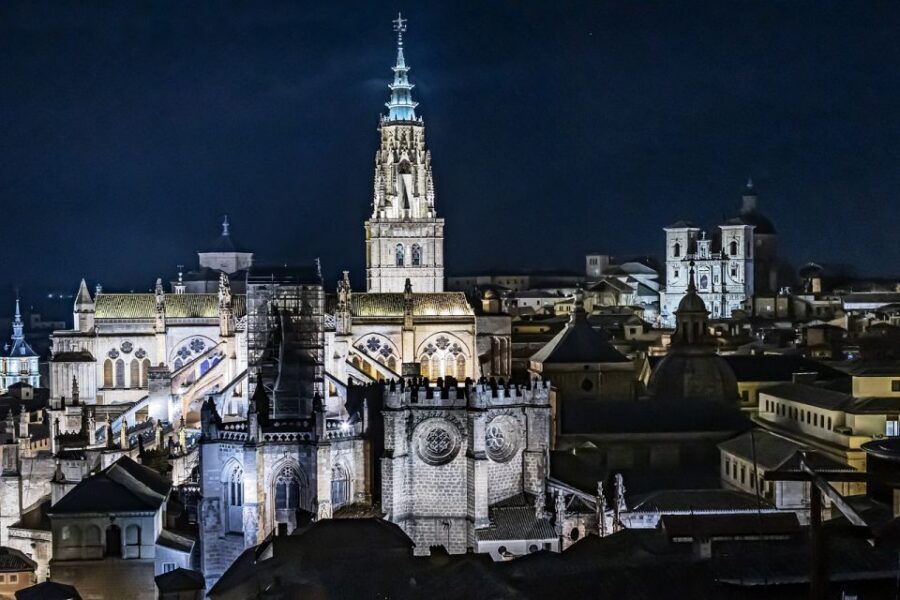
Toledo Cathedral feels like a carved storybook. This guided visit lets you see Spain’s big Gothic landmark up close, then connect it to centuries of faith and art—from the Sacred site before the cathedral to the masterpieces inside. I especially love the up-close wow factor of the Monstrance of Arfe, and I also love how the guide points out details you’d miss on your own, like El Transparente and the drama in the main altarpiece. One drawback: the pace can feel brisk, and if you’re far from the guide you might miss a few explanations.
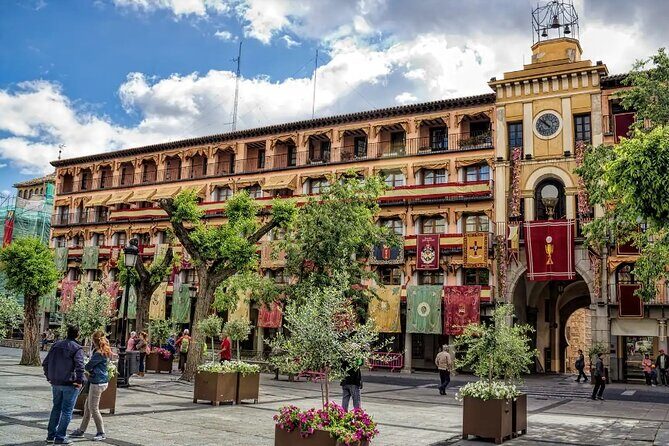
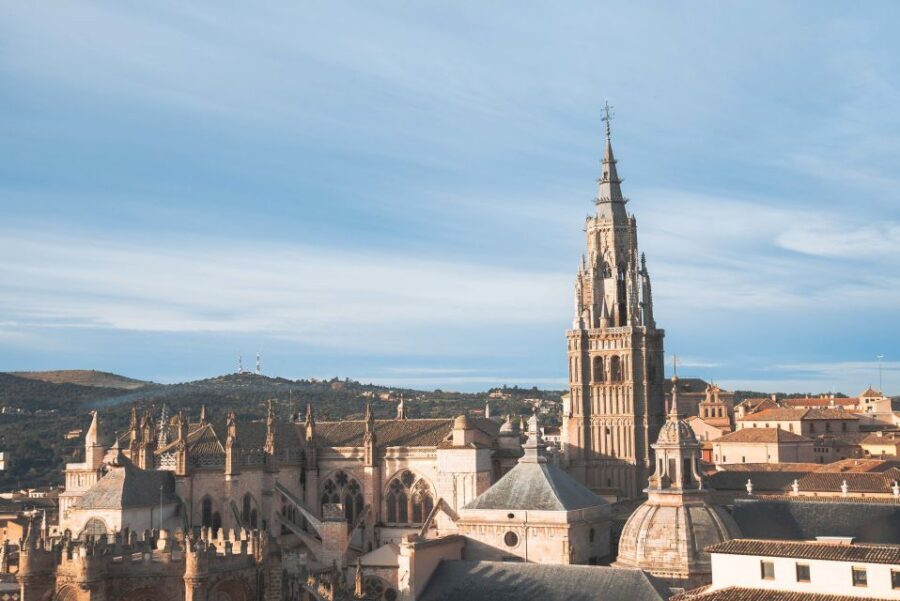
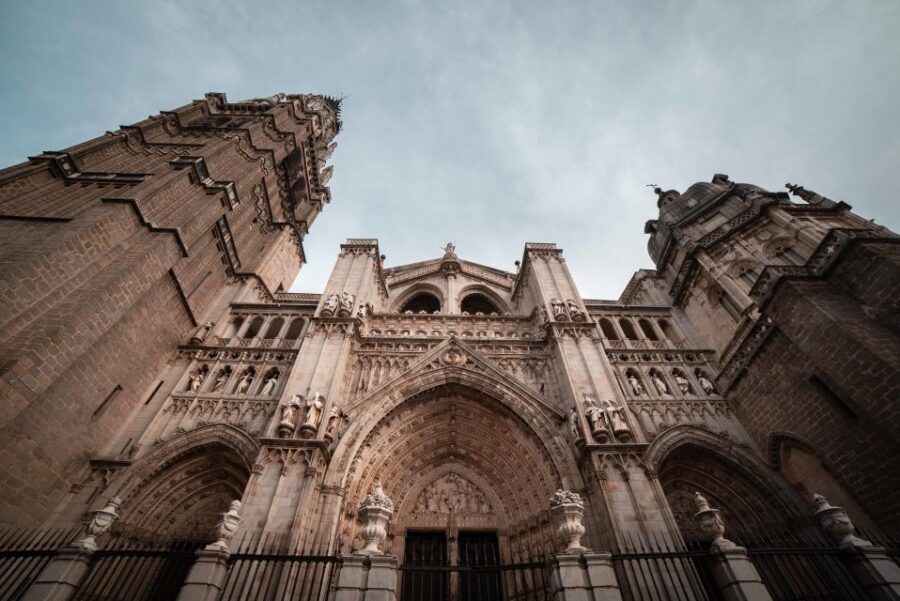
The experience starts outside, at City Hall Square, with a clear look at the cathedral’s western façade of Santa María de Toledo Cathedral. Then you step in and move through the naves like a guided “greatest hits” tour, with standout moments tied together by local storytelling. I’ve found that this kind of guide-led flow really matters in Toledo, where every corner seems to have a history hook—and hearing how the pieces fit saves time.
At $29 for a 1.5–2 hour visit, it’s a strong value if you want more than photos. The cathedral does have a dress code (shoulders and legs covered), and there’s no food allowed inside, so plan to keep it simple and comfy. Bring good shoes; you’ll be doing real walking on stone floors.
In This Review
- Key things that make this tour worth your time
- Entering Toledo Cathedral: From City Hall Square to First Awe
- The Gothic Inside: Naves, Vaults, and Stained Glass with a Plan
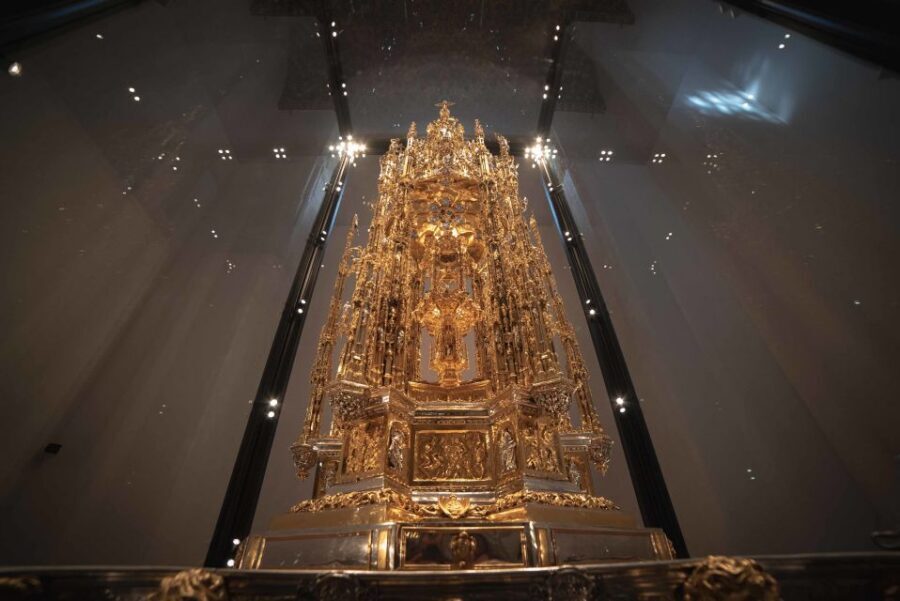
- The Chapel of the Treasure: Seeing the Monstrance of Arfe Close Up
- El Transparente: The Skylight That Changes the Mood
- The Main Altarpiece and Choir Stalls: Art with Stories Attached
- Great Masters Inside: How the Guide Connects the Art
- Timing, Pacing, and When the Tour Feels Tight
- Price and Value: Is $29 Actually Fair?
- Practical Tips for a Smoother Visit Inside the Cathedral
- Who This Tour Is Best For
- Should You Book This Toledo Cathedral Tour?
Key things that make this tour worth your time
- Skip the ticket line so you can get inside and start seeing right away
- Monstrance of Arfe in the Chapel of the Treasure, a 16th-century silver-and-gold masterpiece
- El Transparente (the “clear” skylight) that floods the interior with light and texture
- Main altarpiece with a life of Jesus narrative, plus pointed explanations on what you’re looking at
- Art across centuries, including works associated with El Greco, Velázquez, Goya, and Caravaggio
- Active cathedral sounds, since the pipe organs are still in use
Entering Toledo Cathedral: From City Hall Square to First Awe
I like tours that help you start with the right mindset, not just a list of rooms. This one begins at City Hall Square, where you can spot the western façade of Santa María de Toledo Cathedral before you ever cross the threshold. That first look is handy: once you’re inside, you can remember what you were facing outside and notice how the building’s design leads your eyes upward.
From there, the guide brings the cathedral’s scale into focus. Toledo’s cathedral isn’t tiny, and it can feel confusing if you go alone because the interior is packed with chapels and art. A guided route helps you move through the space efficiently, with stop-by-stop meaning instead of wandering.
If you’re traveling with mixed language needs, it’s also a practical win. Many guides in this series switch between Spanish and English, and I’ve seen comments from guests about smooth switching with guides like Rachel. You won’t have to choose one-language-only if your group includes both English and Spanish speakers.
You can also read our reviews of more guided tours in Toledo


The Gothic Inside: Naves, Vaults, and Stained Glass with a Plan
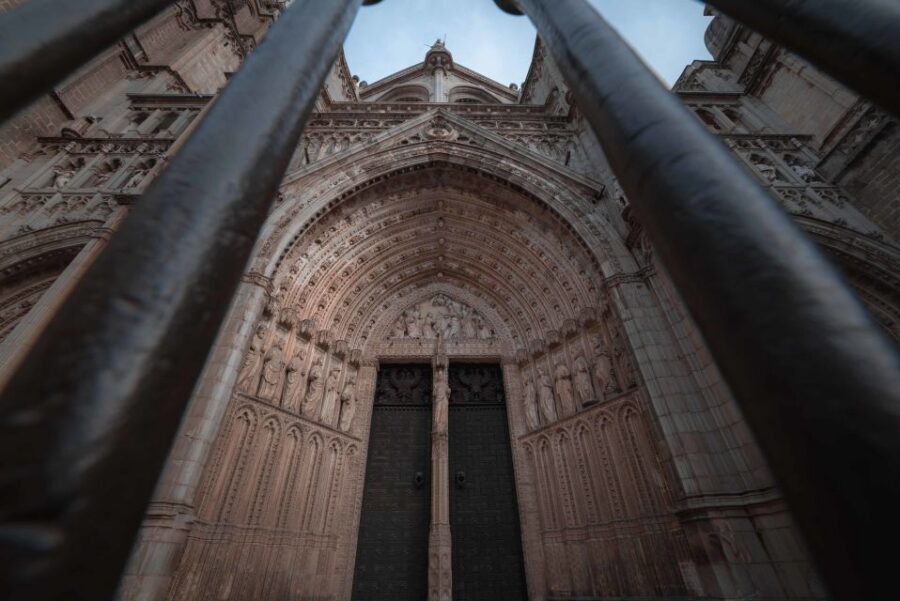
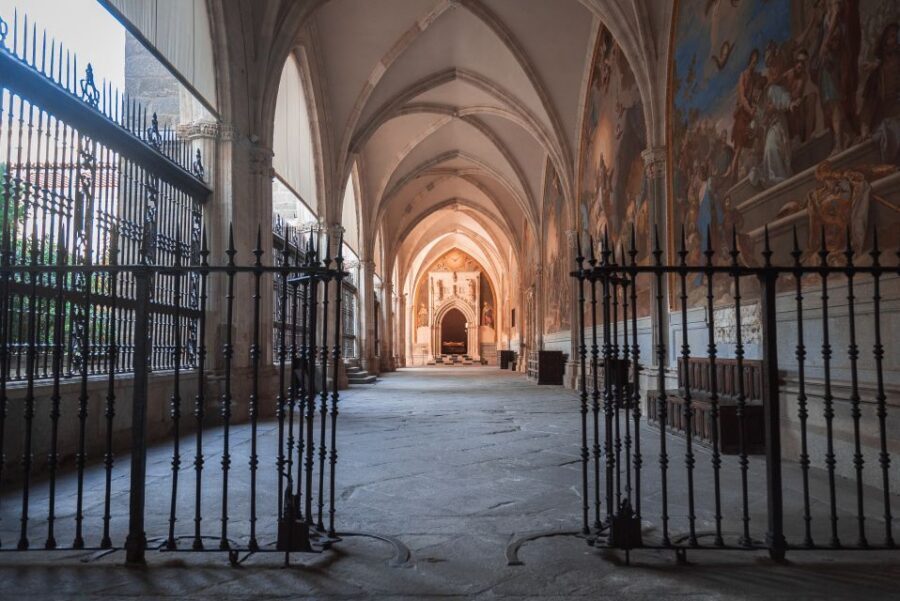
Inside, the tour is built around the cathedral’s biggest “why it matters” moments. You’ll see the soaring pointed arches, ribbed vaults, and stained-glass windows—hallmarks of Spain’s great Gothic architecture. The guide’s job is to make you notice structure, not just decoration.
This is where having a local guide really pays off. The cathedral is visually loud in a good way—there’s a lot to look at—but you can get lost in the details if no one frames them. With a guide, the “so what?” clicks: these are not random artworks placed inside a big church. They’re part of a single statement about sacred space, power, and devotion.
You’ll also learn that the site mattered long before this cathedral rose. The cathedral sits on layers of sacred use, reflecting centuries of spiritual importance. That context changes how you see the building. Instead of treating it like one snapshot in time, you start thinking in eras: what came before, what was built, what survived, and what was added later.
The Chapel of the Treasure: Seeing the Monstrance of Arfe Close Up
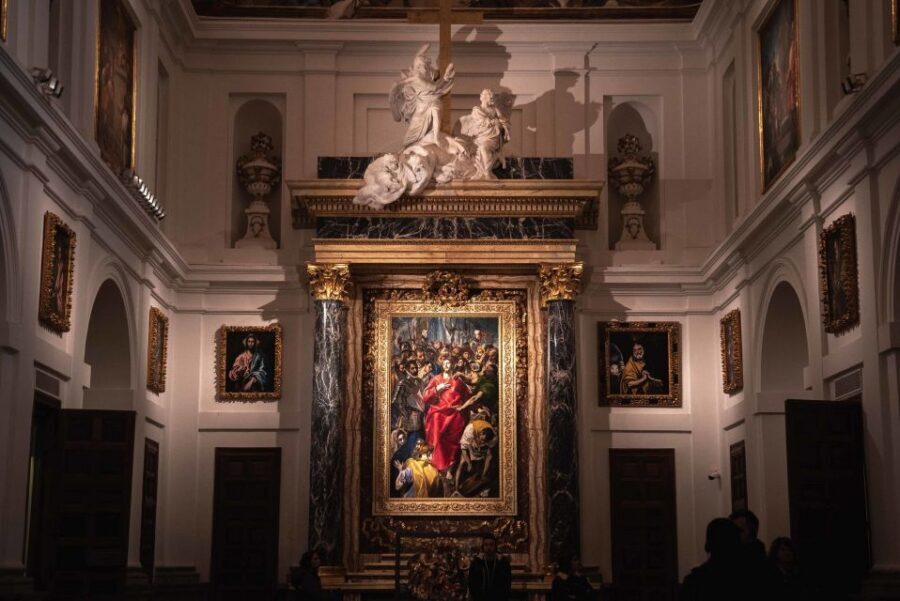
The stop that most people remember is the Chapel of the Treasure and its crown jewel: the Monstrance of Arfe. You’ll hear how extraordinary it is—an eye-catching 16th-century masterpiece made in silver and gold. Even if you don’t know religious objects well, the guide helps you understand why this one became famous.
Here’s the practical value of doing this as part of a tour: the monstrance is the kind of thing you might technically see on your own, but you might not fully grasp what you’re looking at. With a guide, you get the “how to read it” part—what elements mean, why it was made, and how it fits into the cathedral’s role as a spiritual center.
This is also a good moment to slow down. If you’ve been rushing through photos all morning, this chapel is the payoff: a controlled, guided look that gives you time to take in both the craftsmanship and the intention behind it.
El Transparente: The Skylight That Changes the Mood
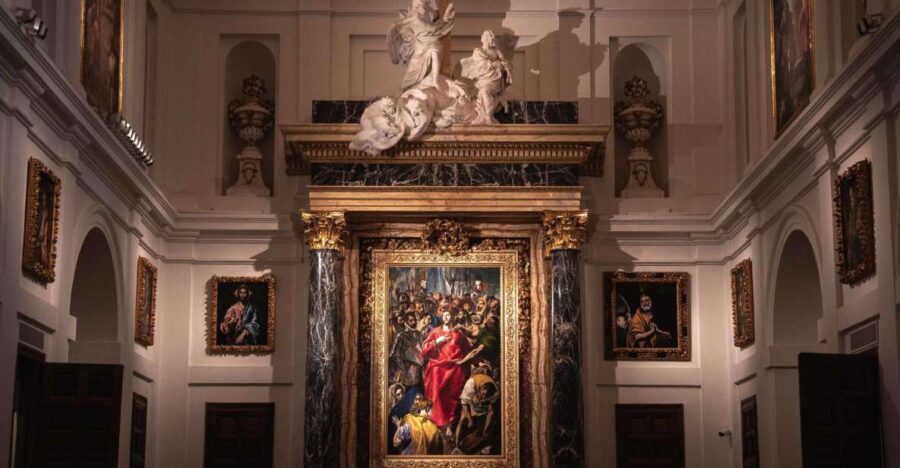
Then comes one of the most visually striking features in the whole visit: El Transparente. This unique skylight setup blends marble, bronze, and alabaster, creating a dramatic visual effect inside. The practical takeaway: light isn’t just lighting here. It’s part of the design language.
El Transparente is the kind of stop where you’ll understand why guides keep mentioning it. Without explanation, it can feel like another decorative highlight. With explanation, it becomes clearer how the cathedral uses light, shape, and materials to steer attention and create a sense of sacred presence.
You’ll likely notice the way the guide points out materials and how the structure draws your gaze. And that matters because Toledo Cathedral rewards looking up. You’re not just touring walls—you’re reading a vertical experience.
The Main Altarpiece and Choir Stalls: Art with Stories Attached
Next, you move to the main altarpiece, which narrates the life of Jesus. The tour is designed so you don’t just see carved panels—you understand the story thread and what the details are doing.
A good guide also handles the emotional tone. This cathedral doesn’t just hang art. It presents it as teaching and devotion. That comes through when the guide explains how the cathedral’s artwork connects to belief, tradition, and visual communication.
You’ll also hear fascinating stories tied to the choir stalls. These details can seem like furniture until someone explains why they’re significant. In a well-run tour, this is where your brain shifts from sightseeing to interpretation.
And yes, there’s another surprise: the cathedral’s immense pipe organs are still in use today. That tidbit turns the building from museum-like into living. Even if you don’t catch music during your exact visit, knowing the organs are actively used makes the space feel less frozen in time.



Great Masters Inside: How the Guide Connects the Art
One of the tour’s smartest features is the way it strings together major artwork names across eras. The cathedral includes works by renowned masters such as El Greco, Velázquez, Goya, and Caravaggio. Seeing names like these matters—until you see them in context.
With this guided route, you aren’t just walking past works hoping the labels make the meaning clear. You get a quick framework: what you’re looking at, why that artist’s style matters in this space, and how the cathedral functions as an art-holding place for major Spanish culture and beyond.
If you’ve got art lovers in your group, this is a good choice. The guide work seems aimed at giving you enough to appreciate what you see without turning the tour into a long lecture. People in the past have praised guides such as Ana Christina and Noelia for keeping the visit informative and fun, not dry.
One note: sound can be a factor. A small number of guests mentioned difficulty hearing at times, so if you want to catch every detail, try to position yourself where the guide’s voice carries.
Timing, Pacing, and When the Tour Feels Tight
The tour runs 1.5–2 hours. That range is realistic for a cathedral visit—there’s just too much to cover everything slowly. The best version of this tour is when the pace feels like a guided sprint through the key artworks, with enough time at each must-see point to actually see.
Still, pacing can vary by group flow and timing at the cathedral. One guest reported a shorter-than-expected experience, which is worth keeping in mind if you’re trying to line up another booking right after. If you’re schedule-tight, plan a buffer.
Also, the guide language can matter. Many guests liked that guides switch between English and Spanish, including examples like Raquel and Rachel. If you have hearing sensitivity, you’ll be better served by choosing the closest spot to the guide at the start.
Price and Value: Is $29 Actually Fair?
At $29 per person for a 1.5–2 hour guided visit, the value is strong if you want interpretation. What you’re paying for isn’t just entry—it’s the official guide plus the ticket, and the key effect is how much you learn per minute.
A cathedral this large can swallow hours. Without guidance, you might spend half your time trying to decide where to go next. With guidance, you get a structured path: exterior orientation, main Gothic space, Treasure Chapel and Monstrance of Arfe, El Transparente, then the altarpiece and major art stops.
If you’re the kind of traveler who likes museums but hates museum guesswork, this tour fits. It’s not the kind of visit that asks you to “figure it out.” It tells you what to notice and why.
That said, if you’re the type who prefers to wander slowly and you already know what you want to see inside, you might feel that a guided format is too fast. For that traveler, a self-guided visit could work. But for most people, the guided structure makes Toledo Cathedral feel way more rewarding per hour.
Practical Tips for a Smoother Visit Inside the Cathedral
A few things help you enjoy the tour more, and they’re easy to miss if you assume it’s just like any church visit.
Dress code: shoulders and legs covered. Bring a light layer if you’re traveling in warm weather.
Food rule: no food inside the cathedral. If you snack, do it before you go in.
Shoes: comfortable walking shoes are a must. Floors can be unforgiving, and you’ll be on your feet.
Hearing: if you’re worried about hearing, stand where the guide can reach you easily with eye contact and voice.
If you want to make the most of it, listen for the cues at each stop. The guide tends to explain specific artworks and architectural features as you move. Your attention will pay off most when you slow down briefly at the big “look here” moments like the Monstrance of Arfe and El Transparente.
Who This Tour Is Best For
This tour is ideal for you if:
- You want to see Toledo Cathedral’s big highlights without losing time figuring out the route
- Your group includes art fans who want context for major names like El Greco, Velázquez, Goya, and Caravaggio
- You like guided explanations tied to specific objects, not vague generalities
- You’re working with limited time in Toledo and want the cathedral’s best stops in about 2 hours
It’s also a good fit if you appreciate lively, friendly guide energy. Many guests singled out guide personalities—people praised guides like Jesus, Olga, and Juan Pedro (JuanPe) for combining humor, enthusiasm, and clear explanation.
If you prefer total silence and slow wandering, you might find the guided pace a little structured. But for most visitors, the structure is the point.
Should You Book This Toledo Cathedral Tour?
Yes—if you want the best of Toledo Cathedral in a focused window of time. For the money, you get an official guide, a ticket, and the kind of stop-by-stop framing that makes the Monstrance of Arfe, El Transparente, the choir stalls, and the main altarpiece feel connected instead of random.
Book it especially if you care about art and architecture and you’d rather spend your time understanding than just looking. If you’re sensitive to hearing, arrive early, stand near the front, and give yourself a little schedule cushion—so the tour tempo works for you, not against you.