REVIEW · MADRID
Madrid: Royal Collections Gallery Entry Ticket
Book on GetYourGuide →Operated by GetYourGuide Tours & Tickets GmbH · Bookable on GetYourGuide
Five centuries in one day.
That is the payoff at Madrid’s Royal Collections Gallery, just by the Royal Palace, where you work through art and monarchy storytelling across the centuries. I love the sweep of master artists like Velázquez and Goya, and I also like the way the museum uses modern media—especially the 360º cube—so the rooms feel like they teach as you walk. One thing to consider: your ticket does not include an audioguide, so if you like extra narration, you’ll want to rent one on-site.
What makes this visit feel practical is the flow. You start on the top floor and move down via ramps, with video context along the way, instead of getting stuck wandering hall-to-hall. It is also easy to plan because the museum is open long hours most days. And yes, the vibe comes across as family-friendly too—if you’re traveling with kids under 14, they must be with an adult.
If you want a museum that mixes famous artwork with how Spain’s royal building projects were made, this is a smart ticket for the price. At $21 per person, you’re paying for entry plus access to the temporary exhibition space, not just a quick peek at a few rooms.
In This Review
- Key things to know before you go
- Why the Royal Collections Gallery feels different from a normal art museum
- Getting there near the Royal Palace: transit options that actually work
- Your self-guided route: top floor ramps, video context, and where to slow down
- The collection highlights: what to focus on (Velázquez, Goya, and more)
- Interactive monument exhibits: models and video for El Escorial and La Granja
- The immersive cube: 360º projections you should plan around
- Temporary exhibitions: what “at the end” really means for your visit
- Timing, comfort, and what to pack for a smooth day
- Price and value: is $21 a fair deal?
- Should you book this Royal Collections Gallery entry ticket?
- FAQ
- How long do I have for my visit?
- Is the audioguide included?
- What are the museum opening hours?
- Where is it, and how do I get there?
- Are bags or luggage allowed inside?
- Is this ticket refundable?
Key things to know before you go
- Skip-the-line ticket: you can enter without standing in the main ticket queue.
- Start at the top, go downward: the whole experience is built around ramps and video wayfinding.
- No audioguide included: information is available, but plan for an audioguide rental if you want more depth.
- Light packing helps: no luggage or large bags; self-service lockers and cloakrooms are available.
- 360º projections are a highlight: don’t rush through the immersive cube stop.
- Plan for near closing time: you can access the museum until 45 minutes before it shuts.
Why the Royal Collections Gallery feels different from a normal art museum
Plenty of museums show paintings and call it a day. This one adds a second layer: you get to understand how royal power looked and worked, not only how it looked on canvas.
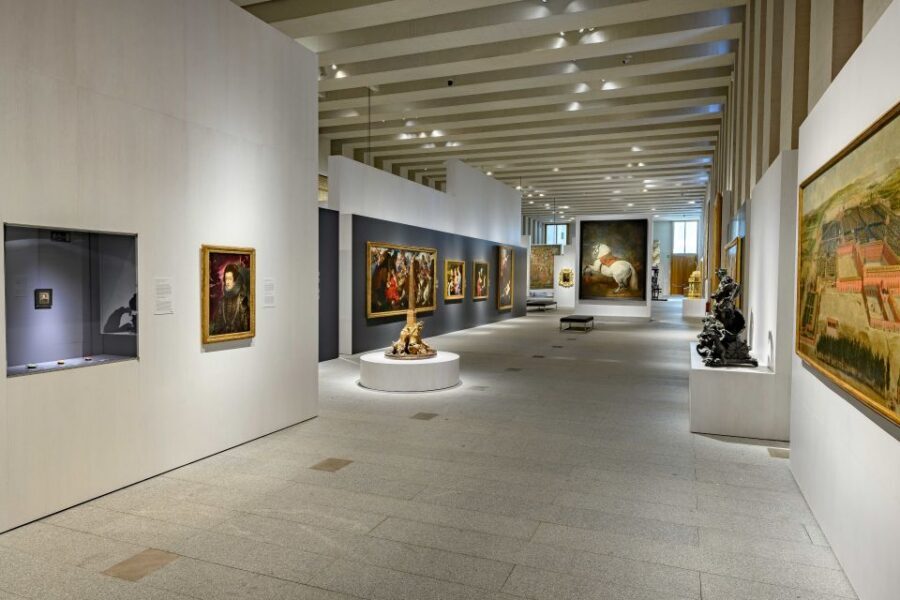
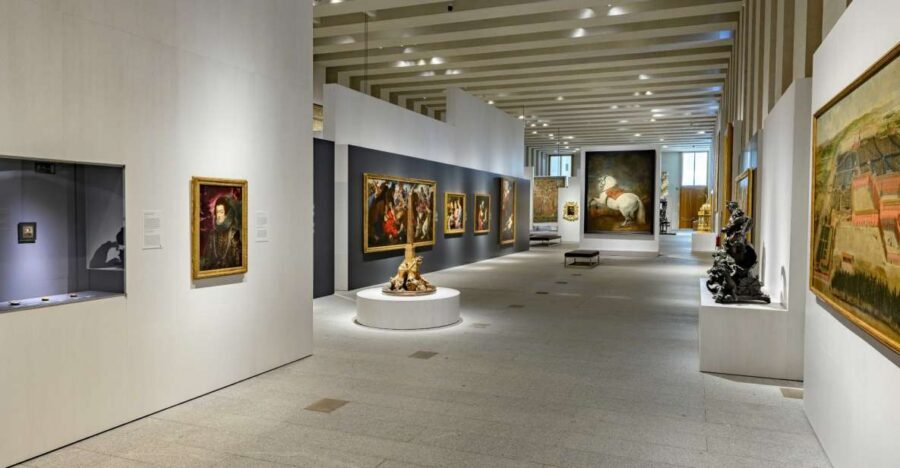
The museum houses a collection of 650 pieces spanning five centuries and including paintings, sculptures, tapestries, furniture, and decorative arts. That broad mix matters because royal collections were never only about fine paintings. They were about display, ceremony, everyday objects, and the visual language of monarchy—things you can feel in the variety of objects you’ll see.
Then the museum turns to building and design, which is where it becomes especially useful for first-timers in Madrid. You can learn about the construction process of major sites like the Monastery of El Escorial and the Palace of La Granja using videos, models, and didactic resources. If you’ve ever looked at a grand complex and wondered how it all came together, this is the part that helps you connect history to architecture.
And the praise makes sense: people highlight the experience as a true walk through Spanish history and the succession of monarchs. You’ll feel that structure in the way the museum guides you through the timeline rather than treating the rooms like a disconnected list of masterpieces.
You can also read our reviews of more tours and experiences in Madrid



Getting there near the Royal Palace: transit options that actually work
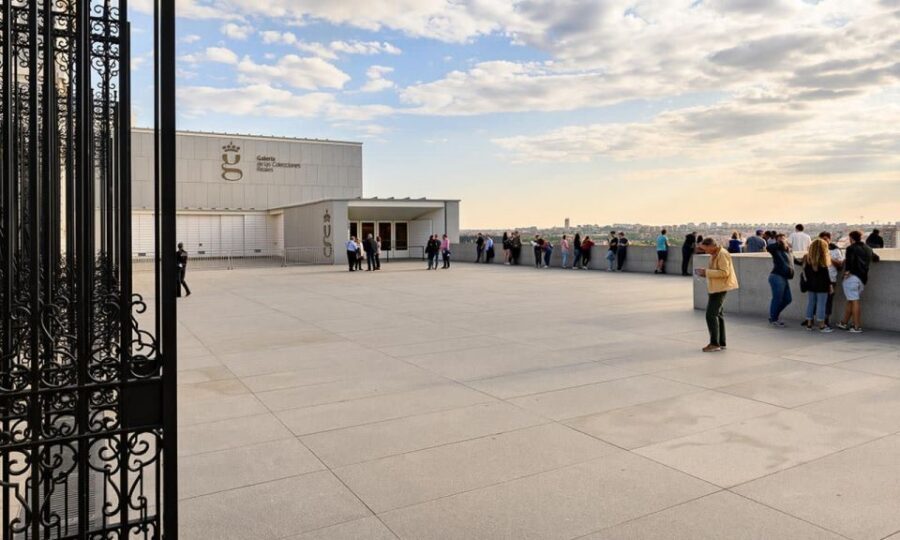
This gallery is located in the Community of Madrid, right next to the Royal Palace area. That makes it easy to pair with a half day or full day of royal sights.
For public transit, you’ve got multiple choices:
- Subway: lines 5 and 2, with Ópera station as the key stop
- Bus: lines 3, 25, 39, and 148
- Cercanías: Príncipe Pío Station
If you’re already in central Madrid, Ópera station is usually the easiest anchor point. The Royal Palace area also tends to be walkable once you’re off the metro, which helps if you’re trying to avoid stairs-heavy routes.
One small but real planning tip: since you can’t bring luggage or large bags, keep your route simple. If you’re coming from another museum with shopping bags, consider using lockers when you arrive rather than carrying everything through the entry flow.
Your self-guided route: top floor ramps, video context, and where to slow down
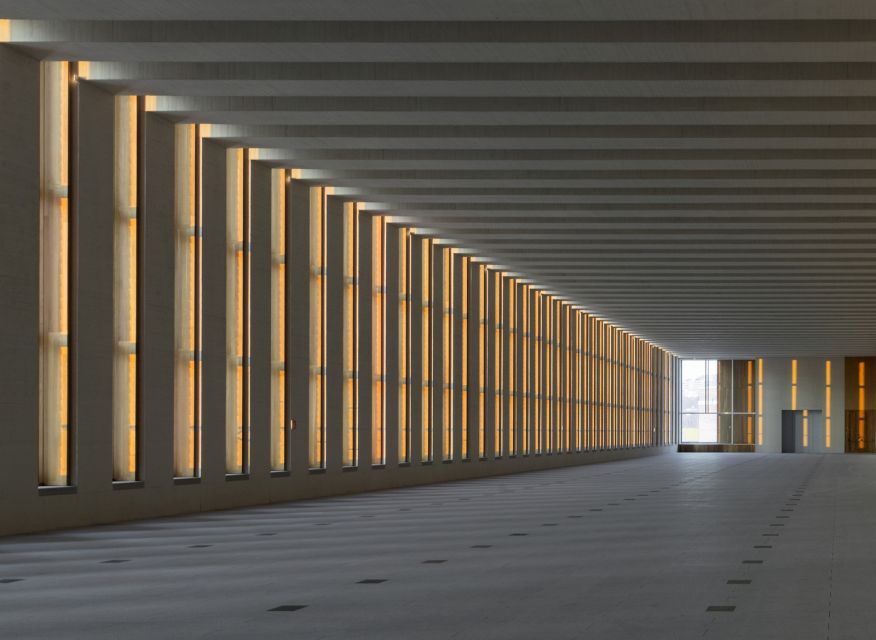
This museum is set up as a downward journey. You begin on the top floor, then continue down using ramps. Along the way, you’ll see different video segments that give you context. It’s not just decorative tech. The videos are there to help you place what you’re looking at—especially when the collection spans centuries.
As you move down, don’t treat it like a conveyor belt. The museum is designed so each segment builds on the last. A good pace is: pause longer than you think you need in the rooms tied to the strongest artists or the clearest royal story points, then speed up briefly through supporting displays.
After you’ve worked through the main galleries, you’ll encounter:
- a temporary exhibition room, and
- a large immersive cube with 360º projections.
That cube stop is the moment where the museum switches gears from objects to space. If you normally skip media rooms, don’t. This is one of the most memorable ways the museum brings royal sites to life without making you travel away from Madrid.
Finally, your visit ends in a spacious temporary exhibition gallery, where the museum hosts changing shows. Even if you came mainly for the permanent collection, it’s worth spending time here because it gives your brain a breather at the end, before you head to food or a quick shop stop.
The collection highlights: what to focus on (Velázquez, Goya, and more)

You’ll see a major cast of Spanish and European art, including works by:
- Velázquez
- Goya
- Caravaggio
- Titian
- Bosch
- Luisa Roldán
- El Greco
The value of seeing these names here is that the museum doesn’t present them as random famous faces. Because the collection covers multiple types of decorative objects and the broader monarchy story, you get a sense of how taste and power traveled through royal spaces.
If you’re a “pick three things and do them well” person, I’d aim your time like this:
- Spend real attention on the Spanish masters (Velázquez and Goya are the obvious anchors).
- Add one room that includes works by El Greco or Caravaggio, since they help show different styles inside the same royal context.
- Don’t ignore decorative arts and furniture displays. They can look small next to big paintings, but they often explain how the palaces were lived in and staged.
A practical note: the museum’s layout is based on your movement down through connected spaces, so if you miss a room, you might not notice until later. If you care about specific artists, keep an eye on signage so you don’t lose track while walking ramp to ramp.
Interactive monument exhibits: models and video for El Escorial and La Granja
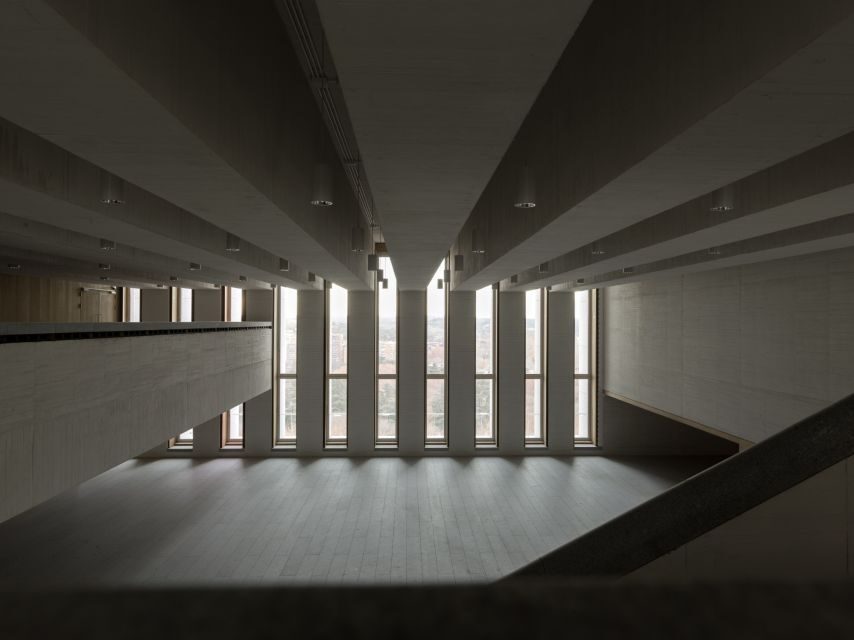
One of my favorite parts here is how the museum makes architecture understandable. You’re not just shown photos of grand buildings. You’re shown how construction happened, what was involved, and why these projects mattered.
For example, you can learn about the construction process of the Monastery of El Escorial and the Palace of La Granja through:
- videos
- models
- didactic resources
This section is especially good if you’re the type of traveler who likes to look at buildings and ask: how did they get that design, and how did they pull it off at the scale they did? It also works well if you’re traveling with someone who doesn’t want hours of only painting. The exhibits give them a different kind of interest.
The drawback is mostly about pacing: interactive-style rooms can slow you down, and you might feel like you want more time. If you’re on a tight schedule, try to do the monument exhibits before the cube. That way, you don’t end up tired and rushing the immersive part.
You can also read our reviews of more museum experiences in Madrid






The immersive cube: 360º projections you should plan around
The large immersive cube is where the museum uses technology to give you a “royal sites” perspective. You’ll get 360º projections of architectural and natural spaces connected to the Royal Sites.
This is a smart tool because it changes how you experience the connection between the art objects and the world they came from. In a regular gallery, you look at a painting. In the cube, you’re watching space—so your brain builds a mental map faster.
Practical way to enjoy it:
- Arrive with a clear minute-by-minute plan in your head. Don’t check your phone during the projection.
- If you like visuals, stay longer after it ends to re-orient yourself and then go back to nearby galleries with a new sense of what you just saw.
If you’re visiting with kids, this cube is often the part that keeps attention. And even if you’re not a “tech museum” person, the visuals here are tied to the royal sites theme, not just abstract digital art.
Temporary exhibitions: what “at the end” really means for your visit
Your visit doesn’t end when you finish the permanent collection. You’ll finish at a spacious temporary exhibition gallery, and that space hosts a variety of shows.
Why this matters: it keeps the museum from feeling like a single long sprint through one set of rooms. Once you’ve done paintings, objects, monument teaching, and the cube, your brain is ready for a change. Temporary exhibitions can be a lighter landing zone—something you can enjoy without needing to decode everything like a textbook.
This is also a great time to decide how you want to structure your day. If you came for the permanent collection only, you can treat the temporary section as a bonus. If you love art museums and enjoy variety, spend a bit more time here and let the show shape the mood of your last hour.
Timing, comfort, and what to pack for a smooth day
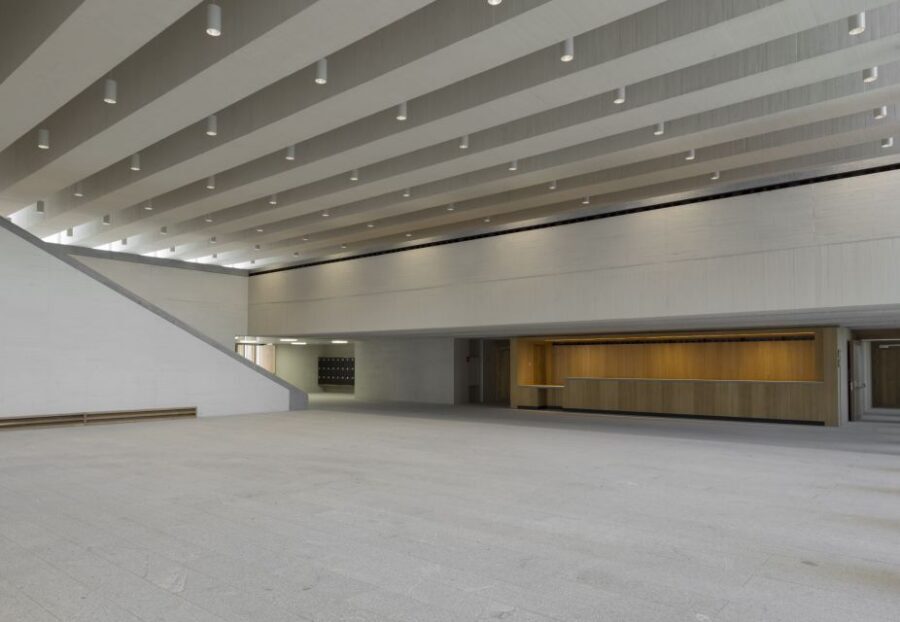
The museum is open:
- Monday to Saturday: 10:00 AM to 8:00 PM
- Sunday and holidays: 10:00 AM to 7:00 PM
Access is allowed until 45 minutes before closing, so don’t plan to arrive at the last possible minute unless you’re okay with a shortened route.
For comfort, you’ll find support facilities on-site, including:
- information services
- restrooms
- rest areas and folding chairs
- a nursing room
- self-service lockers and a cloakroom
- an audioguide rental option
- a shop and a café
What to bring is simple: a jacket is recommended. Madrid weather can shift quickly, and walking ramps plus climate-controlled rooms can feel colder than expected.
Rules you’ll want to know:
- No luggage or large bags
- Flash photography is not allowed
- Pets are not allowed, though assistance dogs are.
If you’re traveling light, great. If you aren’t, plan for lockers. The museum setup is built for visitors to handle bags without dragging everything around the galleries.
Price and value: is $21 a fair deal?
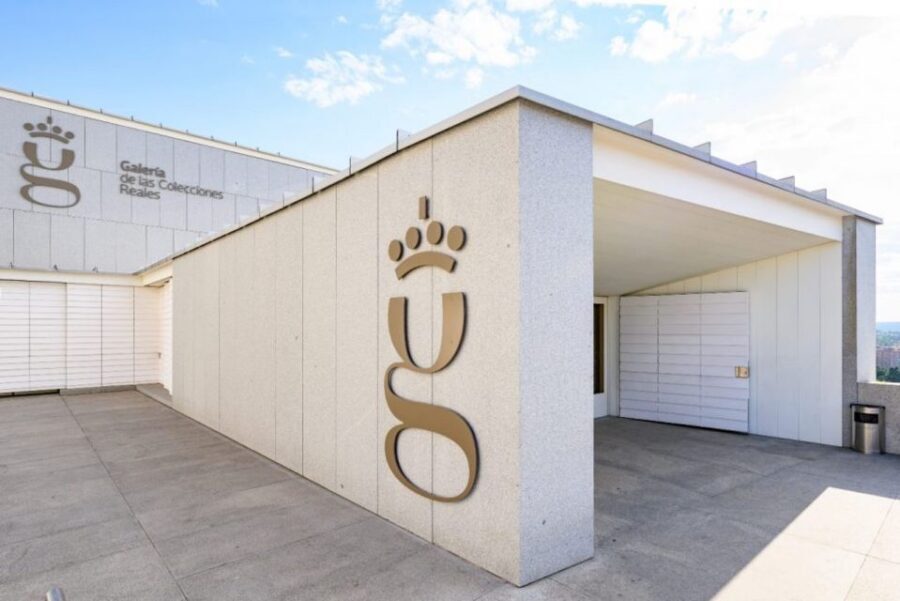
At about $21 per person, you’re paying for:
- entry to the Royal Collections Gallery
- access to the temporary exhibitions
- the benefit of skip-the-ticket-line entry
That’s the key value point: you’re not paying for just one small slice. You’re buying a full museum experience that covers art objects and royal-building context, plus the immersive cube.
This ticket is most worth it if you:
- like museums that explain context, not just display items
- want to connect Madrid’s royal sights to what those palaces and monuments involved
- enjoy a mix of art and multimedia presentation
If you prefer a very traditional museum where you read long captions and move room-to-room at your own pace with minimal tech, you might find the media components take a little getting used to. Also, since audioguides aren’t included, you’ll likely want to rent one if you’re the type who needs narration to fully enjoy artwork and historical setup.
Should you book this Royal Collections Gallery entry ticket?
Book it if you want one efficient stop in Madrid that ties together art, monarchy, and how royal monuments were built. The museum’s structure—starting top floor and moving down with video context—makes it easy to follow the story without feeling lost. Add in the 360º cube, plus the lineup of big-name artists, and it turns into a visit that feels both beautiful and instructive.
Skip it (or at least reconsider) if you’re mainly after a quiet art gallery experience and you don’t want any multimedia. Also, if you show up with luggage, you’ll need to work around the no-large-bags rule.
If you’re traveling in a pair or family, it’s a strong choice because it gives multiple entry points: famous paintings for art lovers, monument-building explanations for architecture fans, and the immersive cube for people who want something visual and active.
FAQ
How long do I have for my visit?
This ticket is valid for 1 day, and you can access the museum until 45 minutes before closing time.
Is the audioguide included?
No. The ticket does not include an audioguide, though audioguide rentals are available on-site.
What are the museum opening hours?
Monday to Saturday: 10:00 AM to 8:00 PM. Sunday and holidays: 10:00 AM to 7:00 PM.
Where is it, and how do I get there?
It’s next to the Royal Palace area. You can reach it via Ópera station (Subway lines 5 and 2), Príncipe Pío Station (Cercanías), and bus lines 3, 25, 39, and 148.
Are bags or luggage allowed inside?
No luggage or large bags are allowed. Self-service lockers and a cloakroom are available.
Is this ticket refundable?
No. This activity is non-refundable.