REVIEW · MADRID
Madrid: 10 Tapas 2.5-Hour Cooking Class
Book on GetYourGuide →Operated by A Punto Cooking School · Bookable on GetYourGuide
Ten tapas in one tidy Madrid evening.
This cooking class is a focused way to learn Spanish flavor by region, not just by recipe. You’ll make 10 small tapas across different corners of Spain, with chef guidance in a small-group kitchen, and finish by sitting down to eat what you cooked with Spanish sangría. You may run into chefs like Gustavo or Homer, who tend to keep the lesson lively while still organized.
I especially like the hands-on structure. You’re not standing around watching; you cook in teams of about 3–4 people, with step-by-step help when you need it. I also love the payoff: you get a full meal (plus sangría), and you leave with a souvenir apron and a copy of the recipes so you can repeat the results at home.
One heads-up: you won’t personally prepare all 10 tapas. Tasks are split, so if you really want to fully control every dish, plan to stay flexible and enjoy the teamwork. Also, while half the menu is vegetarian, the plates can’t be swapped to different options.
In This Review
- Key things to know before you go
- A Punto cooking school and your 2.5-hour tapas plan
- Finding the meeting point on Calle de la Farmacia (street level)
- What you’ll cook: 10 regional tapas, plus specific standouts
- How small groups of 3–4 work in a real kitchen
- The sangría meal: eating your work instead of rushing out
- Price and value: is $80 worth it in Madrid?
- Vegetarian option and restrictions: plan what you’ll get
- Who this Madrid tapas cooking class is best for
- Tips to get the most out of the 2.5 hours
- Should you book this Madrid tapas cooking class?
- FAQ
- What is included in the class?
- How long is the Madrid tapas cooking class?
- Is the cooking class taught in English?
- Do I need any cooking experience?
- Will I cook all 10 tapas by myself?
- Are vegetarian tapas available?
- Is wine included?
- Where exactly is the meeting point?
- Is the class suitable for children?
- Are audio recordings allowed during the class?
Key things to know before you go
- 10 regional tapas in 2.5 hours means lots of variety without a full day commitment
- Small groups of 3–4 keeps you active at the counter instead of watching
- Sangría included with the meal you make, so you’re not shopping around for drinks
- Take-home recipes and an apron turn the class into something you can cook again
- English instruction makes it easier to follow techniques and shortcuts
- No kids under 14 keeps the vibe adult and kitchen-focused
A Punto cooking school and your 2.5-hour tapas plan
This is a short evening class designed for maximum food and minimum fuss. In 2.5 hours, you’ll learn how to prepare typical tapas and produce 10 small dishes that represent different regions of Spain. That time pressure sounds intense, but the format works because the kitchen runs like a coordinated station setup.
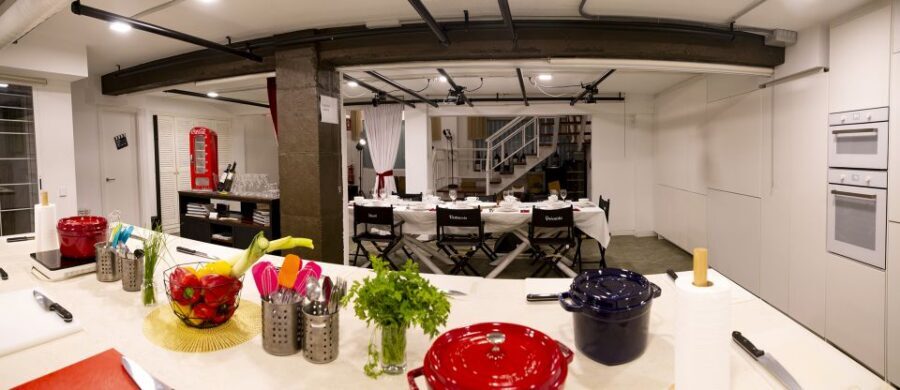
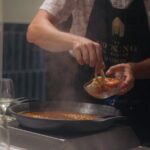
The class happens in a fully equipped kitchen, not a demo room. That matters because tapas are all about timing—breading, frying, toasting bread, mixing sauces—and you’ll want your hands close to the process rather than just receiving instructions.
Also, this is in English. Even if your Spanish is rusty, you can still understand the technique and the why behind each tapa.
You can also read our reviews of more cooking classes in Madrid
Finding the meeting point on Calle de la Farmacia (street level)
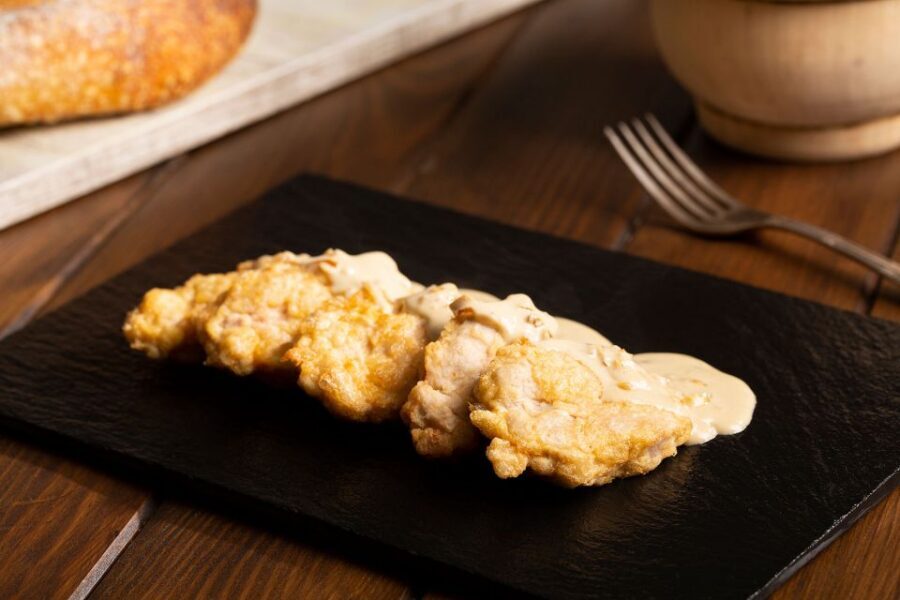
The meeting place is outside the shop at Calle de la Farmacia, 6, at street level. You meet at the shop entrance area, not inside the building.
If you’re arriving by foot, give yourself an extra couple minutes to spot the correct storefront. This is one of those “easy to miss if you’re hurrying” spots, especially when you’re scanning for a sign and the kitchen door isn’t the landmark.
What you’ll cook: 10 regional tapas, plus specific standouts
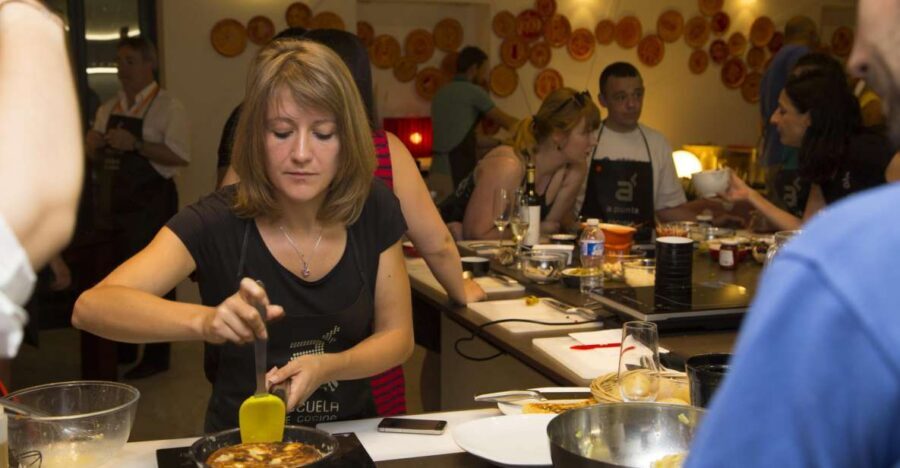
The headline promise is 10 tapas from across Spain, and the lesson is organized around traditional techniques and local ingredients. Think of it like a guided tasting through cooking methods: skewering, toasting, mixing, seasoning, and assembling.
Two dishes are specifically called out, and they’re great anchors for understanding regional differences:
- Gilda (Basque Country): pepper-and-anchovy skewers that show how salty, briny, and punchy tapas can be.
- Pan tumaca (Catalonia): tomato-rubbed bread, the kind of simple base that tastes like real Spanish pantry logic.
In addition, several classes you may see teach staples like how to make a proper Spanish omelette. That one’s worth learning because it’s deceptively technical: timing, texture, and seasoning can make it go from decent to genuinely Spanish.
What I like about this menu approach is that it doesn’t treat tapas like a theme park of snacks. It treats them like regional food logic: why tomatoes are handled a certain way, why anchovy matters, and how bread-based tapas stay crisp and flavorful.
How small groups of 3–4 work in a real kitchen
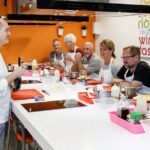
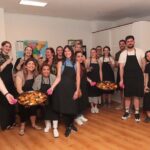
You’ll be cooking with others in small teams of about 3–4 people. Not everyone handles every dish by themselves, so the kitchen works through assigned tasks. This is a key detail for your expectations.
In practice, that means you’ll likely rotate through steps or repeat a component (like chopping, mixing, assembling, or handling a cooking station) while your teammates handle other tapas. It’s more social than a solo class, and it’s also more efficient than “everyone makes one whole tapa from start to finish.”
There’s a balance here. Some people want maximum personal control over every dish; the setup may feel split. But the upside is you get expert help during the steps that matter most, and you’re less likely to get stuck alone with something tricky.
If you’re the type who likes to learn by doing, this format is your friend. You’ll leave with muscle memory for common Spanish techniques, not just a list of names.
The sangría meal: eating your work instead of rushing out
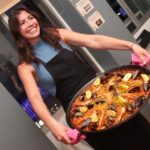
After the cooking, you sit down and enjoy the food you made with a glass of Spanish sangría. This is a big part of the value because tapas cooking teaches you skills, but eating confirms whether those skills worked.
It also changes the mood of the class. You’re not just learning recipes; you’re learning how Spanish tapas function as a meal rhythm—small plates, shared space, and that casual but intentional pace.
One more practical point: classes like this can end with a lot of food. The portions are meant to keep everyone satisfied after the group meal, so you may have more than enough to feel like you got a proper evening out, not just a snack workshop.
You can also read our reviews of more tours and experiences in Madrid
Price and value: is $80 worth it in Madrid?
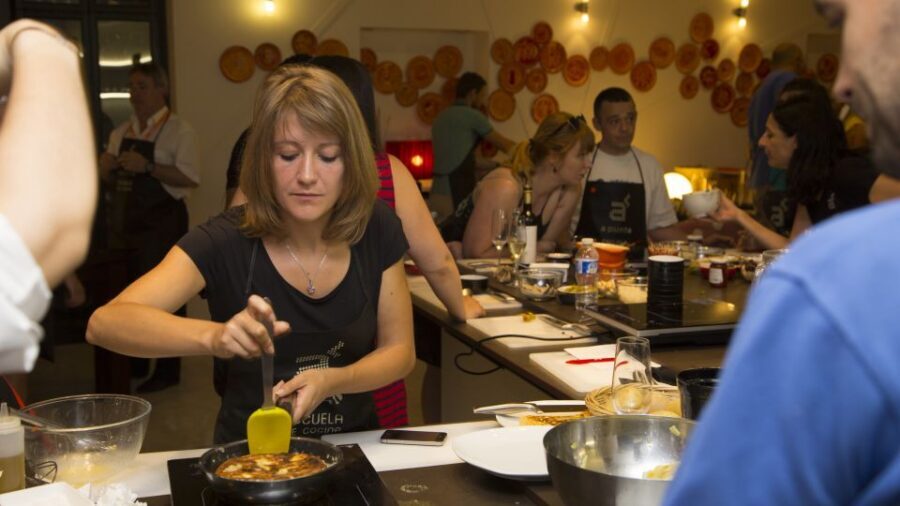
At about $80 per person for a 2.5-hour, chef-led class with a meal, sangría, and take-home recipes, the value is strongest for three types of travelers:
- Food-curious people who want real technique, not just eating out. You’re paying for hands-on practice and guided execution.
- Groups or couples who like social activities. You cook together, eat together, and you’ll meet other people in the class naturally.
- Anyone who wants a repeatable souvenir. The recipe copy and apron don’t replace the experience, but they do make it easier to recreate the food after your trip.
What’s not included matters too. Transportation and wine are not included. If you drink wine often, plan to buy it separately at the end of the class or for your pre/post dinner plans. But sangría is included, and the main cost is already tied to the chef instruction and meal.
Compared to a typical restaurant dinner, you’re paying for labor, instruction, and learning. Compared to many cooking classes, you’re also getting a complete meal with drinks and the recipe keepsake.
Vegetarian option and restrictions: plan what you’ll get
Good news: there is a vegetarian meal option. The menu is half vegetarian, which means you should expect at least some tapas that match vegetarian preferences.
But there’s an important limitation: the plates cannot be changed. In other words, the class won’t swap your specific plates for a different vegetarian arrangement if you ask after assignments are made. If you’re vegetarian, it’s smart to go in knowing that you’ll be served based on the set menu options.
You should also know the basic rules:
- No children under 14
- No smoking
- No audio recording
- No baby strollers or baby carriages
These rules keep the kitchen running smoothly and keep the class focused.
Who this Madrid tapas cooking class is best for
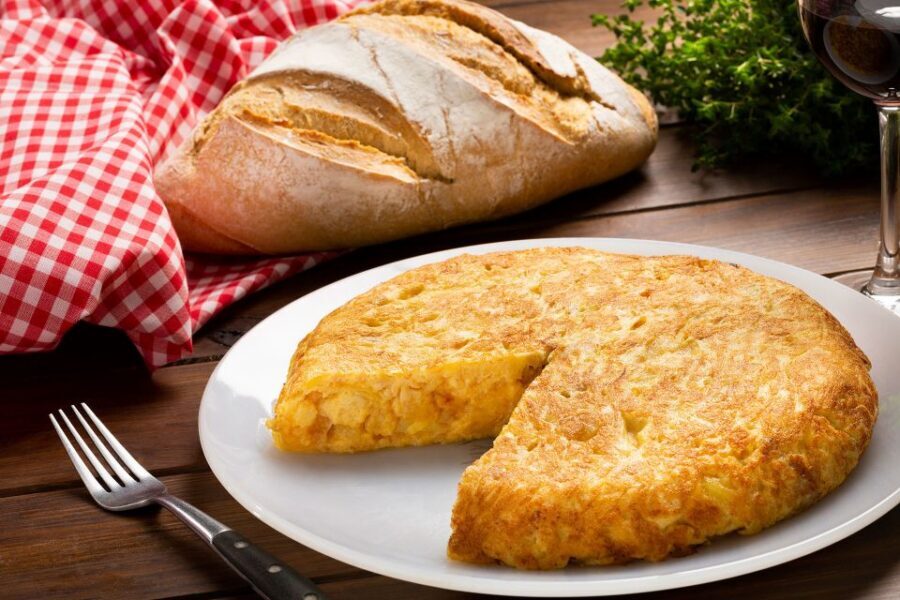
This class fits best if you want an authentic Madrid activity that still feels social and welcoming. I’d put it at the top of your list if you like:
- learning by cooking in a real kitchen
- meeting people while doing something structured
- taking home recipes you can actually use
You might want to think twice if your travel style is extremely individual and you need to be in complete control at every station. Since cooking is split among groups, you’ll be involved, but not necessarily in a solo fashion for every tapa.
It’s also a strong choice for solo travelers who want a built-in social moment. The class structure naturally mixes people at the counters, and the meal afterward gives you time to chat.
Tips to get the most out of the 2.5 hours
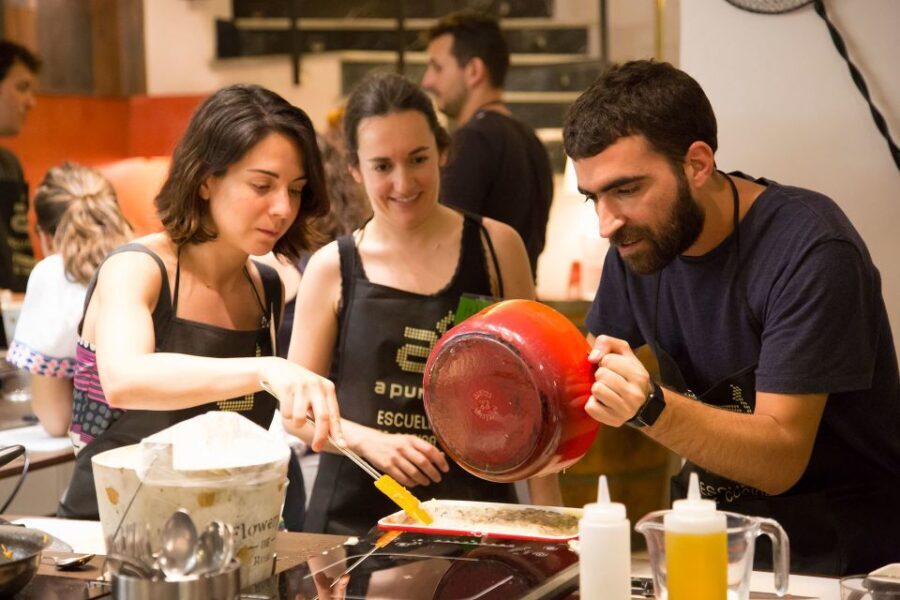
A few practical habits make classes like this smoother:
- Show up ready to work with your hands: tapas moves fast, and waiting around slows everyone down.
- Ask questions early. If something confuses you, bring it up before you switch tasks.
- Focus on technique, not just the final dish. The skills transfer to other recipes you’ll cook later.
- If you’re vegetarian, go in knowing the menu is half vegetarian, but your plates are set.
Also, remember there’s no wine included. If you want wine with dinner later, plan for that as part of your overall evening.
Should you book this Madrid tapas cooking class?
I think you should book if you want a chef-led, hands-on Madrid experience that teaches real Spanish tapas logic across regions. The combination of 10 tapas, English instruction, a sit-down meal with sangría, and take-home recipes makes it a rare deal in a city where dinner options are everywhere.
Skip it if you’re mainly seeking a casual food hangout with minimal cooking, or if you’re expecting to personally cook every single tapa start to finish. This class is built around teamwork, and that’s the point.
If your ideal day in Madrid includes learning something you can recreate at home, this is one of the most satisfying ways to spend an evening.
FAQ
What is included in the class?
The class includes the meal, Spanish sangría, and a souvenir apron plus a copy of the recipes you create.
How long is the Madrid tapas cooking class?
The duration is 2.5 hours.
Is the cooking class taught in English?
Yes, the instructor works in English.
Do I need any cooking experience?
No previous experience is required.
Will I cook all 10 tapas by myself?
No. You’ll work in small groups of about 3–4 people, so you won’t prepare every tapa alone.
Are vegetarian tapas available?
Yes. A vegetarian meal option is available because half of the menu is vegetarian, but the plates cannot be changed.
Is wine included?
No. Wine is not included.
Where exactly is the meeting point?
Meet outside the shop located at Calle de la Farmacia, 6. It’s street level, and you meet outside the building (not inside).
Is the class suitable for children?
No. Children under 14 are not allowed.
Are audio recordings allowed during the class?
No, audio recording is not allowed.