REVIEW · MADRID
6 Day Wine and Gastronomy Tour of Northern Spain
Book on Viator →Bookable on Viator
This 6-day private route across northern Spain and the Basque coast is built around real winemakers and very eatable cities. You start with pickup from Madrid, move through Ribera del Duero and Rioja (with classic vs modern styles), then shift to San Sebastián for a walking day by the sea. Finally, you cross into the French Basque coastline, then end in Bilbao with the big cultural stop.
What I like most is that the days aren’t just tasting rooms on repeat. You get guided vineyard visits with tastings, plus city time in historic places like Aranda del Duero and old-town neighborhoods where food and architecture are the main event. I also like the pace of small-group touring: maximum 8 travelers, plus private transportation with A/C and pick-up/drop-off in different cities so you spend less time herding yourself from place to place.
One consideration: the tour is concentrated. You’ll be on the move for a full 6 days, and a couple of stops involve notable walking (including a big staircase for San Juan de Gaztelugatxe). If you want a slow vacation with lots of free afternoons, this may feel packed.
In This Review
- Key Highlights Worth Noting
- Why This Route Works: Wine + Food + Coast, Not Random Stops
- Price and Value: What $2,387.46 Really Buys
- Day 1 in Ribera del Duero: Winemakers, Aranda, and an Underground Winery
- Day 2 in Rioja Alta (Rioja Alta): Estate Wineries and the Classic vs Modern Split
- Day 3 in Rioja Alavesa: Chateau Vines, Avant-Garde Architecture, and Modern Tastings
- Day 4 to San Sebastián: A Sea-Front City Walk Made for Foodies
- Day 5 Across the French Basque Coast: Biarritz Glamour to Hondarribia Old Town
- Day 6 on the Cantabrian Coast to Bilbao: Bermeo Fishing Life, Gaztelugatxe Steps, and the Guggenheim
- What Private Guides and A/C Van Mean for Your Comfort
- How to Get the Most From Wine Tastings (Without Wrecking Your Day)
- Who Should Book This Tour (and Who Should Think Twice)
- Should You Book This 6-Day Northern Spain Wine and Gastronomy Tour?
- FAQ
- What cities does the tour start from and end in?
- How long is the tour?
- Is pickup included?
- Do I need to arrange winery admissions and museum tickets?
- Are hotels and meals included?
- What’s the group size limit?
- What’s the cancellation window for a full refund?
Key Highlights Worth Noting
Boutique, winemaker-led wine tastings in Ribera del Duero
Rioja style contrast: Classic Rioja vs Modern Rioja
Chateau-style vineyards plus an architectural avant-garde winery
Basque coast day trips with San Sebastián, Biarritz, Saint-Jean-de-Luz, and Hondarribia
End with Bilbao’s Guggenheim Museum (admission included)
Small group cap of 8 with private, A/C transportation
Why This Route Works: Wine + Food + Coast, Not Random Stops
This kind of itinerary works best when it matches how the regions actually live. Northern Spain isn’t one-note wine country. In Ribera del Duero and Rioja, the vineyards shape the day. In San Sebastián, food and street energy take over. On the French Basque coast, old-world markets and seaside town rhythm fill the gaps between sightseeing. Then Bilbao gives you a modern reset with one of Spain’s most famous museums.
You also get a helpful “through-line”: wine isn’t a standalone activity here. It’s tied to the people and the landscape details you can’t easily get on your own—altitude and weather for Ribera del Duero, control-board requirements for Rioja, and the way oak aging changed what Rioja became.
Another smart piece for your enjoyment: this is designed as a private multi-day tour for you (and your group). That means the guide can pace each day based on how you’re doing, not based on some fixed bus schedule.
You can also read our reviews of more wine tours in Madrid


Price and Value: What $2,387.46 Really Buys
At $2,387.46 per person for about 6 days, this is not a budget pick. The value is in how much is bundled and how much is specialized:
- Private transportation with A/C and coordinated pick-up/drop-off in multiple cities
- Expert guides each day (not just a general driver + audio guide)
- Guided vineyard visits with wine tastings in Rioja and Ribera del Duero
- Several admissions included, including major sights like the Guggenheim Museum Bilbao and San Juan de Gaztelugatxe
If you price this out yourself—renting cars, paying for separate guides for each region, and lining up winery visits—this package can start to look more reasonable. The other angle is time. You’re saving the hassle of figuring out which wineries will actually let you visit with a guided explanation, and which days will line up with driving logistics.
Where the price might feel heavy: you’re paying for structure, transport, and guided tastings. If you’re the kind of traveler who wants to pick your own bars for every meal and skip formal tastings, you’ll get less value from the guided parts.
Day 1 in Ribera del Duero: Winemakers, Aranda, and an Underground Winery
Your day begins with pickup in Madrid with luggage. That’s a small detail, but it matters. It keeps the tour from starting like a day trip and turning into a travel hassle.
In Ribera del Duero, you start at a small boutique family winery where the winemaker explains how the land shapes the wine. Expect real focus on what makes this region distinctive—things like altitude, weather, and grapes (the tour specifically calls out those factors). Then you move into guided tastings led by the people behind the wines, from field choices to what ends up in the bottle.
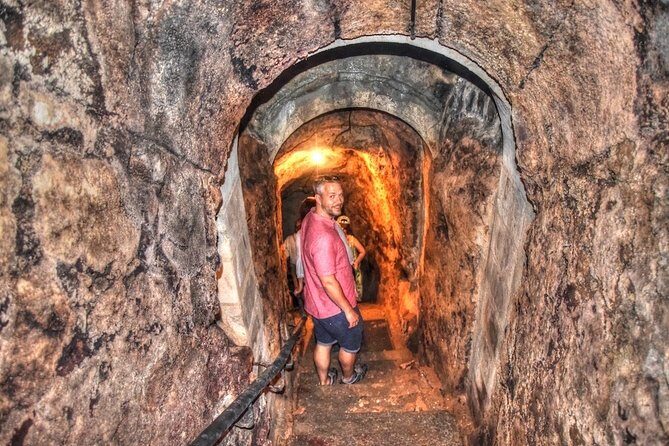
After that, you head to Aranda del Duero, a Castilian city with more than 1,000 years of history. The payoff here is the switch from grape talk to place talk. You’ll visit an underground winery in the old town, which is a very different setting from the bright outdoors of the vineyards—cooler, quieter, and built for aging and craft.
Practical consideration: underground stops tend to mean uneven footing and more sensory contrast (cool air after open countryside). Comfortable shoes help, especially if you’re the type who gets cold easily.
Day 2 in Rioja Alta (Rioja Alta): Estate Wineries and the Classic vs Modern Split
Rioja can feel like a single brand until you spend time hearing how styles differ. This day is built to show you that shift.
You start at a special Estate Winery—the tour emphasizes that there are only a few of this type in Rioja. The winemaker explains the estate approach and how the Rioja Control Board requirements shape what ends up in your glass. Then you taste different styles, with a direct comparison between Classic Rioja and Modern Rioja.
That pairing is smart. It helps you stop guessing. Instead of thinking Rioja is one flavor profile, you learn how choices in time, aging, and approach change the results.
Next comes a centennial winery from the 19th century—over 100 years old. The point isn’t nostalgia. It’s how production evolved at the end of the 19th century, when producers leaned into oak barrels. That’s where names like Crianza and Reserva fit into the bigger story.
If you love wine history as it affects what you taste, this day is a strong match. If you prefer purely contemporary tasting without the regulatory background, you’ll still get enough practical contrast to enjoy it.
Day 3 in Rioja Alavesa: Chateau Vines, Avant-Garde Architecture, and Modern Tastings
Rioja Alavesa gives you two very different winery experiences in one day, which is a good way to keep it from feeling repetitive.
First is a chateau-style winery surrounded by vineyards, with one of the best views in Rioja (as described on the tour). This is the “outside first” stop: you’ll enjoy being outdoors, learning the winery’s history, then tasting its wines. That combo works well if you like scenic settings, but you also want actual explanations rather than just photos.
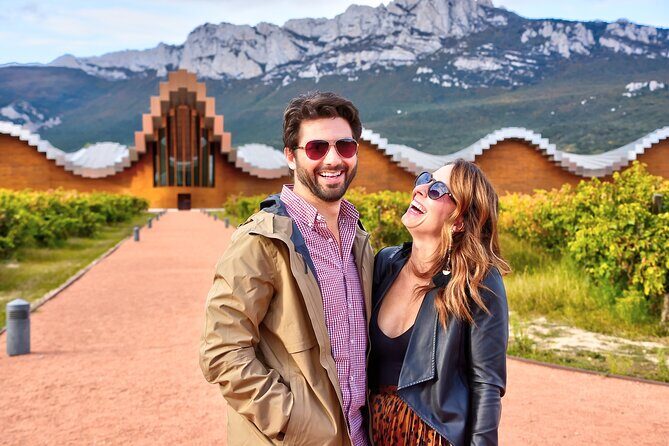
Then you shift into the 21st-century vibe with one of Rioja’s avant-garde wineries, designed by a famous architect. The tour specifically points to the design as a major feature of the visit. If you’re a building-and-design nerd, you’ll appreciate how they treat the winery as both production site and modern landmark.
Taste time follows, and this day is where you can start noticing how environment and design influence the way you experience the wines. You’re not tasting the same thing in the same room. That difference adds up.
You can also read our reviews of more tours and experiences in Madrid


Day 4 to San Sebastián: A Sea-Front City Walk Made for Foodies
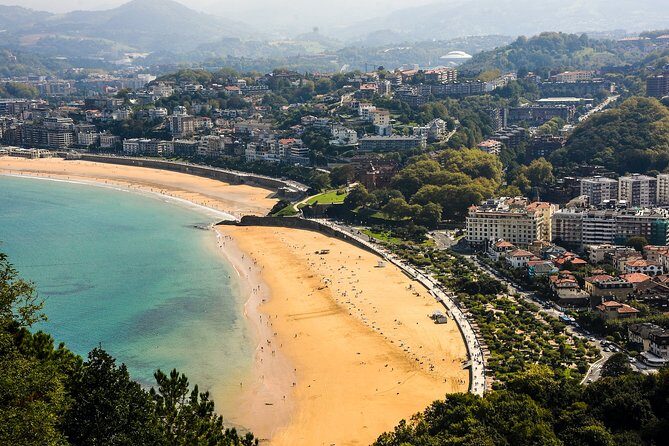
On day 4, you travel from Rioja to San Sebastián (Donosti) with luggage. That move matters because it sets up the next part of your trip: you’re switching from wine-country pacing to coastal city pacing.
Your guided walking tour shows the main areas and includes panoramic viewpoints. It also aims for balance: the “famous” spots plus the smaller, less obvious parts of the city. San Sebastián’s reputation comes from its setting—Bay of Biscay water views like La Concha—and its mix of Spanish and French architectural influence.
The tour also ties the city to a specific slice of Spanish history through Queen Isabel II, and that context helps you understand why the city developed its particular identity.
Practical tip: walking tours in coastal cities can mean wind. Bring a light layer even in warmer months, and plan to get your feet used to curbs and slopes.
This is the day that sets up your best eating energy. Even if you don’t do a guided meal, having the city map in your head makes it much easier to wander into great pintxos zones and not waste time.
Day 5 Across the French Basque Coast: Biarritz Glamour to Hondarribia Old Town
Day 5 is your cross-border taste of the Basque coastline, and it’s structured like a mini road trip with four distinct towns and a viewpoint stop.
Biarritz starts the day. You’ll see why it became a luxury destination after its earlier whaling-village roots. The tour mentions the beach area called la grande plage and the Art Déco Casino, both of which give you quick visual proof of the city’s glamorous 1920s–1930s identity.
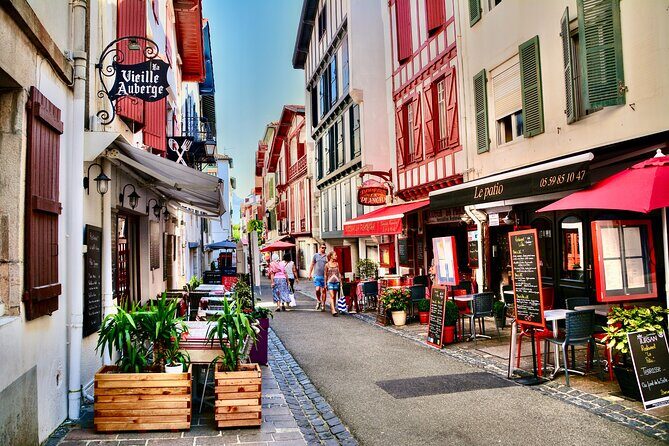
Then you move to Saint-Jean-de-Luz, a fishing town with an authenticity focus and historic links—most notably Louis XIV’s marriage to Maria Teresa of Austria. You’ll walk through old streets, see the town-food market setting, and get local conversation through the guide’s on-the-ground perspective.
Next is Hondarribia, right on the border. The old town is the star: walled medieval streets, entry through the gate of Santa Maria, and a focus on narrow lanes and local gathering spots. The tour also calls out a food angle: the fishermen’s quarter is the kind of place where seafood and pintxos options feel immediate, not staged for tourists.
Finally, you drive through Jaizkibel Mountain, stopping at a high point for panoramic coastline views. This is the best “stand still and look” moment of the day. You can stop for photos, feel the sea air, and keep the day from becoming one long town-to-town sprint.
One consideration: this is a full day with multiple stops. Wear shoes you can trust. You’ll want them for walking and for any time you choose to climb viewpoints.
Day 6 on the Cantabrian Coast to Bilbao: Bermeo Fishing Life, Gaztelugatxe Steps, and the Guggenheim
Day 6 begins with pickup in San Sebastián and ends in Bilbao, with a drop-off back at your desired place in the city.
You take a coastal route first, with a stop in Bermeo, described as one of Spain’s oldest and most beautiful fishing villages. You’ll learn about the fishermen and their reputation for whale hunting, then walk through the port and streets with colorful facades. It’s a “watch how locals live” kind of stop, and it adds realism after the luxury stops across the border.
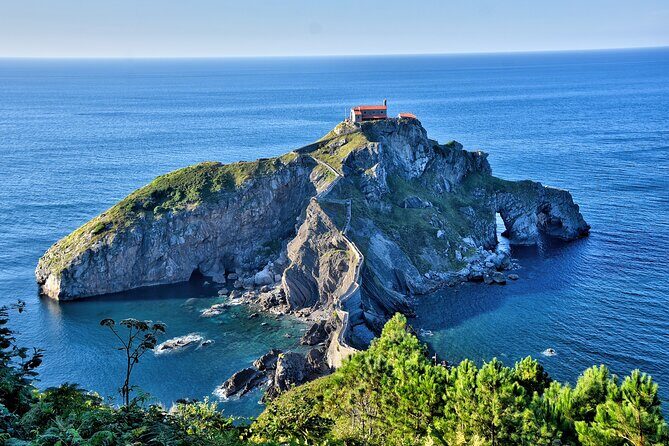
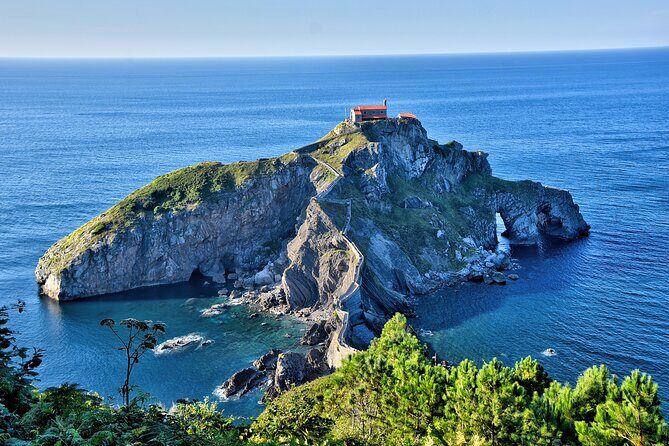
Then comes one of the major wow moments: San Juan de Gaztelugatxe. This is a small church from the 10th century built on an 80-meter rock that juts into the sea. You reach it via a dramatic 241-step stone bridge. The tour notes it also appeared in Game of Thrones, so even if you’ve seen it on-screen, being there in real scale changes the feeling.
After that, you stop in Bakio, with mountains nearby and a long beach on the Bay of Biscay. The tour also mentions txakoli wine vineyards along the coast. That’s a neat transition from the Basque food energy to a wine note that fits the coastal environment.
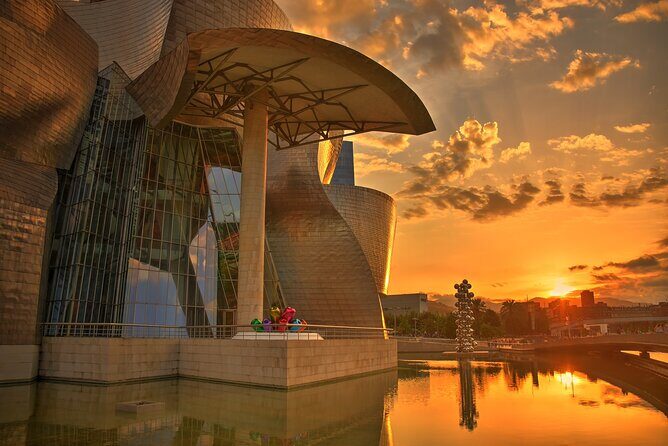
Finally, you arrive in Bilbao and do a guided walk. Bilbao’s story is split between sea and mountains, with commercial and industrial influence over time. You’ll get the city’s major places and some local secrets, then the highlight: Guggenheim Museum Bilbao, with admission included.
Inside the museum, you’re walking through spaces designed to feel like part art installation. The tour specifically mentions the Puppy sculpture (about 12 meters tall) covered with around 50,000 natural flowers. It’s called the doghouse by locals, and it’s the kind of first-impression piece that makes you understand why the museum helped reshape the city.
Practical consideration: Gaztelugatxe’s steps are no joke. If stairs are a concern for you, plan your comfort level before you get to that stop.
What Private Guides and A/C Van Mean for Your Comfort
This tour caps at 8 travelers and uses private transportation with A/C. That matters in two ways:
First, the guide can handle pacing. If someone needs a slower stop or a different photo angle, the group doesn’t get punished by a fixed schedule.
Second, you avoid the stress of coordinating yourself between distant wine regions and major Basque cities. This route crosses big distances—Madrid to Ribera del Duero, then across Rioja, then to San Sebastián, then down to the French Basque towns, then to Bilbao. Doing it with one coordinated plan keeps the trip focused on what you’re there to see.
You also get pickup and drop-off in different cities, plus pickup with luggage on certain transitions. That’s a big deal on multi-city trips where you’re usually juggling bags and taxis.
How to Get the Most From Wine Tastings (Without Wrecking Your Day)
Wine tastings can either be the best part of the trip or the part that makes the rest harder. This tour gives you guided tasting contexts, so the goal is to listen and pace.
A few practical moves I recommend:
- Sip and compare. Pay attention to the Classic Rioja vs Modern Rioja contrast, and to how Ribera del Duero’s land factors relate to the wine style.
- Keep water handy. Coastal days plus wine can sneak up on you.
- Wear layers. Wineries and underground stops can feel cooler than the outside air.
- Plan your energy for the biggest walking moments—especially Gaztelugatxe.
If you don’t drink much, you can still enjoy the education part. Guided tastings often include enough explanation that you’re learning the wine even when you’re not chasing a buzz.
Who Should Book This Tour (and Who Should Think Twice)
You’ll probably love this if:
- You want guided, winemaker-style wine education rather than just buying bottles
- You like mixing wine days with food-centered city walks and seaside viewpoints
- You’re excited by both traditional regions (Ribera and Rioja) and modern stops like the Guggenheim
- You want the convenience of private transportation across several destinations
You might want to rethink it if:
- You want lots of solo free time. This is structured and packed with planned stops.
- Stairs and walking are hard for you. Gaztelugatxe includes a long staircase.
- You’re traveling with a non-wine interest that would feel out of place during vineyard tastings.
Also, this tour notes it can run for a minimum of 2 people, and for groups it may rent a bigger vehicle to keep the experience smooth. If you’re planning with friends, that flexibility can help.
Should You Book This 6-Day Northern Spain Wine and Gastronomy Tour?
I’d book it if you want a high-quality Northern Spain and Basque coast mix where wine education actually gets time in the spotlight, and the food and city energy never feels like filler. The strongest selling points are the guided winery structure in Ribera del Duero and Rioja, the style contrast you learn through tastings, and the way the last days blend Basque towns with major sights like Gaztelugatxe and the Guggenheim Bilbao.
If you hate moving around and prefer open-ended travel, you may find the schedule tight. But if you like having a guide connect the dots—vineyard to wine to city to seafood—this trip is built for that exact payoff.
FAQ
What cities does the tour start from and end in?
The tour starts with pickup from Madrid and ends back at the meeting point in Bilbao. On several days you’re picked up and also dropped off in different cities.
How long is the tour?
It runs for 6 days approximately, starting at 9:00 am.
Is pickup included?
Yes. Pickup is offered, including pickup from hotels and pickup with luggage on certain days.
Do I need to arrange winery admissions and museum tickets?
Some admissions are included and some are marked free on the tour schedule. For example, admission tickets are included for stops like San Juan de Gaztelugatxe and the Guggenheim Museum Bilbao.
Are hotels and meals included?
No. Hotels are not included, and breakfast and dinners are also not included. The tour does include guided visits and tastings.
What’s the group size limit?
The maximum group size is 8 travelers.
What’s the cancellation window for a full refund?
You can cancel up to 3 days in advance of the experience for a full refund. If you cancel less than 3 full days before the start time, the amount paid is not refunded.
—
If you tell me your travel month and whether you want more wine-heavy or more food-and-coast-heavy days, I can help you judge if this pacing fits your style.