REVIEW · ARANDA DE DUERO
Aranda de Duero: Tour of Underground Cellar and Wine Museum
Book on GetYourGuide →Operated by Ribiértete · Bookable on GetYourGuide
Caves and wine, right under your feet, make this one feel special. The Aranda de Duero Wine Museum tour pairs a short visit to historic winemaking tools with a walk through an underground cellar that dates to the 1200s. It’s a compact dose of Spanish wine history in Castile y León, and the guide keeps it moving with a clear story from grape to bottle.
I especially like two things: the underground cellar itself (you get that real “how did they do this?” feeling), and the way the tour includes the winemaking process with practical details instead of just showing old objects. One thing to consider: this is a short tour, so if you’re hoping for a long, slow cellar wander, you may feel time is tight—plus some departures can feel crowded.
In This Review
- Key Things I’d Focus On Before You Go
- Aranda de Duero Wine Museum Meets the Santa María Neighborhood
- The 13th-Century Underground Cellar: What You Can Realistically Expect
- Museum Stops That Turn Artifacts Into a Winemaking Story
- The Guide Experience in Spanish: Enjoy It, Plan For It
- Wine Tasting That’s Part of the Visit, Not the Whole Point
- Price and Timing: Why $9 Can Make Sense
- What to Wear and Bring for a Comfortable Cave Stop
- Who This Tour Fits Best (and Who Might Want Something Else)
- Should You Book the Aranda de Duero Underground Cellar and Wine Museum Tour?
- FAQ
- Where does the Aranda de Duero underground cellar and wine museum tour start?
- How long is the tour?
- What will I see during the visit?
- Is there a wine tasting included?
- What language is the tour guide?
- What should I bring with me?
- How much does the tour cost?
- Is free cancellation available?
- Can I reserve and pay later?
- Who runs the experience?
Key Things I’d Focus On Before You Go
- 13th-century underground cellar: you’re walking through the real setting, not just reading about it.
- Wine museum next to Santa María: an easy, central meeting point with a proper museum context.
- Winemaking from grape to bottle: the guide connects the dots, not just the artifacts.
- Traditional tools + bottles: enough tangible history to make the story click.
- Includes a glass: red wine for adults or grape juice if you prefer no alcohol.
- 45 minutes total: plan for a quick, well-paced circuit rather than an extended cave time.
Aranda de Duero Wine Museum Meets the Santa María Neighborhood
This tour starts at C. Cascajar, 4, right in the core of Aranda de Duero. You’re headed to the Aranda de Duero Wine Museum, which sits next to the church of Santa María. That location matters because it keeps the experience tied to the town’s everyday rhythm instead of feeling like a standalone attraction in the middle of nowhere.
The museum visit is guided and timed to about 35 minutes, with the whole outing coming in around 45 minutes. In other words, you’ll get a real “walk-in, learn, look around, taste, and out” flow. It’s ideal when your day is already packed with sights and you don’t want to burn half a morning to understand one topic.
If you’re trying to decide between a casual wine stop and something more structured, this hits a nice middle ground. You’re not signing up for a full-day wine tour, but you’re also not left to wander a museum on your own.
You can also read our reviews of more tours and experiences in Aranda De Duero.

The 13th-Century Underground Cellar: What You Can Realistically Expect
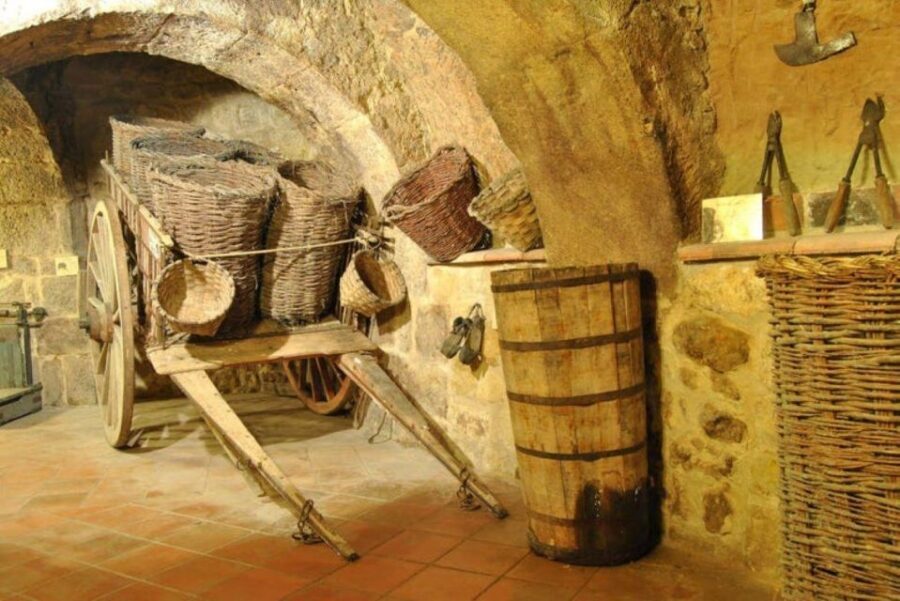
The main hook here is the underground cellar—described as dating back to the 13th century. You’re not just viewing a display behind glass. You’re walking through a historic cellar space, which is a big part of why this tour works: it turns abstract wine history into a place you can picture.
That said, the whole tour is only 45 minutes, so you’ll see the cellar in a guided, focused way rather than as a long self-paced exploration. One review experience called out that there wasn’t much cellar time visible from their slot, and that tracks with the format. If your dream is a slow, detailed cellar crawl with lingering stops, you might wish for more time here.
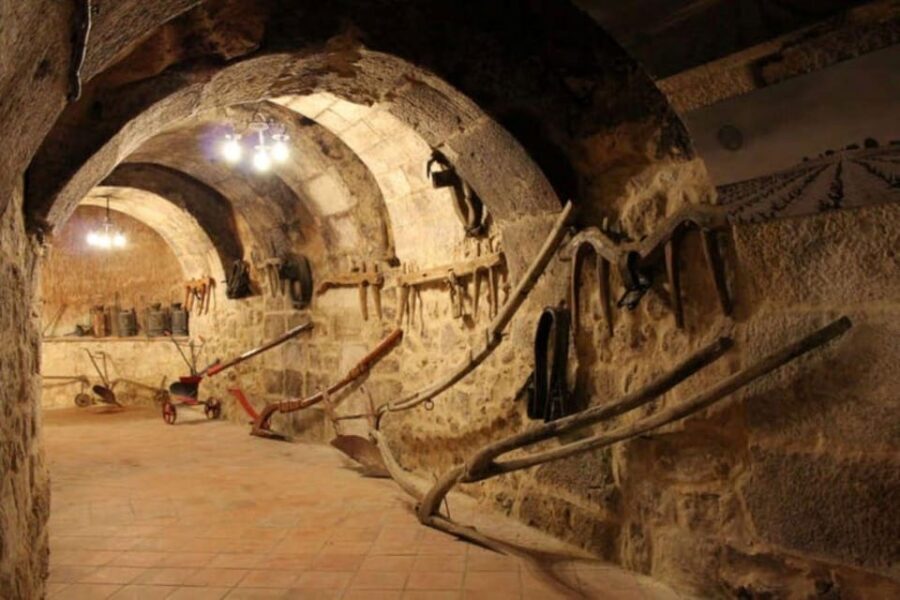
Still, even a short cellar visit can be memorable when the guide points out the functional details. You’ll hear about traditional tools and techniques used over time, and you’ll get context for how practices changed as winemaking modernized. That blend—old space plus changing methods—is where the tour gets more interesting than a simple “look at the cave walls” stop.
A practical tip: bring the jacket you’re already thinking about. The activity lists warm clothing, which usually means the cellar area can feel cooler than the street. You don’t want to spend the tour distracted by being cold.
Museum Stops That Turn Artifacts Into a Winemaking Story
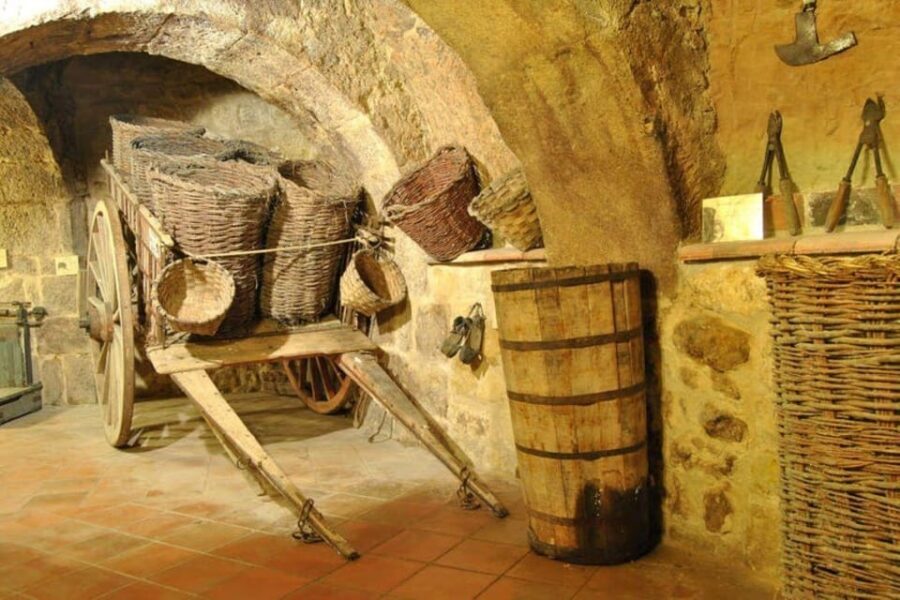
Inside the wine museum, the tour is built around the history of Spanish wine and how winemaking evolved. You’ll move through the process from grape to bottle, and you’ll see historical tools, plus old bottles and equipment that help you visualize how winemaking used to be done.
I like the pacing of this part because it’s not just a static timeline. The guide explains the process and ties the artifacts to steps in production. That’s what makes a small museum tour feel worth your time. Instead of reading labels, you’re hearing a sequence.
The tour also includes modernization of winemaking practices. That’s a key point for value: you’re not only stuck in the past. You get enough comparison to understand what changed, and why, even though the tour doesn’t try to teach you viticulture from scratch.
If you’re a wine beginner, this structure is friendly. You’ll learn basic ideas about how wine production works without needing a background. If you’re more experienced, you may wish for extra depth, but you’ll still appreciate the storytelling approach.
The Guide Experience in Spanish: Enjoy It, Plan For It
The guide speaks Spanish, and that’s the one “language reality” you should plan around. The tour includes a live guide in Spanish, and the tasting is part of the guided visit, so you’ll want to be able to follow the main points.
If you speak Spanish comfortably, you’ll likely enjoy the explanations and the flow. Even if your Spanish is basic, you can usually catch the big themes: grape to bottle, tools and techniques, and the shift toward more modern processes.
One review mentioned that the guide spoke quickly, which is worth taking seriously if you’re not a confident listener at speed. Another review praised the guide as warm and very well explained. Those two reactions can both happen depending on the group, timing, and the guide’s delivery that day.
So here’s my practical advice: if you’re relying on your Spanish listening skills, arrive a bit early so you can settle, and consider using a translation app for the key terms you hear most. It won’t make the tour a classroom, but it can help you catch the story.
Wine Tasting That’s Part of the Visit, Not the Whole Point
During the tour, you’ll receive a glass of red wine or grape juice. That detail matters because it turns the museum into a complete sensory experience. You’re not only learning about wine—you get to taste something at the end of the lesson.
If you’re drinking the red wine, treat the glass as a small finish, not a destination event. This tour is short, and the taste is included as part of the narrative, so you’ll want to pace yourself. If you’re choosing grape juice instead, you still get the same included tasting moment, which keeps the experience fair and simple.
Also, if you’re sensitive to strong alcohol flavors, you’ll probably be happier with grape juice or taking small sips. You’ll likely be walking around during the visit, and you don’t want the tasting to throw off your energy for the rest of your day.
Price and Timing: Why $9 Can Make Sense
The price is $9 per person for a 45-minute guided experience. That’s the kind of rate that feels “easy to justify” when you compare it to longer tours that cost much more and often include transportation.
Here’s the real value math: you’re paying for museum entrance, a guided visit, access to an underground cellar setting, and a glass of wine or grape juice. For many short experiences, those components add up quickly. The inclusion of the tasting is a big part of why this price can feel fair.
Timing is also a plus. Forty-five minutes fits neatly into a travel day. If you’re stopping in Aranda de Duero between bigger plans—like a main walking route, lunch, or a late afternoon viewpoint—this tour gives you something wine-related without eating up your whole schedule.
One consideration: because the tour is brief, you get a “best highlights” version rather than a deep, slow immersion. If you’re the type who wants lots of time in the cellar and lots of time asking follow-up questions, you might prefer a longer option. But if you want an efficient, guided overview that still feels authentic, this works well.
What to Wear and Bring for a Comfortable Cave Stop
This is a practical tour. It’s underground, guided, and time-limited, so comfort matters more than fashion.
Bring:
- warm clothing
- a jacket
- comfortable clothes
Even if you’re visiting on a mild day above ground, underground spaces can change how you feel. Comfortable shoes are also a smart idea, since you’ll be walking through museum and cellar areas while listening to the guide.
If you’re traveling with a scarf or light layer, you’ll probably use it. This is one of those tours where being comfortable helps you focus on the story instead of thinking about your hands or shoulders.
Who This Tour Fits Best (and Who Might Want Something Else)
This tour is a great match for:
- wine-curious travelers who want a guided story
- people who like history when it’s connected to real spaces
- visitors short on time who still want something more meaningful than a standalone museum ticket
- anyone who wants an included tasting without committing to a full wine day
It may be less ideal if:
- you want a long, detailed exploration of the cellar and more time to linger
- you strongly prefer a low-crowd experience (some departures can feel packed)
- you need slower pacing for language reasons
In plain terms: think of this as a focused introduction and a taste, not a long, independent cellar adventure.
Should You Book the Aranda de Duero Underground Cellar and Wine Museum Tour?
Yes, you should book if you want an efficient, guided experience that combines museum learning, a real 13th-century cellar setting, and an included glass. The $9 price makes it easy to add even if you’re not a serious wine person. You’ll leave with a clearer idea of how Spanish winemaking works, and you’ll have a memorable place to attach it to.
Skip it only if you’re expecting hours underground or you know you’ll struggle with Spanish guide pace. In that case, look for a longer tour format that gives more time in the cellar.
If you’re planning your day in Aranda de Duero and you want a smart use of 45 minutes, this one is a solid bet.
FAQ
Where does the Aranda de Duero underground cellar and wine museum tour start?
The tour starts at C. Cascajar, 4.
How long is the tour?
The total duration is about 45 minutes, including a guided museum visit of around 35 minutes.
What will I see during the visit?
You’ll visit the Aranda de Duero Wine Museum and an underground cellar dating to the 13th century.
Is there a wine tasting included?
Yes. The visit includes a glass of red wine or grape juice.
What language is the tour guide?
The guide provides the tour in Spanish.
What should I bring with me?
Bring warm clothing and a jacket, and wear comfortable clothes.
How much does the tour cost?
The price is $9 per person.
Is free cancellation available?
Yes. You can cancel up to 24 hours in advance for a full refund.
Can I reserve and pay later?
Yes. There is a reserve now and pay later option.
Who runs the experience?
The provider listed for the tour is Ribiértete.