REVIEW · TOLEDO
Guided Tour of Underground Toledo
Book on GetYourGuide →Operated by Toledo a pie · Bookable on GetYourGuide
Toledo has a second city under it. This Underground Toledo guided walk strings together five buried worlds—Arab, Jewish, Roman, and medieval—so you see how people actually lived, not just what they wrote down. I especially liked the exclusive underground access that only comes with an accredited guide, and the tour guide I experienced, Mónica, who stayed attentive to the group (including adapting to a guest using a cane). The main catch: the live tour is in Spanish only, and it’s not suitable for wheelchair users or people with mobility impairments.
You’ll spend about two hours moving from one site to the next at a steady pace, with guided time at each stop. Expect short descents, narrow underground spaces, and plenty of interpretation tying artifacts and architecture to daily life and belief systems. The payoff is that the city’s famous surface landmarks make more sense once you’ve seen the water, hygiene, and survival systems underneath.
The route begins at the center of Plaza de Zocodover (look for the green umbrella) and finishes at Plaza Amador de los Ríos. Along the way, you’ll move from the Middle Ages and the preserved dungeons of the Holy Brotherhood to Muslim-era hammam life at the Cenizal Baths, learn the practical difference between a well and a cistern at the Pozo del Salvador, visit a 14th-century Jewish miqvé at Casa del Judío, and end with the Roman Baths of Toletum—one of the largest in Hispania.
In This Review
- Key highlights you’ll actually feel underground
- How the walk connects Toledo’s three cultures, room by room
- Plaza de Zocodover to the Holy Brotherhood dungeons and Mangas Verdes
- Cenizal Baths: the Arab hammam under Toledo’s streets
- Pozo del Salvador: well vs cistern and how Toledo stayed hydrated
- Casa del Judío miqvé: Jewish ritual life in a 14th-century space
- Roman Baths of Toletum: scale, engineering, and daily routine
- Price, language, and who should book this tour
- Practical tips so you enjoy the underground parts
- Should you book Underground Toledo?
- FAQ
- How long is the Guided Tour of Underground Toledo?
- How much does the tour cost?
- What underground places will I visit?
- Where do I meet the guide?
- Where does the tour end?
- Is audio recording allowed?
- What language is the tour guide?
- Which travelers will find it least stressful?
Key highlights you’ll actually feel underground
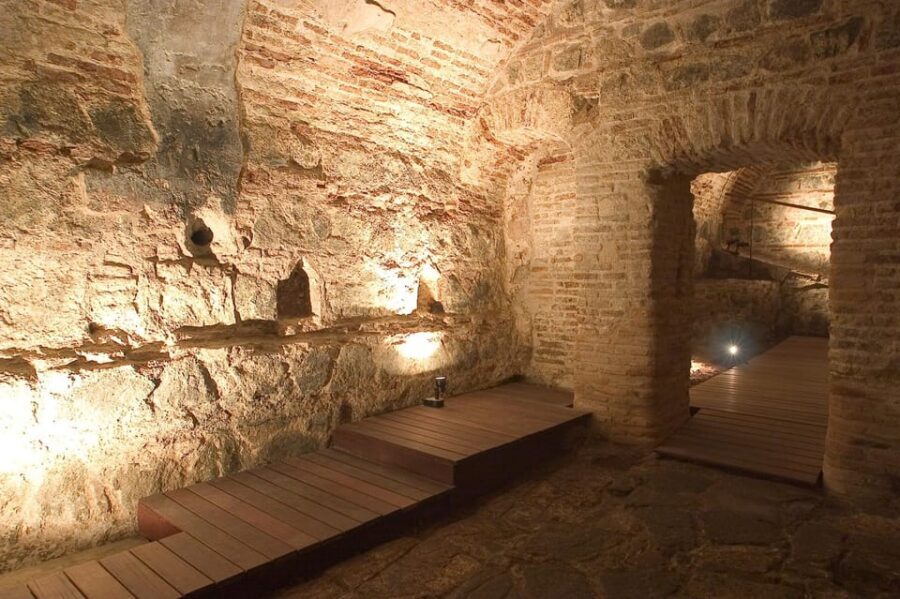
- Five underground sites you can’t reliably access without an official guide, including baths, water systems, and dungeons
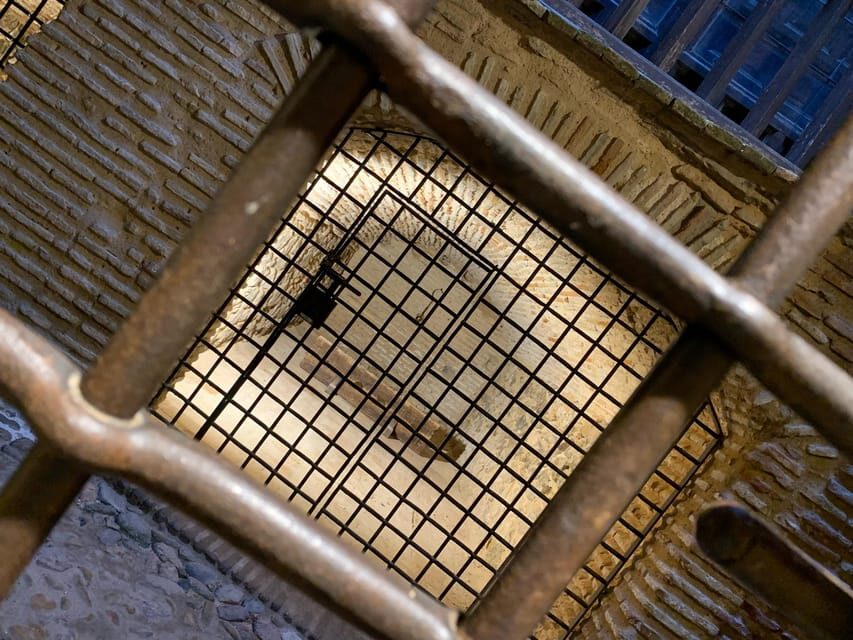
- Holy Brotherhood dungeons tied to the Mangas Verdes jailers (and the fact that these are still preserved in Toledo)
- Cenizal Baths presented as a 10th-century hammam experience, with hygiene and ritual explained
- Pozo del Salvador where you learn the real-world logic of drinking water: well vs cistern
- Casa del Judío miqvé in a 14th-century setting connected to Jewish community life
- Roman Baths of Toletum with scale you can picture as part of daily Roman life, not just ruins
How the walk connects Toledo’s three cultures, room by room
This tour works because it doesn’t treat “underground” like a gimmick. It’s organized like a guided story of how Toledo functioned as different peoples occupied it and solved the same basic problems: water, cleanliness, worship, and keeping order.
You’ll be on a timeline of places you can’t normally reach on your own. Instead of reading about the city’s layers, you’re literally walking through the spaces where those layers sit—baths below ground, a preserved medieval prison space, and Roman infrastructure showing the engineering side of daily life. The pace is built for short, focused visits (about 20 minutes per stop), so you don’t feel dragged, lost, or stuck waiting.
If you like your history practical—how people washed, where they got drinking water, what institutions controlled people—this kind of “underfoot Toledo” hits hard. If you’re looking for a quiet, standalone museum vibe, it may feel more like a guided route than a slow wander.
You can also read our reviews of more guided tours in Toledo



Plaza de Zocodover to the Holy Brotherhood dungeons and Mangas Verdes
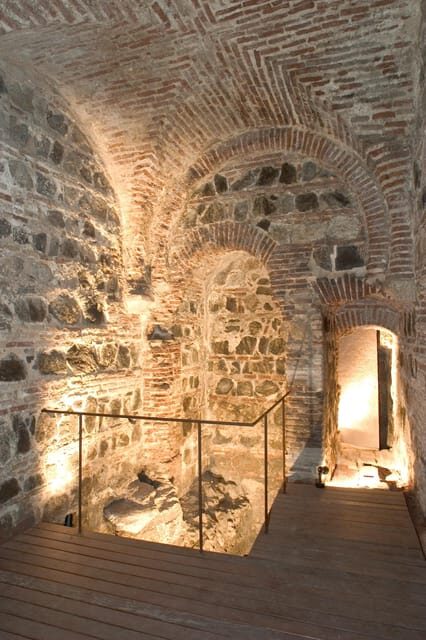
You start in Plaza de Zocodover, meeting in the middle of the square with a green umbrella. From there, the first underground stop centers on the Middle Ages and the dungeons of the Holy Brotherhood.
What I like about this opening is that it gives you a sense of power and fear as part of everyday medieval life. This isn’t just a set of dark walls. It’s described as the only ones still preserved in Toledo, so you get that rare feeling of being near original medieval space rather than a reconstructed story.
Your guide also brings in the human side—what prisoners experienced and the famous jailers known as the Mangas Verdes. Even if you only catch parts of the Spanish, the atmosphere and explanations usually make the roles clear: who controlled access, why confinement existed, and how the Holy Brotherhood operated in that period.
One consideration: because it’s an underground dungeon context, expect cooler, darker areas and more “narration heavy” time. If you want history you can quickly skim, this stop asks you to listen.
Cenizal Baths: the Arab hammam under Toledo’s streets
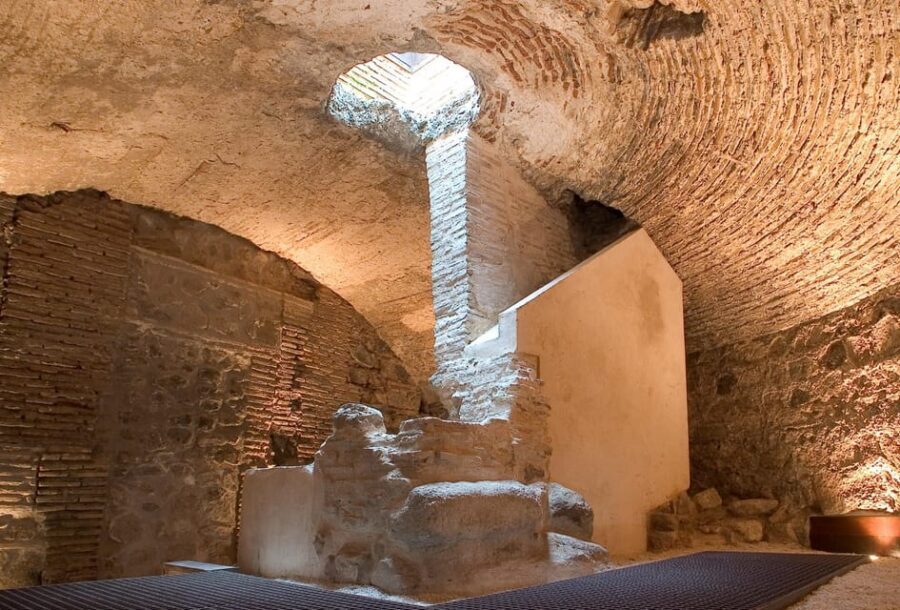
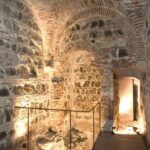
Next up is the Baños árabes del Cenizal, where you descend into an Arab bath setting tied to the 10th century. This is one of the best “time travel” stops on the route because baths weren’t just for washing. They were part of social life, and they also connected to hygiene practices and religious ritual.
Here’s what makes the visit valuable for you: your guide doesn’t treat the hammam like a pretty ruin. The focus is on daily routines—hygiene practices, religious rituals, and social life as understood in that period. When you learn what people did and why they did it, the architecture starts to make sense: the way spaces are organized supports function.
Practical note: baths usually mean you’ll be near wet or damp-feeling surfaces and passages. Wear shoes with good grip and be ready for slightly slick steps. Also, since you can’t use audio recording, you’ll rely on your guide’s Spanish narration and your own notes afterward.
Pozo del Salvador: well vs cistern and how Toledo stayed hydrated
After the baths, you shift to something less “dramatic,” but honestly more impressive: water management. At Plaza del Salvador, you’ll visit the Well of the Savior area, known as Pozo del Salvador, and learn the difference between a well and a cistern.
That distinction sounds basic, but it’s exactly the kind of detail that makes history feel real. Toledo sits on rock, and during droughts, water supply becomes survival-level problem solving. Your guide explains how the city solved drinking water shortages in those times.
What you should watch for during this stop is the cause-and-effect logic. The goal isn’t trivia. It’s understanding how a city built on a difficult geography plans for scarcity: where water is collected, where it’s stored, and how people access it. Once you understand that, other parts of the underground tour start to connect. Daily life wasn’t only about ritual or punishment—it was also about making water dependable.
This stop can be the most “brainy” moment of the walk. If you love engineering, systems, and practical problem solving, you’ll probably enjoy it most. If you want action the whole time, it may feel slower—though it’s only one segment of the full route.
Casa del Judío miqvé: Jewish ritual life in a 14th-century space
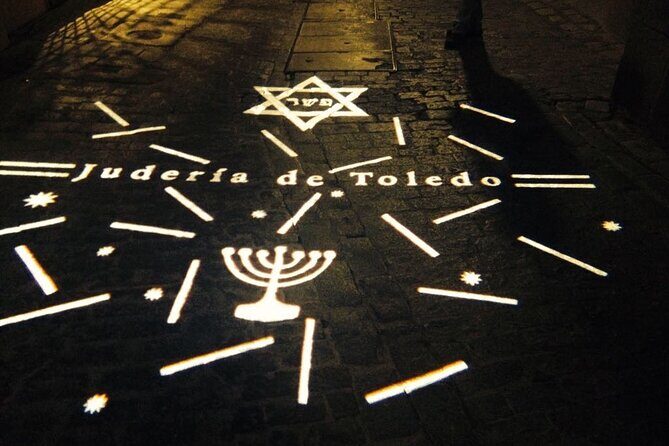
Next you head into the Jewish quarter story through Casa del Judío, where you’ll see a miqvé dating back to the 14th century. This is an important stop because it’s specific and place-based: you’re not getting a generic explanation of Jewish ritual. You’re seeing a space tied directly to community life.
The value here is context. Your guide connects the miqvé to the rhythms and expectations of the Jewish community of the time, mixing legend and history (as explained during the visit). Even if legends aren’t your thing, the setting and the way ritual spaces are described can make a big difference in how you understand “the three cultures” idea in Toledo. It becomes less like a tagline and more like a lived set of practices.
One practical consideration: like the other underground stops, you’ll be walking through corridors and descending or standing in enclosed spaces. So keep your phone at hand for photos (if allowed by your guide at the time), but don’t expect to comfortably linger.


Roman Baths of Toletum: scale, engineering, and daily routine
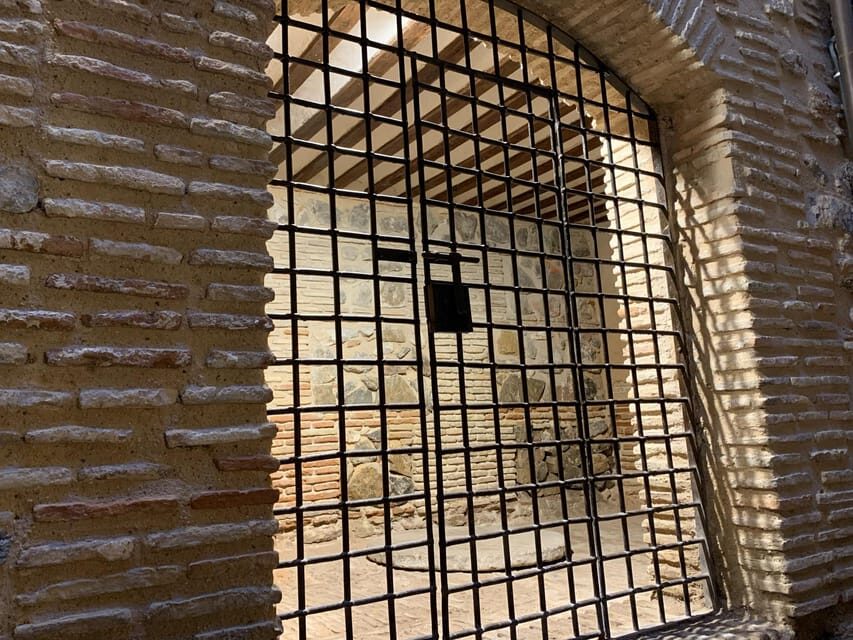
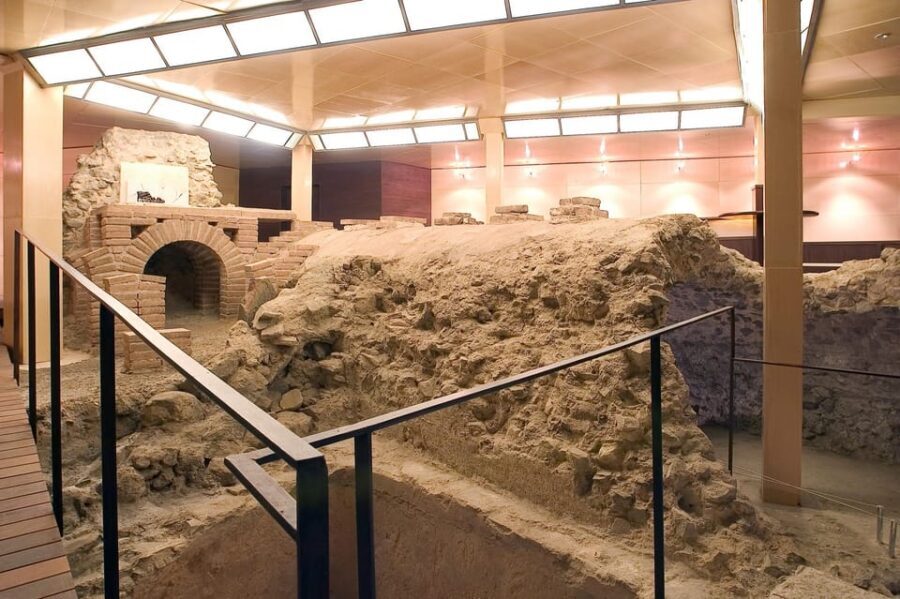
The final underground stop is the Roman Baths of Toletum. The tour presents them as impressive and describes them as one of the largest in Hispania, and you’ll be guided in a way that helps you picture what life might have been like in Roman times.
This is a great finish because it changes the focus from medieval or religious institutions to Roman infrastructure and routines. Baths in Roman culture weren’t just “for cleanliness.” They were woven into social behavior, public life, and the rhythms of the day. When your guide connects the space to how people moved and used it, you get a clearer sense of why Romans built at this scale.
If you’re the type of traveler who likes archaeology to feel human, this stop will deliver. You don’t just see remnants; you’re encouraged to imagine use—how bodies and schedules fit into the built environment.
Price, language, and who should book this tour
Let’s talk value. The price is $15 per person for a two-hour guided experience that includes entrance to five underground sites with an accredited official tour guide. For Toledo, that’s a pretty solid deal, especially if you know how limited access can be for underground spaces that aren’t open on general visits.
The biggest “fit” factors are language and mobility. The live guide is Spanish, and the tour is not suitable for people with mobility impairments or for wheelchair users. Also, audio recording isn’t allowed, so plan to rely on the guide’s spoken explanations and your memory.
Who I think this tour suits best:
- You enjoy guided history that explains daily life, not just famous names
- You like the idea of learning how water, hygiene, ritual, and confinement shaped a city
- You’re comfortable walking outdoors first, then spending time underground in enclosed areas
- You’re okay with Spanish narration (or you have enough language to follow themes)
One more small but telling point: Mónica’s approach stood out for me because the tour felt attentive to the group’s needs. That’s a good sign for comfort and pacing when you’re moving through multiple underground sites.
Practical tips so you enjoy the underground parts
A good underground tour depends on comfort more than fancy expectations. Here’s how to set yourself up:
- Wear grippy shoes. You’ll be descending and moving through enclosed spaces, and damp or stone surfaces can be slippery.
- Arrive early enough to find the green umbrella. Meeting in Plaza de Zocodover is central, but you still want a calm start.
- Expect Spanish narration. If you don’t speak Spanish well, still go if you enjoy history visuals. The structure is clear, and the sites themselves help you follow the meaning.
- Don’t count on recording. Since audio recording isn’t allowed, bring a notebook or plan to take quick notes on your phone.
- Go at a steady pace. The route is built around short guided segments; rushing can make the underground transitions feel stressful.
If you need walking supports, it helps that the guide you might get (Mónica is one example) has shown awareness and care during the tour. Still, I’d treat this as a walking tour first, and an underground tour second.
Should you book Underground Toledo?
I’d book this tour if you want Toledo to make sense as a living, layered city. For $15, you get guided access to five underground sites—Arab baths, a Jewish miqvé, a well-cistern water system lesson, Roman baths, and preserved medieval dungeons. That’s a lot of cultural ground in two hours, and it’s organized around daily-life themes instead of random stops.
I would skip it if Spanish-only narration is a dealbreaker for you, or if you need wheelchair access or support for mobility impairments. Underground tours are physical by nature, and this one isn’t designed around accessibility.
If your ideal Toledo day is guided, structured, and focused on what’s under your feet, Underground Toledo is a smart choice.
FAQ
How long is the Guided Tour of Underground Toledo?
It lasts about 2 hours.
How much does the tour cost?
The price is $15 per person.
What underground places will I visit?
You’ll visit five underground sites: an Arab bath (Cenizal Baths), a Jewish miqvé (Casa del Judío), a well-cistern area (Pozo del Salvador), Roman baths (Termas Romanas / Roman Baths of Toletum), and the dungeons of the Holy Brotherhood (Posada de la Hermandad).
Where do I meet the guide?
Meet at the center of Plaza de Zocodover, with a green umbrella.
Where does the tour end?
The tour ends back in the area of the meeting point, finishing at Plaza Amador de los Ríos.
Is audio recording allowed?
No. Audio recording is not allowed.
What language is the tour guide?
The live tour guide speaks Spanish.
Which travelers will find it least stressful?
Because it is not suitable for wheelchair users or people with mobility impairments, it’s best for travelers who can comfortably walk and handle underground stairs and enclosed spaces.