REVIEW · MADRID
Mapfre Foundation Madrid – Photography Exhibitions
Book on GetYourGuide →Operated by Fundación Mapfre | Touristcheck · Bookable on GetYourGuide
Two major photo worlds in one stop.
At the Fundación MAPFRE Madrid, you get a smart mix of photography and visual art, with exhibitions stretching from the late-19th century through the mid-20th. I like that the museum is built for both temporary exhibitions and longer-view looking, so you don’t just pop in for one display and leave. For people who love names and styles, the current lineup through May 17, 2026 is a real draw: Anders Zorn. Traveling the World and Helen Levitt.
My other favorite part is the museum’s free audio guide. It’s available in English and Spanish, and it’s delivered by QR code right in the galleries. The main drawback is practical: the audio guide works best with a mobile device and internet access, and headphones are required—so plan to bring your own.
In This Review
- Key points before you go
- What you’re really going for at Fundación MAPFRE
- The star exhibitions through May 17, 2026
- Anders Zorn. Traveling the World
- Helen Levitt
- How the museum galleries feel to navigate
- The audio guide setup that affects your experience
- Price and value: why about $5 can make sense
- A simple game plan for your visit (1 day, no rush)
- Who this works for (and who might want to think twice)
- Should you book Fundación MAPFRE for photography in Madrid?
- FAQ
- How long does the MAPFRE Foundation Madrid photography visit take?
- What does the ticket include?
- Do I need my own headphones?
- What languages is the audio guide available in?
- Do I need mobile internet for the QR audio guide?
- Where do I go when I arrive?
Key points before you go
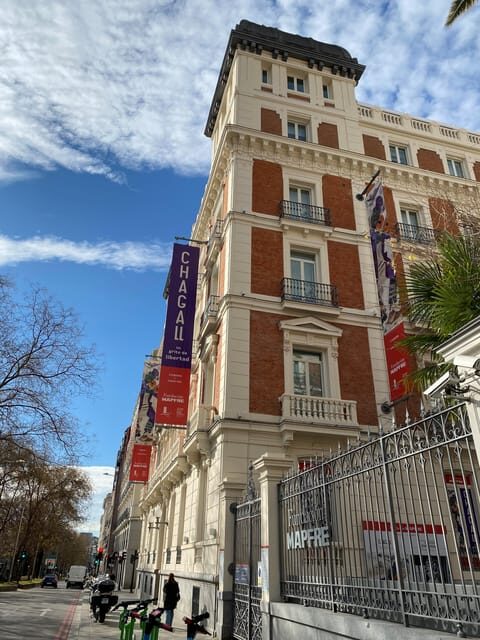
- Anders Zorn. Traveling the World runs until May 17, 2026, tracing his career from early watercolors to later international work
- Helen Levitt focuses on 20th-century urban life in New York, with nearly 200 works across nine sections
- A QR audio guide in English/Spanish helps you move at your pace
- The museum’s scope covers painting, photography, and sketches from the late-1800s to the mid-1900s
- Headphones are required, and you can buy a jack-type pair for €1 if you forget yours
What you’re really going for at Fundación MAPFRE
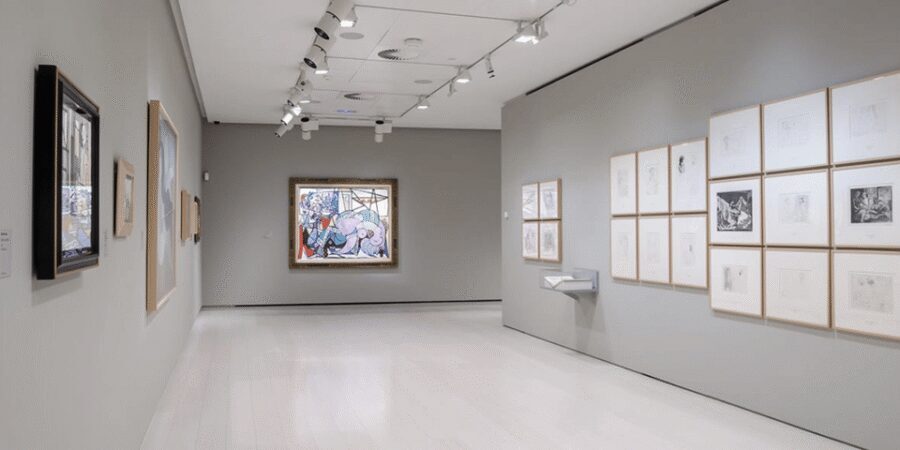
This is the kind of Madrid stop that works best when you treat it like a full hour-or-two experience, not a quick photo-op. The foundation is known for putting visual art and photography side by side, and that mix is the point. You’ll see works that sit next to each other across time and technique, including painting, sketches, and photographic materials that connect eras and ways of seeing.
What makes it especially appealing is the time span the exhibits lean on. The programming is built around a period that starts in the late-19th century and moves into the mid-20th century. That means you’re not just looking at one style. You’re watching how portraiture, everyday scenes, and documentary-type images gained their own voices as the century moved on.
And since there are major temporary shows on top of the museum’s longer-term art background, you can satisfy two different urges in one visit: the desire for big-name art and the desire to understand how artists developed their visual language.
You can also read our reviews of more museum experiences in Madrid
The star exhibitions through May 17, 2026
Anders Zorn. Traveling the World
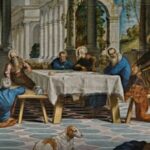
If you’re curious about how one artist becomes international, this is built for you. Anders Zorn (1860–1920) was one of Sweden’s best-known painters from the late 1800s and early 1900s. The exhibition follows his path from humble beginnings to global fame, especially through his reputation as a portraitist of high-profile figures—kings, presidents, and celebrities.
What you’ll likely enjoy most is that the show doesn’t pigeonhole him as only a portrait painter. It tracks his virtuosity across oil, watercolor, and printmaking, and it also includes his celebrated nudes. That spread is useful because it shows how he worked through different mediums, not just different subjects.
The exhibition layout is also built like a travel story:
- early watercolors and a period in England
- a move to Paris, where Impressionism influences helped him consolidate his reputation
- travel to the United States
- a return to Mora, with a focus on everyday Swedish life
- Spanish works and his artistic connection with Joaquín Sorolla
If you like artist careers that make sense chronologically, this one gives you clean cause-and-effect: places → influences → style shifts.
Helen Levitt
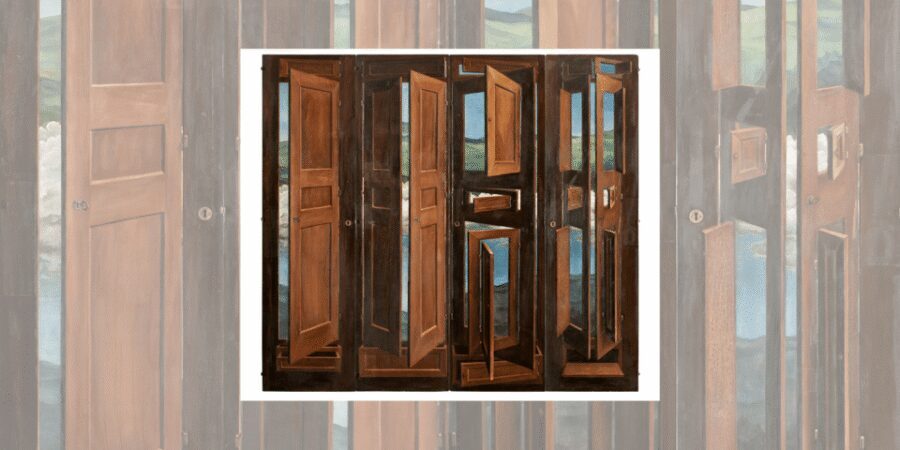
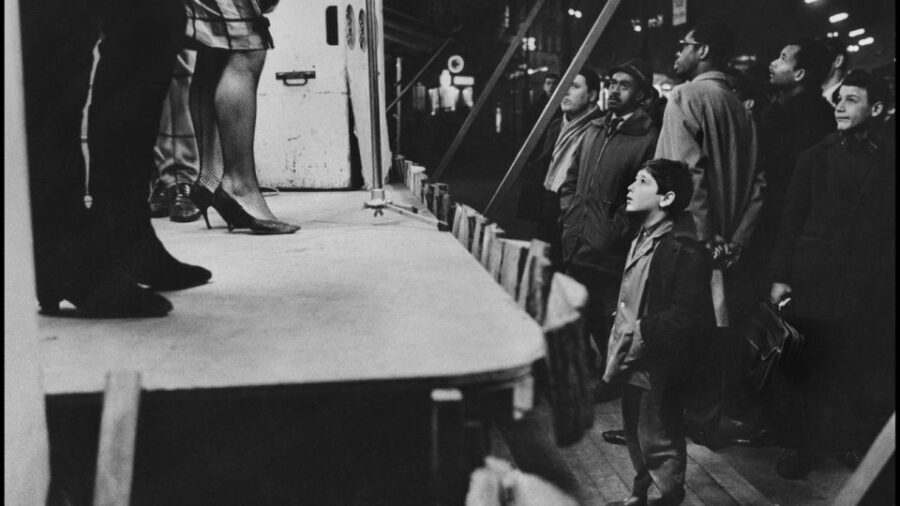
Helen Levitt (1913–2009) is the other big reason to plan this visit. She built a long, personal view of 20th-century city life. The show zeroes in on her fascination with the streets of New York and how her photography began in earnest at the end of the 1930s.
What I think you’ll appreciate here is the attention to the everyday:
- children at play
- small gestures and ordinary moments
- scenes from working-class neighborhoods
The exhibition brings together nearly two hundred works across nine sections, so it’s not just a handful of famous images. It aims to map how her ideas grew over time—from her early photographs to her later cinematic explorations. The social commitment in her street work is part of what shapes her reputation as a pioneering figure in urban photography.
If you’re the type who likes to see how a photographer’s “eye” evolves, Levitt’s career structure makes that easy.
How the museum galleries feel to navigate
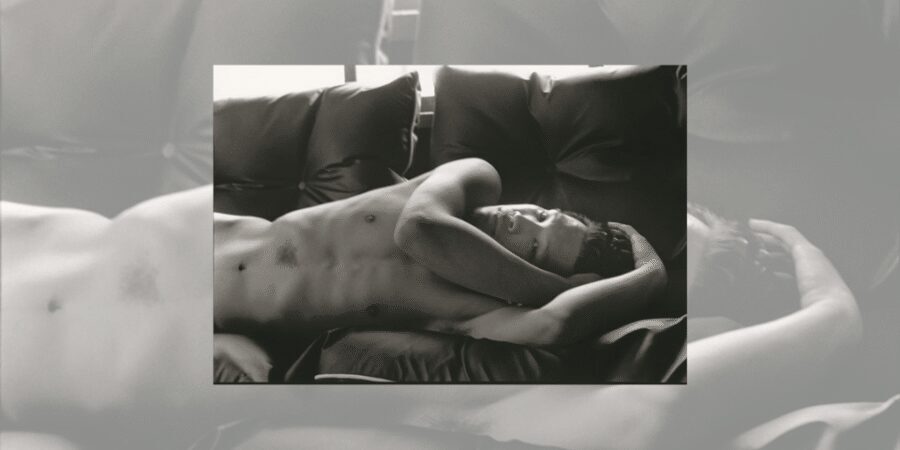
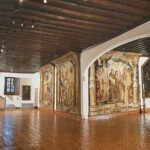
This isn’t set up like a guided march. The experience is built for self-paced looking, supported by an audio guide you access with QR code in the room. That matters because photography and visual art can’t be rushed. The best way to enjoy it is to slow down at transitions—when you go from painting to photography, or from early works to later series.
You’ll also want to give yourself a little flexibility for the “art background” component. That’s the museum’s idea of connecting temporary exhibits with broader themes and works. In practice, it means you’re less likely to feel like you only saw a temporary show and nothing else.
One small practical tip: you’re likely to want a quiet moment before you start the audio. Read the room labels first, then turn on the guide. It helps you connect what you’re seeing to what the guide is explaining, instead of listening and walking blindly.
You can also read our reviews of more photography tours in Madrid

The audio guide setup that affects your experience
The audio guide is one of the best value add-ons because it’s free, in English and Spanish, and tied to the QR code system inside the galleries.
Here’s the practical side you should plan for:
- You need a mobile device with active mobile internet to access the audio via QR.
- If you don’t have data, you can connect to free Wi‑Fi in the space.
- Headphones are required so you don’t disturb others.
If you hate dealing with phone settings, bring your own headphones and make sure your phone’s battery is charged. And if you forget, you can buy headphones at the ticket counter for €1 (jack type), though you may have to wait depending on availability.
This is the kind of museum detail that can make or break your pace. It’s worth spending 2 minutes beforehand making sure your phone can connect, because audio is a big part of how you get meaning from the exhibits.
Price and value: why about $5 can make sense
The price is listed at about $5 per person for a 1-day experience. For a major temporary exhibition lineup with international artists, that’s strong value—especially because the audio guide is included and languages cover both English and Spanish.
But here’s the balanced way to think about value: it depends on whether you’ll actually use the audio guide and how comfortable you are spending time with photography and visual art without a live guide talking you through everything. If you like to read labels, scan images slowly, and use an audio track to fill in context, this is a great deal.
Also, a quick caution from real-world ticketing experiences: you should double-check the current ticket situation. One person reported being charged even when entry was expected to be free. That suggests rules can vary by date or promotion—so verify what you’re paying for before you finalize.
A simple game plan for your visit (1 day, no rush)
Since this is essentially a museum visit with exhibitions, your best plan is to use time like a photographer does: start wide, then focus.
Here’s how I’d structure it:
- Start with the temporary exhibitions
Zorn and Levitt are the headline shows, and they’re the ones with the tight date window through May 17, 2026.
- Then use the museum’s art background as your bridge
This is where you connect photography with painting, and where you’ll likely notice how themes and techniques travel across the late-1800s to mid-1900s.
- Use the audio guide strategically
Pick a couple of works you’re curious about, then listen to those sections more carefully. You don’t need audio on every piece; you just need it where it adds context.
- Save a final pass for comparisons
Look for links: portrait-like compositions, street-like framing, and how artists handle light, realism, and storytelling.
If you’re coming with friends who like different art styles, this plan helps because both of you can focus on what you care about, while still sharing moments like shifts in subject matter and style.
Who this works for (and who might want to think twice)
This experience is a good fit if you:
- love photography exhibitions with a strong sense of place and time
- enjoy following an artist’s career arc—Zorn’s traveling path or Levitt’s decades in the city
- want an easy, budget-friendly museum day in Madrid with included audio
It might be less ideal if you:
- want constant live commentary rather than audio
- need a fully offline setup, because the audio guide depends on QR access and connectivity
- prefer purely modern photography only, since the museum programming leans across a broader historical range
Should you book Fundación MAPFRE for photography in Madrid?
If you’re interested in photography and visual art and you want value without a complicated plan, I’d book it. The combination of Anders Zorn and Helen Levitt gives you two distinct ways of seeing—international portraiture and deeply personal street life—and the audio guide helps you make sense of both.
The biggest reason to hesitate is the practical audio setup. If you don’t want to rely on QR and Wi‑Fi/data, or you always forget headphones, plan around that first. Also, confirm what ticket you’re actually buying on your date, since ticket expectations can sometimes be inconsistent.
Overall: for about $5 and a full day window, this is one of the smarter cultural stops in Madrid if you care about how art tells stories.
FAQ
How long does the MAPFRE Foundation Madrid photography visit take?
It’s a 1-day visit. You should check available starting times to plan your day.
What does the ticket include?
The standard ticket includes a free audio guide accessible via a QR code available in the room.
Do I need my own headphones?
Headphones are required. You can bring your own, and you can also purchase jack-type headphones for €1 at the ticket counter if needed.
What languages is the audio guide available in?
The audio guide is available in English and Spanish.
Do I need mobile internet for the QR audio guide?
The audio guide uses a QR code and requires a mobile device with active mobile internet connection. If you don’t have data, you can connect to the free Wi‑Fi network available in the space.
Where do I go when I arrive?
Exchange your voucher at the ticket desk.