REVIEW · MADRID
National Archaeological Museum: Skip the Line Tickets and Private Guided Tour
Book on Viator →Operated by Madrid Discovery · Bookable on Viator
Spain’s past, in one smart museum loop. In about two hours, you get a guided walk through Madrid’s National Archaeological Museum, moving from prehistory toward medieval times. The guide ties major objects to the bigger story—politics, religion, and art—so you’re not just looking at artifacts, you’re seeing how Spain shaped itself over centuries.
Two things I like a lot here: a private guide who can answer your questions and connect the dots, and the convenience of skip-the-line tickets delivered as a mobile ticket. One possible drawback: if the museum has an unexpected closure, your day can go sideways, so it’s worth a quick same-day check before you head over.
In This Review
- Key Highlights You’ll Actually Feel During the Visit
- National Archaeological Museum in Two Hours: Spain’s Story Moves Fast
- Skip-the-Line Tickets and a Mobile Ticket: Less Waiting, More Looking
- What You’ll See: Visigothic, Roman, and Al-Andalus Threads
- How the Guide Turns Artifacts Into Context (Not Just Objects)
- The Rhythm of a Private Tour: Questions Included, Pace Controlled
- Price and Value: What $137.01 Buys You
- Timing in Madrid: When You Can Expect the Museum to Be Open
- Getting There: Easy Enough to Fit Into a Busy Day
- Who This Tour Works Best For
- Should You Book This Skip-the-Line Archaeology Tour?
- FAQ
- How long is the tour?
- What’s included in the price?
- Is it offered in English?
- Is this a private tour?
- Where does it take place?
- Is pick-up or drop-off included?
- What time is the museum open for this experience?
- Can I cancel for free?
- Is it suitable for most people?
Key Highlights You’ll Actually Feel During the Visit

- Private, English-speaking attention that keeps the pace friendly for questions and context
- Skip-the-line access with a mobile ticket, useful when you’re trying to fit Madrid sights into a schedule
- Big thematic sweep in just two hours, from prehistory through medieval periods
- Focused highlights like Visigothic treasures, Roman mosaics, and traces tied to Al-Andalus
- A guide who explains why things matter, not only what they look like
- Guides with stand-out personalities, with Leticia praised for extra time and Jorje for humor and patience
National Archaeological Museum in Two Hours: Spain’s Story Moves Fast
The National Archaeological Museum is the kind of place where a guide can make your visit feel ten times smarter. Instead of drifting from room to room, you get a timed route built around the museum’s key works, with the guide steering you toward the themes that actually connect.
You’ll cover a broad stretch of Spain’s past. Think prehistory up through medieval times. That jump in time is huge, but the tour structure helps you keep your bearings as you move through brighter rooms and major collections.
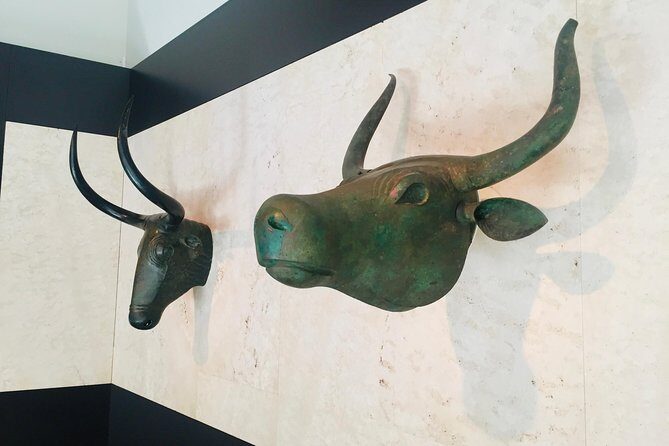
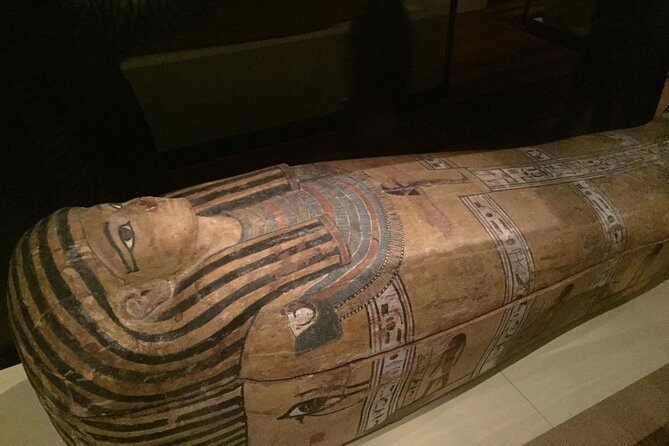
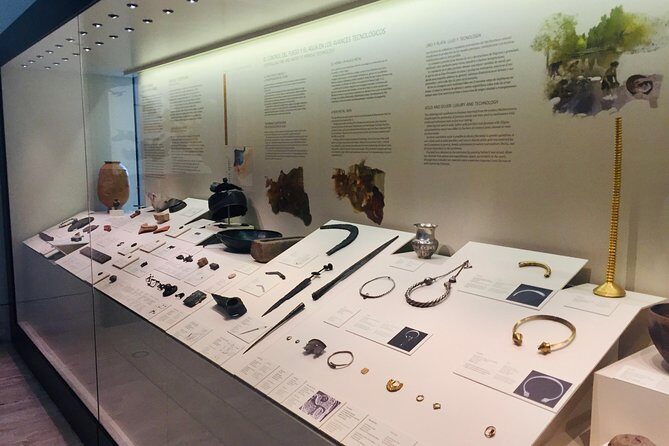
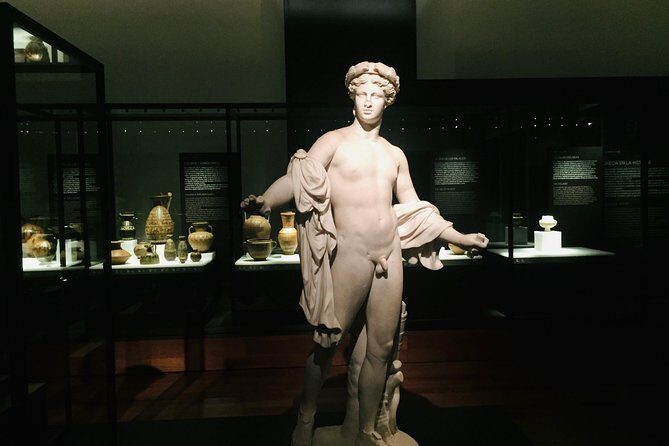
The best part is how your guide frames each piece. You’re shown weapons, fine jewelry, monumental sculptures, and precious manuscripts, but the point is the human story behind them—how belief, power, and creativity show up in what people made.
You can also read our reviews of more tours and experiences in Madrid



Skip-the-Line Tickets and a Mobile Ticket: Less Waiting, More Looking
Madrid museums can eat up time fast if you queue. This experience includes entrance tickets, specifically positioned as skip-the-line access. I can’t promise what every line will look like on every day, but having the ticket sorted in advance usually helps you get in with less friction.
The tour also uses a mobile ticket, which is practical if you’re already moving around the city with a phone, not paper tickets. It’s one less thing to misplace, and it’s smoother if you’re meeting up with your group and want to head straight to the entrance.
This is also where “skip-the-line” can be more than a buzzword. When you’re only there for about two hours, wasting time in a line is the easiest way to end up feeling rushed. Anything that reduces waiting helps you actually enjoy the artifacts instead of clock-watching.
What You’ll See: Visigothic, Roman, and Al-Andalus Threads
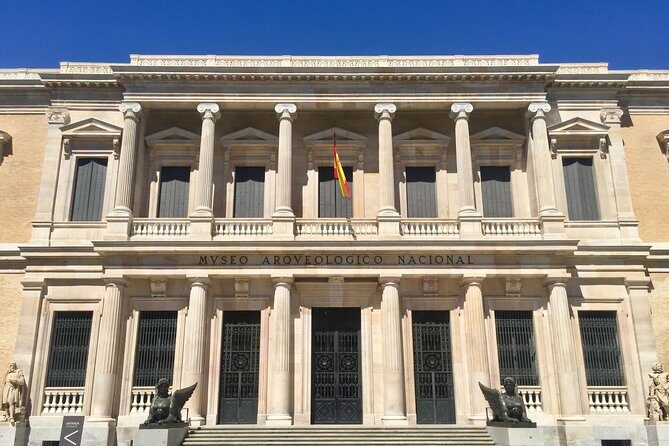
This isn’t a random walk through hall after hall. The focus is on the museum’s major pieces, arranged in a way that lets you understand how different cultures and eras left marks on what Spain became.
Here’s the big trio your guide will likely anchor the story around:
- Visigothic treasures
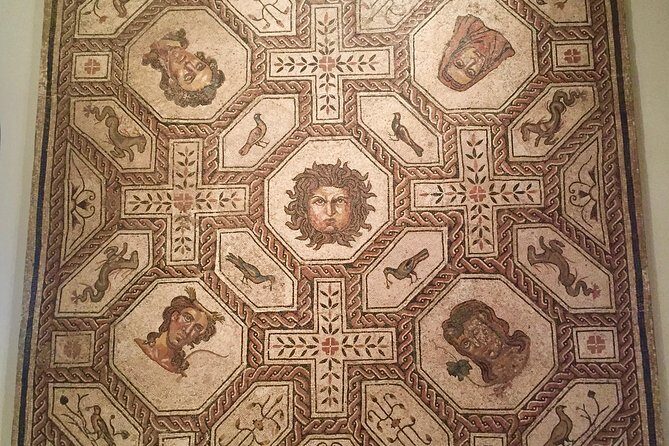
- Roman mosaics
- Remains tied to Al-Andalus
Those aren’t just impressive visuals. They’re time markers that help you recognize changes in style, symbols, and craftsmanship. You’ll also spend time with other categories that round out the picture—ancient weapons, monumental sculpture, fine jewelry, and precious manuscripts.
A museum visit like this can feel overwhelming if you only think in terms of dates. The tour’s value is that it helps you look at objects as evidence. A mosaic isn’t only art; it’s also a clue about daily life, patronage, and design choices. A treasure isn’t only wealth; it’s also identity, power, and belief.
How the Guide Turns Artifacts Into Context (Not Just Objects)
In a great guided museum visit, you start noticing patterns. This tour is built to do that. Your guide doesn’t treat each item like a standalone “wow.” Instead, they connect what you’re seeing to the political, religious, and artistic context of the era.
That means when you look at something delicate or monumental, you also learn what role it played in the world that produced it. The goal is to make the artifacts feel less like museum objects and more like products of real people making real choices.
The guide also uses anecdotes and explanations to bring extinct civilizations back to life. I like this approach because it gives you something to carry out of the museum. You don’t just remember that something was old. You remember what it meant.
You’ll also get the kind of pacing that works well for most people. “Two hours” sounds short, but it’s long enough for a solid overview when the route is focused on major works. Short enough that you don’t feel like you need museum stamina training.
The Rhythm of a Private Tour: Questions Included, Pace Controlled
This is a private tour, meaning only your group participates. That matters more than people think. In a group tour, you often get one question at the end and a quick nod while the rest move on. Here, the guide can adjust on the fly, especially with follow-ups.
The reviews highlight two styles that fit this format really well. Leticia, for example, was praised for being fun and informative and for spending extra time with guests to answer questions. Jorje was praised for being patient and funny, which is great because humor makes heavy history easier to digest.
If you’re the type who likes to ask why something was made or what a symbol means, a private setup tends to pay off. You’ll get better than a “walk-by lecture,” because you’re not stuck with a fixed rhythm that ignores curiosity.
One practical note: since it’s private and English, you can usually expect explanations that match a normal visitor’s pace. That’s a big deal if you’re not studying archaeology and you just want to understand what you’re looking at.
You can also read our reviews of more guided tours in Madrid






Price and Value: What $137.01 Buys You
At $137.01 per person, this isn’t a “cheap and cheerful” add-on. So the real question is: what do you get for that money, and is it worth it for your trip style?
You’re paying for three things that add up:
- Skip-the-line entrance to a top museum
- A private guided experience in English
- A tight, high-impact overview of the museum’s major works in about two hours
If you were to DIY the museum, you could save money. But you’d also spend extra energy figuring out what to prioritize. Archaeology museums are full of detail, and without a guide, it’s easy to miss the “why” behind what’s on display.
A private guide can make the visit feel more like understanding a story than collecting facts. And since the tour is short, you’re paying for efficiency: fewer dead ends, fewer awkward “what am I supposed to look at?” moments.
Is it worth it? If you care about making history understandable—especially the shift from prehistory through medieval Spain—this is the kind of tour that pays for itself in satisfaction. If you just want time alone with no structure, you might prefer the self-guided route and spend that money elsewhere.
Timing in Madrid: When You Can Expect the Museum to Be Open
The museum’s operating window for this experience is listed as Tuesday through Sunday, from 10:00 AM to 7:00 PM. That’s a useful range because Madrid days can be planned around it.
Still, here’s the consideration worth respecting: one customer reported that the museum was closed when they arrived, despite having purchased tickets in advance. That doesn’t mean it happens often, but it does mean you shouldn’t assume everything is guaranteed.
My advice: confirm your plan the same day. If your schedule is tight, build in a small buffer. If the museum is your anchor stop, keep a backup idea nearby so you don’t lose the entire day to an unexpected closure.
Because this tour is only about two hours, you can usually shift plans without it wrecking your itinerary. That’s another small reason to like the structure.
Getting There: Easy Enough to Fit Into a Busy Day
The experience is near public transportation, which helps in Madrid where walking is great but the schedule can get complicated.
Since hotel pick-up and drop-off aren’t included, you’ll need to handle getting yourself to the museum. For most visitors, that’s fine. It keeps the schedule clean and avoids waiting around for someone’s pickup route.
If you’re staying central or near a metro line, you’ll likely find this is a smooth add-on between other sights. If you’re coming from farther out, give yourself a little extra time so you aren’t stressed about arriving late for the guided portion.
Who This Tour Works Best For
This is a smart match if you want context, not just objects. It’s especially good for:
- People who like history but don’t want to spend their whole museum visit figuring out what to prioritize
- First-timers in Madrid who want a high-signal stop beyond the big art hits
- Groups who prefer a private format so questions don’t get swallowed
- Anyone who enjoys the sweep of eras, from prehistory through medieval times, without losing the thread
It’s also a good option if you’re trying to be efficient. Two hours can be a sweet spot: enough time for major works, not so long that you’re exhausted.
And if you care about the guide’s tone, the name checks from the reviews matter. Leticia’s extra-time approach and Jorje’s humor and patience suggest a guide who can keep things lively while staying explanatory.
Should You Book This Skip-the-Line Archaeology Tour?
Yes, if you want a guided route that helps you understand Spain across centuries without feeling lost. The value comes from the focused route, the private guide, and the fact that you’re guided through major categories like Visigothic treasures, Roman mosaics, and Al-Andalus remains.
Skip this or reconsider if you’re on a shoestring and you’re happy to self-direct your museum visit. Also think twice if your schedule is so tight that an unexpected closure would ruin your whole day. For everything else, this is a solid way to turn a museum ticket into real understanding.
If you’re the kind of traveler who enjoys asking questions and leaving a museum with a clearer picture of how the pieces fit, this one is likely worth it.
FAQ
How long is the tour?
It runs for about 2 hours.
What’s included in the price?
Entrance to the National Archaeological Museum of Madrid is included.
Is it offered in English?
Yes, the tour is offered in English.
Is this a private tour?
Yes. Only your group will participate.
Where does it take place?
The tour is at the National Archaeological Museum of Madrid.
Is pick-up or drop-off included?
No. Pick-up and return to the hotel aren’t included.
What time is the museum open for this experience?
Tuesday through Sunday, 10:00 AM to 7:00 PM.
Can I cancel for free?
Yes. You can cancel up to 24 hours in advance for a full refund.
Is it suitable for most people?
Most travelers can participate.