REVIEW · MADRID
Premium Tour to Ribera del Duero with Wnologist Guide
Book on Viator →Operated by Wine Tour Madrid · Bookable on Viator
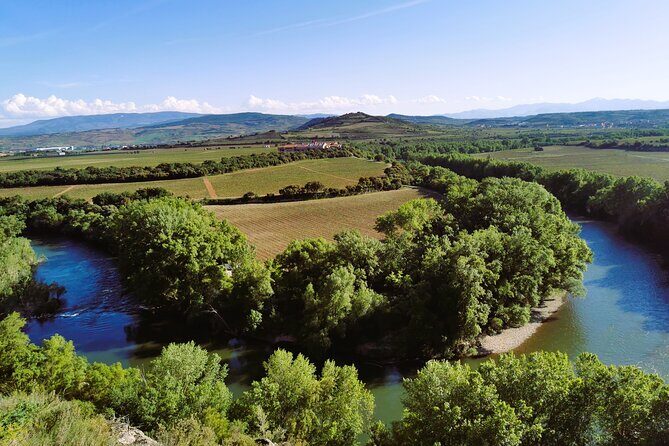
Underground wine cellars change the whole mood. This 9-hour Ribera del Duero trip from Madrid blends modern design with old-school winemaking, then adds a medieval town with traditional underground cellars. You’re not just watching wine being made—you’re tasting it in the places where time and temperature do most of the work. Ribera del Duero is the star here, and the small group size keeps it personal.
I love two things about this experience. First, the tastings are built into the cellar and tasting-room settings, so you taste with context instead of bouncing from stop to stop. Second, the guide—Enrique—brings real authority and energy, talking about grapes, land, and the winemaking process in a way that makes the region click fast.
The main drawback to plan around is simple: it’s a long day with multiple stops and cellar time, so if you prefer slow travel, you might find the schedule a bit full. Long day and early start are part of the package.
In This Review
- Quick Highlights
- Start In Madrid Early: Pickup, Timing, And Why 9 Hours Works
- Dominio de Cair: Avant-Garde Architecture, Subway Cellars, And Barrel Tastings
- Ismael Arroyo / ValSotillo: A 16th-Century Family Winery With Thousands Of Barrels
- Gumiel Del Mercado: Medieval Underground Cellars And A Lunch With Wine-Making Traces
- Enrique The Winologist Guide: Why The Explanations Matter As Much As The Sips
- Price And Value For $480.56: What You’re Really Paying For
- Who This Ribera Del Duero Day Trip Suits Best
- Should You Book This Premium Ribera Tour?
- FAQ
- How long is the tour?
- What time does the tour start, and is pickup included?
- Which wineries and town are included?
- Are tastings included?
- Is lunch included?
- How many people are in the group?
- What language is the tour offered in?
- What happens if the weather is poor?
- Can I get a refund if I cancel?
Quick Highlights
- Small group (max 8): more time for questions and owner-led moments
- Enrique’s guided storytelling: wine process, grapes, and region explained clearly
- Modern to medieval variety: Dominio de Cair contrast plus Gumiel del Mercado’s underground traditions
- Subway-cellar tastings: American and French barrel tasting setup at the first winery
- Lunch tied to wine heritage: a traditional meal in a spot with old winery traces
Start In Madrid Early: Pickup, Timing, And Why 9 Hours Works
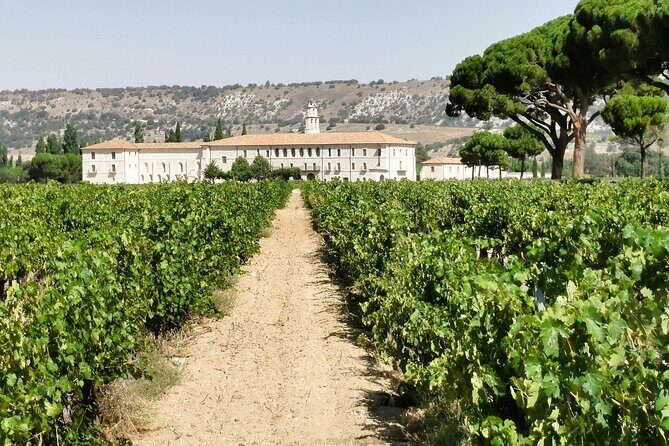
This is the kind of tour that starts like it means business. The day begins at 8:30am, and you get pickup and drop-off at your hotel or apartment lobby. For me, that’s a big value point: you skip the hassle of trains, transfers, and standing around with a map in your hand while everyone else is already on the road.
The total duration is about 9 hours, and the schedule is designed to fit three strong experiences: two winery visits and a medieval town stop with lunch. That matters because Ribera del Duero is not just one pretty valley—it’s a set of different wine zones, cellar styles, and production approaches. A rushed version tends to feel like a tasting marathon. A well-timed version helps you understand what changes from winery to winery.
Two other practical notes you’ll appreciate: this tour runs in English, and it uses a mobile ticket. The small group limit (up to 8 travelers) also tends to make the experience feel less like a factory tour and more like you’re joining a focused wine conversation.
The one caution: it’s a good fit for people who want structure. If you hate early starts, this won’t magically become a late breakfast day trip.
You can also read our reviews of more guided tours in Madrid


Dominio de Cair: Avant-Garde Architecture, Subway Cellars, And Barrel Tastings
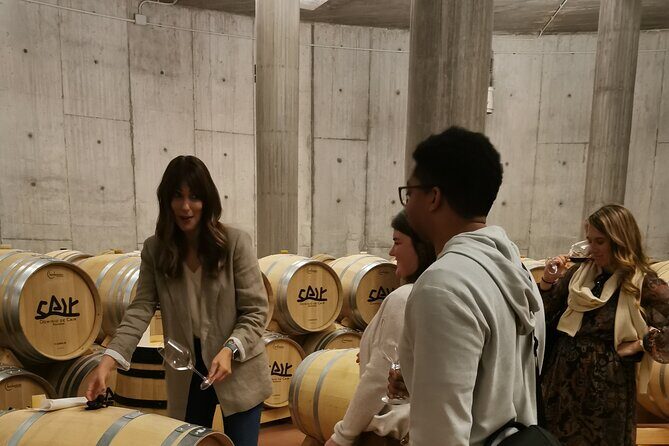
Your first winery stop is Bodegas Dominio de Cair, and it’s built for contrasts. The estate is known for a modern, avant-garde building that aims to be functional, beautiful, and integrated into the territory. Even before you taste, this helps you read the region: Ribera del Duero isn’t frozen in time—it’s producing with modern planning while still leaning on old geography.
Inside, you’ll learn about grape cultivation in an extreme climate, plus the winemaking techniques and aging times. That’s the helpful part: winemaking gets explained in plain language, then connected to what you’ll taste later. Instead of memorizing wine terms, you start understanding why something tastes a certain way.
Then comes a very “only-in-a-winery” moment: the tour includes a tasting focused on American and French barrels. The setting is a subway cellar, which is exactly the kind of space that makes barrel talk feel real. Cool, stable temperatures are not glamorous, but they’re crucial. If you’ve ever wondered why cellars matter beyond vibes, this part makes it click.
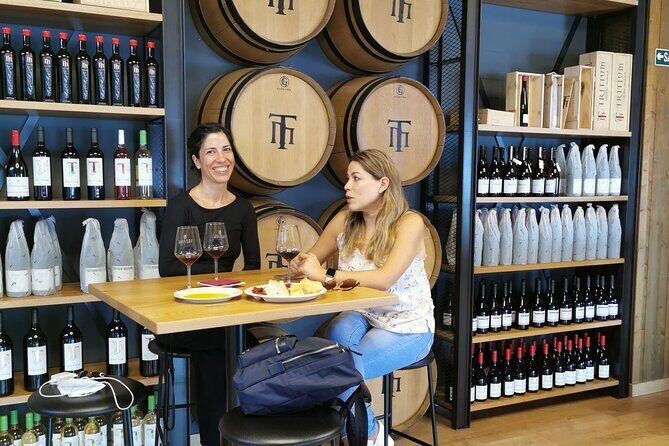
After the barrel tasting, you head to the wine bar to try three of their best wines, surrounded by old vineyards around the winery. That vineyard context is a quiet win. You’re tasting with a sense of place, not just a menu.
The one consideration here is pace. Three wines plus cellar education plus barrel discussion can add up. If you’re sensitive to stronger red wine styles, pace yourself and take breaks between glasses.
Ismael Arroyo / ValSotillo: A 16th-Century Family Winery With Thousands Of Barrels
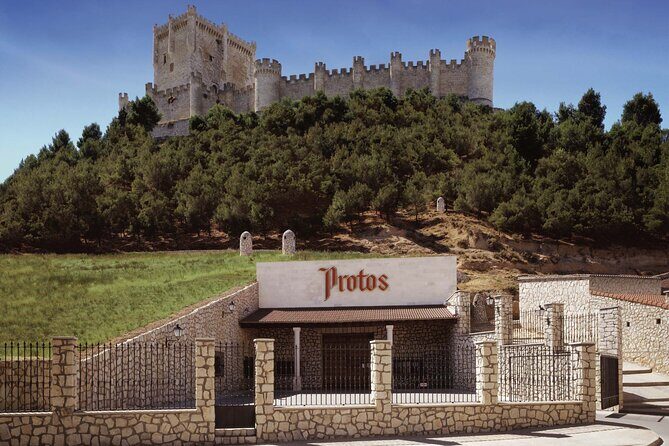
Next up is Bodegas Ismael Arroyo | ValSotillo – Ribera del Duero, a family-run operation that brings a different flavor of expertise. This stop is tied closely to the denomination’s identity: the winery is described as a promoter of Ribera del Duero D.O. That matters because it signals a relationship with the rules and culture of the region, not just commercial production.
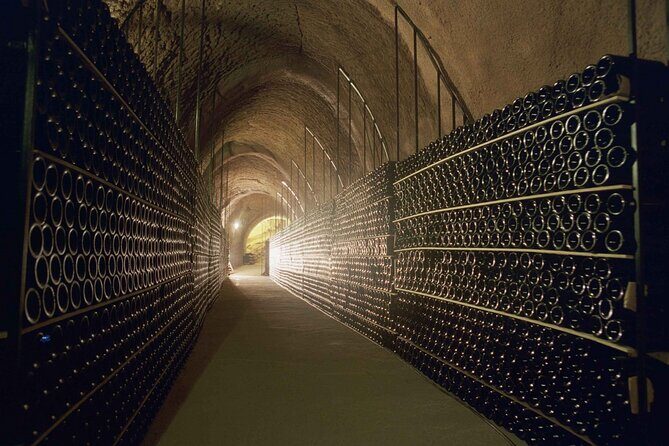
One of the standout facts is their subway winery layout—specifically, they own the largest subway winery still in production in the region. And this is where “why this tour is worth paying for” becomes clear. You’re not hearing about cellars in theory. You’re walking inside a system designed for storage and aging, with the physical scale made obvious by the thousands of barrels.
The tour is also more intimate than you might expect because the owners guide you through the experience. The visit is described as taking place inside the land where more than a thousand barrels keep some of Spain’s best wines. There’s also a historic angle: the winery dates back to the 16th century, and it’s often likened to a wine cathedral. That comparison isn’t just poetic. In a place like this, height, temperature control, and stonework all start to feel like parts of a machine for aging.
If you’re the kind of person who likes seeing how tradition and modern technique can share the same room, this stop delivers. You’ll get the sense of what the underground structure contributes to the wine over time.
Potential drawback? This is another cellar-heavy moment after Dominio de Cair, so your schedule will feel layered: education, then tastings, then more education. I’d call it worth it—but bring patience if your brain needs a breather between venues.
Gumiel Del Mercado: Medieval Underground Cellars And A Lunch With Wine-Making Traces
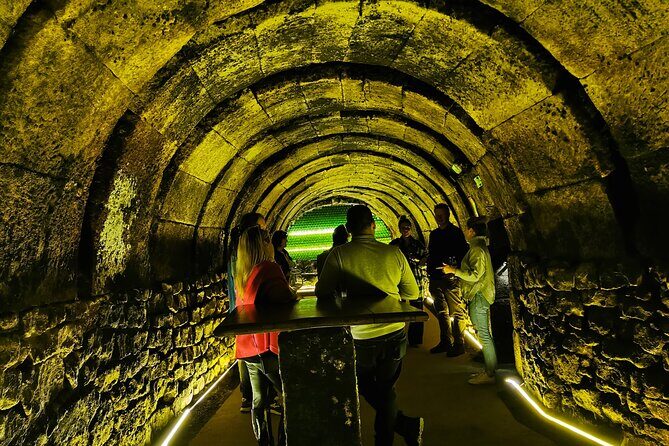
After the wineries, the trip shifts into place and community with Gumiel del Mercado. This is a medieval town defined by an underground side. You’ll explore the mountain-like area of historical underground cellars, where you can step into hundred-year-old wineries and see how some neighbors keep making wine in a traditional style.
This part is valuable because it expands your definition of “winery.” Some people only think of tasting rooms with retail displays. Here, you’ll see wine life that’s tied to older underground infrastructure and local continuity. Even if you’re not a technical wine nerd, you’ll likely notice how different the experience feels when it’s smaller, older, and still in use.
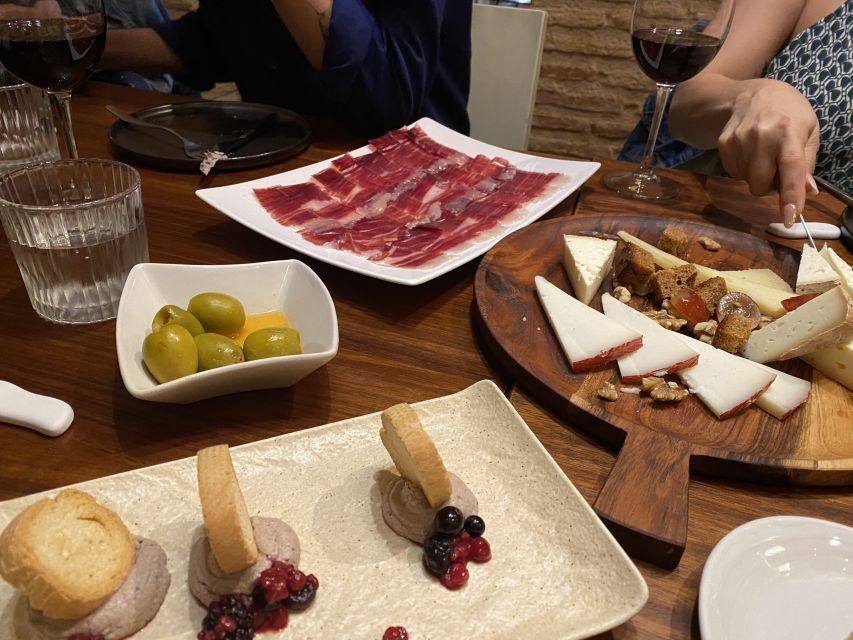
Then comes lunch. You’ll have time for a traditional meal at a restaurant described as surrounded by locals. Here’s the extra detail I like: the restaurant used to be a centennial winery with traces of the old activity still visible. That means you’re eating while surrounded by physical reminders of wine work—less staged, more grounded.
One review highlight notes the lunch included a new-style food presentation alongside the overall traditional meal setting. Translation: you may get a mix of classic comfort and a more modern plate look, without losing the local feeling.
Practical tip for your enjoyment: eat like you mean it, but don’t overfill. This day already includes multiple tastings, and the best strategy is to keep energy up without making the last stretch feel sleepy.
Enrique The Winologist Guide: Why The Explanations Matter As Much As The Sips
Here’s the thing about good wine tours: the wine is great, but the real memory is what you understand afterward. This is where Enrique makes a difference. The reviews highlight his passion, and the way the tour is described suggests you’ll feel it throughout the day.
Enrique is not presented as a generic interpreter. He’s described as being a winery owner himself, and that shows in the tone: he talks about the process, the types of wine, the grapes, and the land with real practical knowledge. You’re not just collecting facts—you’re learning the logic behind how Ribera del Duero works.
Another detail that stands out is how he sets the table before you even reach the first stop. You’re picked up from your hotel, then you receive lots of fascinating information on the drive to help the region make sense. That’s smart teaching. When the first tasting arrives, your brain already has a framework.
One of the review highlights mentions a look at an actual wine press being restored. That kind of moment is gold because it turns your understanding from abstract to hands-on. You see that winemaking is labor—machines, maintenance, and long planning—not just vibes and glassware.
Bottom line: if you want more than a tasting flight, this is the kind of guide-led day that teaches you how to taste with better questions in mind.





Price And Value For $480.56: What You’re Really Paying For
Let’s talk money without drama. At $480.56 per person for an approximately 9-hour tour, it’s not a bargain price. But this tour looks like it justifies itself with built-in inclusions and fewer wasted minutes.
Here’s what helps the value calculation:
- Pickup and drop-off from your hotel lobby
- A small group (maximum 8 travelers), which usually means a higher ratio of attention
- Admission tickets included for the first two winery stops
- Tastings included as part of those winery experiences, including a barrel-focused tasting and tasting of three wines at the first stop
- Lunch is part of the day, and it’s set in a restaurant with old winery traces
So what are you paying for? Time saved, expert guidance, and wine access that’s difficult to recreate solo without planning. You’re also paying for a structured day that compresses three distinct experiences into one flow: modern winery storytelling, family cellar depth, and medieval underground tradition plus lunch.
If you’re a serious wine fan, this kind of focused itinerary can feel worth it fast. If you’re more casual, you might ask whether you’ll enjoy long cellar time. The tour is designed for people who want to understand wine, not just sip.
Also, the booking pattern notes an average of 74 days in advance. That’s often a sign the day trip is popular and slots can fill, so if you’re eyeing specific dates, don’t treat it like a last-minute gamble.
Who This Ribera Del Duero Day Trip Suits Best
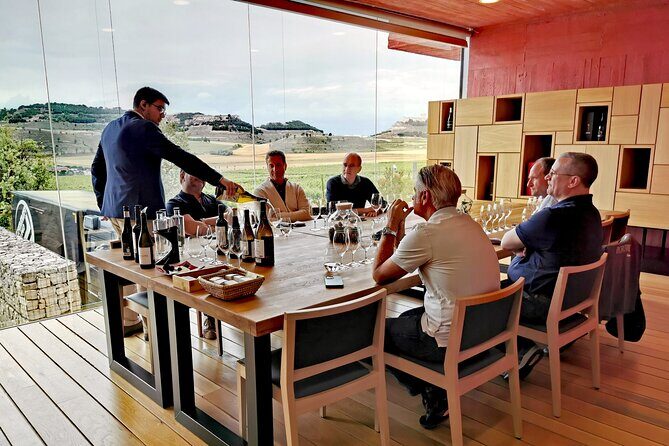
This tour is best for you if you want a guided day that connects wine to place. It’s a good match if you:
- Like small-group tours where you can ask questions and not feel rushed
- Enjoy learning about grapes, aging, and cellar logic rather than just tasting
- Want a mix of modern winery design and traditional underground production
- Prefer English explanations led by someone with real winery experience (Enrique)
It’s also a strong choice if you’re staying in Madrid and want a structured escape without dealing with transit logistics. The hotel pickup helps a lot.
You’ll want to be flexible in one more way: the experience requires good weather. That doesn’t mean you’ll cancel over rain alone, but weather affects how comfortable and workable outdoor parts and travel segments are.
Should You Book This Premium Ribera Tour?
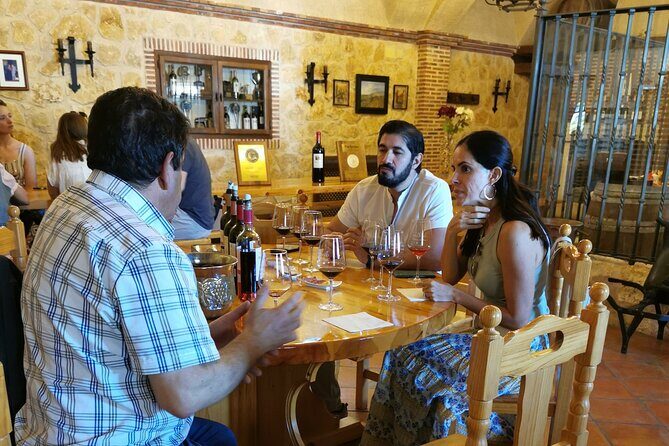
I’d book this if you care about wine education and want tastings tied to real cellar settings. The standout strength is the combination of owner-level winery access, a guide like Enrique who explains what you’re tasting, and a second half of the day that goes beyond wineries into Gumiel del Mercado’s underground tradition. Lunch adds a human rhythm too, especially with that old winery-turned-restaurant vibe.
Skip it (or at least think twice) if you want a light, slow day with minimal structure. This is a day with multiple stops, cellars, and tastings, and it starts early.
If you do book, come with comfortable shoes and a curious mindset. You’ll get more out of it when you treat each tasting as a clue, not just a sip.
FAQ
How long is the tour?
The tour lasts about 9 hours.
What time does the tour start, and is pickup included?
It starts at 8:30am, and pickup is offered from the lobby of your hotel or apartment, with drop-off at the end.
Which wineries and town are included?
You’ll visit Bodegas Dominio de Cair, Bodegas Ismael Arroyo | ValSotillo, and the medieval town of Gumiel del Mercado.
Are tastings included?
Yes. The first winery includes tastings that cover American and French barrels and a tasting of three of their wines. The winery tour also includes tastings as part of the experience.
Is lunch included?
Yes. Lunch is included during the Gumiel del Mercado portion of the day.
How many people are in the group?
The group maximum is 8 travelers.
What language is the tour offered in?
The tour is offered in English.
What happens if the weather is poor?
The experience requires good weather. If it’s canceled due to poor weather, you’ll be offered a different date or a full refund.
Can I get a refund if I cancel?
Yes. You can cancel for a full refund if you cancel at least 24 hours before the experience’s start time.