REVIEW · MADRID
Ribera del Duero Wine Tour: Two Wineries and Tasting
Book on Viator →Operated by Vine Travel · Bookable on Viator
Ribera del Duero tastes like a full story. This day trip strings together two wineries with very different settings, from vineyard education at Bodegas Nabal to the underground tunnels at Bodegas Ismael Arroyo. I love the small-group pace (max 8), and I love that tastings are built in at both stops, so you get real comparisons instead of one quick pour.
One thing to plan for: the schedule is long, with about 2 hours each way in the car. If you’re sensitive to long drives or want lots of free time for wandering, this can feel packed, even though it moves smoothly with guided structure.
In This Review
- Key highlights you’ll feel all day
- A smooth Ribera del Duero day from Madrid (8–9 hours total)
- Driving out of Madrid and arriving in Ribera del Duero
- Bodegas Nabal: vineyard walk, guardaviña, and the cathedral ageing room
- The Nabal tasting: 3 wines plus snacks, paced for your senses
- Optional lunch in Ribera del Duero: suckling lamb if you want it
- Bodegas Ismael Arroyo: D.O. Ribera del Duero primer in Val Sotillo
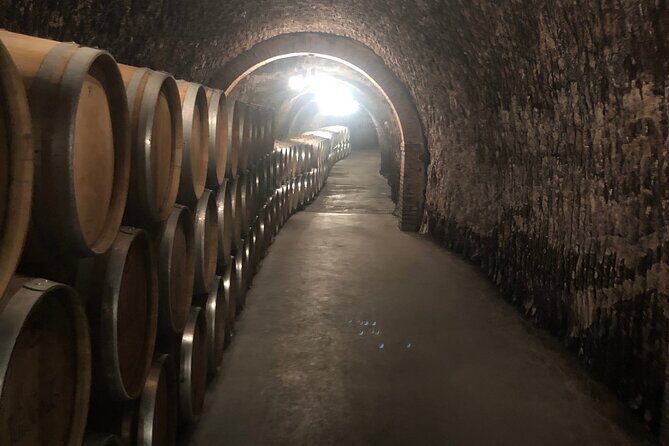
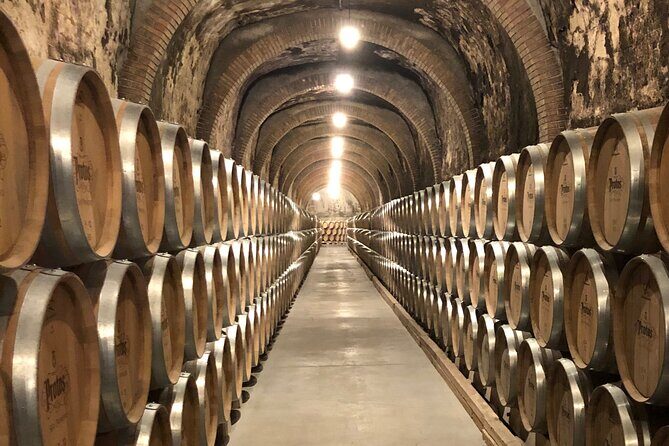
- Underground tunnels at Ismael Arroyo: why the cellar story is physical
- Drinking, driving, and small-group comfort
- Price and value: what $300.40 per person buys you
- Who should book this tour (and who should think twice)
- Should you book this Ribera del Duero wine tour?
- FAQ
- What time does the tour start?
- Is pickup available?
- How long is the Ribera del Duero Wine Tour?
- How many wines will I taste?
- Is lunch included?
- Will we walk in the vineyards?
- How many people are on the tour?
- What is the cancellation policy?
Key highlights you’ll feel all day
- Small group (max 8): more time for questions and slower, human pacing.
- Two very different wine settings: above-ground vineyard talk, then underground tunnels.
- 6 wine tastings total: 3 wines at each winery, with snacks and water along the way.
- Vineyard education at Bodegas Nabal: including a guardaviña structure and vine-growth discussion.
- Cathedral ageing room visit: a dramatic stop that’s part tour, part atmosphere.
- Optional lunch, locally booked: suckling lamb with reservations if you want the full Ribera meal.
A smooth Ribera del Duero day from Madrid (8–9 hours total)
This is a classic long-day wine trip: you leave Madrid in the morning, spend most of the day in Ribera del Duero, then return after the second winery. You start at 9:00 am, and you’re looking at roughly 8 to 9 hours overall, with around 2 hours driving each way. That driving time matters, because it shapes your energy level: you’ll want a good breakfast and something light to nibble before the first tasting.
The upside is that the tour does the hard part for you. You get an air-conditioned vehicle, plus bottled water and snacks so the day doesn’t feel like a constant hunt for food and shade. It’s also designed for conversation, not just checkmarks: you’re guided through processes and history points, then you taste, then you talk again.
One more practical point: this tour is usually booked about 16 days in advance on average. That’s not a guarantee, but it’s a good hint that you’ll be happier booking early rather than betting on last-minute availability—especially with a small maximum group size.
You can also read our reviews of more food & drink experiences in Madrid


Driving out of Madrid and arriving in Ribera del Duero
After pickup is confirmed the day before, you’ll head out from Madrid and start the day with the long, scenic shift from the city to wine country. The transfer is about 2 hours, and it’s part of why this tour works: you’re not trying to route yourself, park yourself, and coordinate winery visits on your own.
Once you arrive, the tone changes from travel mode to learning mode. The tour doesn’t start with tastings right away. Instead, it moves into winery and vineyard context so your palate has something to hold onto. That’s the real value of a guided format in wine country: the tastings land better when you understand what you’re looking at.
Also, plan your expectations around comfort. You’re sitting in the vehicle a fair bit, so dress for indoor-to-outdoor changes. Some parts involve walking in vineyards, and the tour notes that vineyard walking is weather permitting, so you may swap to more indoor time if conditions aren’t great.
Bodegas Nabal: vineyard walk, guardaviña, and the cathedral ageing room
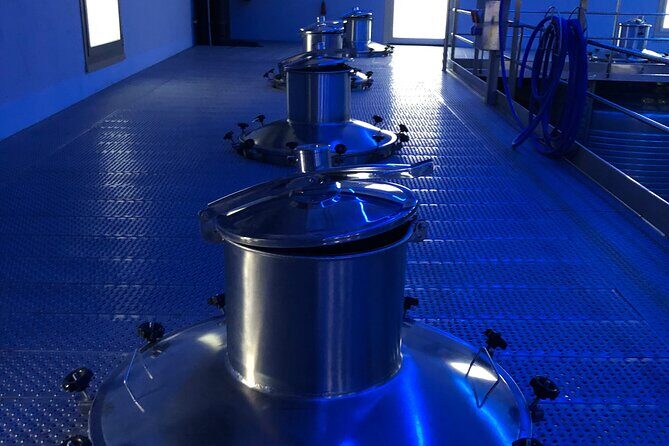
Bodegas Nabal is where this tour shows its education side. You start with a walkthrough of the vineyards if the weather allows it. This isn’t just a scenic stop; you’ll talk about vine growth and see a small structure called a guardaviña, which helps explain how vines were traditionally watched over and managed.
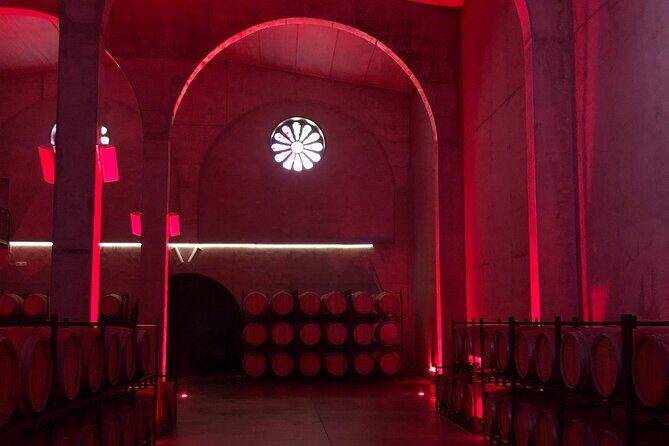
Then you head into the winery to go through winemaking processes. The goal here is to make the steps feel logical rather than mysterious: how fruit becomes wine isn’t presented as a secret ritual, but as a sequence of choices. After that, you’ll visit the cathedral ageing room, an experience that feels more atmospheric than technical—cool, dramatic, and designed for aging.
Why this stop works for most people: it gives you both hands-on context and a memorable setting. Even if you’re not a wine geek, you’ll come away with clearer mental links between vineyard life, cellar decisions, and what ends up in your glass.
Possible drawback: if you dislike walking outside or you’re traveling in bad weather, the vineyard portion may be reduced. The winery day still happens, but your outdoor time could be shorter than you hoped.
The Nabal tasting: 3 wines plus snacks, paced for your senses
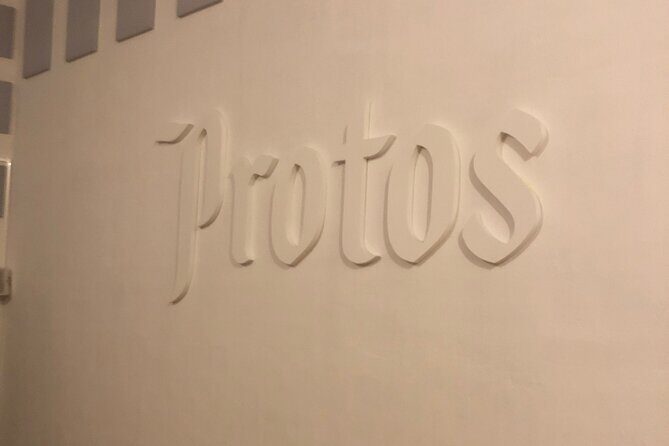
After you’ve toured Bodegas Nabal, the visit ends with a tasting of three wines, plus snacks. This is a smart structure because it follows the tour portion closely, while the information is still fresh in your mind.
Instead of tasting blindly, you’ll have heard about the winemaking processes and seen how the winery spaces work. That helps you notice differences: you can ask questions about what you’re tasting, and the snack and water support keeps things comfortable through the full tasting.
This tasting is also where you get your first real sense of Ribera del Duero style. Since the tour includes another winery later, this early set gives you a reference point. If one winery’s wines feel lighter or more expressive to you, the second stop can either confirm that preference or surprise you.
Tip for getting more out of it: take small notes on what you like and why—acid, fruit, heaviness, or aroma style—right after you taste each wine. You don’t need to be fancy. Even quick reminders help when you compare at Bodegas Ismael Arroyo.
Optional lunch in Ribera del Duero: suckling lamb if you want it
Lunch is not included in the base price, but it’s offered as an optional local meal. You get about 1.5 hours of time for it, and if you choose to eat locally, the tour makes reservations ahead of time with one of their favorite restaurants.
The specific local option highlighted is suckling lamb, plus you should expect the cost to be around €45 per person, including wine and coffee. If you’re hungry and you want the day to feel more like an actual Ribera outing (not just two wine stops and a car ride), this is usually the best way to do it.
If you’d rather keep the schedule tighter or you’re watching your budget, you can skip lunch and head straight to the second winery. That choice also works if you know you want more time for tasting and questions later.
My practical advice: if you take lunch, go in hungry. With the wine tastings already on board, you’ll feel better if lunch is a proper meal, not just a quick bite.
You can also read our reviews of more wine tours in Madrid




Bodegas Ismael Arroyo: D.O. Ribera del Duero primer in Val Sotillo
Bodegas Ismael Arroyo is where the tour shifts into history and structure. Before you even start the deeper winery tour, you’ll begin in Val Sotillo and get an explanation of important points about the D.O. Ribera del Duero. It’s a helpful primer, because it frames why the region’s wines taste the way they do and how the wine rules shape the final result.
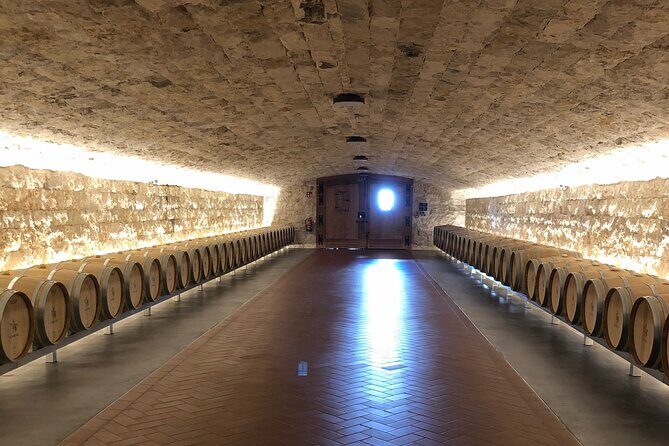
Then you embark on the winery visit to learn about winemaking, leading you into a network of underground tunnels. This is described as a fundamental part of the history of winemaking in the area, and it shows how Ribera del Duero isn’t just about grapes—it’s also about how people worked with the land and the cellar environment.
If you like when a tour connects facts to physical spaces, this stop will click. If you just want tasting and don’t care much about the explanations, you might want to keep your questions short and focus on enjoying the atmosphere.
One note: the visit includes an entrance ticket, so you’re not doing extra payment puzzles mid-day. That’s a small thing, but it reduces stress on a packed schedule.
Underground tunnels at Ismael Arroyo: why the cellar story is physical
The underground tunnels are the main set-piece here. You’re not just told that the cellar environment matters; you’re guided through the tunnel network that shaped how winemaking worked over time.
What makes this meaningful is the connection between wine and climate control. Even without a long lecture, you can usually feel the difference in the cellar area—cooler, steadier, quieter. That kind of temperature stability is exactly what you want for aging, and the tunnels are part of why Ribera del Duero winemaking earned its reputation.
Also, tunnels create a different pace than a normal winery room. People slow down. You end up listening more and paying attention to the guide’s cues. That helps your tasting later, because you’re mentally switching from travel mode to cellar mode.
Practical tip: wear comfortable shoes. You might not expect this on a wine tour, but when tunnels and winery rooms are involved, you’ll appreciate support and grip.
Drinking, driving, and small-group comfort
This tour is designed so you don’t have to worry about logistics once you’re picked up. You travel in an air-conditioned vehicle, and the tour includes snacks, bottled water, and tastings at both wineries. That combination matters because it keeps the day from turning into a rigid “tasting then hope you feel fine” routine.
Group size is a big deal too. With a maximum of 8 travelers, you’re more likely to get direct answers to questions and you won’t feel like a number in a line. This becomes especially useful when you’re learning about things like vine growth methods, cellar decisions, or why a region’s DO framework matters.
Language is another practical point. The tour is offered in English, and the day is paced in a way that should work for most participants. The tour notes that most travelers can participate, so this isn’t a hardcore technical experience—just a guided day with a bit of walking depending on weather.
If you’re sensitive to alcohol, know that there are 6 wine tastings total. You’ll taste multiple wines, and you’ll be offered snacks and water, but it’s still a wine day. Consider traveling with a mindset of sampling rather than trying to “power through.”
Price and value: what $300.40 per person buys you
At $300.40 per person, this tour is not a bargain-basement option. But it’s also not just paying for a bus ride and two glasses. You’re paying for a full-day program that covers transport from Madrid, admission to the wineries (including tastings), and guided time at two locations.
Here’s what you’re effectively getting for the price:
- Two winery visits with guided components at each stop
- Tastings of 3 wines at each winery (6 total), plus snacks and bottled water
- A structured day with time for optional lunch if you choose it
- Air-conditioned transportation, which matters during warm seasons
The optional lunch cost is separate (around €45 per person with wine and coffee), so your total day cost can flex depending on what you choose to eat.
One more value factor: the tour is available in English and keeps the group small. That can be the difference between hearing about wine and actually understanding what you’re tasting.
If you were to self-organize, you’d still need transport, winery reservations, and a way to move between stops without losing half the day. This tour compresses all that work into a single plan.
Who should book this tour (and who should think twice)
You’ll probably enjoy this most if you want:
- A guided day with two winery experiences rather than one
- Tastings that total 6 wines, with context so you can compare
- A small group setting where questions feel normal
- Vineyard and cellar learning, not just drinking and moving on
It may feel less ideal if:
- You hate long drive days and want more time to roam freely
- You’re expecting unlimited free time at each winery
- You’re traveling with very limited interest in the educational side
One detail that can help you decide: the vineyard walk at Bodegas Nabal is weather permitting. If you’re coming at a time when rain is likely, you might not get the full outdoor portion, though the winery tour and tasting still happen.
Also, if you have a specific must-do meal plan and don’t want your schedule influenced by reservations, you may prefer skipping lunch and focusing only on the wineries.
Should you book this Ribera del Duero wine tour?
I think this is a strong booking for the “I want the highlight day, done right” traveler. You get two different winery experiences, a clear learning arc from vineyard to cellar, and enough time structure to keep the day from feeling chaotic.
If you enjoy tasting with context, the combination of Bodegas Nabal’s guardaviña and cathedral ageing room plus Ismael Arroyo’s underground tunnels is a compelling pairing. And if you’re lucky enough to have a guide like Michael, the day tends to feel professional and friendly, with a pace that doesn’t rush your questions.
If your budget is tight, know lunch is extra and the tour price isn’t low. But if you want convenience, a small group, and a curated day that actually teaches you something while you taste, this is worth it.
FAQ
What time does the tour start?
It starts at 9:00 am.
Is pickup available?
Yes, pickup is offered, and the exact details will be confirmed the day before.
How long is the Ribera del Duero Wine Tour?
The duration is about 8 to 9 hours.
How many wines will I taste?
You’ll taste three wines at each winery, for a total of six wines.
Is lunch included?
Lunch is optional and not included in the price. If you choose it, you can expect around €45 per person including wine and coffee.
Will we walk in the vineyards?
There is a vineyard walk at Bodegas Nabal, and it happens weather permitting.
How many people are on the tour?
The tour has a maximum of 8 travelers.
What is the cancellation policy?
You can cancel for a full refund if you cancel at least 24 hours before the experience’s start time. Cancellation within 24 hours of the start is not refunded.