REVIEW · SALAMANCA
Salamanca: Private Guided Customizable Walking Tour
Book on GetYourGuide →Operated by Paseando por Europa · Bookable on GetYourGuide
Salamanca clicks into focus with a local guide. This private walking tour lets you shape the route and the timing, with a Spanish-speaking guide for just your group. You choose the meeting point in the historic center, and your guide shows up with a teal umbrella or flag for easy recognition. I like that you control the pace and can call for breaks for coffee, photos, or shopping. I also like the way guides like Carlos link landmarks to Spanish stories and legends in a playful, clear way.
One thing to plan for: some tickets and interior visits aren’t included, so your final cost depends on which extras you choose.
In This Review
- Key highlights to plan around
- Why a private, customizable walk works so well in Salamanca
- Meeting your guide: choose the spot, then set the rhythm
- Plaza Mayor and the nearby squares: getting your bearings fast
- Casa de las Conchas and the University: seeing the symbols up close
- Casa Lis and the art stops: mixing eras without getting lost
- Cathedral of Salamanca and the river walk: two moods, one route
- Unamuno House Museum and Torre del Clavero: faces behind the city
- Convent stops: San Esteban and Las Dueñas for a calmer, quieter feel
- Cave of Salamanca and Casa de las Muertes: story stops that add spice
- How long is enough: 3 vs 6 hours and what gets cut
- Price and value: what $117 for up to 5 people really buys
- What to bring and how to avoid common snags
- Who should book this private Salamanca tour
- Should you book it?
Key highlights to plan around
- Spanish-only guiding for your private group means no language gap and more back-and-forth
- You pick the route focus: classic sights, quieter neighborhoods, or both
- Meeting point flexibility: your guide waits anywhere in the historic center
- Time is yours to manage with photo stops plus coffee/shopping breaks on demand
- A smart mix of Salamanca scenes: plazas, university buildings, convents, river, and legend-style stops
Why a private, customizable walk works so well in Salamanca
Salamanca rewards slow wandering. The city is built for it: plazas that beg for a quick coffee, narrow lanes where you want to turn left just because, and big monuments that make more sense when someone explains the symbolism while you’re standing in front of it.
This tour is designed for that kind of travel style. It’s private, so you’re not herded into one fixed script. You tell your guide what you care about—cathedral views, university life, river strolls, art, or story-driven corners—and the walking route adjusts.
The other big win is that the guide’s job isn’t just to recite dates. It’s to connect what you see to the city’s cultural memory. That’s where Salamanca starts to feel less like a checklist and more like a place.
You can also read our reviews of more walking tours in Salamanca

Meeting your guide: choose the spot, then set the rhythm
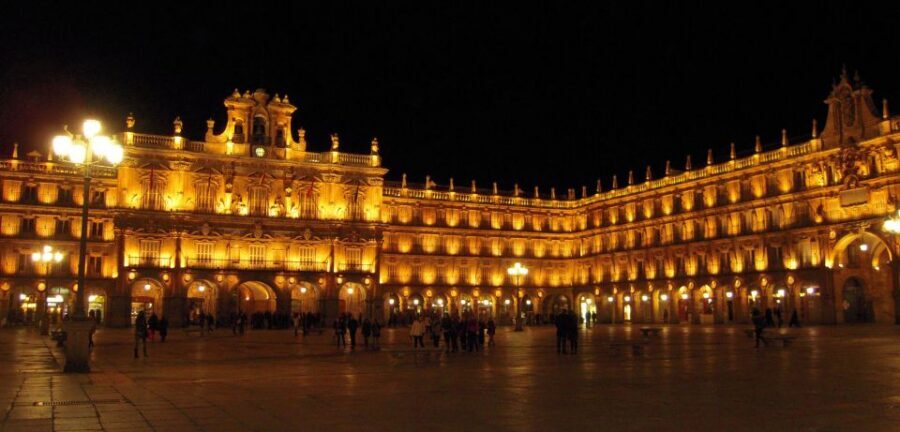
You get to decide where the tour starts—anywhere in Salamanca’s historic center. Pickup can be at the door of your hotel, or at the exact place you indicate. Just be ready for the meet time: you need to arrive about 15 minutes early, since the guide will wait where you tell them.
Recognition is easy. Your guide carries a teal umbrella or flag and has accreditation. It’s a small thing, but it saves time and stress, especially in a busy central area where meeting points can get confusing.
Then you control the pace. The format works because the guide builds in time for photo stops and short guided explanations, but the tour isn’t locked to a stopwatch. If you want an extra minute for a view or you’d rather stop sooner for coffee, you can. That flexibility matters in Salamanca, where the best moments are often unplanned: a good angle, a street that feels right, or a pause you didn’t expect.
Also, it’s described as wheelchair accessible. You’ll still be walking, so if you use a chair, you’ll want to think about your own stamina and be ready to request a practical route.
Plaza Mayor and the nearby squares: getting your bearings fast
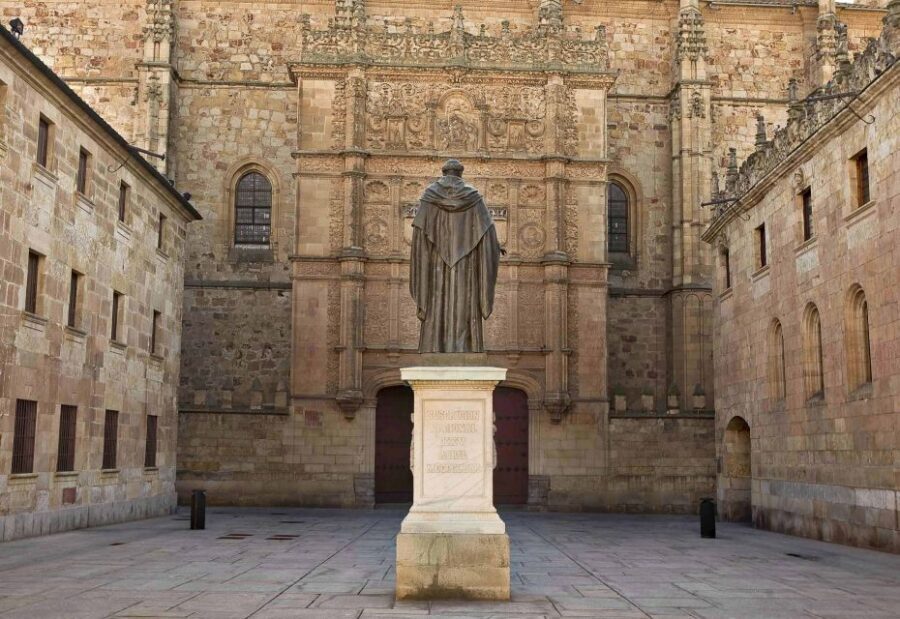
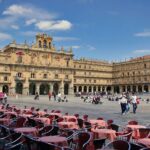
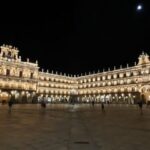
Most great city walks start with orientation, and Salamanca’s central plazas do that job well. The tour typically begins at Plaza Mayor, where you’ll get a photo stop plus a guided introduction. This is a good first stop because it helps you understand the city’s layout and why the central spaces feel so ceremonial.
After that, you head to Plaza de las Agustinas for another short photo stop and guided walk-through. This kind of stop is ideal early in the tour: it’s not too long, but it gives you visual “anchors” so the rest of the walk makes sense.
Potential drawback: if you’re prone to rushing (or you’re coming in after a long travel day), the first plazas can feel like a lot of “looking and listening” at once. If that’s you, ask for a slightly slower rhythm right at the start so the tour stays enjoyable instead of exhausting.
Casa de las Conchas and the University: seeing the symbols up close
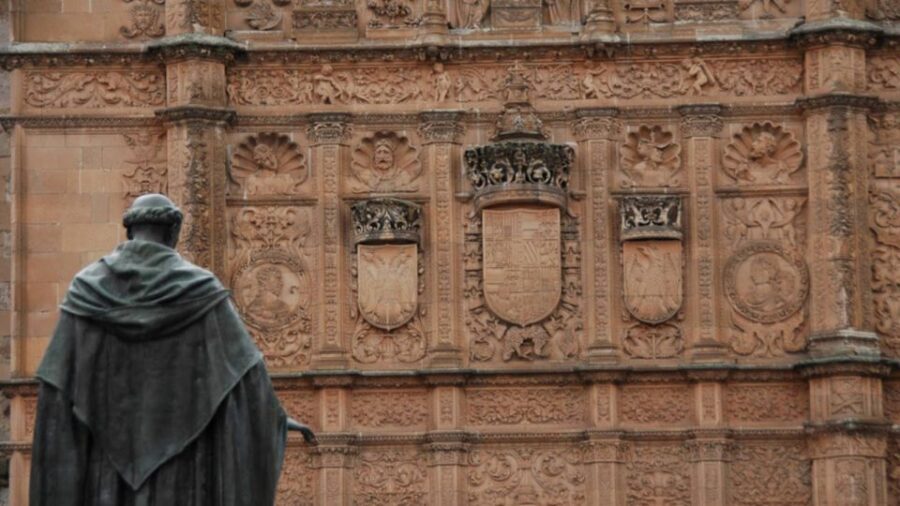
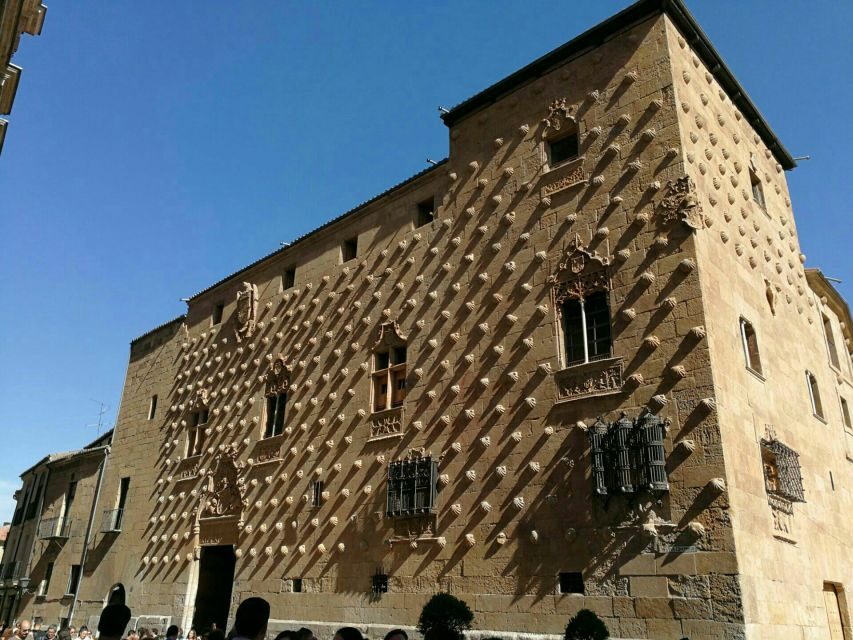
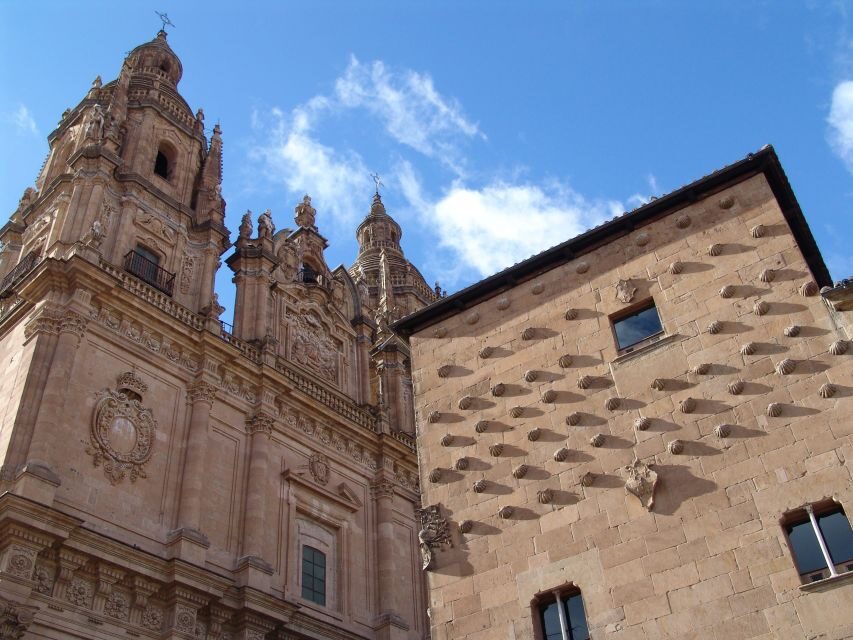
Next comes Casa de las Conchas. This is one of those stops where being there in person beats any photo. You’ll get time to look closely, take pictures, and learn what the building represents, not just what it looks like.
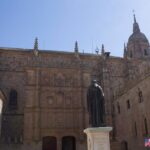
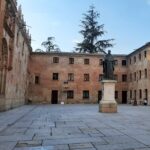
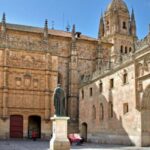
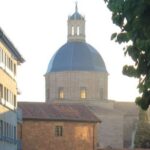
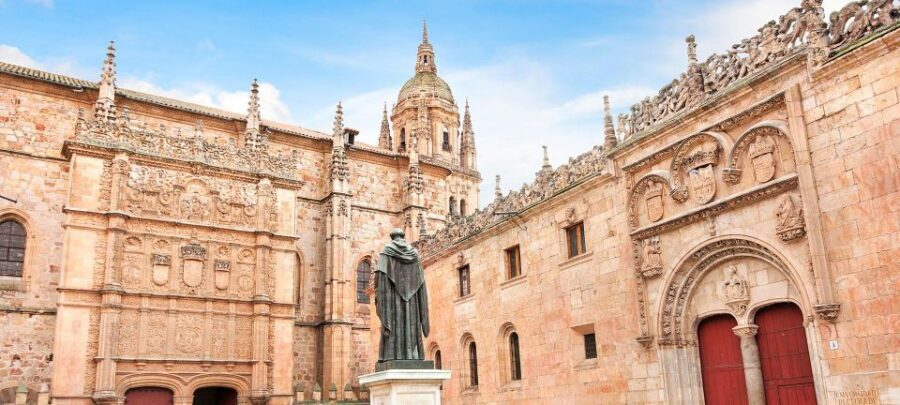
From there, the tour moves to the University of Salamanca area. This is where you’ll start to feel why the city’s identity is tied to learning. The tour can include time at the university’s interiors, depending on what’s agreed and available, so it’s a strong option if you like buildings with “brain power” behind them.
Here’s the practical beauty of this part: university sites tend to reward attentive looking. Even short explanations can make details pop, especially when you’re standing right where the story happened.
A note on planning: interior visits and special access (like certain tower viewpoints) may involve tickets, which aren’t included in the tour price. If you care about going inside, treat it as something you decide during the tour planning, so there are no surprises.
Casa Lis and the art stops: mixing eras without getting lost
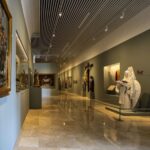
If you want variety, Casa Lis is a smart mid-tour anchor. The tour includes it for a photo stop and guided time, and the description points out that it’s an Art Deco and Art Nouveau museum setting. That alone makes it a refreshing break from the cathedral-and-stone rhythm.
You’ll also get a chance to shift your interests here. Want more art focus? Tell your guide. Prefer a heavier architectural theme? Tell them. One of the best parts of a customizable private tour is that you’re not stuck with someone else’s priorities.
Then you’ll continue toward the big sights. This section works because it doesn’t feel like filler. It’s a tonal change that keeps your walk from becoming a single long string of “look at another old building.”
You can also read our reviews of more guided tours in Salamanca

Cathedral of Salamanca and the river walk: two moods, one route
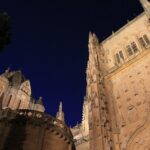
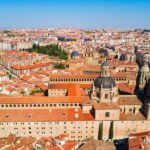
The Cathedral of Salamanca is the classic headline, and this tour handles it with intention. You’ll have a photo stop, guided time, and the option to plan an interior visit or even climb the towers. That’s a major decision point, because the “view payoff” can be huge if you’re up for the climb, and the cathedral interior can also change how you understand the building.
Practical consideration: climbing towers or going inside can mean added time and possibly extra cost. If you’re short on time or you’d rather keep the pace lighter, you can still get a lot from the outside views and the guided context.
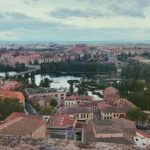
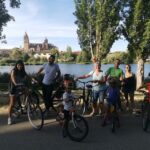
After the cathedral, the route shifts to something calmer: the Tormes River. You get another photo stop and guided time here. A riverside pause is a smart move because it resets your senses after big stone monuments. It’s also an easy way to get a different kind of photo—less “monument portrait,” more “Salamanca breathing.”
If the weather turns, you’ll still go out. The description says the tour is not canceled if it rains. That means bring a rain layer if you can, and keep expectations flexible. A wet-stone city can look dramatic, and the guide can help you adjust the plan on the fly.
Unamuno House Museum and Torre del Clavero: faces behind the city
Next on the route is Unamuno House Museum (Casa de Unamuno). This is where Salamanca starts feeling personal. Instead of only seeing architecture, you get a closer connection to the people and ideas tied to the city’s identity. The guided time here is designed to turn names into stories you can actually picture.
Then you’ll reach Torre del Clavero, another photo stop and guided segment. Towers in Salamanca aren’t just vertical shapes—they’re part of how the city watches over itself and how different eras left their fingerprints. Even in a shorter guided stop, this kind of location helps you connect the dots between buildings.
If you’re the type who loves “who mattered and why,” this section is a good match. If you’re more photo-focused, it’s still worth it, because the guide can point out what to look for fast.
Convent stops: San Esteban and Las Dueñas for a calmer, quieter feel
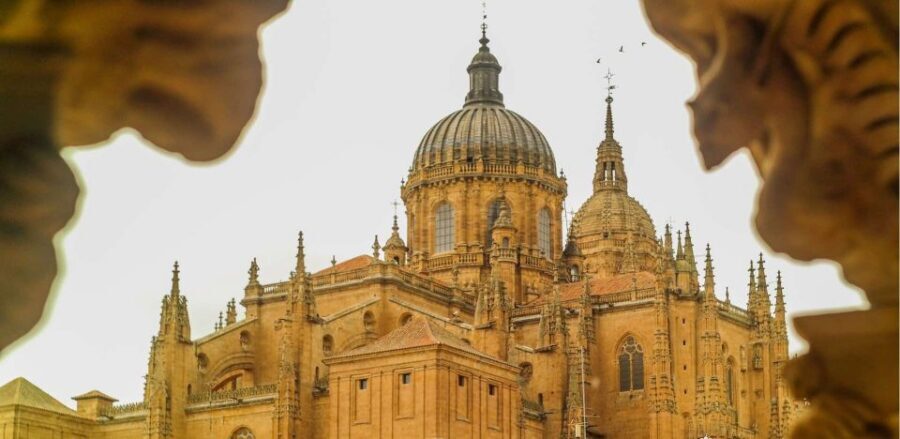
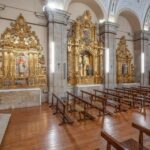
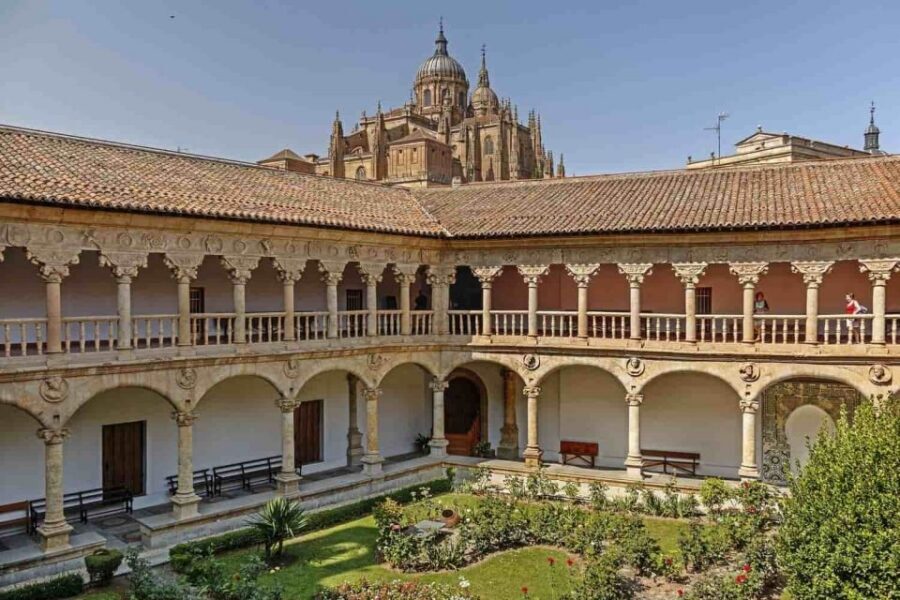
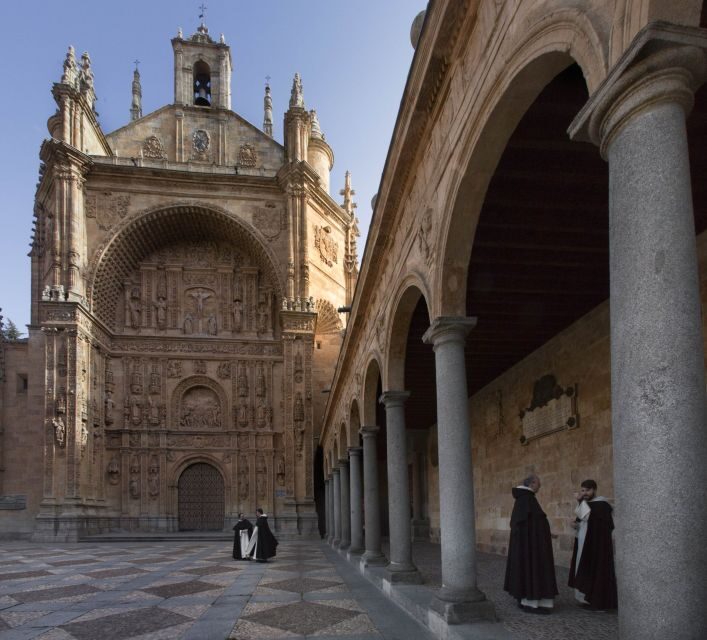
Two convent visits appear later in the itinerary: Convento de San Esteban and Convento de las Dueñas. Both are included with a photo stop and guided time.
These stops are valuable because they change the pace and mood again. After plazas, universities, and the cathedral, convent spaces often feel quieter and more reflective. That’s not just an atmosphere thing; it also helps you understand how Salamanca functioned as a community, not only as a tourist stage.
The possible drawback: convent areas can mean more “listening time” and more walking on uneven ground depending on the exact access. If you have mobility limits or you’re sensitive to long pauses, it’s smart to tell your guide early that you might want frequent micro-breaks here.
Cave of Salamanca and Casa de las Muertes: story stops that add spice
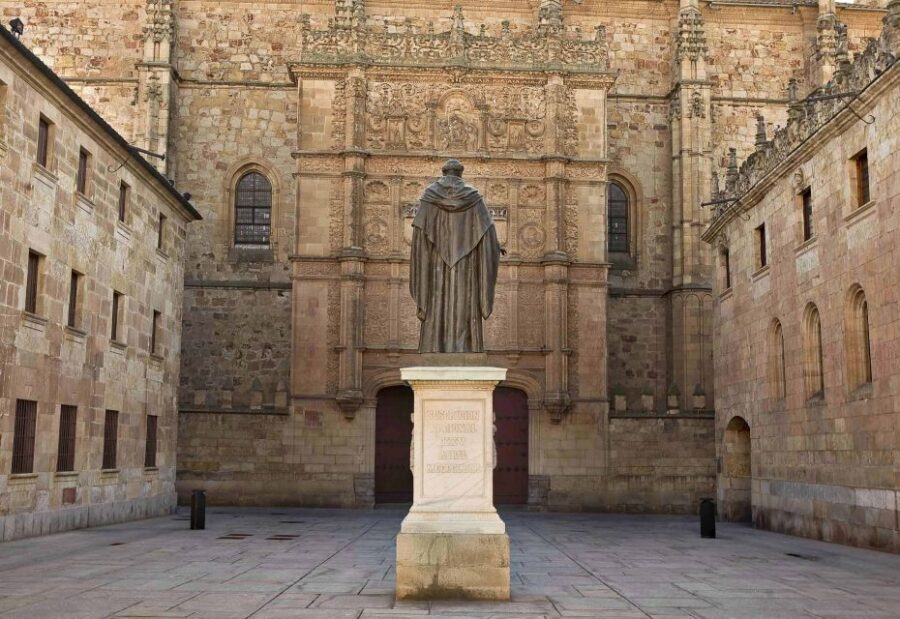
Then the itinerary includes Cave of Salamanca and Casa de las Muertes. These are the kinds of stops that feel like they belong to a city legend—places where the guide’s job shifts from explaining architecture to explaining meaning.
The tour description emphasizes stories and legends of popular culture. That’s exactly what you’re likely looking for in stops like these: not just a physical location, but a local way of thinking about the city.
I’d treat these as your “fun factor” segments. If you love spooky anecdotes, folklore-style connections, or anything that makes you feel like you’re walking inside a storybook, these stops can be a highlight. If you prefer strictly monumental sightseeing, you can still enjoy them, but you might want to ask your guide to keep the explanations short and focus more on atmosphere and photo angles.
How long is enough: 3 vs 6 hours and what gets cut
This tour runs 3 to 6 hours, with an itinerary that’s described as approximate and tied to the 6-hour option. If you choose the shorter version, the walking route will be briefer, so some stops may not fit.
How do you decide? Think about your travel style:
- If you want maximum coverage and don’t want to feel rushed, lean toward the longer option.
- If you’re already seeing Salamanca elsewhere, or you’re traveling with kids or anyone who gets tired quickly, the shorter option can be a smart way to get the strongest core sights and a taste of the city’s character.
A customizable private tour is most valuable when you can choose what matters most. So even in the shorter time window, you should pick your must-sees first: cathedral, river, a museum stop, and one or two “story” or art stops.
Price and value: what $117 for up to 5 people really buys
The price is $117 per group up to 5 for a private guided walking tour. That’s about $23–$24 per person if you fill the group, which is unusually practical for a private, Spanish-language guide.
Where the value shows up:
- You’re paying for time with a guide who can tailor the route to you, not one fixed tour script.
- You get pacing control—breaks for coffee, shopping, or photos—so you don’t lose time waiting for a group rhythm.
- You get flexibility on what you include, including options like interiors or tower access when they fit your interests.
Where value can shrink: if you add several paid monument entries or tower climbs, your total trip cost can rise since tickets aren’t included. Food and drink also aren’t included, so your “private tour day budget” still needs planning.
Still, for Salamanca, this is often the kind of tour that feels worth it because the guide turns major sights into something you understand right away.
What to bring and how to avoid common snags
Bring comfortable shoes. Salamanca’s charm comes with streets that can be uneven and steep in places, and you’ll be on foot for the whole experience.
Because it’s said that the tour always goes out even when it rains, consider bringing a light rain jacket or umbrella backup.
And be ready to decide on priorities quickly. The tour works best when you walk in with at least a rough idea of what you want: views from the cathedral, university interiors, art stop focus, or a story-heavy route.
Who should book this private Salamanca tour
This is a strong fit if you want:
- A private experience with a Spanish-only guide and the chance to ask questions without repeating yourself
- A route that mixes the big classics (like the cathedral and university) with softer, human-scale moments (river, squares, museums)
- Flexibility—coffee pauses, extra photos, detours into narrower streets, and a pace that suits your group
It’s also a great option for couples, small families, and small groups of friends who want a shared “guided day” without the feel of being on a tour conveyor belt.
Should you book it?
If you like understanding what you’re seeing while you’re standing in front of it, and you’d rather set your own pace than follow a script, this tour is a good bet. The private group size and Spanish-language guiding make it especially efficient.
I’d book it when your priority is clarity and choice: cathedral and university highlights, plus a few stops that give Salamanca its personality. I’d think twice only if you’re strict about staying inside paid-ticket spaces or you want a fully hands-off sightseeing day where nothing needs decisions—because inside access and extra visits depend on what you choose and what tickets cost.