REVIEW · SALAMANCA
Salamanca: Monterrey Palace Audio-Guided Tour
Book on GetYourGuide →Operated by Palacio de Monterrey · Bookable on GetYourGuide
Palaces teach fast when you hear them right. This self-guided audio tour of the Palacio de Monterrey in Salamanca lets you roam through intimate quarters, while an audio guide brings the place to life. I especially loved the chance to connect the rooms to the people who lived there—first the Monterrey family, later the House of Alba—and not just look at walls.
My second favorite part is the art focus. You’ll spend real time with an important collection tied to major Spanish names like José de Ribera, Alonso Sánchez Coello, and Carreño de Miranda, plus period furniture that makes the interiors feel specific, not generic.
One thing to plan around: the end of the tour includes a panoramic stop from a fortified tower, and this experience isn’t wheelchair-friendly. If stairs are an issue for you, read that as a warning flag early.
In This Review
- Key things to know before you go
- Why this Palacio de Monterrey tour fits Salamanca so well
- Your 60-minute route: what you’ll see in order
- 1) Enter the palace with context, not just décor
- 2) Intimate quarters that help you picture daily life
- 3) A concentrated hit of art and furniture
- 4) Renaissance architecture you can actually spot
- 5) A finish with a panoramic tower view
- The art collection: how to enjoy it without getting lost
- House of Alba perspective: what makes it more than a showpiece
- The optional upgrade: kitchens and servants’ quarters (and who should choose it)
- The stairs and the tower view: plan for the finale
- Price and value: is $8 worth it?
- Practical tips that make the tour smoother
- Who this tour is best for
- Should you book the Salamanca Monterrey Palace audio-guided tour?
- FAQ
- FAQ
- How long is the Palacio de Monterrey audio-guided tour?
- Is this tour self-guided or guided by a person?
- What languages are available for the audio guide?
- Where do I pick up or exchange my voucher?
- Can I skip the ticket line?
- Is photography allowed inside the palace?
- Is the tour wheelchair accessible?
- Does the tour include a view from a tower?
- Are kitchens and servants’ quarters included?
- What’s the cancellation policy?
Key things to know before you go
- Audio by room so you can match the story to where you are standing, instead of rushing through
- Major art names including José de Ribera, Alonso Sánchez Coello, and Carreño de Miranda
- Spanish Renaissance architecture you’ll be able to spot while you walk
- House of Alba daily-life angle that makes interiors feel lived-in, not museum-y
- Optional kitchens + servants’ areas if you want the staff view of palace life
- Panoramic tower finish, with stairs that can be tiring for some people
Why this Palacio de Monterrey tour fits Salamanca so well
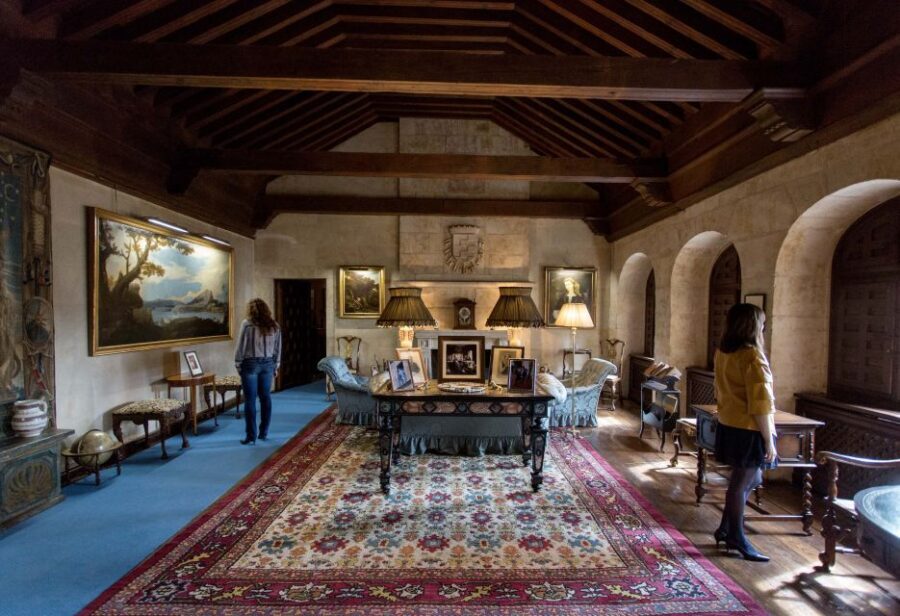
Salamanca moves at a human speed. This tour does too. It’s only about 1 hour, it’s self-guided, and it comes with an audio guide in English, Spanish, and French. That combination matters because Salamanca is a city where you’ll likely stack sights in a day—so a tight, focused hour is a smart fit.
The palace itself is a great shape for audio. You’re not stuck in one long hallway. You move between rooms and quarters, and the story tracks with each space. It’s the difference between reading one wall label versus hearing the room explained while you look around.
Also, the price is refreshingly low for what you get. At about $8 per person, you’re paying for access to a palace interior plus an audio experience that helps you notice details you’d otherwise miss. And since it’s designed so you can go at your pace, you don’t have the usual pressure of catching up to a group.
You can also read our reviews of more guided tours in Salamanca
Your 60-minute route: what you’ll see in order

You start by exchanging your voucher at the ticket counter before the tour begins. Plan a few minutes for that step so your hour starts smoothly.
From there, you’ll follow the audio through the Palace of Monterrey with a storyline centered on who lived there and how the palace functioned. The tour emphasizes the Monterrey family first, then shifts to the House of Alba, who owns the palace now. That timeline is useful because it gives you a reason to care about changing tastes and different uses of the same rooms.
Here’s how the experience usually feels as you move:
1) Enter the palace with context, not just décor
Early on, the audio sets the tone. You’ll get a sense of what made this palace important and how it shaped daily life. Instead of treating it as a fancy container for art, the tour frames it as a home—political, cultural, and practical.
2) Intimate quarters that help you picture daily life
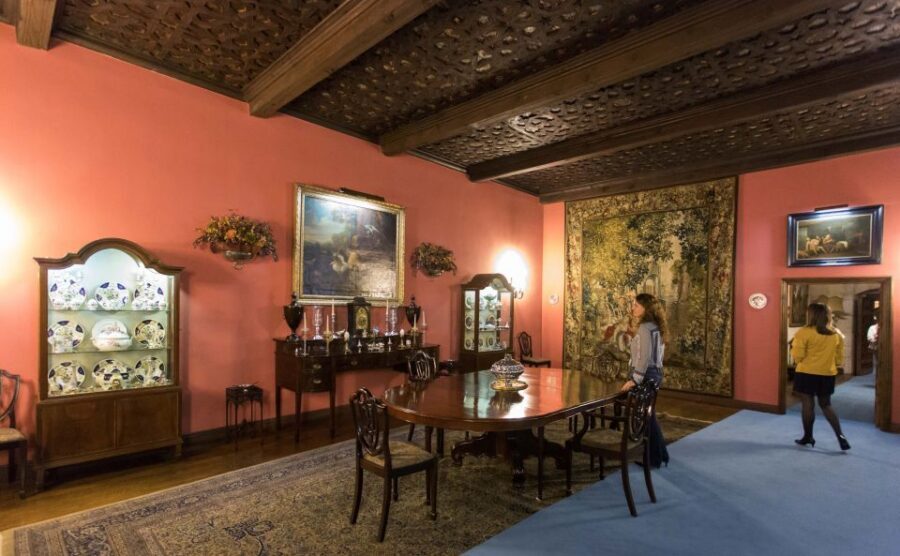
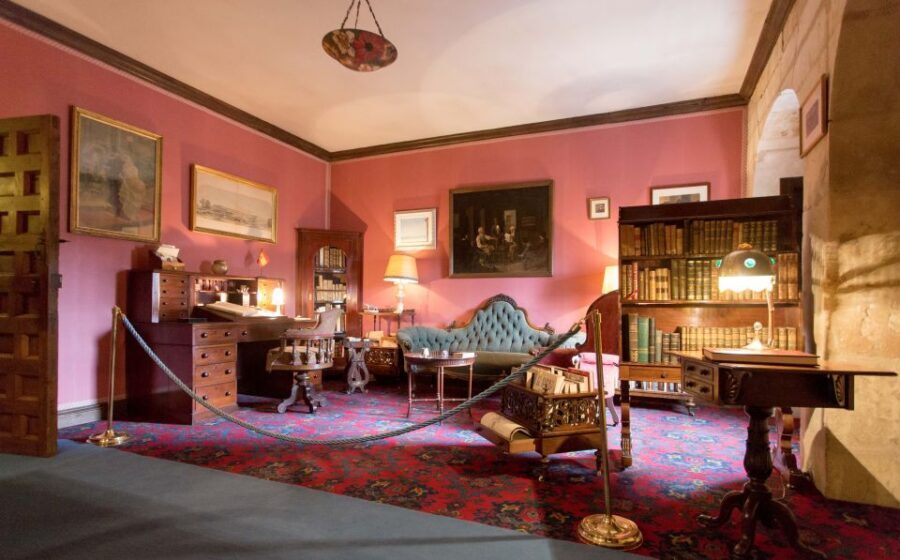
As you continue, you’ll be guided into the palace’s more intimate spaces. This is where the House of Alba angle becomes real. Rooms that people used daily aren’t just mentioned; the audio steers your attention to how those spaces likely worked: movement through rooms, how areas connect, and what features would matter when living there.
This section is one of the best reasons to choose the audio format. You’ll catch more from a room when you’re hearing why the room mattered.
3) A concentrated hit of art and furniture
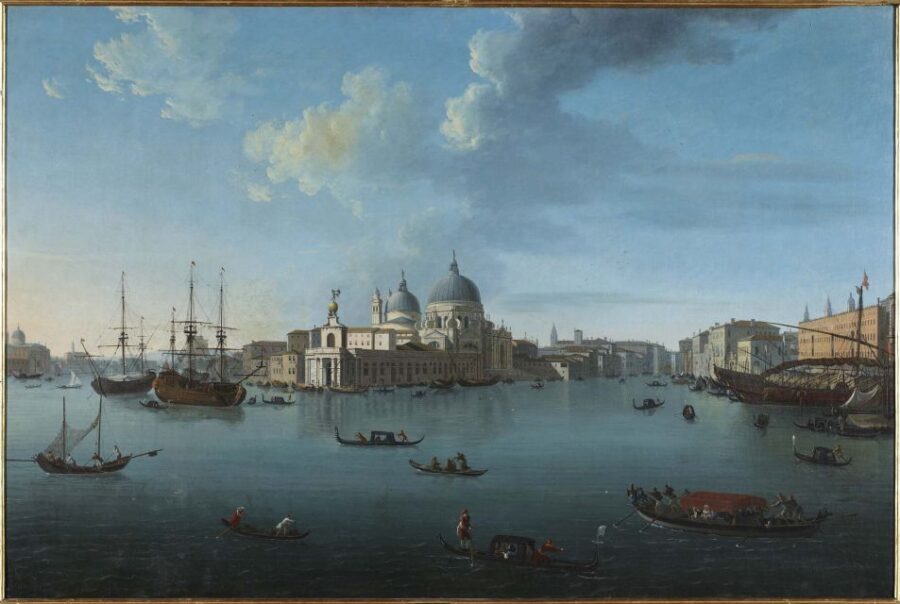
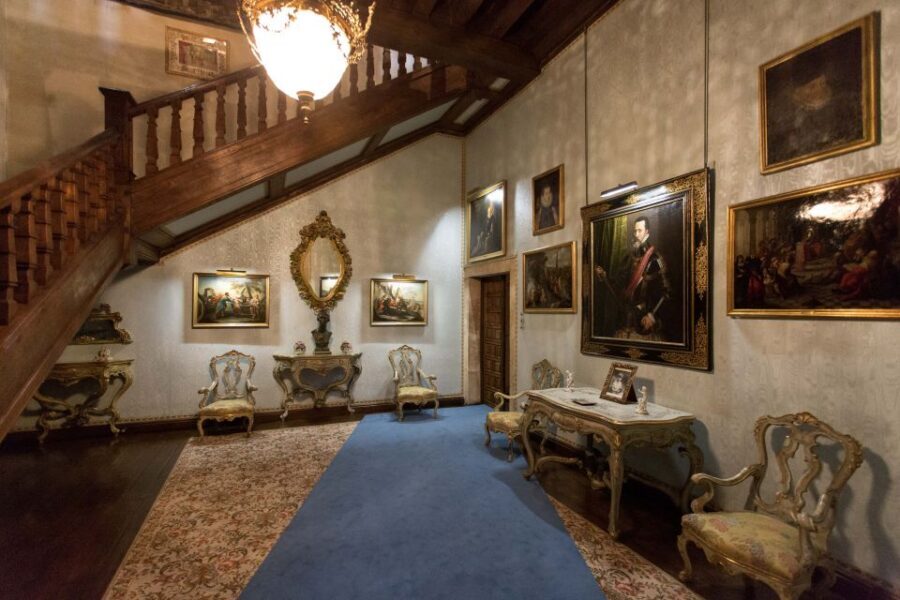
Then comes the part most people are here for: the art and decorative program. You’ll see a notable collection connected to major figures such as José de Ribera, Alonso Sánchez Coello, and Carreño de Miranda. The audio helps you slow down so those works don’t become a blur of frames.
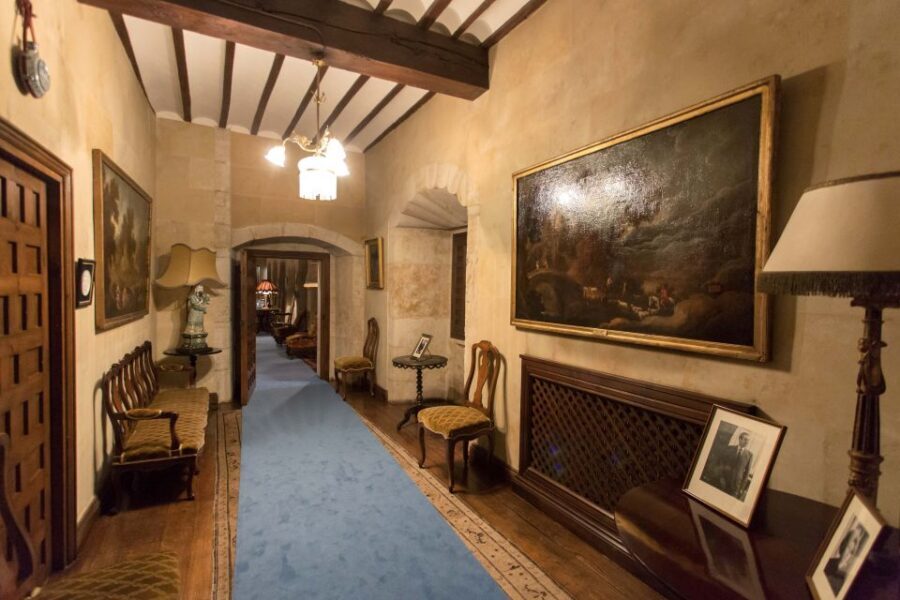
You’ll also notice period furniture and interior styling. Even if you’re not an art-history person, the story gives you the basics to interpret what you’re looking at: time period, function, and why these objects belong in this kind of residence.
You can also read our reviews of more tours and experiences in Salamanca
4) Renaissance architecture you can actually spot
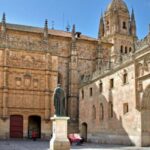
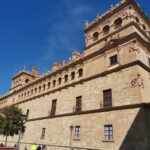
Along the way, you’ll get an explanation of an impressive example of Spanish Renaissance architecture. The audio doesn’t just name the style. It points your eyes at elements you can then recognize in the building itself. That turns the palace from “pretty rooms” into “I understand what I’m seeing.”
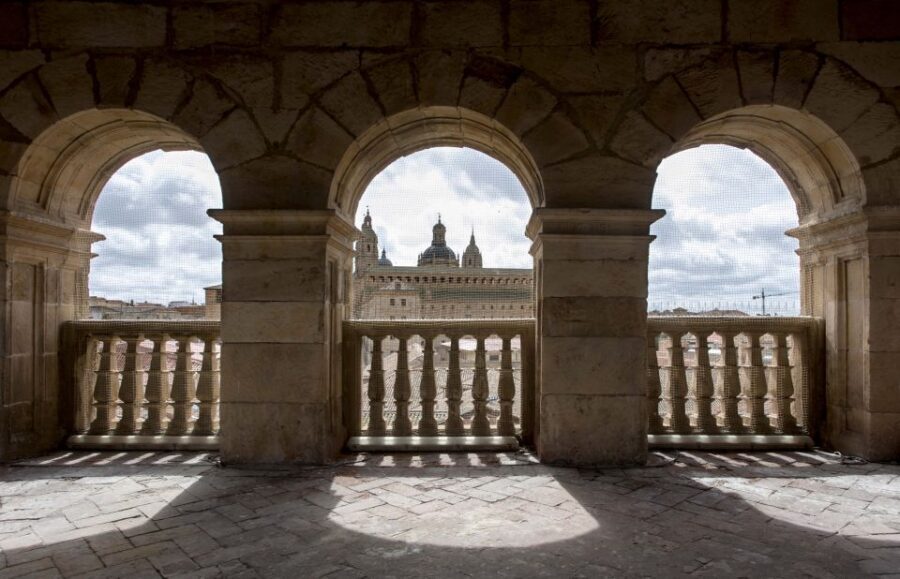
5) A finish with a panoramic tower view
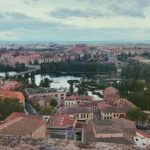
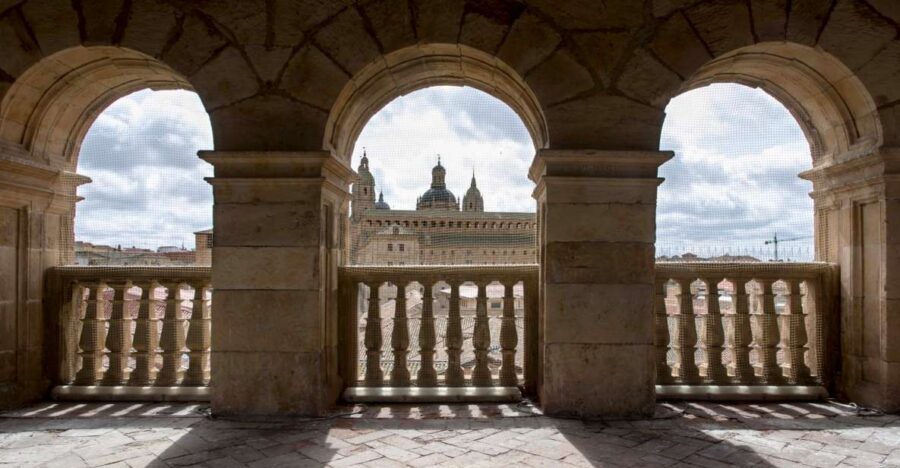
The tour ends with a panoramic view of Salamanca from one of the palace’s fortified towers. In one account, the climb was described as totaling about 75 steps, and the person noted it was tough. So if your legs get angry with stairs, build that into your pacing—or choose your footwear carefully.
The art collection: how to enjoy it without getting lost
If you love art, you’ll feel satisfied here. If you’re more casual, you can still get a lot out of it because the audio guide keeps you from wandering without a purpose.
I like that the tour is focused on a specific set of artists—especially José de Ribera—instead of trying to cover everything a palace ever owned. That focus makes the experience more digestible in just one hour.
Here’s the trick to getting value from the art rooms:
- Don’t treat every painting as a separate assignment. Let the audio tell you why the collection matters, then look for the details it highlights.
- Give yourself permission to stand still. If you’re moving constantly, you’ll miss the quiet “why this belongs here” feeling that the audio is trying to create.
- If you’re traveling with someone who usually rushes, this tour is good for compromise: you can pause and let the audio do the talking while the other person looks around.
Also note a practical rule: photography isn’t allowed inside. That means you’ll rely on your eyes and the audio for memory, not your camera roll.
House of Alba perspective: what makes it more than a showpiece
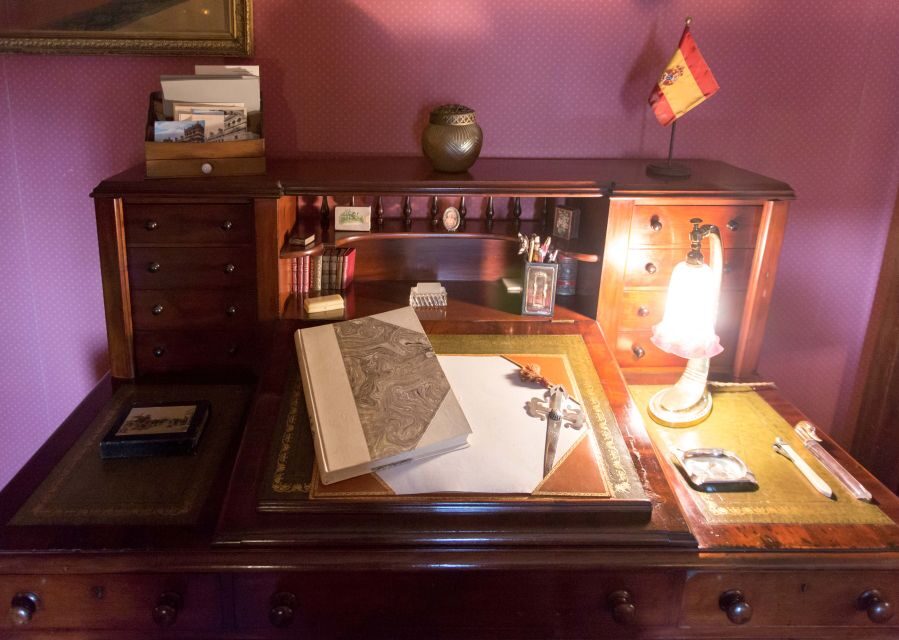
A lot of palace tours treat interiors like stage sets. This one leans into a more believable idea: the palace is still connected to living. The audio discusses the House of Alba, tying the residence to how people used the space day to day.
I found this angle helpful because it changes what you notice. Instead of asking only what’s beautiful, you start asking what’s functional:
- How rooms relate to each other
- What kinds of spaces would be used often
- Why certain furnishings belong in certain settings
It also helps explain the palace’s identity across time. When you understand that a palace can shift ownership and still remain a home, the place feels less like a frozen exhibit and more like an ongoing story.
The optional upgrade: kitchens and servants’ quarters (and who should choose it)
If you want the palace through the eyes of staff, there’s an option that includes kitchens and servants’ quarters. This can be a big value add because it expands the tour beyond “master rooms” into the daily machinery of the household.
What you gain:
- A clearer sense of how food, service, and routine worked behind the scenes
- A different angle on palace life—less glamour, more process
- More variety in what you see during the hour
What to consider:
- If your priority is strictly art and formal interiors, the utilitarian areas may feel less exciting. One account suggested the kitchen/other utilitarian sections were the least interesting part compared with the palace’s main sights.
My practical advice: if you’re the type who likes how places worked—where people gathered, cooked, cleaned, served—go for the option. If you mainly want aesthetic rooms and art, the standard audio route may already give you what you want.
The stairs and the tower view: plan for the finale
That panoramic tower view is a strong closer, and it’s one of the moments that makes the hour feel complete. But it’s not a gentle finish.
One review called out that the tower climb came to around 75 steps, and the person mentioned it was hard to reach. Another mentioned needing a place to sit down, with staff attempting to help. So here’s the reality check:
- If you’re sensitive to stairs, pace yourself early.
- Bring comfortable shoes. The difference between walking like a tourist and walking like you mean it is huge when stairs start.
- If you need help, ask on-site. Staff can sometimes offer guidance.
If you’re fit and just want the best view, it’s worth it. If stairs are a real concern, consider whether you want to spend your energy fighting steps at the end.
Price and value: is $8 worth it?
For about $8 per person and one hour with a full audio guide in English, Spanish, and French, this is strong value—especially in a city where “entry fees + guides” can add up fast.
You’re getting:
- Palace access with meaningful interior time
- Audio guidance that keeps you oriented
- Skip-the-ticket-line convenience
- A finish with a Salamanca panorama
The biggest value driver is how the audio is structured. Accounts note that the audio is separated by rooms and that you can replay parts if you want a second look. That flexibility is ideal if you like to linger at artworks or if you accidentally miss a detail.
The main “cost” is attention. This isn’t a live guide who can answer questions on the spot. You’ll get the story through the audio, so come with a mindset of listening while you look.
Practical tips that make the tour smoother
A few small things can upgrade your experience fast:
- Keep your audio volume reasonable. Since it’s self-guided audio, you share space with other visitors. One note mentioned people taking audio devices out in a way that caused disturbance, so be mindful.
- Use the tour as a tempo tool. If your day is packed, this hour works like a reset: see a lot, learn key points, then move on.
- Don’t plan photography inside. You’ll need to trust your eyes.
- If you’re sensitive to physical effort, treat the tower as a factor. It’s at the end, when you may already be tired.
Who this tour is best for
I’d point this tour toward you if:
- You like self-paced sightseeing with an audio guide
- You’re interested in Spanish Renaissance interiors and period art
- You want a focused hit that doesn’t eat half a day
- You enjoy “how people lived” storytelling, especially with the House of Alba angle
I’d be more cautious if:
- You rely on wheelchair access (this tour is not suitable for wheelchair users)
- You struggle with stairs, given the tower climb
If you’re in Salamanca for a short visit, this is a solid way to add palace depth without wrecking your schedule.
Should you book the Salamanca Monterrey Palace audio-guided tour?
Yes—if you want a smart, affordable palace experience with audio by room, a clear focus on major artworks, and a finishing view over Salamanca. At $8 for about an hour, it’s priced like something you can fit in between other sights without guilt.
Book the version with kitchens and servants’ quarters if you like the practical side of palace life. Stick to the standard route if you mainly want the art rooms and formal interiors.
FAQ
FAQ
How long is the Palacio de Monterrey audio-guided tour?
It lasts about 1 hour.
Is this tour self-guided or guided by a person?
It’s self-guided. You use the included audio guide.
What languages are available for the audio guide?
The audio guide is available in English, Spanish, and French.
Where do I pick up or exchange my voucher?
You must exchange your voucher at the ticket counter before the tour begins.
Can I skip the ticket line?
Yes, the tour includes skipping the ticket line.
Is photography allowed inside the palace?
No, photography is not allowed inside.
Is the tour wheelchair accessible?
No, it is not suitable for wheelchair users.
Does the tour include a view from a tower?
Yes. The tour finishes with a panoramic view of Salamanca from a fortified tower.
Are kitchens and servants’ quarters included?
They’re available if you choose the tour option that includes the kitchens and servants’ quarters.
What’s the cancellation policy?
This activity is non-refundable.
If you tell me what kind of traveler you are—art-first, architecture-first, or “how did people actually live here?”—I can suggest whether you should choose the kitchens/servants option.