REVIEW · MADRID
Ticket Entrance to the Madrid Nougat Museum
Book on GetYourGuide →Operated by MUSEO DEL TURRON SL · Bookable on GetYourGuide
You can smell almond before the lesson starts. This Madrid Nougat Museum ticket is a sweet, sensory way to understand Jijona-style turrón through food roots, production ideas, and what’s behind the classic Christmas treat. I like that the experience starts with the ingredients themselves, especially the almond, and then connects them to the story of how Jijona nougat is made.
What I also like: the visit is framed around technological and economic history tied to Jijona, plus the traditional turroneros and how their clothing changed since the 18th century. One thing to consider is that the value hinges on your session actually starting smoothly—there can be waiting if the museum isn’t ready or a presentation has issues, so build in a little buffer when you plan your day.
In This Review
- Key highlights you’ll feel on-site
- Ticket Entrance to Madrid Nougat Museum: what this really is
- Starting at Casa 1880: where to go and how to begin smoothly
- The almond journey: why the museum starts with the ingredient
- Jijona nougat history: origin, dates, and the Designation of Origin
- Turrón as a product story: the company history angle
- The turroneros section: clothing evolution since the 18th century
- The included tasting at the end: how to make it worth the ticket
- A practical note on value
- Price and value for a focused 1-day Madrid stop
- Timing, language, and expectations so you don’t lose time
- Who should book this nougat museum ticket
- Should you book: my take
- FAQ
- Where is the meeting point for the Madrid Nougat Museum ticket?
- What is included in the ticket?
- How long does the experience last?
- What tasting options are included?
- Is the museum experience offered in English?
- Do I need to select a time to enter?
- What is the price?
- Can I cancel and get a refund?
- Is there an option to pay later?
Key highlights you’ll feel on-site

- Almond-first route that tracks how flowering and processing lead to nougat
- Jijonenco focus with the museum presenting the historical reference behind the traditional sweet
- Jijona Designation of Origin angle explaining why the product is tied to specific methods and identity
- Technology and economic history that explains how making turrón became a local industry
- Turronero clothing evolution dating back to the 18th century
- Included tasting of multiple products sold at Casa 1880
Ticket Entrance to Madrid Nougat Museum: what this really is
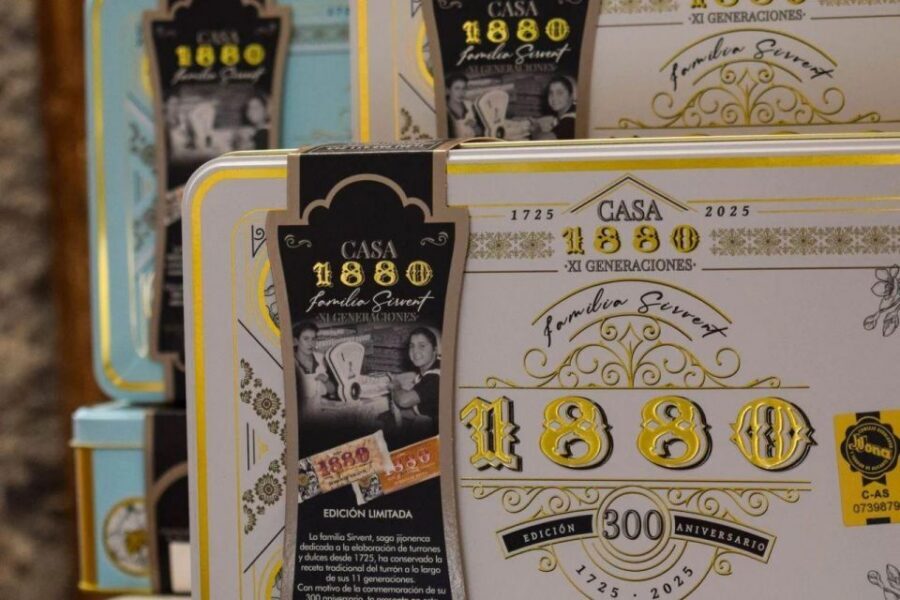
This isn’t just a photo-op museum for Christmas fans. The Madrid Nougat Museum ticket at Museo del Turrón SL is built like a guided-style learning path through one specific Spanish sweet: Jijona nougat, the soft, almond-forward turrón that shows up at holiday tables.
You’ll enter at your chosen time, then work through the museum sections on a free tour route with information panels. The museum’s big promise is clear: you’ll discover the secrets of this delight of Spanish gastronomy and then get to taste the results. For many people, the “aha” moment is how often the story is not only about taste, but also about local industry, ingredient supply, and the identity protected by the Jijona Designation of Origin.
The price is modest on paper (around $5 per person), but the real value depends on what you care about. If you want a simple snack, you might feel it’s small. If you like food history, ingredient logic, and production culture, it’s a fun, focused stop that doesn’t eat your whole day.
You can also read our reviews of more tours and experiences in Madrid



Starting at Casa 1880: where to go and how to begin smoothly
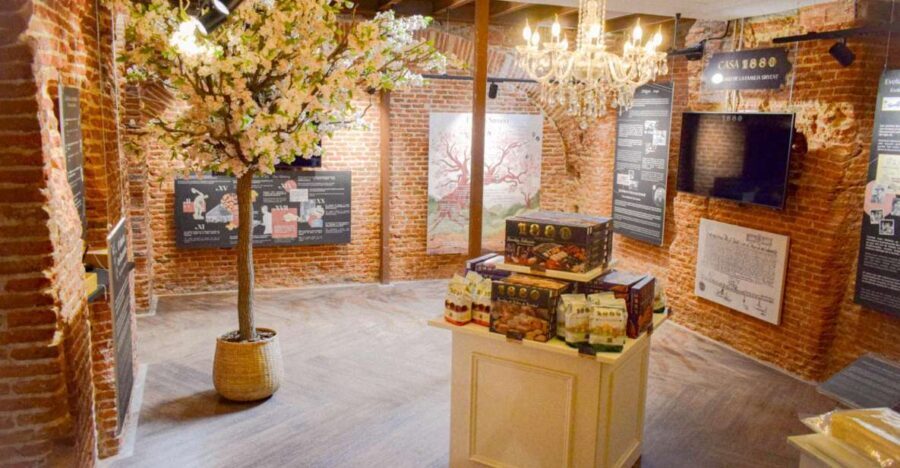
Your meeting point is the Tienda / Shop Boutique Casa 1880. That matters more than you’d think, because the tasting is tied to the products sold at the 1880 turrón space at the end of the tour.
When you arrive, plan to go in with the right mental mode: this museum experience is set up to be walked through at a scheduled start time, then completed with tasting. You’ll want enough time for the full route and then the tasting part, since that’s when the information turns into a real comparison of flavors and textures.
Also, the experience is Spanish only. If you don’t read much Spanish, rely on the information panels and the overall structure of the visit. If you’re comfortable with basic Spanish, you’ll get more out of the details—especially the parts about Jijona, production, and the terminology around turroneros.
The almond journey: why the museum starts with the ingredient
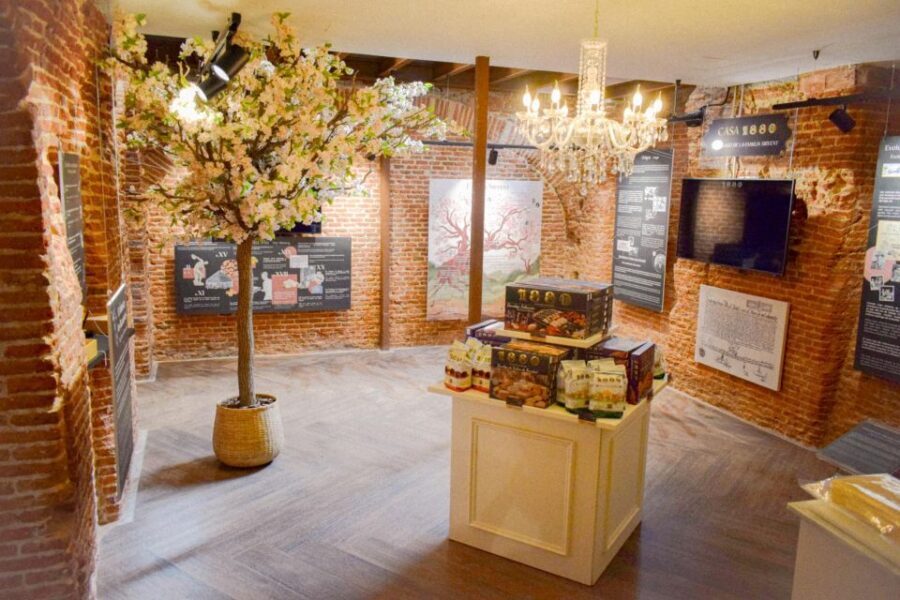
The museum’s route begins with the protagonist of this delicacy: the almond. That’s a smart choice. Instead of jumping straight to nougat sheets or packaging, you follow a path that starts at the almond tree and its flowering, then tracks how a dried fruit becomes the heart of Jijona turrón.
Expect to see panels that explain the journey the almond takes until it becomes nougat. For me, this kind of ingredient-first story is one of the best ways to make a food museum actually stick. It turns a flavor you already know into a process you can picture.
You’ll also get a feel for why Jijona turrón is so strongly associated with almond character—how the ingredient isn’t just a component, but the center of the identity. Once you’ve got that in your head, the rest of the museum makes more sense, including the history and the production-linked details.
Jijona nougat history: origin, dates, and the Designation of Origin
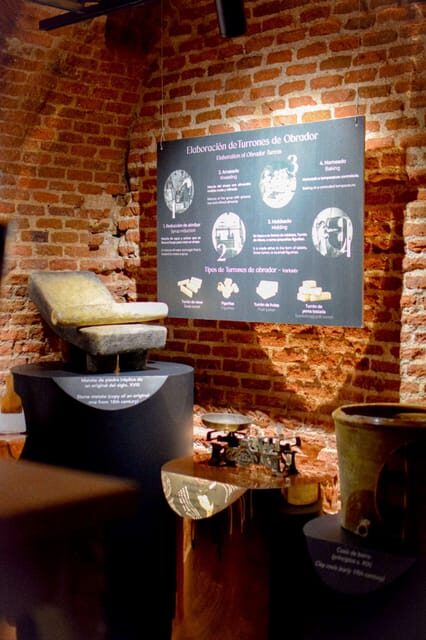
After the almond section, the visit shifts into the broader story of nougat: why it’s eaten on important dates, how it connects to Spanish Christmas, and what makes Jijona production special.
One of the museum’s stated strengths is its focus on the technological and economic history of Jijona linked to nougat. That’s not the same as hearing a generic “how it’s made” talk. It’s about understanding turrón as an industry that grew, adapted, and developed local know-how.
You’ll also learn about the unique and exclusive production under the Jijona Designation of Origin. This part is especially valuable for anyone who’s ever wondered why some sweets taste more “true” than others. With the DO framing, you’re not just tasting; you’re learning the rules and identity behind the product.
Turrón as a product story: the company history angle
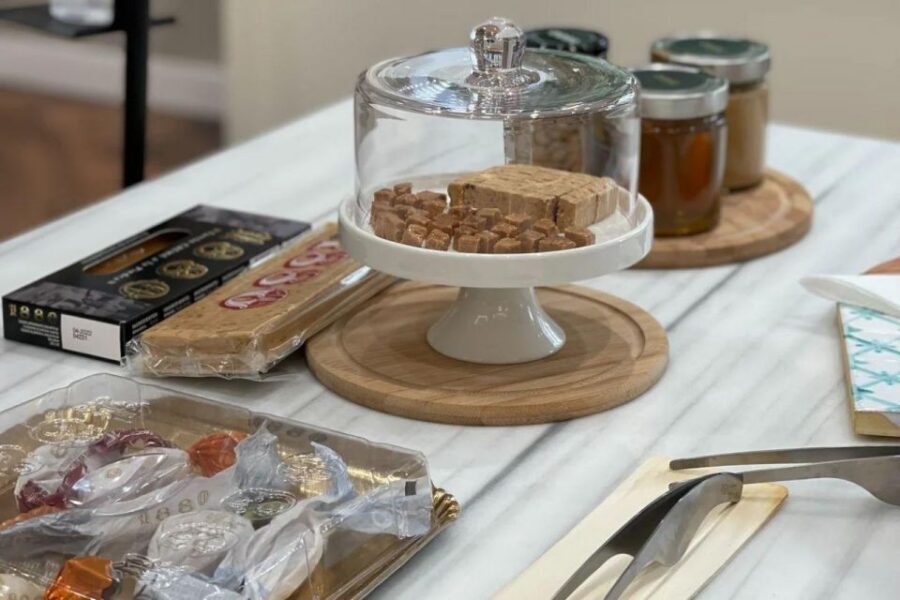
A neat twist in how this museum is presented: the history of a company becomes part of what the company sells. You’ll see this idea woven into the experience, with the museum connected to the 1880 Turrón Museum setting and its shop.
This matters because it changes what you take away. Instead of thinking of turrón as a generic Christmas candy, you end up seeing it as something built by people, methods, and a place. Even if you’re not a deep-history person, the practical takeaway is still there: how industry and tradition combine to create a product people trust.
And trust matters when you’re buying gifts. After learning the framework behind the sweet, you’re more likely to choose products that match what you want—like classic Jijona, egg yolk turrón, chocolate nougats, marzipan, or polvorones.
You can also read our reviews of more museum experiences in Madrid






The turroneros section: clothing evolution since the 18th century
Here’s one of the more memorable details: the museum includes the typical clothing of the turroneros and how it evolved since the 18th century.
Even if you only catch parts of the explanation (due to language), the visual idea is simple and effective: you’re looking at an artisan workforce that has changed over time. When a museum adds these human details, it stops being a history of recipes and becomes a history of people doing work.
For readers who like travel that feels real—more than “stuff behind glass”—this section is a good sign. It connects craft to everyday life and shows turrón as labor, not magic.
The included tasting at the end: how to make it worth the ticket
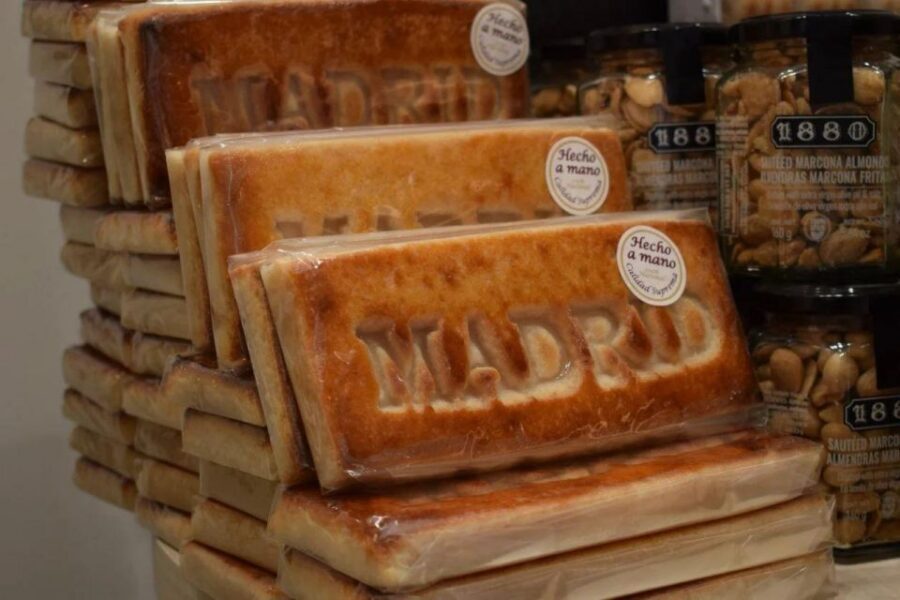
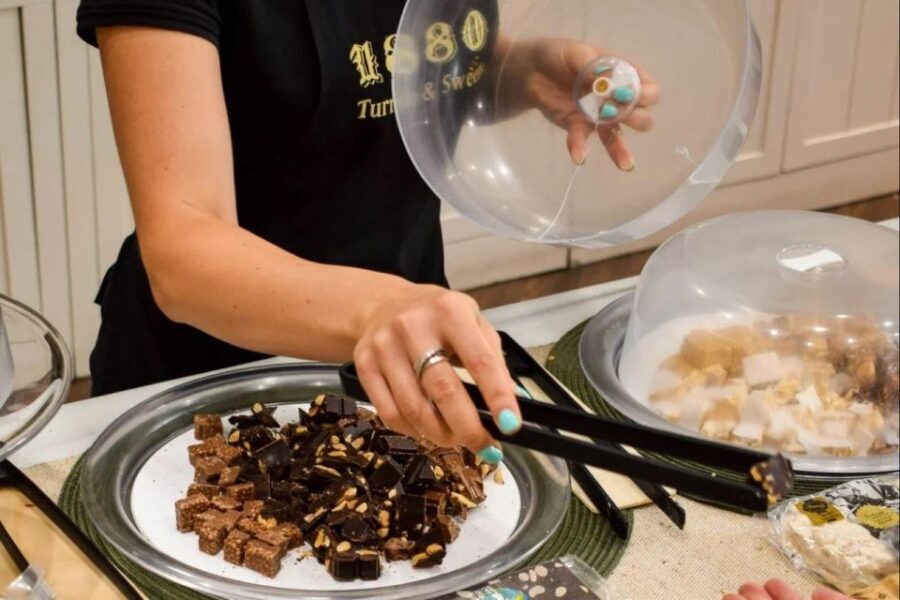
The tasting is included. At the end of your tour, you’ll be offered a tasting of the different products sold at the 1880 Turrón Museum: Jijona, egg yolk, or chocolate nougats, along with marzipan and polvorones.
This is the moment that turns your questions into answers. If you’ve ever wondered how egg yolk turrón differs from the almond-forward style, or what chocolate changes, tasting is the fastest route to understanding. You’ll also get a broader sense of the related holiday lineup—marzipan and polvorones are nearby cousins in both flavor and seasonal role.
Quick tip: take a moment before tasting to mentally label what you’re thinking. Then, when you taste, try to match each product to a “reason” from the museum—almond identity, DO-linked production ideas, or the artisan vibe. It’s an easy way to turn a 1-day visit into real learning.
A practical note on value
There’s been at least one complaint that the tasting experience may feel like it overlaps with what you get in the store rather than feeling like a separate, big museum moment. So if tasting variety is your top priority, arrive ready to do the full route and then go straight into the tasting portion without rushing. And if anything feels unclear, ask at the shop entrance area so you know what’s included for your specific time slot.
Price and value for a focused 1-day Madrid stop
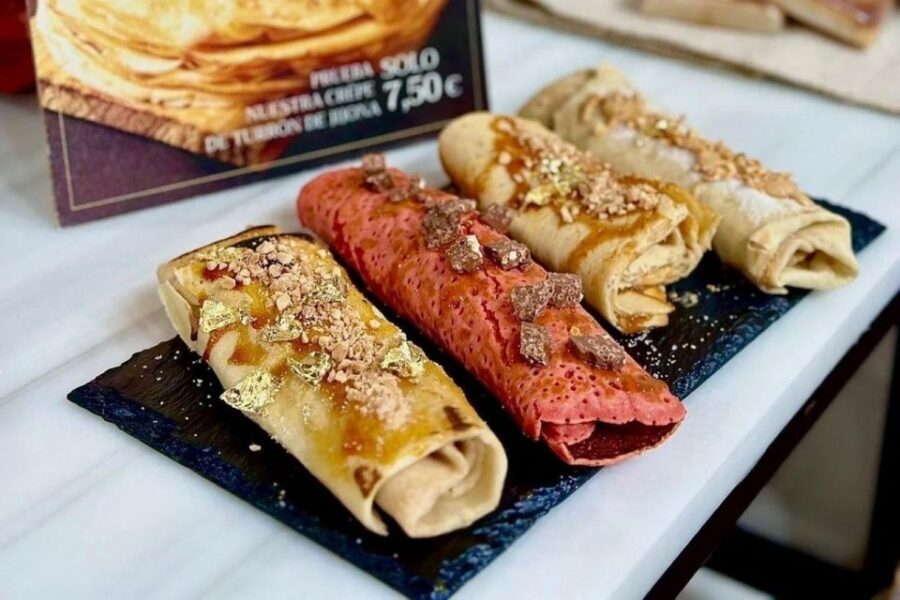
At around $5 per person for a 1-day ticket, the price is hard to argue with. You’re paying for:
- entry to the Nougat Museum 1880
- the included nougat tasting
- a structured route with educational panels
The value question is simple: does this match your interests? If you love food history, ingredient logic, or Spanish Christmas sweets beyond just taste, this ticket is a bargain. If your goal is an all-day museum experience with broad exhibits, you might find it too small.
For a practical Madrid plan, this works well as a short, high-reward stop. It also pairs nicely with other nearby food shopping or holiday treats runs, since you’ll end the visit knowing what you actually like.
Timing, language, and expectations so you don’t lose time
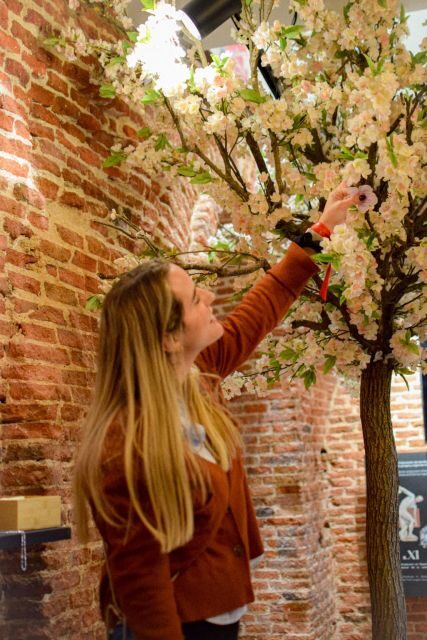
The ticket is valid for 1 day, with access at the selected time. That means you should pick a time when you’re not already stretched thin. If you’re squeezing this between a long lunch and a late dinner, give yourself some breathing room.
Language is Spanish, and the activity includes a Spanish host/greeter. If you don’t speak Spanish, you can still enjoy it through the museum structure and panels, but you’ll get more if you can read basic terms around Jijona, nougat, and the artisan details.
One caution from real-world experience: there can be cases where the museum wasn’t ready when someone arrived, leading to a wait while issues were handled. I’d treat this as a reason to arrive a bit early rather than exactly at the minute of your time slot.
Who should book this nougat museum ticket
This is a great fit if you:
- enjoy food culture and want something practical, not just decorative
- like Spanish holiday sweets and want to understand what makes Jijona different
- want a short Madrid stop that still feels meaningful
- enjoy learning through ingredients and production stories
It’s less ideal if you:
- want an English-led museum tour as the main feature
- are only interested in a quick snack and don’t care about the production and historical angle
- need a perfectly timed, zero-wait experience
Should you book: my take
Book it if you’re a turrón fan who wants the why behind the taste, not just the product. The almond-first route, the Jijona Designation of Origin context, and the included tasting make it a good value for a short Madrid day.
Skip or think twice if Spanish-only learning is a deal-breaker for you, or if you’re the type who gets stressed by any schedule hiccups. Otherwise, this is one of those food experiences that turns a sweet you already know into a story you’ll remember.
FAQ
Where is the meeting point for the Madrid Nougat Museum ticket?
The meeting point is Tienda / Shop Boutique Casa 1880.
What is included in the ticket?
The ticket includes entrance to the Nougat Museum 1880 and a nougat tasting.
How long does the experience last?
The experience is listed as 1 day.
What tasting options are included?
The tasting includes products sold at the 1880 turrón museum such as Jijona, egg yolk or chocolate nougats, plus marzipan and polvorones.
Is the museum experience offered in English?
No. The language listed is Spanish.
Do I need to select a time to enter?
Yes. You enter at the time you select, and availability depends on starting times.
What is the price?
The price is listed as $5 per person.
Can I cancel and get a refund?
Yes. There is free cancellation up to 24 hours in advance for a full refund.
Is there an option to pay later?
Yes. You can reserve now & pay later.