REVIEW · TOLEDO
Tour of the Inquisition and Witchcraft in Toledo
Book on GetYourGuide →Operated by FOLLOW ME TOLEDO · Bookable on GetYourGuide
Toledo’s dark past is right on the street. This Inquisition and witchcraft tour turns well-known landmarks into a clear, unsettling story about fear, religion, and punishment in Plaza de Zocodover. I like that it connects the big idea to specific places, so you understand where trials and public rituals really took place.
I also like the balance: it covers witchcraft as a form of heresy, but it stays focused on what the tribunal did and how the system worked. And a stand-out plus is the way some guides, including Vanesa, handle the topic with care, including sensitivity toward the Jewish community in the group. A possible drawback: the reviews show some late cancellations or no-shows when the minimum group size was not met, so you’ll want a Plan B.
In This Review
- Key things I’d expect you to enjoy
- Standing where the autos de fe happened in Plaza de Zocodover
- Posada de la Hermandad and Plaza Mayor: punishment as public process
- Toledo Cathedral and what faith was used to enforce
- The Ancient Jewish Quarter: memory tied to power
- Convento de San Pedro Mártir: where the system shows its gears
- Iglesia de los Jesuitas and Plaza de San Vicente: the end of the Inquisition in Spain
- Witchcraft in Toledo: folklore is part of the atmosphere
- Price, timing, and group limits: value at $10
- Who this tour is for (and who should skip it)
- Should you book the Inquisition and Witchcraft in Toledo?
- FAQ
- How long is the Inquisition and witchcraft tour in Toledo?
- Where do I meet the tour guide?
- What language is the tour in?
- Is the tour wheelchair accessible?
- Do I need to buy any tickets or pay extra costs?
- Is there a group size limit or minimum?
Key things I’d expect you to enjoy
- Plaza de Zocodover autos de fe: You start where public reconciliation and punishment played out.
- How the tribunal worked: You’ll hear about organization and the steps from accusation to execution.
- Witchcraft as heresy: The tour explains why accusations spread and what punishments could follow.
- Jewish Quarter context: You get historical grounding tied to persecution and memory.
- San Pedro Mártir’s 15th-century case: The story of an early auto-da-fé with 700+ people is a major turning point.
Standing where the autos de fe happened in Plaza de Zocodover
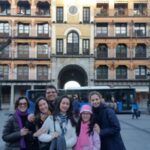
The tour begins in Plaza de Zocodover, one of the main stages for the public rituals of the Spanish Inquisition. When you’re standing in the square, it’s easier to picture the crowd energy that came with these events. Autos de fe weren’t just court dates. They were public theater tied to religious authority, where the accused were pressured to abjure sins and display repentance to reconcile with the Church.
I like that the guide frames this in plain terms. You’re not just getting shocking stories. You’re learning the logic the system used to justify itself. That matters, because the Inquisition wasn’t only about individual guilt. It was about controlling a community by turning fear into a daily reality.
Practical note for you: meet at Calle Armas 3 by the RODILLA café area, and look for the guide with a small pink-colored flag near the start of the square. If you’re the sort who hates waiting, arrive a few minutes early and take a quick look around the edge of the plaza.
You can also read our reviews of more tours and experiences in Toledo.

Posada de la Hermandad and Plaza Mayor: punishment as public process
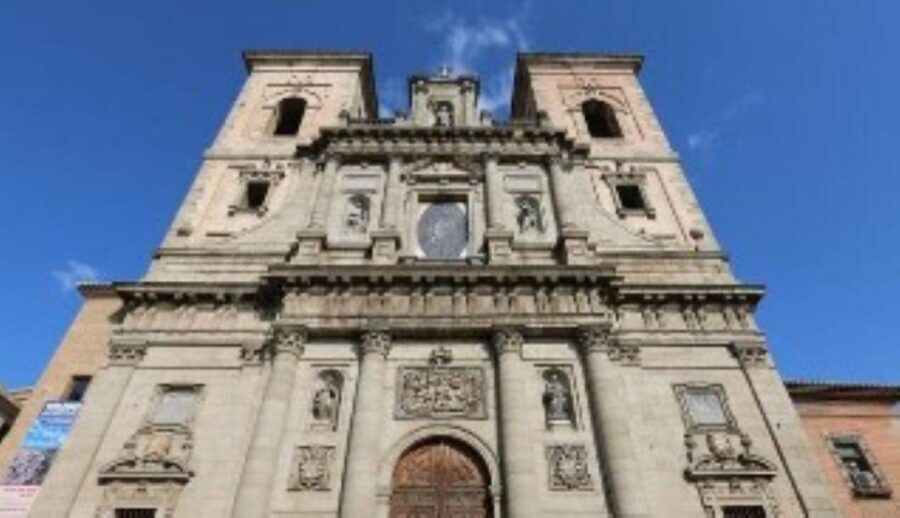
From the square, the walk pulls you through the old-town rhythm toward Plaza Mayor and the area of Posada de la Hermandad. This is where the tour’s storytelling starts to feel more grounded in daily life. Instead of staying on abstract theology, the guide points to how power moved through streets and buildings.
You’ll talk about prisons, punishments, and even torture methods. The subject is uncomfortable, and the tone can feel heavy. But that discomfort is also the point. If you’re trying to understand how a society can function while people live under threat, you need to know that these trials weren’t only written on paper.
If you tend to get tense with graphic historical topics, you might want to mentally pace yourself. It’s okay to pause, breathe, and let the guide carry the story for a moment while you take in the setting. This isn’t a jump-scare tour of witches in smoke. It’s history, delivered as history.
Toledo Cathedral and what faith was used to enforce
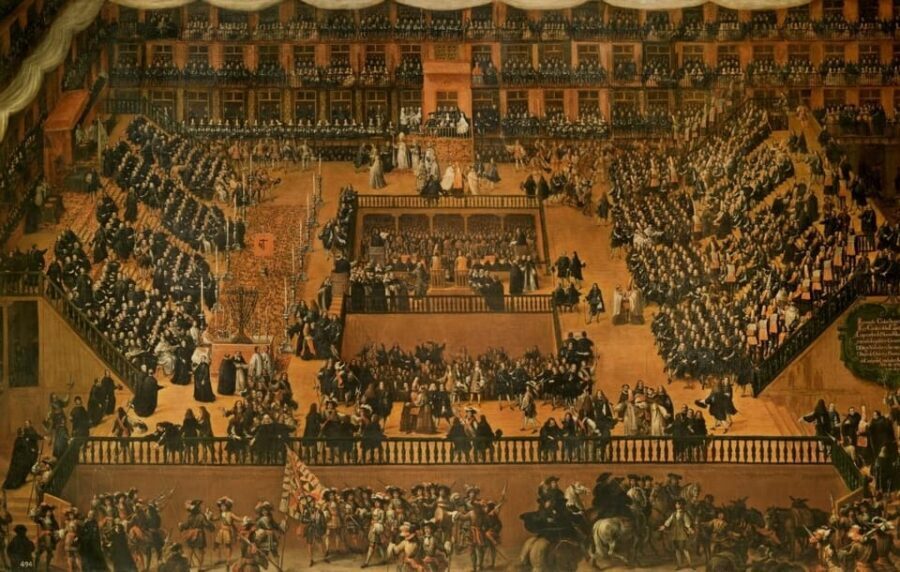
The route includes Toledo Cathedral, which is a great place for context. The Cathedral isn’t presented here as a museum stop. It’s used to explain how religious authority shaped law and public behavior during the Inquisition era.
Here’s what I’d watch for if you go: the guide connects doctrine and enforcement. The Inquisition was an ecclesiastical court created by the Catholic Monarchs—Ferdinand and Isabella—to pursue and eradicate heresy and practices considered contrary to the Catholic faith. That means the tribunal wasn’t some random vigilante group. It was built into the institutions people already trusted.
This stop helps you understand a key idea: punishment followed accusations, and accusations followed an atmosphere of suspicion. Once that system is in place, it doesn’t take much for fear to turn into charges.
The Ancient Jewish Quarter: memory tied to power
One of the itinerary highlights is the Jewish Quarter area. This part of the walk helps you see Toledo not as a set of spooky legends, but as a city where different communities lived under pressure. Even if you only know Toledo from its medieval beauty, this segment forces a reality check: the Inquisition’s reach affected more than the people you might assume.
The guide also brings up how the Jewish community fits into the broader historical picture of persecution and survival. In one piece of feedback, a guide named Vanesa was praised for being sensitive to the presence of a Jewish participant in the group, which tells me the tour aims to treat the topic with respect rather than shock for shock’s sake.
Still, consider who you’re going with. If you’re traveling with teens, you’ll want to judge whether they can handle persecution and torture-related history in a group setting. Adults who like connecting culture to cause-and-effect usually do well here.
Convento de San Pedro Mártir: where the system shows its gears
The tour then moves to Convento de San Pedro Mártir. This is a major storytelling stop because it includes a specific early reference: the first auto-da-fé that left in the 15th century reportedly involved more than 700 people.
That number lands hard. It also changes the way you think about the Inquisition. Instead of seeing it as a small-town scandal, you start seeing it as an organized machine. The guide talks about the tribunal headquarters structure and the processes from detection of a crime to what happens to the prisoner.
If you like history that explains mechanisms, you’ll probably enjoy this segment most. The tour goes beyond saying people were punished. It shows the order: detection, accusation, interrogation, punishment, and public ritual.
And for your own mental prep: this is where you may feel the strongest weight of the topic. It’s also the best place to focus on understanding, not on horror. Ask yourself what a society gains by public trials. Then you’ll see why these events could keep repeating.
Iglesia de los Jesuitas and Plaza de San Vicente: the end of the Inquisition in Spain
As the walk comes toward Iglesia de los Jesuitas and later Plaza de San Vicente, the tour shifts tone toward what changed. Near San Vicente, the guide covers the end of the Inquisition in Spain and shares stories of some of the most famous prisoners connected to Toledo.
This is an important arc. A lot of “dark history” tours stop after the worst moments and leave you with only fear. This one aims to close the loop, so you understand that the system eventually ended—not because people became magically kinder, but because power and institutions changed.
When you’re standing around a plaza like this, you can also notice the time layering in Toledo. Buildings stay, but the meanings shift. A church in one era can become a setting for reflection in the next. That’s one of the reasons these walking tours work so well here: the city does the visual teaching for you.
Witchcraft in Toledo: folklore is part of the atmosphere
A central theme is witchcraft, treated as heresy and punished by the Inquisition. The tour explains the pattern: people accused of practicing witchcraft or sorcery were often arrested, interrogated, and tortured to obtain confessions. Punishments could include confiscation of property, public penance, and—at the extreme—execution.
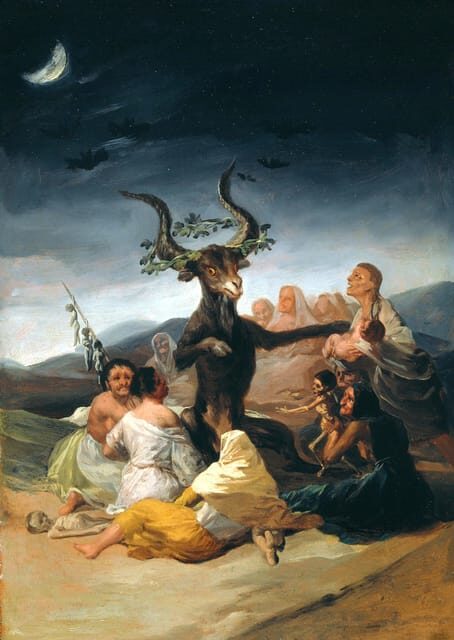
You’ll also hear about Toledo’s legends and folklore, including secret gatherings of witches in stories people told. The tour’s approach matters here. The guide treats many tales as exaggerated or fictitious, while still explaining why the stories existed: they reflect the fear and superstition that the system created.
One review point that really stands out to me is that guides focus more on the historical question than on mystery-style myths. If you want chills, you’ll probably get them from the facts anyway. But if you want clarity about what the tribunal believed and how it acted, this style is a good match.
Price, timing, and group limits: value at $10
At $10 per person for about 1.5 hours, this tour is priced for accessibility. That matters in Toledo, where many experiences are either short and pricey or long and vague. Here, you’re paying for a tight thematic walk through key locations linked to trials.
The time also fits well with a day of sightseeing. You can do a morning cathedral visit, lunch nearby, then take this tour as a reality check before you move on to the lighter parts of the city.
One thing to plan around: the tour has a minimum of 6 people to run, and the group limit is 6 per family/friends. That’s why late cancellations show up in the feedback. If your schedule is tight, treat this as something to book early in your trip so you have backup days.
Who this tour is for (and who should skip it)
This works best for you if:
- You like turning famous landmarks into cause-and-effect history
- You want the Inquisition explained as a functioning system, not only horror stories
- You can handle persecution, torture-related references, and public punishment topics in a group
You might skip it if:
- You want a purely scenic Toledo walk with no heavy subject matter
- You need guaranteed runs with no risk of cancellation; the reviews show issues around minimum bookings
- You strongly prefer tours in English, since the guide is Spanish for this experience
Should you book the Inquisition and Witchcraft in Toledo?
I think you should book it if your goal is understanding. This tour connects the story of the Spanish Inquisition to specific places: where public autos de fe took place, where the tribunal structure gets explained, and how Toledo’s religious and community history overlaps with persecution.
Just keep your expectations in line with the format. It’s short, it’s focused, and it covers serious topics. If you’re the kind of traveler who wants the history behind the headlines and why people acted the way they did, it’s good value at $10.
If you do book, give yourself schedule wiggle room. And if you’re sensitive to this kind of material, tell your guide you’d like the pacing adjusted. The tone you’ll get from guides like Vanesa, based on feedback, suggests they care about how the group experiences the subject.
FAQ
How long is the Inquisition and witchcraft tour in Toledo?
It lasts 1.5 hours.
Where do I meet the tour guide?
You meet at Calle Armas 3, opposite the RODILLA café, near the start of Plaza de Zocodover. The guide carries a small colored flag.
What language is the tour in?
The live guide speaks Spanish.
Is the tour wheelchair accessible?
Yes, it is listed as wheelchair accessible.
Do I need to buy any tickets or pay extra costs?
No. The tour does not require tickets or additional expenses.
Is there a group size limit or minimum?
Yes. Large group reservations aren’t accepted, and the maximum allowed per group (family/friends) is 6. A minimum of 6 people is required for the tour to take place.