REVIEW · MADRID
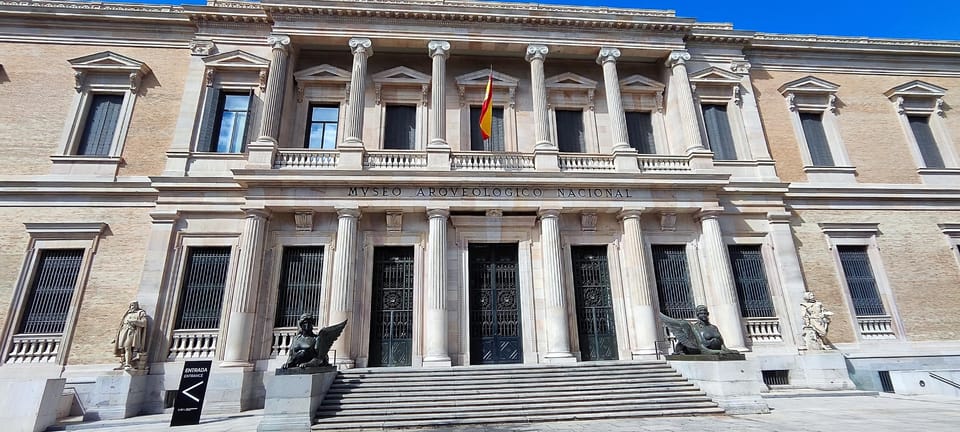
Visit the National Archaeological Museum in Madrid
Book on GetYourGuide →Operated by Naturanda Turismo Ambiental · Bookable on GetYourGuide
Madrid’s past is packed into one guided walk.
This Naturanda visit takes you through the National Archaeological Museum’s huge timeline, going from prehistoric material through Roman Hispania and into Al-Andalus, with stop points that help you actually connect the dots. It’s not just a museum “browse.” You get an official guide and a path through standout works that make Spain’s story feel chronological instead of random.
I especially like the focus on three big visual themes: the Iberian sculpture collection, a walk past the Roman sculpture courtyard, and then the museum’s Andalusian legacy in a way that’s easier to remember. One possible drawback: at 1.5 hours, you’ll see key highlights rather than every room in the museum, so it helps to come with a couple of things you want to photograph or understand.
In This Review
- Key highlights you’ll notice right away
- A museum that turns into a timeline when you have a guide
- Meeting near Velázquez and getting in without the hassle
- The Iberian sculpture collection: where you start to “see” a culture
- Roman Hispania: what the courtyard changes about your viewpoint
- Al-Andalus legacy: medieval material you can actually make sense of
- The bigger timeline: prehistory through Bourbons without losing the plot
- Price and value: why $34 can make sense for 90 minutes
- Timing and planning tips that actually help
- Who should book this (and who should not)
- Should you book Naturanda’s museum visit?
- FAQ
- Where is the meeting point?
- How long is the guided tour?
- What is included in the price?
- Do I need to buy museum tickets separately?
- What language is the tour in?
- Is there a way to avoid waiting in line?
- How much does it cost?
- Are meals included?
- Can I bring a pet?
- Is the museum visit wheelchair accessible?
Key highlights you’ll notice right away
- Iberian sculpture focus: clear attention to major works so you leave understanding what you just saw
- Roman sculpture courtyard walk: a built-in change of scenery that makes the classical material feel alive
- Al-Andalus legacy explained: you’ll get context for medieval Spain, not just names on labels
- Standout objects you’ll recognize: including the Lady of Elche and the Treasure of Guarrazar (among other major pieces)
- Official guide + skip the ticket line: you waste less time standing around, more time looking closely
A museum that turns into a timeline when you have a guide
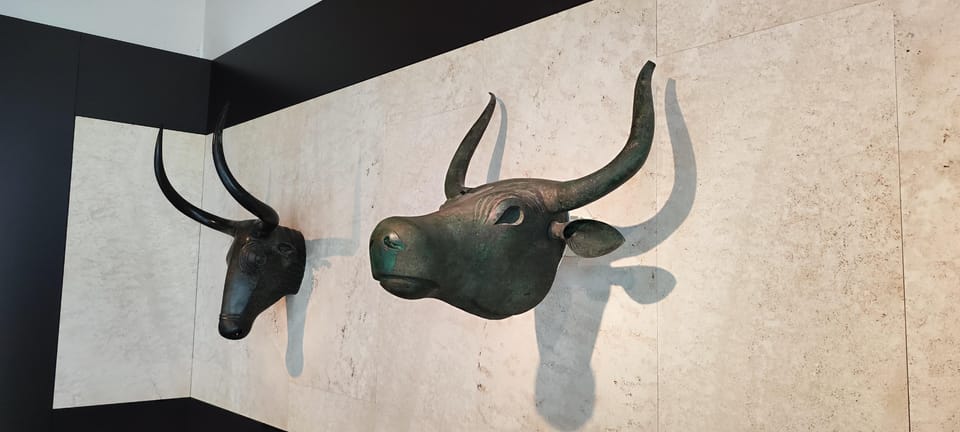
Madrid’s National Archaeological Museum is the kind of place where you can easily get lost. The collection covers an enormous span—more than 10,000 years—and it reaches across prehistory, Roman Hispania, Al-Andalus, and even Spain under the Bourbons. Without structure, it can feel like a stack of great rooms.
With this Naturanda experience, the guide’s job is to help you read the museum like a story. The tour is built around the idea that material culture—things people made and used—can be a practical way to learn history. Instead of only hearing dates, you’re encouraged to look at objects and ask what they say about daily life, power, beliefs, and artistry.
I also like how the highlight choices are visual and memorable. You’re not only led past glass cases. You get moments that change the feel of the museum: major sculpture groupings, then a Roman courtyard setting, then sections that connect to later Iberian and medieval worlds.
You can also read our reviews of more tours and experiences in Madrid.


Meeting near Velázquez and getting in without the hassle
Your meeting point is simple and very central: next to the monument to Velazquez. The plan then includes a short transfer into the museum area, described as a brief hop-on hop-off stop (about five minutes). The tour is short—1 hour and 30 minutes—so this matters. Every minute spent waiting is a minute you could spend looking at the big pieces.
A practical note: you’re asked to arrive at least 15 minutes early. That’s enough time to find the right spot, check in, and settle before the guided portion starts. If you’re the type who hates rushing through a museum, give yourself that cushion.
You’ll also skip the ticket line, and that’s a real value in a big museum. When you’re dealing with timed entry systems or busy periods, cutting queue time can make the difference between enjoying the first rooms and feeling your energy drain.
The Iberian sculpture collection: where you start to “see” a culture
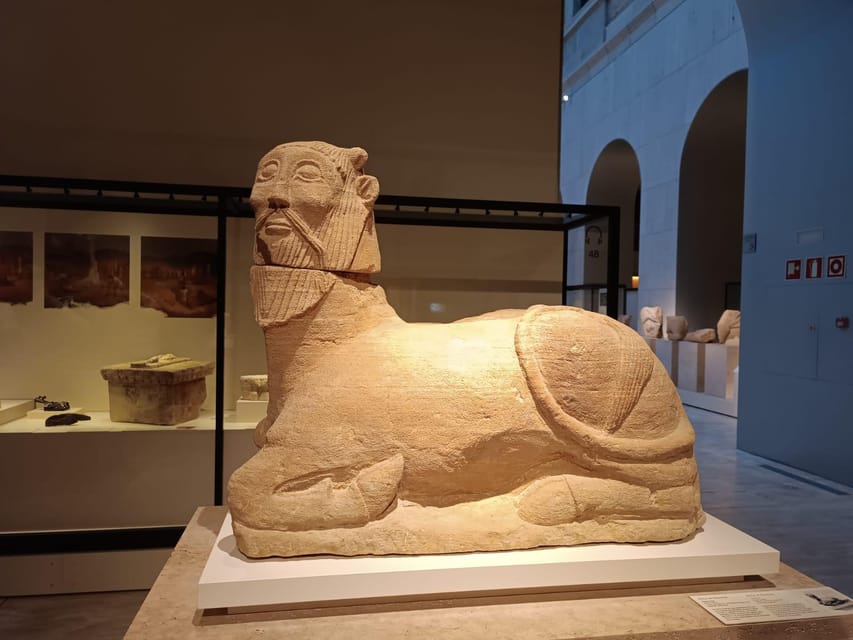
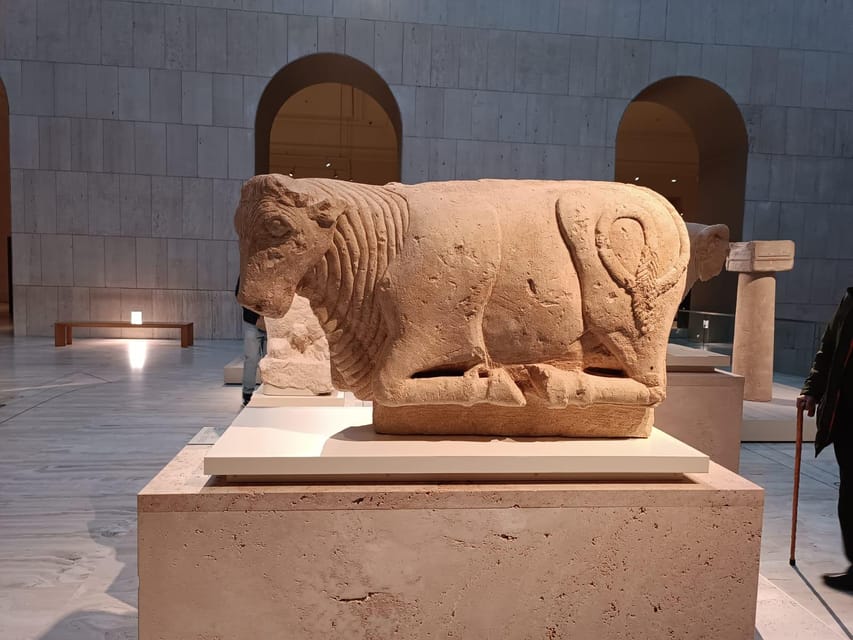
One of the highlights is the Iberian sculpture collection, and this is exactly where a guided route pays off. If you’ve ever passed prehistoric or early classical fragments in other museums, you might have thought, That’s a cool rock… and then moved on.
In this tour, you get help understanding what you’re looking at—so the pieces become evidence, not decoration. Iberian art can be hard to place at first, because it sits between local traditions and wider Mediterranean influences. A guide can point out what’s distinctive, how the styles connect, and why these sculptures matter.
Also, you’ll likely leave with at least one “wow” moment tied to a recognized major work. The museum is known for items like the Lady of Elche, and a guided approach is how you turn a famous name into something you can actually picture and interpret.
The payoff for you: you’re training your eye. Even if you don’t remember every detail afterward, you’ll know what to look for next time you see an Iberian sculpture—style cues, symbolism, and how the museum frames the material.
Roman Hispania: what the courtyard changes about your viewpoint
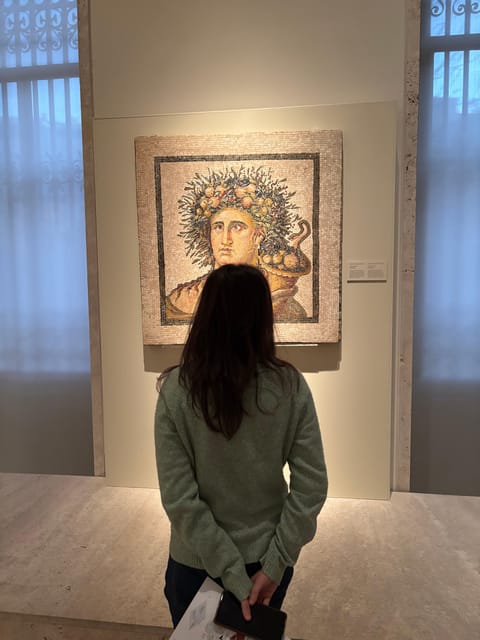
After the Iberian section, the tour moves toward the Roman sculpture courtyard. That courtyard stop is more than a change in scenery. It changes how you read the sculptures.
In a courtyard, your brain shifts from “reading objects behind glass” to “imagining how these works sat in real space.” Roman sculpture often feels different when you can see how light and architecture interact with stone. It helps you understand scale and presence—especially for works that were meant to be seen as statements.
Roman Hispania is also part of the museum’s story, and the guide route is designed to connect the Roman material to the broader Spanish timeline. You’re not just looking at Roman art. You’re seeing how Roman culture landed, adapted, and influenced what came next.
If you love that classic feeling of Rome—power, order, public display—this is likely to be one of your strongest segments of the tour. You’ll also get a better sense of how Roman visual language differs from earlier Iberian styles.
Al-Andalus legacy: medieval material you can actually make sense of
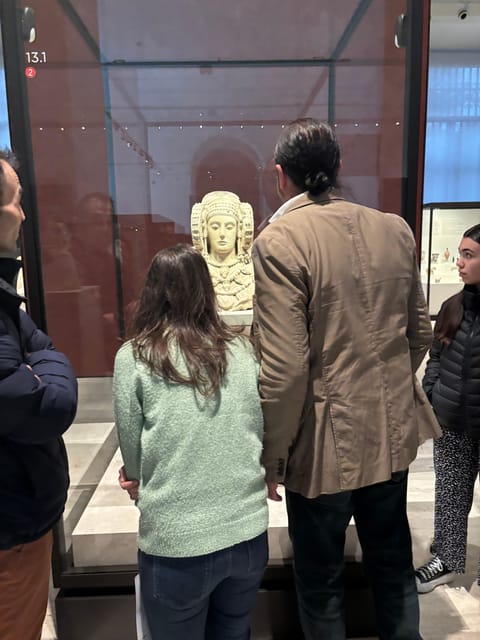
One highlight on this visit is enjoying the legacy of the Andalusian culture. That’s not just a promise of “medieval Spain.” The museum’s collection includes objects and categories that show how societies lived, traded, and expressed belief.
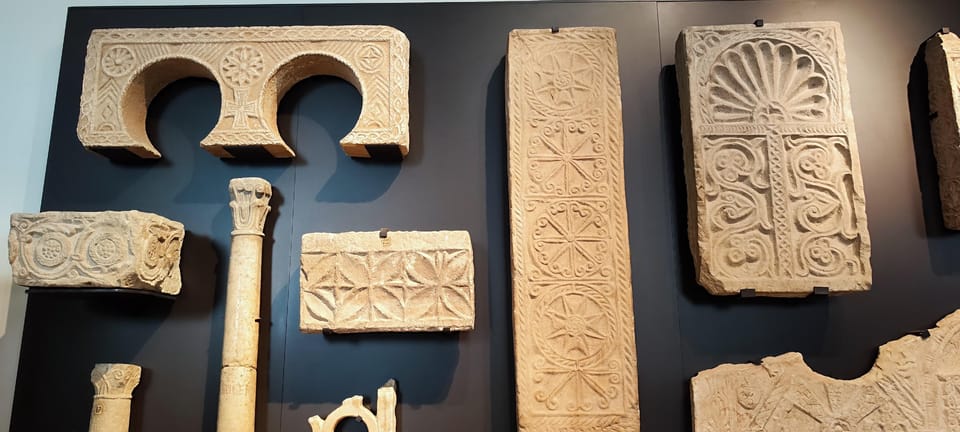
A guide helps here because labels alone can feel fragmented. Al-Andalus can be talked about in big terms—dynasties, cities, “great civilization”—but the museum works best when you connect those ideas to specific things: art objects, decorative items, and religious or court-related material.
This is also where famous museum objects matter. The museum is known for the Treasure of Guarrazar, and a guided visit helps you understand why it’s important beyond the headline. Once you get the cultural context, these kinds of finds stop being just “historic jewelry” and start being evidence of faith, craftsmanship, and prestige.
You’ll probably finish the tour thinking more clearly about continuity and change—what carried forward from Roman and earlier traditions, and what shifts happened as the peninsula’s political and cultural landscape evolved.






The bigger timeline: prehistory through Bourbons without losing the plot
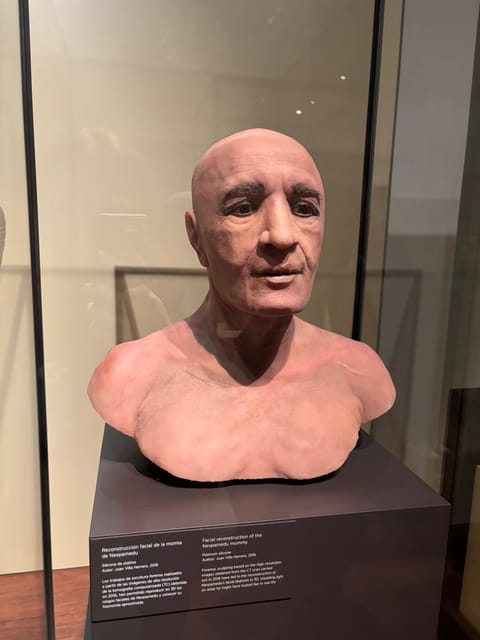
The National Archaeological Museum doesn’t limit itself to one era. It stretches from prehistory to modern times, and the tour route is built to make those transitions understandable: Altamira Caves, Roman Hispania, Al-Andalus, and then the Spain of the Bourbons.
Here’s how I think about that for you: when you’ve got an hour and a half, the best outcome isn’t “learn everything.” The best outcome is “get oriented.” You want a mental map of where Spain’s major cultural layers sit, and how they influence what you see in the museum.
That’s why the tour mentions a range of eras. Even if you only get a taste of each, you learn the museum’s organizing logic: movable art and material culture are used to trace Spain’s history across time.
And if you’ve seen the museum from the outside before, this tour can change how you feel when you return. One review highlighted that previously they’d walked past cases with prehistoric remains and didn’t fully grasp their value—until the guided visit gave context and made it feel like time travel. That’s the real goal of a short guided museum: turning “I recognize this” into “I understand why it matters.”
Price and value: why $34 can make sense for 90 minutes
At $34 per person, this isn’t the cheapest way to see a museum. But it’s also not trying to be. The value is built around three things you can feel immediately:
- You skip the ticket line, which matters most in a busy capital museum
- You get an official guide in English or Spanish, and that guidance helps you interpret what you’re seeing
- Time is short but focused: 90 minutes is enough to hit meaningful highlights without burning a whole afternoon
If you plan to spend hours wandering alone, you might argue that a self-guided route is cheaper. But if you’re the kind of visitor who wants to walk away with comprehension—not just photos—then a guided visit at this price starts to feel fair.
You’ll also want to remember what’s included versus not included. Tickets and the official guide are included. Meals and drinks are not, so if you’re timing this with other plans, plan on grabbing food elsewhere before or after.
Timing and planning tips that actually help
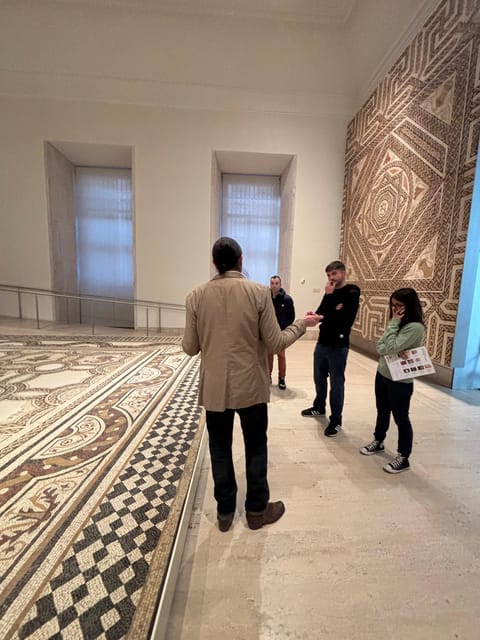
This tour lasts 1 hour and 30 minutes, and you meet near the Velazquez monument. That means you should treat it as a “focused museum block,” not a free-form walk.
A few practical moves:
- Arrive early (15 minutes) so you don’t start the tour frazzled
- Pick one era to remember before you go. Prehistory, Iberian, Roman, Al-Andalus, or Bourbons—choose just one so your brain has an anchor
- Use the highlights list as your checklist: Iberian sculpture, Roman courtyard, Andalusian legacy
- If you’re visiting during Spanish holidays, double-check museum opening hours. One unhappy experience described a mismatch between what was expected and what happened when the museum’s schedule changed, which ruined a planned day. It’s rare, but it’s the kind of risk worth managing.
Also: the tour is English and Spanish. If you’re comfortable in either, you’ll get more out of the guide.
Who should book this (and who should not)
I’d steer you toward this tour if:
- you want a guided route through a major Madrid museum without spending half a day
- you care about understanding how Spain’s eras connect, especially Iberian, Roman, and Al-Andalus
- you’re hoping to leave with a few named highlights you can explain to friends
I’d think twice if:
- you’re the type who wants to read every label, linger, and do a full museum circuit
- you’re traveling with someone who needs lots of unscheduled time for wandering
One more small policy detail: pets are not allowed. If you’re traveling with an animal, you’ll need another plan.
Should you book Naturanda’s museum visit?
If you want a smart introduction to the National Archaeological Museum in Madrid, this is an easy yes. For 1.5 hours, you get an official guide, skip the ticket line, and a route that intentionally hits the museum’s strongest, most memorable story beats: Iberian sculpture, a Roman courtyard experience, and the Al-Andalus legacy that helps you understand later Spanish history.
My “book it” condition is simple: you like the idea of learning history through objects, not just standing in front of things. If that sounds like you, $34 buys more comprehension than you’d get from a casual wander.
FAQ
Where is the meeting point?
You meet next to the monument to Velazquez.
How long is the guided tour?
The tour lasts about 1 hour and 30 minutes.
What is included in the price?
Tickets and an official guide are included.
Do I need to buy museum tickets separately?
No. Tickets are included with the activity.
What language is the tour in?
The live guide offers English and Spanish.
Is there a way to avoid waiting in line?
Yes. You skip the ticket line.
How much does it cost?
The price is listed as $34 per person.
Are meals included?
No. Meals and drinks are not included.
Can I bring a pet?
Pets are not allowed.
Is the museum visit wheelchair accessible?
Yes. The activity is wheelchair accessible.