REVIEW · MADRID
10-Day Andalusia and Morocco from Madrid
Book on Viator →Operated by VPT Tours · Bookable on Viator
Two countries, one packed itinerary. This 10-day run takes you from Madrid through Andalusia and on into Morocco, with guided city walks and a few big scenery stops. I like that it mixes headline sights (Seville, Córdoba, the Alhambra) with the real-world texture of travel—bus rides, medinas, ferries, and time to wander.
Two things I especially like: the guided walk in Seville (Plaza de España and Santa Cruz in one go), and the chance to see Fez El Bali with your eyes open, not just from photos. The tour also includes air-conditioned coach transport with onboard Wi-Fi and a tight schedule that keeps logistics from eating your vacation.
One drawback to consider: it’s fast, and day-to-day movement is real work. You’ll also need to handle customs with your own luggage and follow the rule of only one piece of luggage per person, which can be a deal-breaker if you pack like you’re moving in.
In This Review
- Key Points at a Glance
- A Smart Two-Country Plan Starting in Madrid
- Price and Value for 10 Days With Hotels, Meals, and Ferries
- Getting Around: Air-Conditioned Coaches, Wi-Fi, and a Real Group Schedule
- Day 1: Cáceres Then Sevilla’s First Evening
- Day 2: Seville Highlights—Santa Cruz, Plaza de España, Giralda
- Day 3: Córdoba on Foot—Jewish Quarter to Mosque/Cathedral
- Day 4: White Villages Route to Ronda, Then Costa del Sol
- Day 5: Tangier Crossing and the Morocco Setup—Rabat with a Stop in Assilah
- Day 6: Rabat Sights—Tour Hassan and Mausoleum of Mohamed V, Then Fez El Bali
- Day 7: Chefchaouen or Chaouen—Blue Streets, Then Tangier
- Day 8: Ferry Back to Spain and Another Base on the Costa del Sol
- Day 9: Granada and the Alhambra/Generalife—Moorish Kings’ Masterpiece
- Day 10: Toledo’s Old Town and a Madrid Finish
- Hotels, Food, and the Reality of “Included” Meals
- Guides That Make the Difference, Including Mohamed Arhoun
- Who This Tour Suits Best (And Who Should Rethink It)
- Should You Book This Tour?
- FAQ
- What time does the tour start in Madrid?
- Where does the tour end?
- Is transportation included?
- Are meals included?
- Do I get guided tours in both countries?
- What Morocco cities are visited?
- Are flamenco shows included?
- How much luggage can I bring?
- Will I need to handle customs myself?
- How late can I cancel for a full refund?
Key Points at a Glance
- Guides in six major cities: Seville, Córdoba, Fez, Rabat, Granada, and Toledo.
- Ferries are built in: you cross via the Strait of Gibraltar with fast-ferry tickets.
- Morocco stays structured: you go from Tangier into Rabat, then Fez, then Chefchaouen.
- Alhambra time is prioritized: the Granada day is centered on the Alhambra and Generalife monuments.
- Small group feel: maximum of 50 travelers, which helps with pacing and meeting points.
- One standout reported guide: in reviews, the driver/guide Mohamed Arhoun is singled out for professionalism and group care.
A Smart Two-Country Plan Starting in Madrid
This tour is designed for people who want “greatest hits” without stitching everything together on their own. You start in Madrid with a morning departure (8:00 a.m.) and end back at the same meeting point, which keeps the trip tidy.
The big idea is that Spain gives you classic architecture and historic city cores, while Morocco adds medina wandering, mint-tea moments, and a very different rhythm. You don’t have unlimited free time, but you also don’t spend the whole trip lost trying to figure out how to get from point A to point B.
And yes, the pace is full-throttle. You’ll cover a lot of ground in 10 days, so you’ll want to pack patience alongside your passport.
You can also read our reviews of more tours and experiences in Madrid.

Price and Value for 10 Days With Hotels, Meals, and Ferries
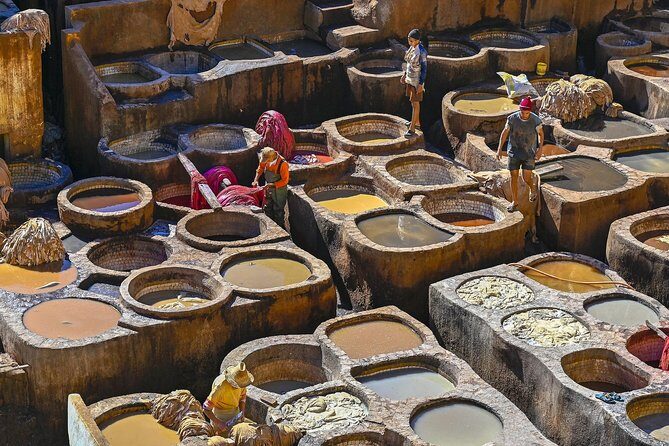
The listed price is $1,797.71 per person for about 10 days, including 9 nights with breakfast and a mix of dinners and lunches. What makes it feel like value is the bundle: hotels, guided city tours in multiple cities, bus transport, an escort, travel insurance, and the fast-ferry crossings.
You’re not just paying for sightseeing. You’re paying to offload the boring parts: transportation timing, guide coordination, and border-day logistics. For many travelers, that’s the difference between a trip that feels smooth and one that feels like constant admin.
That said, because meals included are not “every meal every day,” you still need a budget for lunches on the free days or where lunch isn’t listed as included. The tour has a couple of lunches included, but not a full set.
Getting Around: Air-Conditioned Coaches, Wi-Fi, and a Real Group Schedule
You travel by air-conditioned coach with free Wi-Fi onboard. That matters more than it sounds, especially when you’re bouncing between Spain and Morocco and you need the day to feel manageable.
The group maximum is 50 travelers, which is large enough to stay efficient but small enough that you’re less likely to feel anonymous. You’ll also have a multi-lingual tour escort, plus local guides in the key cities.
The schedule is structured around the included tours, so when you see free time, use it for practical goals: get cash, find a pharmacy if you need one, and take care of small logistics while the day is still moving. Waiting too long can turn a quick walk into a stressful scramble.
Day 1: Cáceres Then Sevilla’s First Evening
Day 1 begins with a drive through Extremadura to Cáceres, where you get time to explore Plaza Mayor and the well-preserved medieval quarter. It’s a calmer start than the rest of the itinerary, and it helps you ease into the trip rather than jumping straight into big-city crowds.
After that, you continue south to Sevilla. Dinner and accommodations are included, so you can land, eat, and sleep without hunting for a restaurant.
Tip for day one: wear shoes you can walk in immediately. Cáceres is the kind of place where you’ll want to wander streets instead of just snapping photos.
Day 2: Seville Highlights—Santa Cruz, Plaza de España, Giralda
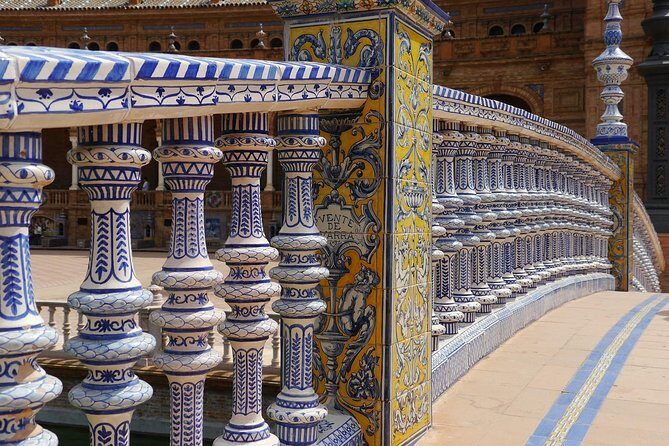
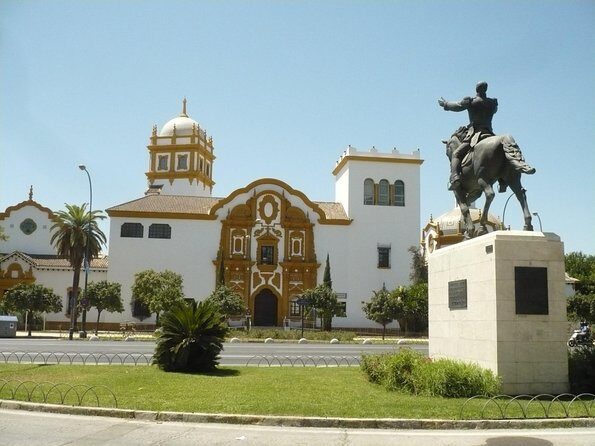
Seville is treated like a main event. The morning sightseeing includes María Luisa Park, Plaza de España, the exterior of the Cathedral, the Giralda bell tower, and the neighborhood of Santa Cruz with its narrow alleys and squares.
You also get optional choices. If you want more variety, you can do an optional Guadalquivir river navigation for panoramic views. You can also opt for the Maestranza bullring visit.
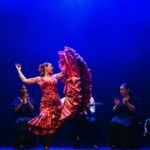
In the evening, there’s an optional flamenco show. Even if flamenco isn’t your top priority, Seville is one of the easiest places to experience it in an organized way.
The practical takeaway: do the main guided tour in the morning, then save energy for wandering Santa Cruz later. That way you don’t feel like you spent the entire day following a schedule.


Day 3: Córdoba on Foot—Jewish Quarter to Mosque/Cathedral
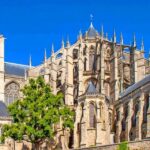
Day 3 moves to Córdoba, and the walking tour focuses on classic neighborhoods and one huge stop. You start at the Almodóvar Gate, then go through the Jewish Quarter and on to the famous Mosque/Cathedral.
This kind of guided route matters. Córdoba’s old streets are not designed for efficient self-guided navigation, and the guide helps you connect names, eras, and architectural details to what you’re actually seeing.
You get afternoon leisure after the walk. Use that time to decompress or to find a simple meal nearby, because Córdoba can feel intense in a good way.
Day 4: White Villages Route to Ronda, Then Costa del Sol
This is your scenery day. You head onto the Route of the White Villages and include Ronda with free time to explore.
The value of this day is that it breaks the pattern of big-city monuments. It gives you changing views and that slow, look-at-the-horizon feeling you don’t get in a museum.
Then you continue to the Costa del Sol for dinner and accommodations. The coast is not the point here; it’s a base for the next big step: the ferry crossing.
If you’re sensitive to travel fatigue, this is a good day to take your time in Ronda’s free window. Don’t try to “win” the free time.
Day 5: Tangier Crossing and the Morocco Setup—Rabat with a Stop in Assilah
After breakfast, you depart from the Costa del Sol for the crossing at the Strait of Gibraltar. You’ll arrive in Tangier, then continue to Rabat.
Along the way, you stop for free lunch in Assilah, described as a beautiful city. That’s a nice buffer day: you get food freedom, light wandering, and a chance to recharge before the main sights in Rabat.
In the afternoon, you arrive in Rabat for dinner and accommodation. Rabat is where the trip starts to feel more “Morocco organized,” with major monuments and structured sightseeing.
Day 6: Rabat Sights—Tour Hassan and Mausoleum of Mohamed V, Then Fez El Bali
Day 6 is all about Rabat’s key landmarks and then the shift into Fez. In Rabat, you visit Tour Hassan, an unfinished mosque structure dominating the esplanade with more than 200 columns, plus the Mausoleum of Mohamed V.
The mausoleum part is memorable for its symbolism and the royal guard imagery described in the tour overview. Then you continue onward to Fez, where the tour focuses on the intellectual and religious capital.
In Fez, you get a panoramic tour that includes the royal palace and the 7 gates of Dar Al-Makhzen on the way to Fez El Bali. The medina is a UNESCO World Heritage Site and is described with 785 mosques and a maze of squares, streets, and alleys.
This is the day where I’d advise you to go slow. Not because you have to, but because the medina rewards patience. Let the streets happen around you.
Lunch is included in a typical restaurant, then you’re back to Fez for accommodation.
Day 7: Chefchaouen or Chaouen—Blue Streets, Then Tangier
Day 7 is one of Morocco’s crowd-pleasers for good reason: Chefchaouen (Chaouen). You travel from Fez (after breakfast) to this painted mountain village and walk along streets that are known for their blue tone.
You’ll arrive at Outta El Hamman Square and have free time to explore. The tour keeps it focused: walk the streets, then soak it in before the next leg.
After that, you head to Tangier for dinner and accommodation. It’s a practical move, because it sets you up for the ferry on day 8.
Day 8: Ferry Back to Spain and Another Base on the Costa del Sol
You start with breakfast and then have a free morning until departure time to board the ferry to Spain. After the crossing, you transfer back to the Costa del Sol for dinner and accommodation.
This day is not about one big monument. It’s about resetting your brain after Morocco and easing back into Spain’s rhythm.
One practical note: since you’ve been moving through customs and checkpoints before, keep your documents in a consistent, easy-to-reach spot.
Day 9: Granada and the Alhambra/Generalife—Moorish Kings’ Masterpiece
Granada is treated like the final major “wow” in Spain. After breakfast, you head there and visit the Alhambra and Generalife monuments, described as the former residence of the Moorish kings, with fountains, gardens, and arches.
You also have an optional extension. You can add the caves of Sacromonte and attend a typical flamenco show.
Because the Alhambra day is the kind of stop where you’ll want clear attention, I recommend planning your energy: take breaks when you need them, and don’t try to fit too much shopping into the same brain-space as the monuments.
Dinner and accommodation are included, which helps you avoid an awkward end-of-day scramble.
Day 10: Toledo’s Old Town and a Madrid Finish
Your final day shifts to Toledo, described as the Imperial City full of history and monuments. You take time for lunch and a panoramic view from Mirador del Valle, then walk through the old town.
From there, you continue to Madrid. Arrival and the end of services are back at the meeting point.
If you want a memorable closing, use the Toledo walk for simple exploration: side streets, viewpoints, and a last chance to compare Spanish city layers before you head back to the capital.
Hotels, Food, and the Reality of “Included” Meals
The tour includes breakfast for 9 days and dinner for 8 days, plus 2 included lunches. In other words: you’ll eat well on most nights, but not every meal is pre-planned.
One review in Spanish praised good guides, good hotels, good food, and good service, which matches the overall structure of the itinerary. Another review noted that the hotel in Rabat was located in a darker sector, suggesting the lodging quality and neighborhood feel can vary.
So, you should treat the hotel component as part of the value bundle, but not something to assume will be perfectly located every single time. If location is your priority, you may want to read hotel neighborhood notes before committing.
Also, if you have dietary restrictions, check what can be accommodated when meals are included. The tour data doesn’t specify details, so it’s on you to ask early.
Guides That Make the Difference, Including Mohamed Arhoun
The strongest praise in the reviews centers on the people running the trip. One Spanish review highlighted Mohamed Arhoun as a professional, helpful guide who provided a lot of information and stayed attentive to the group.
That aligns with what you get on this itinerary: local guides in major cities, plus an escort and multi-lingual support overall. In a trip this packed, your guides aren’t just storytellers; they’re also time managers and cultural interpreters.
When a guide is strong, you spend less time guessing and more time understanding what you’re looking at. That’s where value shows up.
Who This Tour Suits Best (And Who Should Rethink It)
This tour fits you if:
- You want Spain plus Morocco without planning every connection.
- You like guided city walks paired with some free time.
- You’re comfortable moving daily and keeping a steady pace for 10 days.
You might rethink it if:
- You hate fast days and prefer slow travel with lots of rest.
- You pack heavy or need more than one luggage piece, because that rule is enforced.
- You need lots of fully independent time with no structured stops.
Also, Morocco is included in a structured way that can be modified without substantial variation. That’s good for minimizing surprises, but it means you’re not building a custom Morocco route day by day.
Should You Book This Tour?
I’d book it if your goal is a well-organized, two-country highlights trip that still leaves room to wander. The combination of guided tours in Seville, Córdoba, Fez, Rabat, Granada, and Toledo plus ferry crossings and included meals makes this feel like real vacation value, not just “transportation with brochures.”
I’d be cautious if you’re the type who needs lots of quiet time, or if luggage rules and customs logistics would stress you out. The tour is rewarding, but it’s not laid-back.
If you’re ready for an active 10 days and you want Morocco and Andalusia without the headache of planning every leg, this is a solid choice.
FAQ
What time does the tour start in Madrid?
The tour starts at 8:00 a.m. at C. de Ferraz, 3, Moncloa – Aravaca, 28008 Madrid, Spain.
Where does the tour end?
It ends back at the same meeting point in Madrid (C. de Ferraz, 3, Moncloa – Aravaca).
Is transportation included?
Yes. You travel by air-conditioned coach with free Wi-Fi onboard, plus fast-ferry tickets for the Strait of Gibraltar crossing.
Are meals included?
Yes. The tour includes 9 breakfasts, 8 dinners, and 2 lunches.
Do I get guided tours in both countries?
Yes. You have sightseeing tours with local guides in Sevilla, Cordoba, Fez, Rabat, Granada, and Toledo, plus a multi-lingual tour escort.
What Morocco cities are visited?
The Morocco portion includes Tangier, Rabat, Fez, and Chefchaouen (Chaouen). There is also a free lunch stop in Assilah.
Are flamenco shows included?
Flamenco shows are optional. There is an optional flamenco show in Seville, and an optional Sacromonte caves visit and typical flamenco show in Granada.
How much luggage can I bring?
Only one piece of luggage per person is allowed.
Will I need to handle customs myself?
Yes. Passengers are required to clear customs with their own luggage.
How late can I cancel for a full refund?
You can cancel up to 6 days in advance for a full refund, with the cutoff based on the local time of the experience.