REVIEW · MADRID
Architour through Lavapiés and Rastro with an architect
Book on Viator →Operated by architoursmad · Bookable on Viator
Lavapiés tells its story in buildings, not brochures. This 3-hour architect-led walk with Emilio (an architect and local in the neighborhood) links street corners to political shifts, design styles, and community life, from medieval traces to Art Deco details. I like that the tone is practical: you get context fast, then you start spotting patterns on your own.
What I really love is the way you move between surprises and the obvious sights without feeling rushed. You get two big wins: stops that are genuinely architectural (like the Imprenta Municipal rationalist printing press and the Jean Nouvel extension at Reina Sofía) plus neighborhood stops where the city feels lived-in (markets, squares, and community spaces). One thing to consider: you’ll be walking a fair amount, so wear comfortable shoes and be ready for uneven streets.
In This Review
- Key points before you go
- An architect walk through Lavapiés and Rastro: what you’re really buying
- Route pace and logistics that actually matter
- Plaza de Tirso de Molina: start with a map in your head
- Carcel de la Inquisición: a prison under a corrala
- El Rastro: market streets with design clues
- El Pavón Teatro Kamikaze: Art Deco clock and a possible coffee break
- Imprenta Municipal: rationalist architecture from 1930
- Plaza de Lavapiés: the square that names the neighborhood
- Museo Reina Sofía extension: Jean Nouvel’s design contest clues
- Mercado San Fernando: tapas, planning fuel, and a reality check
- La Tabacalera de Lavapiés: abandoned industry turned community space
- Teatro Figaro: modern movement principles on a theater facade
- Finishing at Mercado de San Fernando: the social close that sticks
- What you’ll learn from an architect, not just an itinerary
- Price and value for a private English tour with building access
- Who should book this tour (and who might want to skip)
- Should you book this architour with Emilio?
- FAQ
- Is this tour private?
- What language is the tour offered in?
- Are building tickets included in the price?
- Are drinks included at the markets?
- How long is the tour?
- What should I know about weather and closures like La Tabacalera?
- What’s the cancellation policy?
Key points before you go
- Emilio’s architect lens ties Madrid’s styles (and politics) to what you see on the street.
- Inside access is built in: the price includes entry to the buildings you visit.
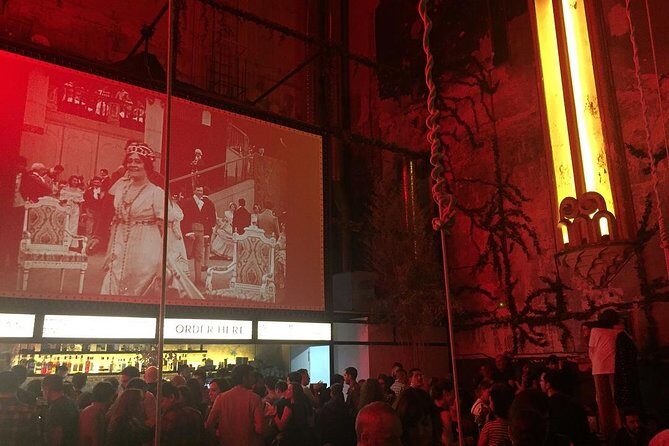
- You’ll hit both “official” and everyday Madrid, with markets, squares, and community-run culture stops.
- Jean Nouvel at Reina Sofía is part of the route, not a random detour.
- Food is light but real: you’ll grab tapas at a neighborhood market, while drinks are on your own.
- Season notes matter: La Tabacalera is listed as closed for works starting July 25.
An architect walk through Lavapiés and Rastro: what you’re really buying
This isn’t a generic sightseeing loop. You’re paying for a person who can read a facade, explain a layout, and connect it to how the neighborhood evolved. Emilio structures the walk so each stop answers a simple question: why did this place look this way, and what did it mean for the people around it?
At $210.12 per person for about 3 hours, the value comes from two places. First, entry to all buildings is included, which reduces the little add-ons that creep up on city tours. Second, the tour is private for your group, so you can ask follow-ups and keep the pace matched to your interests, whether your focus is architecture, history, or just learning to see Madrid differently.
You’ll also feel the energy from the group conversations. The route ends with a shared drink and tapas at a market area, and that kind of close-to-the-street finish is where the whole theme clicks: architecture in real life.
You can also read our reviews of more tours and experiences in Madrid.



Route pace and logistics that actually matter
Plan on a steady walking pace through central streets and plazas. The time at each stop is short enough to keep momentum, but long enough for Emilio to point out specific design clues. A review also flags something that matters: choose your most comfortable walking shoes, because Madrid sidewalks in older neighborhoods are not always smooth.
The tour is offered in English and runs as a private tour/activity. That means only your group participates, and you can expect a tighter, more personalized flow than big group tours. A mobile ticket is included, and the meeting point is easy: Plaza de Tirso de Molina.
One more practical point: the experience notes good weather is required. If weather turns, you’ll be offered a different date or a full refund, so keep that flexibility in mind when planning.
Plaza de Tirso de Molina: start with a map in your head
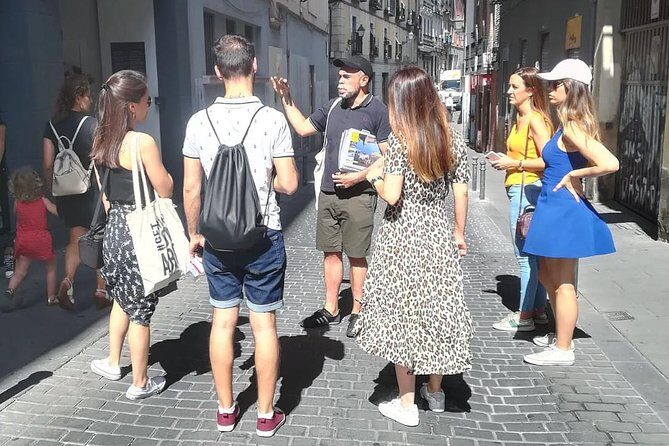
Every good architectural walk needs orientation, and this one starts at Plaza de Tirso de Molina. Emilio kicks things off with the history of the neighborhood and how the area developed over time. This is the kind of start that helps you later, because you’ll understand why streets curve, why certain blocks feel dense, and why some sites feel layered instead of planned in one moment.
At about 15 minutes, this isn’t a long lecture. It’s more like a set of coordinates for your brain. You’ll leave this first stop already able to connect what you see next—especially the older structures hidden behind everyday storefronts.
If you like learning quickly and then walking with purpose, this opening works well. It’s also a good option for people who want more than a quick photo stop but don’t want an all-day museum pace.
Carcel de la Inquisición: a prison under a corrala
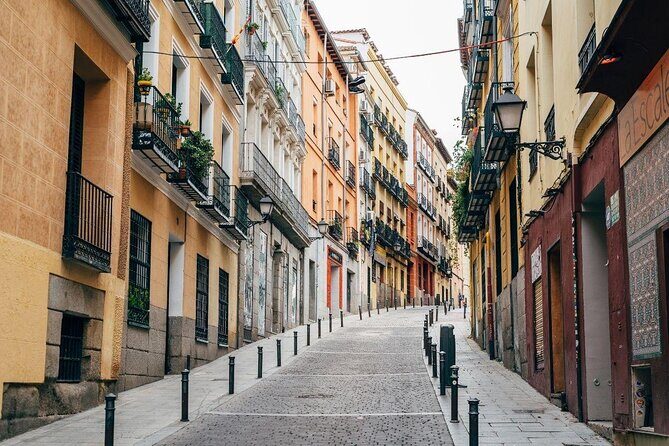
Next is the Inquisition Jail (Carcel de la Inquisicion), described as an Inquisition prison under a corrala. That phrasing matters: corrala buildings are part of Madrid’s traditional inner-courtyard housing logic, and seeing a penal site in that context flips your expectations.
You get around 10 minutes here—enough time to understand the setting and grasp the shock of how these spaces could exist within ordinary neighborhood life. Emilio’s explanation connects the building form to the way power and surveillance shaped everyday routines.
A drawback to keep in mind: the stop is short and depends on what you can observe on-site. If you prefer deep, time-intensive interior viewing, plan to ask Emilio questions during the walk to get the extra context without needing more minutes at this one location.
El Rastro: market streets with design clues
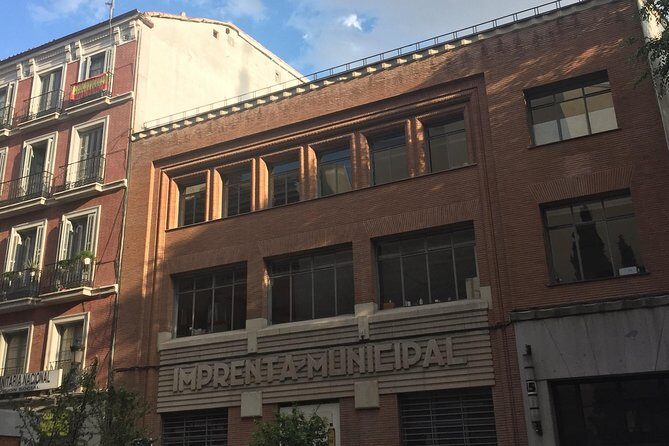
Then you move to El Rastro, the street market area. If you do the tour on Sunday, this is where the market energy is obvious. Outside Sunday, the tour still works because many vintage furniture stores open during the rest of the week, so the feel doesn’t disappear entirely.
You’ll have about 15 minutes here. This is a smart stop because markets are living architecture: you see how streets get used, how commerce reshapes a public space, and how informal networks bring people through the neighborhood.
Practical tip: go with curiosity, not just hunger. Even if you’re not buying anything, El Rastro helps you read the neighborhood. The “why” becomes clear when you later see community-run spaces like La Tabacalera.






El Pavón Teatro Kamikaze: Art Deco clock and a possible coffee break
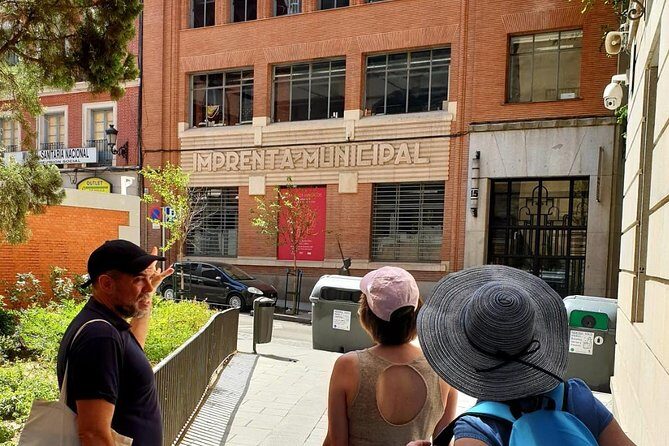
At El Pavon Teatro Kamikaze, you’re mostly there for the facade and its art-deco clock. It’s a quick 5-minute stop, but it’s the kind of detail you might walk past without realizing it mattered.
Emilio uses small exterior observations to show you the architectural shift toward modern style and visual spectacle. The facade becomes a lesson: how a building can shout identity even when the neighborhood around it keeps changing.
There’s also an option that feels very Madrid: if you want, you can grab a coffee at the cafe in the middle of the architour. Drinks aren’t included, but this kind of pause keeps the walk from feeling like a nonstop sprint.
Imprenta Municipal: rationalist architecture from 1930
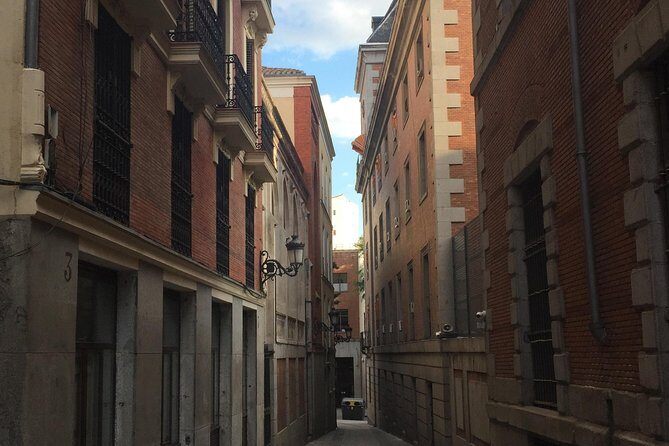
One of the stops you’ll remember is Imprenta Municipal, described as a rationalist architecture highlight in Madrid from 1930. This is a longer 15-minute segment, and it’s where the tour earns its architect title.
Rationalist architecture often reads as functional and strict, but that’s exactly why it’s worth seeing with a guide. Emilio helps you look beyond the shape and understand the intent: printing and municipal work tied into the idea that public systems should be organized, efficient, and visibly modern.
If you care about the difference between style and purpose, this is your “click” moment. It also gives contrast against older layers you’ll see elsewhere on the route, so your mental timeline becomes clearer.
Plaza de Lavapiés: the square that names the neighborhood
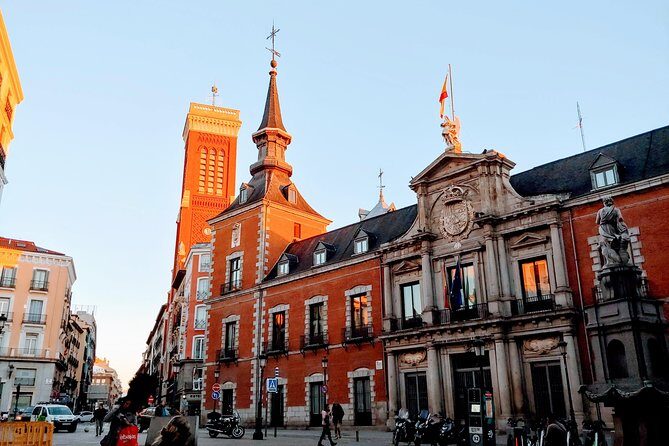
Then you land in Plaza Lavapiés, the square that gives its name to the neighborhood. Emilio uses this as the social center of Lavapiés, a place where different communities coexist and where neighbors of different backgrounds share the street.
You get only about 5 minutes, but it’s a high-impact stop. It’s quick because Emilio wants you to carry the idea forward: architecture isn’t only buildings. It’s the way people use space, and how a neighborhood’s identity forms around everyday movement.
If you want the human scale of the story, this short square stop delivers without turning into a cultural show. You’ll notice how the square works as a meeting point even as the neighborhood changes.
Museo Reina Sofía extension: Jean Nouvel’s design contest clues
Next is Museo Nacional Centro de Arte Reina Sofía, focusing on the extension designed by Jean Nouvel. You’ll also stop at the museum’s restaurant, library, and covered patio, with explanations tied to different proposals from a contest held in 1999.
This section is about 10 minutes. That’s short, but the design details are strong enough that you’ll feel the shift in perspective. Jean Nouvel’s architecture is often about creating tension and flow—space that feels intentional rather than purely decorative—and Emilio connects that design thinking to how modern public institutions try to work as urban connectors.
What I like about including this stop is that it bridges old and new without forcing a museum-only day. You see modern architecture while still in the neighborhood’s walkable fabric.
Mercado San Fernando: tapas, planning fuel, and a reality check
You’ll end up at Mercado San Fernando for neighborhood-market food. This stop is around 15 minutes and it’s built for small bites: tapas and something to drink. Drinks are not included, but the tour gives you the structure to try local flavors without guessing.
This is also where Emilio turns educator mode into trip-helper mode. He’ll give suggestions for your stay in Madrid and discuss what you’ve seen so far. That final conversation is not filler. It helps you decide where to go next based on what you actually learned on the walk.
A practical consideration: markets can be noisy and busy, and your time window is short. If you’re ordering something, keep it simple and move with the group so you don’t lose the explanation rhythm.
La Tabacalera de Lavapiés: abandoned industry turned community space
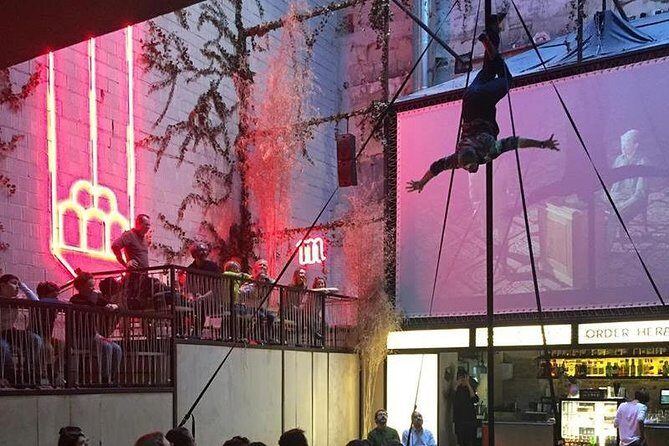
At La Tabacalera de Lavapies, you visit an abandoned industrial building that now hosts exhibitions and also has an area that is self-managed by neighbors. Emilio points out urban-art elements on the building walls, turning the place into a living gallery rather than a quiet monument.
The stop is listed as about 15 minutes. There’s an important timing note, though: it’s closed for works from July 25. If your trip falls near or after that date, your route experience may change, so check closer to travel.
Even so, this stop adds something missing from most architecture tours: the idea that spaces can be reclaimed. The point isn’t only style. It’s agency—how people change what a building means.
Teatro Figaro: modern movement principles on a theater facade
The route ends with Teatro Figaro, where you see the facade of what’s described as the first theater built in Spain using modern movement criteria. It’s a short stop at about 5 minutes, but it matters because it adds a final design thread.
In older Madrid neighborhoods, theaters often serve as social engines. Even if you don’t go inside here, seeing how modern principles show up in a theater building helps you track the tour’s big theme: styles change, but public life stays the core.
It also gives your eyes a last task before the finish: look for modern elements you’ve been learning to spot, then check them against what you’re seeing at street level.
Finishing at Mercado de San Fernando: the social close that sticks
The tour ends at Mercado de San Fernando on C. de Embajadores, 41. The plan is to finish together while you drink something and take some tapas. This is one of those smart tour choices because it anchors the whole architectural story in a casual neighborhood moment.
I like endings like this because they help you translate design talk into real life. You stop thinking like a student and start thinking like a person walking through Madrid.
Also, since this is private and only your group participates, you don’t have to rush to catch a train or fight through a crowd at the end. That makes the final hang feel more like a friendly local briefing than a checklist.
What you’ll learn from an architect, not just an itinerary
The best part of this tour is the way it teaches you to see. Emilio doesn’t just name styles; he shows you how they connect to the city’s evolution. You’ll walk through a chain of influences that includes medieval and Baroque-era traces, then moves through styles like Escorial and Neoclassical, and ends up at Art Deco and modern movement elements.
You’ll also learn how urban form shapes daily life in mixed districts. Lavapiés is a neighborhood where the street scene includes longtime residents and newcomers, and Emilio uses stops like Plaza de Lavapiés and the market areas to explain how that coexistence shows up in the physical city.
And because he’s an architect who lives in Lavapiés, the tour doesn’t feel like someone borrowing the neighborhood for a few hours. You get local references and practical suggestions, including favorite addresses and rooftop-type ideas, which can be valuable when you’re building your own Madrid plan.
Price and value for a private English tour with building access
Let’s talk value clearly. At $210.12 per person for about 3 hours, you’re paying for:
- A private group experience (only your group participates)
- English guidance
- Entry/access to all buildings included in the price
- A route that combines architecture with markets and community spaces
The drink you add at the end and at market stops is extra because drinks are not included. But tapas and a market finish are easier to budget than a tour that adds multiple paid entry fees across the day.
One more value factor: the tour is booked about 91 days in advance on average. That usually means people plan it intentionally, often because the architecture perspective is a standout angle compared to standard neighborhood walks.
Who should book this tour (and who might want to skip)
You’ll likely enjoy this if:
- You like architecture explanations that point to real street details.
- You’re curious about how politics, design, and neighborhood life overlap.
- You want a shorter morning or early afternoon plan that still feels meaningful.
You might not be the best fit if:
- You hate walking and prefer long museum-only time blocks.
- You’re looking for a super hands-off tour with minimal talking. This is guide-led and explanation-focused.
- You’re traveling right around July 25, since La Tabacalera de Lavapiés is listed as closed for works.
For everyone else, it’s a strong way to understand Madrid beyond the postcard centers.
Should you book this architour with Emilio?
Yes, if you want to leave Madrid with better eyes, not just more photos. This route hits major architecture touchpoints while keeping the focus on how Lavapiés actually works as a neighborhood. The combination of architect-led context, included building access, and a finish with tapas and a drink makes it feel like a complete experience, not a half-day lecture.
Book it especially if you already care about design—or if you’re the type of person who keeps wondering why a facade looks the way it does. Emilio’s style is active and conversational, and the tour flow is built to keep you moving while you learn.
If you’re cautious about walking, plan your shoes and energy level carefully. Otherwise, this is the kind of tour that turns a familiar neighborhood into a place you can explain.
FAQ
Is this tour private?
Yes. It’s listed as a private tour/activity, meaning only your group participates.
What language is the tour offered in?
The tour is offered in English.
Are building tickets included in the price?
Yes. Access to all buildings is included.
Are drinks included at the markets?
No. Drinks in markets, bars, and restaurants where you stop are not included.
How long is the tour?
It’s about 3 hours (approx.).
What should I know about weather and closures like La Tabacalera?
The experience requires good weather. It also notes that La Tabacalera de Lavapies is closed for works from July 25.
What’s the cancellation policy?
You can cancel for a full refund up to 24 hours before the experience starts. If it’s canceled due to poor weather, you’ll be offered a different date or a full refund.