REVIEW · CUENCA
Cuenca: Medieval Old Town
Book on GetYourGuide →Operated by CUENCA VIAJES · Bookable on GetYourGuide
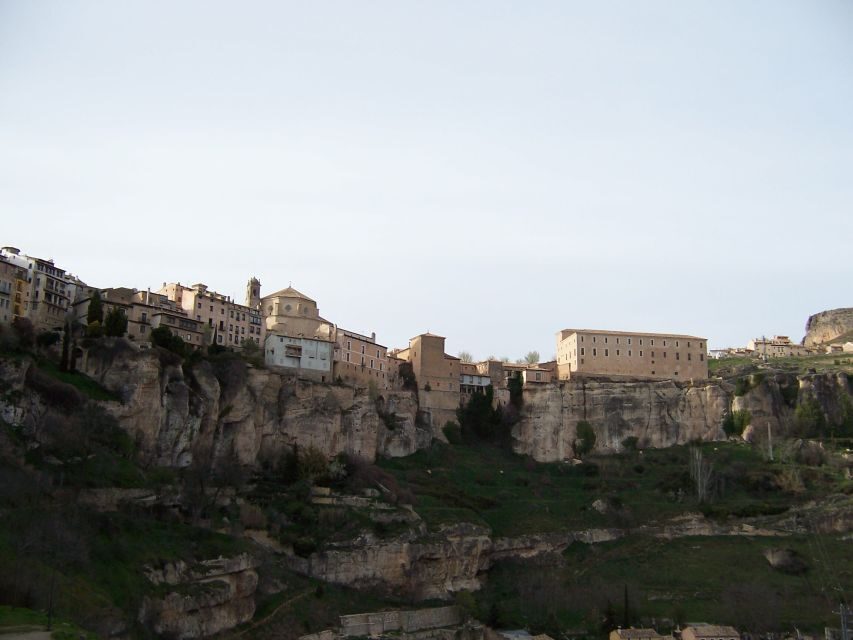
Cuenca feels like a cliff-side movie set. This guided stroll takes you through one of Spain’s best-preserved medieval towns, built on rock above the deep gorges of the Júcar and Huécar rivers. You’ll see why Cuenca is often called the Eagle’s Nest—and why the architecture looks almost impossible.
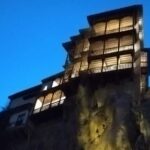
I especially love the hanging houses. Up close, you understand how these buildings cling to the sides of the gorge in a way that’s both dramatic and oddly practical. I also like that the Spanish-speaking guides bring it to life with real character—people have mentioned guides like Ángela for being professional and friendly, and Raúl for dry humor and smoothly managing bigger groups.
One thing to plan for: this tour is not suitable for people with mobility impairments or wheelchair users. The old streets can be tight and uneven, and you’ll be doing a lot of walking on-site.
In This Review
- Key takeaways before you go
- Cuenca’s rock, the gorges, and the reason the town looks unreal
- Meeting at Cuenca City Hall: simple start, clear instructions
- The 2-hour route: how to get value without rushing the views
- Hanging houses in the real world: the architecture lesson you can see
- Panoramic gorge viewpoints: where the Eagle’s Nest makes sense
- UNESCO Cuenca: ecclesiastical monuments and the medieval city rhythm
- The story of the 1500s apartments: vertical life at 12 stories
- Price and timing: why this is good value for a UNESCO town
- Who this tour fits best (and who should choose differently)
- Should you book Cuenca Medieval Old Town?
- FAQ
- Is the tour conducted in Spanish?
- How long does the Cuenca Medieval Old Town tour take?
- Where do I meet the guide?
- Is pickup service included?
- Is the tour suitable for wheelchair users or people with mobility impairments?
- Can families with young children or strollers join?
Key takeaways before you go
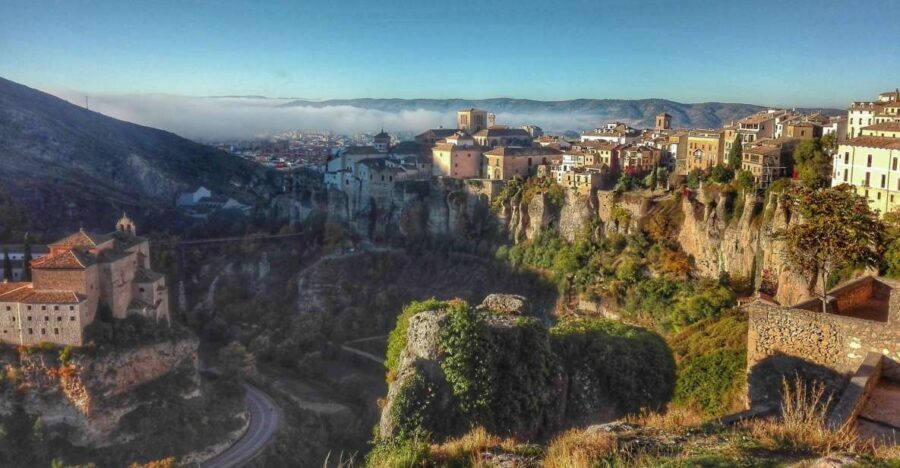
- Hanging houses you can actually see from street level and not just in photos
- Gorge panoramas of the Júcar and Huécar from points in and around the old town
- Spanish-only guiding, with guides praised for being clear and entertaining
- UNESCO-listed medieval Cuenca (since 1996) and its big ecclesiastical moments
- A 1500s apartment story connected to architecture stacked vertically (up to 12 stories, as explained on the tour)
Cuenca’s rock, the gorges, and the reason the town looks unreal
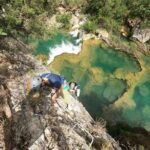
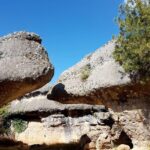
Cuenca sits on natural rock, with slopes dropping down into the deep gorges carved by the Júcar and Huécar rivers. That setting does half the work for the tour: the views give you instant context for the city’s layout, and the height makes the streets feel like corridors built around a dramatic backdrop.
On this 2-hour walk, you’re not just looking at old buildings. You’re learning how the city was shaped by the ground beneath it. The guide points out how Cuenca manages to fit living spaces along narrow paths and dramatic edges, which is why the architecture can feel theatrical even when you’re just standing on a normal street corner.
And yes, the famous look can be hard to believe until you’re there. Several stops focus on the “how did they build that” feeling—especially the hanging architecture that clings to the rock and seems to overhang the drop.
You can also read our reviews of more tours and experiences in Cuenca.
Meeting at Cuenca City Hall: simple start, clear instructions
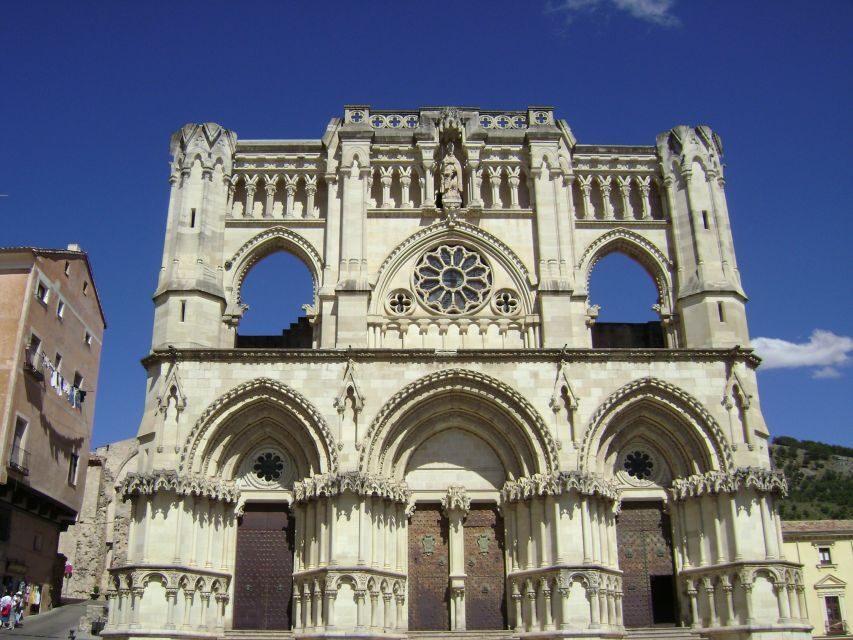
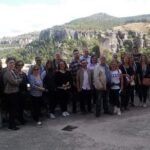
Start is straightforward. Meet just below the arches of Cuenca City Hall, next to the tourist office. Look for guides wearing a red uniform, and arrive at least 5 minutes early so you can start on time.
This tour is local guide only (no pickup service). That matters because you’ll want to be ready to walk from the first minute. If your day in Cuenca is busy—train timings, lunch reservations, museum queues—this is one of the easier guided options to plug in because the meeting point is central and easy to find.
Also, plan for the language. The tour is conducted in Spanish only. If you speak some Spanish, you’ll get more out of the architecture stories, local lifestyle details, and monument explanations. If you don’t, you can still enjoy the visuals, but your understanding of the “why” will be limited.
The 2-hour route: how to get value without rushing the views
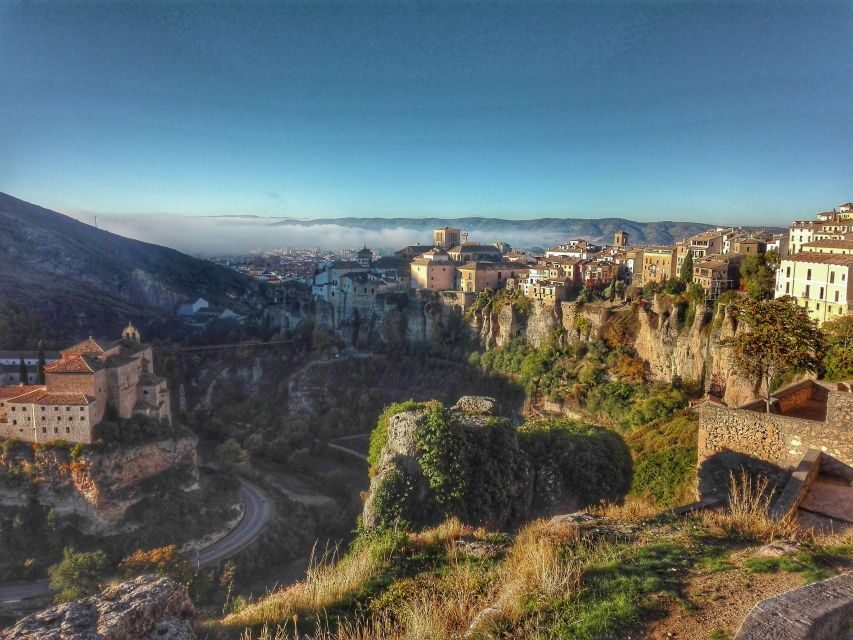
The duration is 2 hours, which is a sweet spot for Cuenca. Long enough to connect the main medieval sights, short enough that you won’t feel trapped in a full-day schedule.
You can expect a steady flow through the narrow streets of the old town with stops for panoramas and key monuments. The guide isn’t just naming buildings. The tour is built around how Cuenca “reads” when you move—what you notice first, what makes sense second, and which details become clearer after you’ve walked a few blocks.
One practical tip: if you like your tours to feel brisk, this is the one thing to keep an eye on. A couple of people felt the timing included too much standing and story time, and one wished there had been an additional bridge-view stop for the best sightline. That doesn’t mean the tour is bad—it just means your ideal pace might be different. If you’re the type who loves moving from photo spot to photo spot, you might want to ask your guide early if the route includes the viewpoints you care about most.
Hanging houses in the real world: the architecture lesson you can see
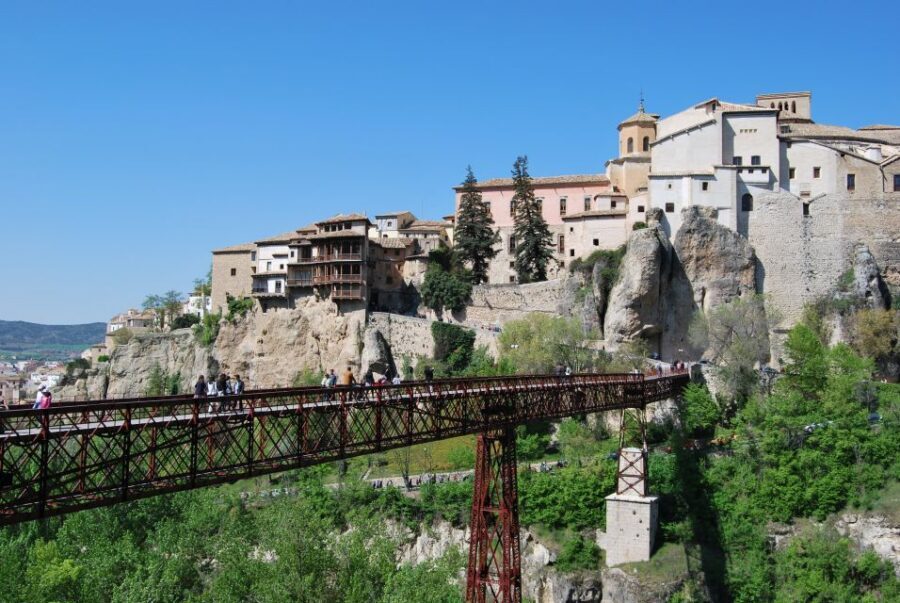
Cuenca’s “wow” factor is the hanging houses, and this tour leans hard into that. You’ll walk to areas where the buildings appear to step outward over the gorge, creating that impossible visual effect.
What I like about learning this way is that it changes how you look at the city. Instead of seeing isolated landmarks, you start seeing patterns: the city’s design adapts to the rock, and the buildings respond to steep drops and limited space. In other words, it’s not just decorative weirdness. It’s architecture shaped by a tough site.
This is also where a good guide makes the difference. People have praised guides like Ángela for being professional and friendly, and Raúl for being entertaining even with dry humor. When the explanations fit the view in front of you, you don’t just take pictures—you understand why those buildings feel so strange and so specific to Cuenca.
Panoramic gorge viewpoints: where the Eagle’s Nest makes sense
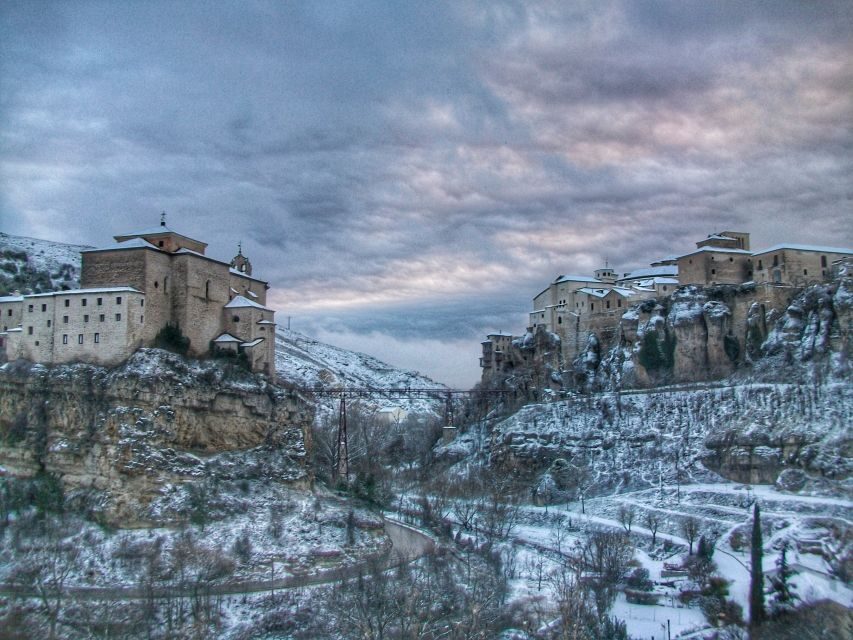
Cuenca isn’t flat. The old town is perched over the deep gorges of the Júcar and Huécar rivers, and the tour includes scenic viewpoints so you can connect the architecture to the drop below.
These panoramas help you interpret everything you’ve just seen. Once you understand the height and the river cuts, the hanging effect feels less like a trick and more like a response to real geography. The guide’s job is to steer your attention—toward the edges, toward how the buildings align, and toward the “why” behind the city’s vertical feel.
Do keep one eye on footing. Old town streets can be uneven, and viewpoint stops may require a bit of leaning or careful walking. If you’re traveling with kids, one review noted that a family joined with a 1-year-old in a stroller and were able to do the tour without problems. Still, the cobbled feel of historic centers can vary block to block, so go with shoes that feel stable under you.

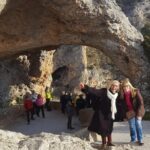
UNESCO Cuenca: ecclesiastical monuments and the medieval city rhythm
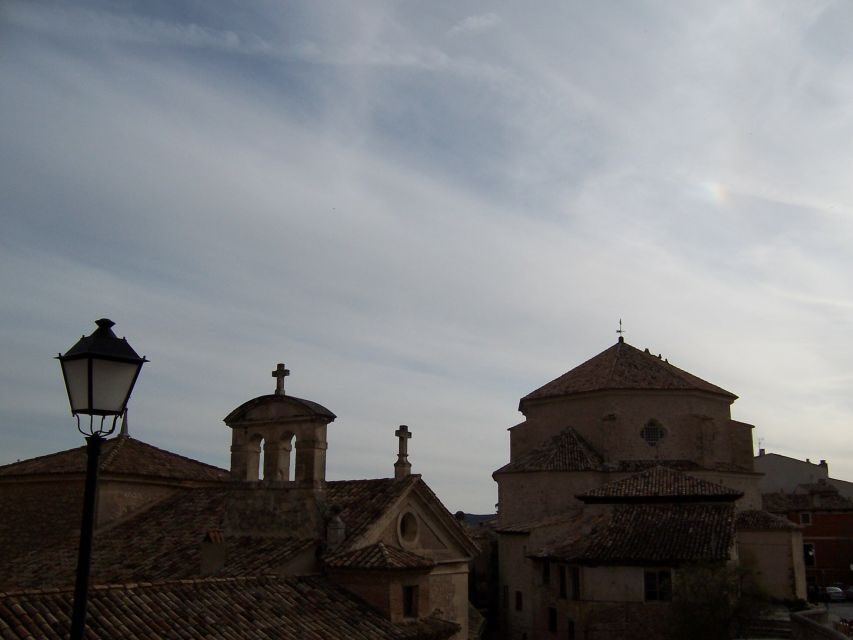
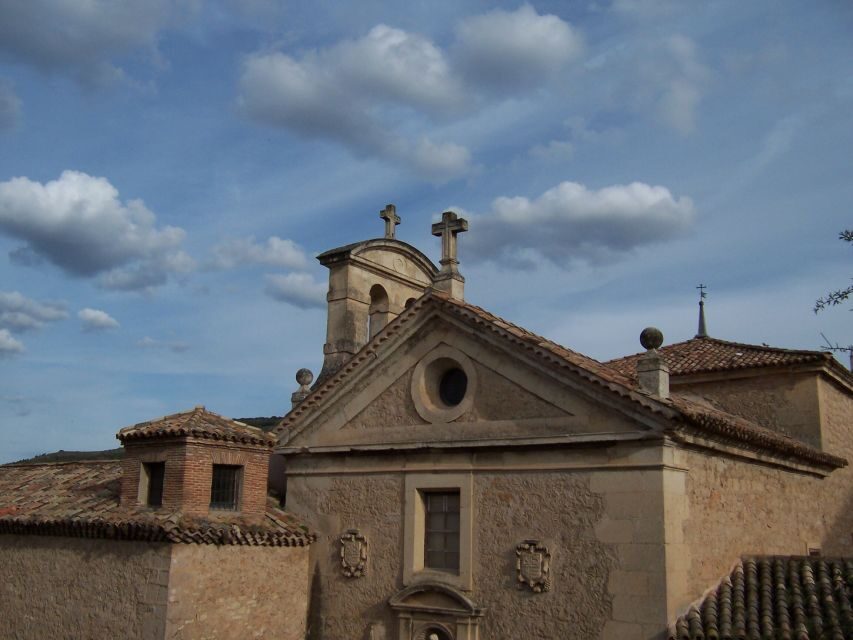
Cuenca’s UNESCO status (designated in 1996) isn’t there for decoration. The tour focuses on the main monuments and the church-related architecture that gives the town its medieval backbone.
You’ll spend time in areas tied to ecclesiastical architecture, and the guide weaves in local lifestyle and history along the route. That “along the way” approach matters. A list of churches is nice, but it doesn’t explain how a city like this actually functioned day to day—where people gathered, how the streets worked as daily corridors, and why certain buildings dominate the view.
Also, the old town scale helps. You’re not stuck outside in the open where details blur. The narrow streets bring you close to stonework, arches, and the kind of medieval craftsmanship that’s easy to miss when you hurry.
The story of the 1500s apartments: vertical life at 12 stories
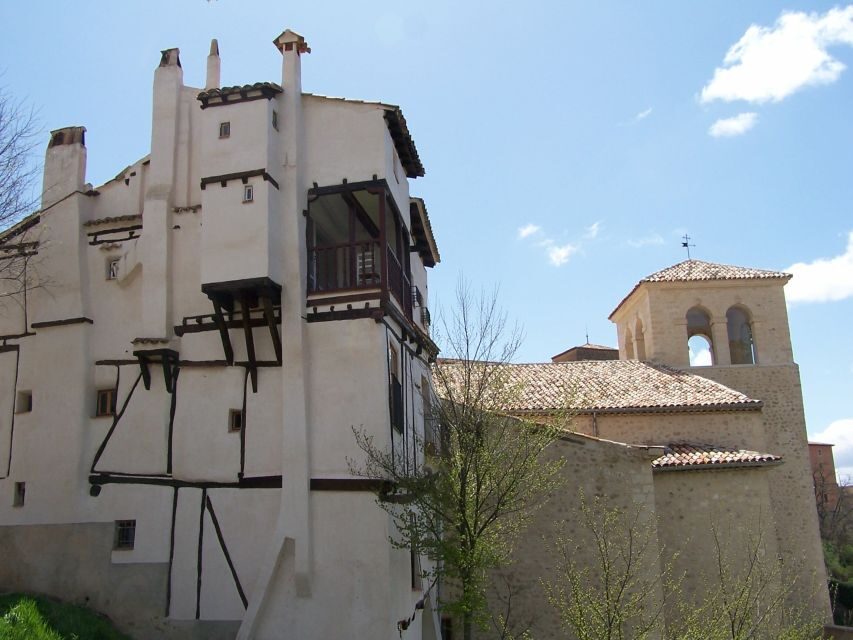
One of the more striking pieces of information included on the tour is a claim about Cuenca’s early vertical living. In the 16th century, the tour explains that Cuenca had the highest apartments in Europe, described as around 12 stories tall.
Even if you treat that as a “guide explanation” rather than a textbook fact, it still communicates something important: Cuenca was dense and compact, shaped by limited space and the steep drop around it. The city had to get creative with building upward, and the result is the layered look you see today.
It’s a great moment on the tour because it connects architecture to daily life. Instead of thinking of the buildings as just old, you start imagining people living their regular routines inside structures stacked and shaped by the site.
Price and timing: why this is good value for a UNESCO town
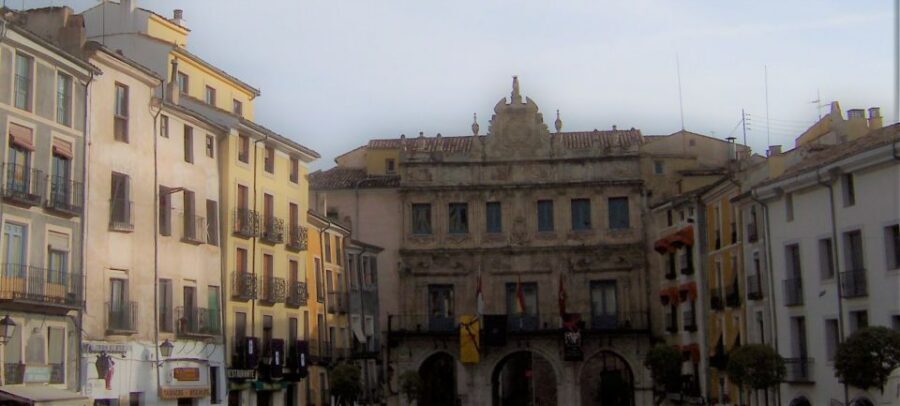
The price is $10 per person for a 2-hour guided tour. For a UNESCO-designated old town, that’s strong value—especially because you’re paying for interpretation, not just access.
Here’s why the money makes sense: you’re getting a Spanish-speaking guide focused on key monuments, cliffside architecture, and panoramic context. Those are the things that usually take research time to understand on your own. With a guide, you trade a little freedom for clarity, and you finish with a much better mental map of what you saw.
The other value angle is time. Two hours is long enough to make the medieval layout click, but short enough that you can pair it with independent exploring afterward—coffee, a second walk through the old streets, or aiming for additional viewpoints when you have your bearings.
Who this tour fits best (and who should choose differently)
This experience fits best if you:
- Want a guided explanation of Cuenca’s medieval architecture and UNESCO monuments
- Enjoy walking and watching how views reveal the city’s design
- Speak some Spanish or don’t mind relying on visuals with partial understanding
- Like a route that connects different kinds of sights: streets, views, hanging architecture, and church-related highlights
It’s not a great match if you:
- Need wheelchair-friendly access or have mobility limitations. This tour is explicitly not suitable for wheelchair users and people with mobility impairments.
If you’re bringing a stroller, one verified experience notes it went fine with a 1-year-old in a stroller. That’s a hopeful sign, but the old town can still be challenging depending on which streets the guide uses that day.
Should you book Cuenca Medieval Old Town?
I’d book it if you want your first (or second) look at Cuenca to feel structured and meaningful. At $10 for a 2-hour Spanish-led walk, you’re paying for the kind of context that makes the hanging houses and gorge views click in your head.
Skip it only if your top priority is a very fast, very flexible pace or you need accessibility support. If you do book, arrive early, wear solid shoes, and try to listen for the city-building logic behind what you’re seeing. Cuenca is beautiful on its own, but the guide makes the architecture make sense.
FAQ
Is the tour conducted in Spanish?
Yes. This tour is only conducted in Spanish, and the live guide provides the explanations in that language.
How long does the Cuenca Medieval Old Town tour take?
The tour lasts 2 hours.
Where do I meet the guide?
Meet just below the arches of Cuenca City Hall, next to the tourist office. Look for guides wearing a red uniform.
Is pickup service included?
No. Pick-up service is not included.
Is the tour suitable for wheelchair users or people with mobility impairments?
No. It is not suitable for wheelchair users or people with mobility impairments.
Can families with young children or strollers join?
A verified booking shared that they did the tour with a 1-year-old in a stroller and could make it work without problems.