REVIEW · MADRID
From Madrid: El Escorial and Valley’s Basilica Half Day Tour
Book on GetYourGuide →Operated by VPT TOURS TICKETS & ACTIVITIES · Bookable on GetYourGuide
Two stark sites, one guided half day. This tour is interesting because it links Spain’s royal power at El Escorial with the heavy memory of the Valley of the Fallen, and you visit both with a live guide plus audio headsets. I like that you get to focus on big, specific highlights like the Cloister of the 4 Evangelists, the Palace of Philip II, and the Royal Pantheon, not just a quick walk-by. I also like the Valley visit includes the basilica interior, so you see more than the famous cross from a distance.
One thing to plan for: the Valley portion is only about 45 minutes, which can feel tight for a site that deserves a slower, quieter pace.
In This Review
- Key tour takeaways
- Why El Escorial and the Valley of the Fallen fit a Madrid half day
- The drive from Madrid: how the timing really works
- El Escorial: stepping into Philip II’s royal-monastery machine
- Cloister of the 4 Evangelists and the palace feel of the monastery
- Royal Pantheon: why the burial spaces hit harder than you expect
- The Valley of the Fallen: a memorial built into hard rock
- Basilica interior time: what you’ll actually get in 45 minutes
- Your guide and the audio headset: how to get the most from 5 hours
- Price and value: is $78 a fair deal for this route?
- Practical rules that matter on monasteries and memorial sites
- Who should book this tour, and who should skip it
- Should you book the El Escorial and Valley of the Fallen half day tour?
- FAQ
- How long is the tour from Madrid?
- Where do I meet the tour?
- What places are included on the tour?
- What’s included in the $78 price?
- What languages does the guide speak?
- Does the tour include skip-the-ticket-line access?
- How much time do we spend at the Valley of the Fallen and basilica?
- Is this tour wheelchair accessible?
- Are there restrictions on luggage, pets, or photography?
- What are the cancellation and pay-later options?
Key tour takeaways
- Strong guiding and a steady pace with guides such as Pilar, Carlos, Anne, Sylvia, and Ana highlighted for clear explanations and keeping the group moving.
- El Escorial must-sees are built in including the Cloister of the 4 Evangelists, Philip II’s palace spaces, and the Royal Pantheon.
- You actually go inside the Valley’s basilica and see the crypt area as part of the memorial experience.
- Time-saving “front of the line” style access for El Escorial helps you make the most of the short day.
- Audio headsets are included to help you follow the narration across stone corridors and long distances.
- A well-structured 5-hour format keeps the Madrid-to-mountains commute from eating your whole morning.
Why El Escorial and the Valley of the Fallen fit a Madrid half day
If you only have a morning (or a half day) in Madrid, you can still get two of the most important cultural stops in the wider region. This tour is built around one big idea: Spain’s monarchy and Spain’s 20th-century tragedy are both written into stone, but in very different styles.
You’ll start with El Escorial, a UNESCO World Heritage Site tied to the reign of King Philip II. Then you head to the Guadarrama Mountains to the Valley of the Fallen, a memorial built for those who died during the Spanish Civil War. Seeing them back-to-back is the real value: it turns what could be two separate “sightseeing boxes” into one bigger story.
You can also read our reviews of more tours and experiences in Madrid.


The drive from Madrid: how the timing really works
You depart from the VPT meeting point (VPT TRAVEL FOR ALL) and ride the coach for about an hour to Escorial. That travel time matters because it sets you up for the two big walking zones without feeling like you need to figure out transit or ticket logistics on your own.
Once you finish the monastery visit (about two hours), the schedule includes a short transfer to the Valley area. You then arrive for the Valley stop and basilica interior time, and you return to the meeting point after another drive segment (around 50 minutes). In plain terms: the day is tight, but it’s not random.
If you’re someone who prefers not to rush between stops on your own, this kind of organized timing is a win.
El Escorial: stepping into Philip II’s royal-monastery machine
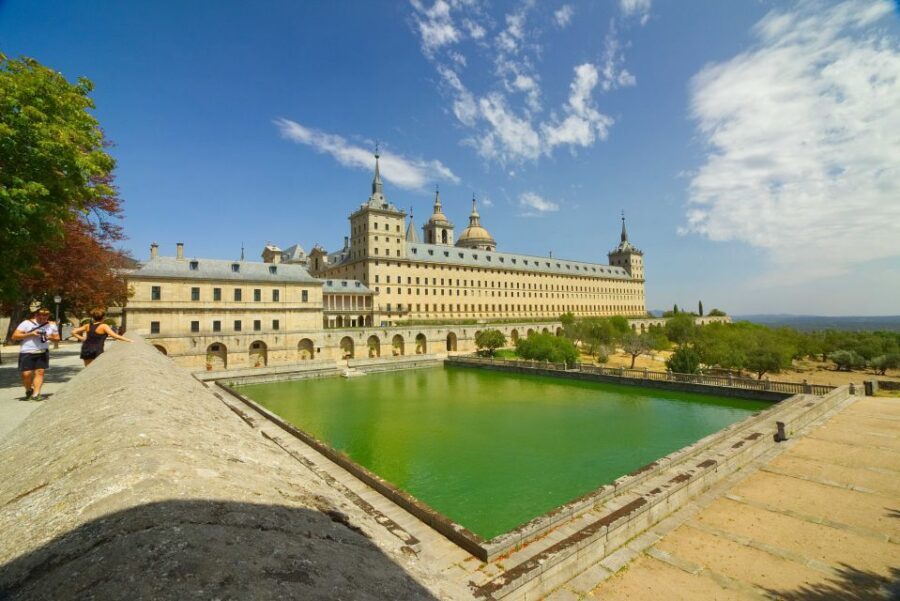
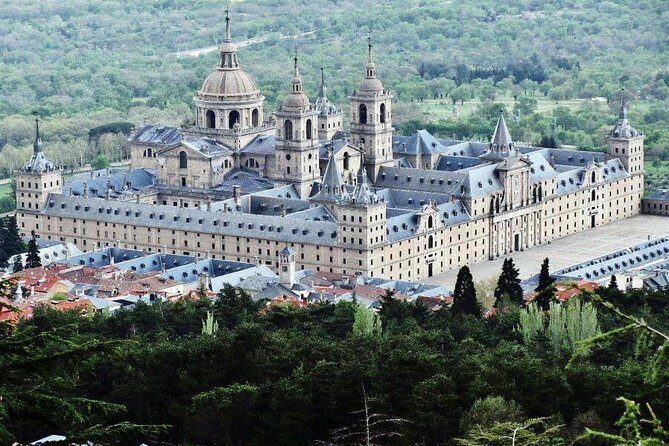
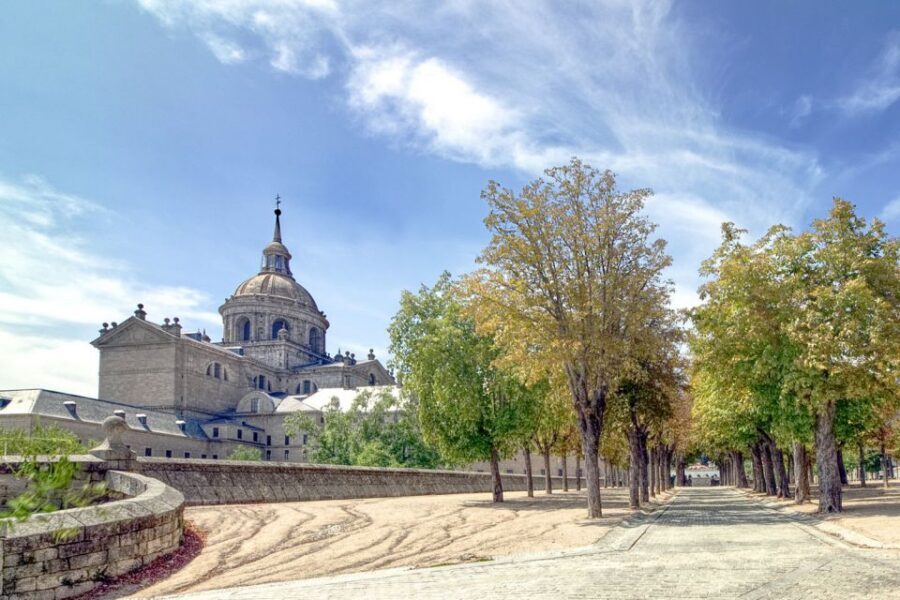
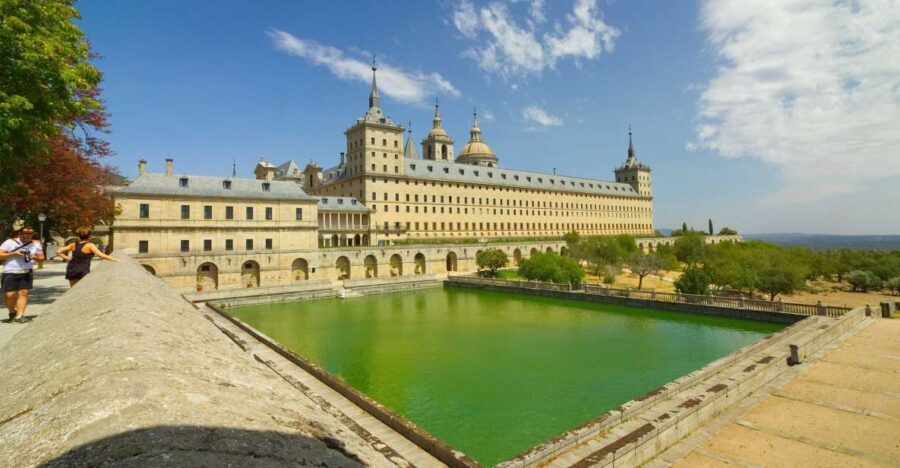
At San Lorenzo de El Escorial, you’re not just touring a pretty building. You’re walking through a machine designed to project power—part monastery, part palace, part royal burial site. Built during Philip II’s reign, it was meant to function as a residence for Spanish kings and a place of devotion, all under one monumental roof.
Your guided walk covers the spaces that make El Escorial feel different from other European palaces. You’ll spend about two hours there, which is a good match for first-timers: long enough to understand what you’re seeing, not so long that you lose the thread.
One detail I appreciate is that the tour includes entrance and a guided visit inside the complex, so you aren’t left reading signs and guessing what matters most.
Cloister of the 4 Evangelists and the palace feel of the monastery
The Cloister of the 4 Evangelists is one of those stops where you start noticing how much thought went into layout and symbolism. You’ll see it as part of the guided route, rather than as a separate optional detour.
Then the tone shifts again as the guide brings you into royal spaces connected to Philip II. This is where El Escorial stops feeling like a single big monument and starts feeling like a working world: corridors, religious functions, and royal quarters all built into the same complex. It’s a useful reminder that Philip II’s Spain wasn’t compartmentalized into art, politics, and religion like separate tabs—it was one operating system.
In short: if you enjoy seeing how buildings reflect how people lived (and ruled), this part is a treat.
Royal Pantheon: why the burial spaces hit harder than you expect
A key highlight is the Royal Pantheon, where Spain’s monarchs are memorialized. The scale and focus of the burial area changes the mood quickly, even if you came in thinking of El Escorial as architecture only.
You also get a tour route that helps you connect names, reigns, and dynastic continuity with the physical spaces. That connection is the difference between seeing decorative elements and understanding why they were placed there.
Even if you’re not a “tombs person,” I think you’ll come away with a clearer sense of how the monarchy wanted to be remembered—down to who was buried and how that narrative was built into the site.




The Valley of the Fallen: a memorial built into hard rock
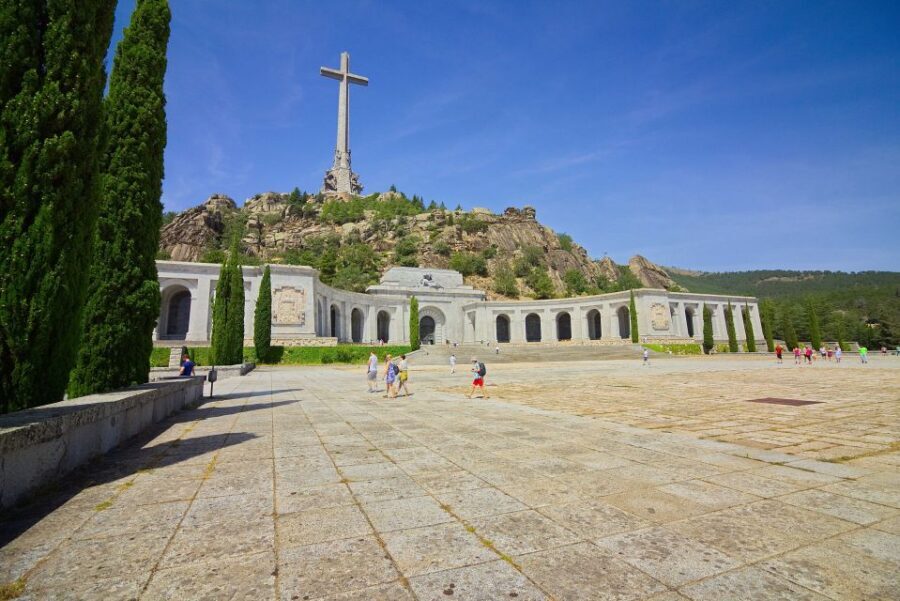
After Escorial, you’ll head about 9 kilometers away toward the Guadarrama Mountains for the Valley of the Fallen. The setting is striking: a major monument tucked into the landscape, with a cross that stands more than 150 meters high.
The Valley was built starting in 1936 as a memorial to those who died during the Spanish Civil War. It includes a basilica and crypt built into hard rock under the mountain. That “built into the stone” fact is worth keeping in your head as you go in: it helps you understand the monument isn’t just symbolic from the outside—it’s physically shaped as a massive, permanent structure.
Basilica interior time: what you’ll actually get in 45 minutes
The Valley stop is shorter than El Escorial—about 45 minutes—so you’ll want to treat the basilica interior visit as the centerpiece. This is where the tour earns its keep: the admission and guided visit aren’t limited to exterior viewpoints.
Inside, you’ll see the memorial architecture that was designed to hold the weight of the site’s message. One practical note: because the time is limited, it’s smart to listen closely at the start, before your attention starts jumping from object to object. If you’re the type who reads every plaque, you might feel the clock here.
And yes, the tone is somber. This isn’t a “quick photo stop,” and that’s part of why it can land emotionally even when the visit is brief.
Your guide and the audio headset: how to get the most from 5 hours
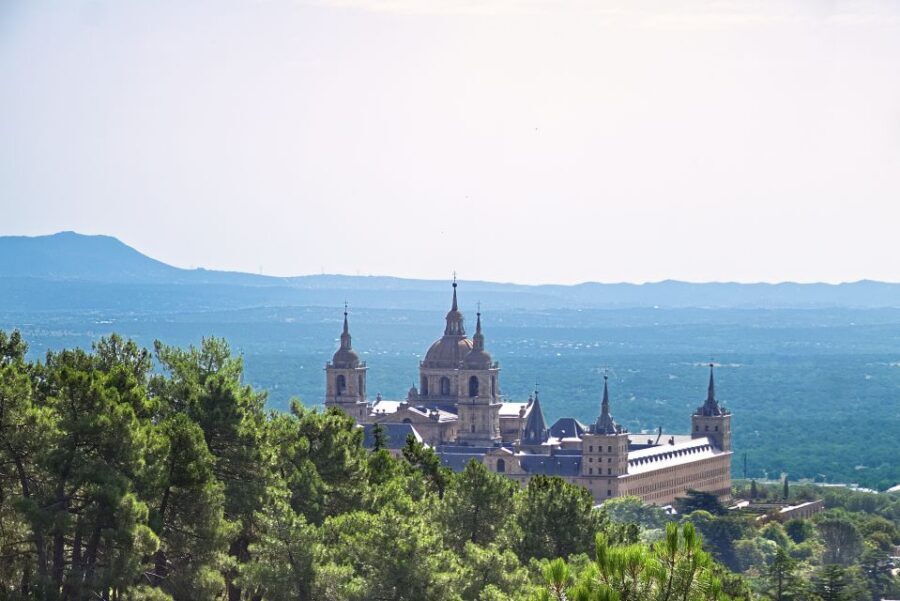
You get a live guide and an audio headset, which is a big deal on a tour like this where you’re walking through echoey stone spaces. Multiple guides are praised for being friendly, organized, and capable of answering questions, including named guides like Pilar and Carlos, plus others such as Anne, Sylvia, and Ana.
That said, I’d set expectations: a headset is only useful if it’s working properly and you’re able to hear over wind and movement. A few people have reported issues with hearing or headset reception, so don’t rely on being able to wander while still understanding everything. Stand close when the guide speaks, and if something seems off with the audio, raise it quickly.
The best “hack” for this style of tour is simple: keep your eyes up. Even when you’re using the headset, you get more from looking at the architectural clues the guide points out.
Price and value: is $78 a fair deal for this route?
At $78 per person for about 5 hours, you’re buying more than entry tickets. This price typically covers transportation from Madrid, a guided visit with a live guide, entrance to the Monastery of El Escorial (with guided components), and entrance to the Valley of the Fallen including the basilica. You also get an audio headset and skip-the-ticket-line timing for the sites where it applies.
If you tried to do this on your own, you’d likely spend money on transit plus separate tickets, and you’d lose the advantage of a guide connecting the dots between monarchy, architecture, and the memorial purpose. For a half-day plan, that combination tends to be good value.
If, however, you’re the type who wants unstructured time to wander freely at one site for longer, this tour’s format may feel a bit “scheduled.” The trade-off is speed and clarity rather than total freedom.
Practical rules that matter on monasteries and memorial sites
A few on-the-ground restrictions help keep the visit orderly. Pets aren’t allowed, and you can’t bring oversize luggage or large bags. Food and drinks aren’t allowed in the vehicle, and flash photography is not allowed, along with video recording.
You’ll also do best with comfortable shoes. El Escorial involves walking through stone corridors and level changes, and the Valley includes interior movement inside substantial structures. This is one of those tours where “comfortable” means you can keep your attention on the guide instead of thinking about your feet.
If you’re using a wheelchair, this tour isn’t suitable, so you’ll need a different option.
Who should book this tour, and who should skip it
Book it if you want a guided half-day with two big, contrasting sites: UNESCO El Escorial plus the memorial Valley of the Fallen. It’s also a strong fit for people who prefer organized timing and clear priorities, especially if you’re visiting Madrid for the first time and want a high-impact day trip without extra planning.
Skip it or consider alternatives if you’re very sensitive to somber themes. The Valley of the Fallen is a heavy stop, and the time is intentionally structured rather than leisurely. Also skip if you need wheelchair access, since the tour is not suitable for wheelchair users.
If you’re traveling with limited time and want an efficient, well-explained route, this is a smart choice.
Should you book the El Escorial and Valley of the Fallen half day tour?
Yes, if your goal is to see the essentials with a guide and leave with a clear sense of what these monuments mean. El Escorial gives you the monarchy architecture—Cloister, palace spaces, and the Royal Pantheon—while the Valley adds the civil-war memorial perspective, including basilica interior access.
Just go in knowing the Valley visit is about 45 minutes. If you can handle a shorter, focused stop at a serious site, you’ll likely feel you got a lot for your time and your money.
FAQ
How long is the tour from Madrid?
It lasts 5 hours.
Where do I meet the tour?
The meeting point is listed as VPT TRAVEL FOR ALL (VPT Tours).
What places are included on the tour?
You visit the Monastery of San Lorenzo de El Escorial and the Valley of the Fallen, including the basilica interior.
What’s included in the $78 price?
Transportation, a tour guide, entrance and guided visit to the Monastery of El Escorial, entrance to the Valley of the Fallen and the Basilica, and an audio headset.
What languages does the guide speak?
The live tour guide is available in Spanish and English.
Does the tour include skip-the-ticket-line access?
Yes, skip the ticket line is included.
How much time do we spend at the Valley of the Fallen and basilica?
You’ll visit the Valley of the Fallen for about 45 minutes, and the tour includes the basilica interior.
Is this tour wheelchair accessible?
No. It is not suitable for wheelchair users.
Are there restrictions on luggage, pets, or photography?
Pets are not allowed. Oversize luggage and large bags are not allowed. Flash photography is not allowed, and video recording is not allowed. Food and drinks are also not allowed in the vehicle.
What are the cancellation and pay-later options?
You can cancel up to 24 hours in advance for a full refund. You can also reserve now and pay later to keep plans flexible.