REVIEW · MADRID
From Madrid: Ribera del Duero Tour of 3 Wineries w/ Tastings
Book on GetYourGuide →Operated by Gourmet Madrid · Bookable on GetYourGuide
A Ribera del Duero day feels like two centuries at once. You’ll ride out of Madrid to Aranda de Duero and the Ribera del Duero wine country, then bounce between family-run cellars and modern, design-forward wineries that still make wine the old way in the details. I like how the tour doesn’t just pour wine, it explains why different styles come from different choices, right down to caves and architecture.
What I love most is the pace and variety: 3 wineries, 8+ tastings, and local appetizers paired to match what you’re seeing. The other win for me is the guide factor—when you get someone like Ismael or Muna, the explanations land fast and stay practical. One drawback to think about: this is a long day (about 10–11 hours), so you’ll want snacks in your head and comfy clothes ready for a full day out of the city.
In This Review
- Key takeaways before you go
- Ribera del Duero: what makes this wine region special
- Getting there from Madrid: your 2-hour wine-country reality check
- Stop 1 in Aranda de Duero: avant-garde winery design that still serves the wine
- Stop 2: modern structures linked to the vineyards
- Lunch and free time in the Ribera area: make it count
- Stop 3: the 16th-century underground cellar system
- How the tastings work: getting the most from 8+ wines
- Price and value: why $218 can make sense for this exact format
- Group size, comfort, and the real feel of a long day
- Who should book this Ribera del Duero tour (and who should skip it)
- Should you book the Ribera del Duero 3-winery day trip from Madrid?
- FAQ
- How long is the Ribera del Duero tour from Madrid?
- What’s included in the price?
- Is lunch included?
- How many wines will I taste?
- What are the minimum age rules?
- Is the tour suitable for wheelchair users?
- Where do I meet the tour in Madrid?
Key takeaways before you go
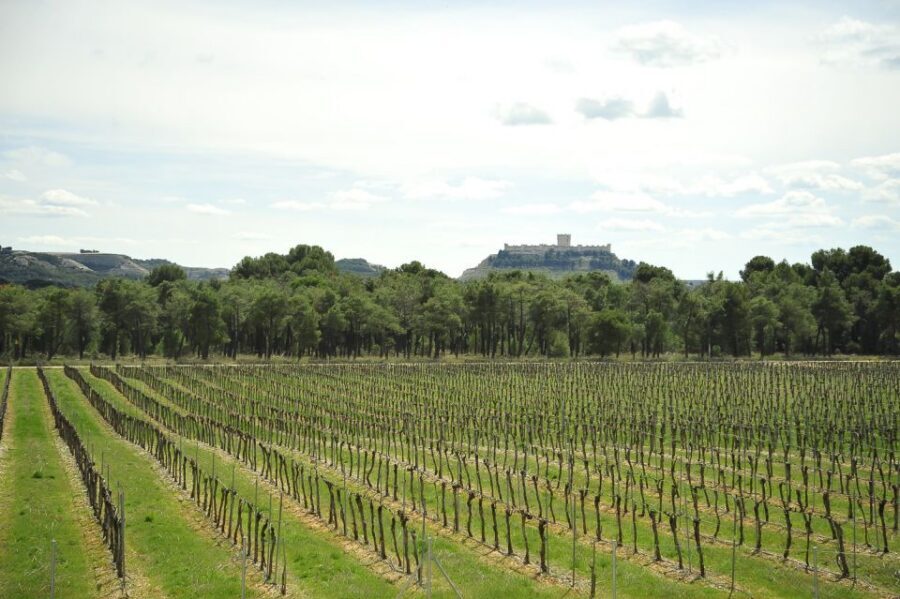
- 3 very different wineries: modern architecture, vineyard-connected facilities, and a centuries-old underground cellar
- 8+ Ribera del Duero tastings with local appetizers at each stop
- A winemaker-adjacent day: you’ll be walking through facilities and learning the process from people closest to it
- 16th-century caves experience: underground tunnels carved in rock, still used
- Small group feel: typically around 8 people, capped at 20
- Guide language support: Spanish-English, with simultaneous translation if needed
Ribera del Duero: what makes this wine region special
Ribera del Duero is one of Spain’s biggest wine names, and not just because the bottles travel well. The region sits along the Duero River system, which runs through Spain and continues toward Portugal, where it’s also tied to major wine culture. That geographic link matters: it helps explain why Ribera del Duero wines have a distinct identity in Iberian wine culture, not just a Spanish one.
What you’ll learn on this tour is that style comes from both place and decisions. You’ll see cutting-edge production alongside older cellars, and you’ll taste the difference those choices create. It’s a rare kind of wine day: less museum talk, more real process—how grapes become wine, how aging conditions change outcomes, and why families keep passing down methods even as tools evolve.
You can also read our reviews of more tours and experiences in Madrid.


Getting there from Madrid: your 2-hour wine-country reality check
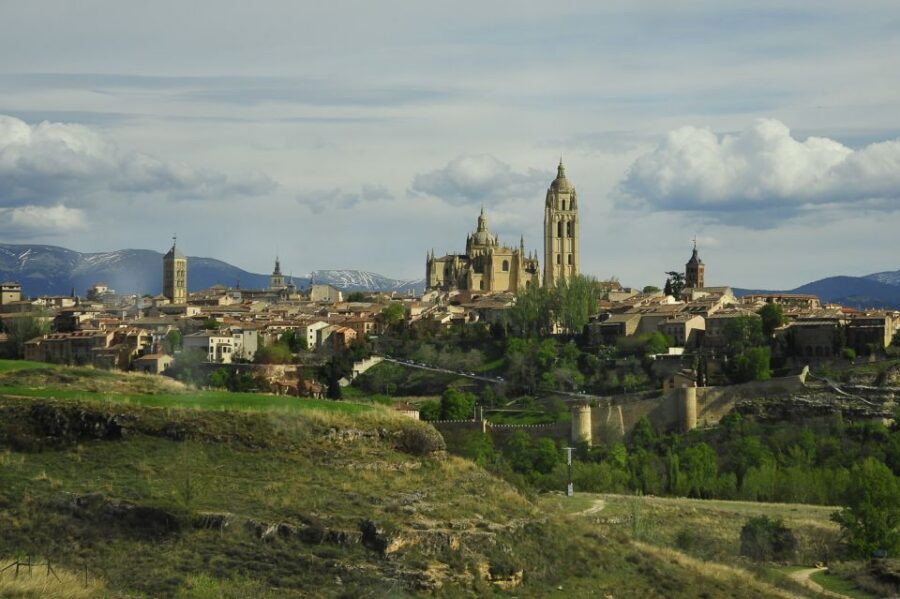
This day trip starts in Madrid at 9:15 AM, with the drive to Ribera del Duero taking about 2 hours (traffic can shift the timing). You’re not just commuting—you’re getting a structured education during the ride, with the guide pointing out what makes the region tick and sharing details that make the stops make sense later.
You’ll also see how Ribera del Duero life is set up around small towns. The tour touches Aranda de Duero and moves through the region with guided narration, which helps you avoid the awkward feeling of being on a coach with no idea why you’re going anywhere. If you’re the type who likes to understand before you taste, this part is a win.
Practical note: because the day runs until around 8:00 PM, treat it like a full day out. Bring water, wear layers (car A/C varies), and plan to snack lightly even though you’ll have appetizers at the wineries.
Stop 1 in Aranda de Duero: avant-garde winery design that still serves the wine
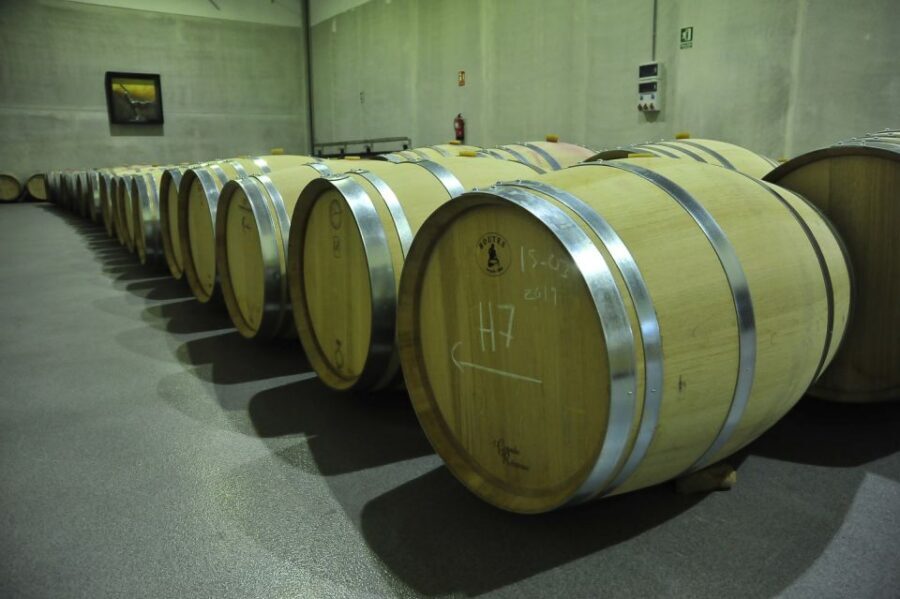
Your first winery stop is built for precision. This is a boutique winery with avant-garde architecture, where the whole space is meant to support optimal production conditions. The vibe isn’t just pretty modern lines. It’s about control—temperature management, airflow, light considerations, and how the building can protect the wine-making process from outside noise.
Expect a complete tour of the facilities, guided walk-through style, with wine tastings paired with local snacks. The tour is designed so you notice contrasts: you start with a high-detail, design-led operation, then you’ll compare it to other ways of working later. It’s smart sequencing because after you taste here, the next two stops feel like answers to questions you haven’t even asked yet.
One extra detail I like: the winery’s international recognition is a real theme of the stop. You’ll hear that some wines have scored over 95 points on the Tim Atkin scale and that a founder has been awarded Winemaker of the Year. That doesn’t mean the tour turns into name-dropping. It means your tasting comes with context for why people pay attention to this corner of Spain.
Stop 2: modern structures linked to the vineyards
The second winery leans into a different kind of modern. Think structures that connect with vineyards, where architecture feels like it belongs to the land instead of sitting apart from it. This stop is useful because it expands your mental map of what Ribera del Duero can look like in 2026: it’s not only “old-world caves and rustic barrels,” even when it is family-run and tradition-led.
You’ll tour the winery facilities and taste several wines again with local appetizers. The point isn’t to repeat what you already tasted in stop one. The point is to notice how different production philosophies can still land in the same regional identity—Ribera del Duero—while giving you different textures, aromas, and overall style.
If you’re a photo person, this is one of the best times for it. If you’re not, it still matters because it’s where the tour’s big idea becomes clear: technology and tradition aren’t enemies here. They’re partners, and each winery emphasizes a different part of the winemaking equation.
Lunch and free time in the Ribera area: make it count
After two winery visits, you get about 1.5 hours for lunch and downtime. There’s at least 1 hour of free time to grab food in the area at your own expense, and your guide will recommend options.
Here’s how I suggest you think about lunch on a wine day like this:
- If you want speed: go with a tapas lunch style meal.
- If you want a slower reset: choose a full 3-course meal.
Budget guidance is part of the planning: €12–15 for tapas lunch and around €30 for a full 3-course meal. Even if you’re not spending that much, the key is to eat like you’re about to taste again soon—don’t show up hungry, but don’t overdo it either. You’re heading back into tastings after lunch.
Also, if you’re traveling with a friend or partner, use this time to compare notes. Two people tasting the same wines often catch different details, and that makes the last winery land harder.





Stop 3: the 16th-century underground cellar system
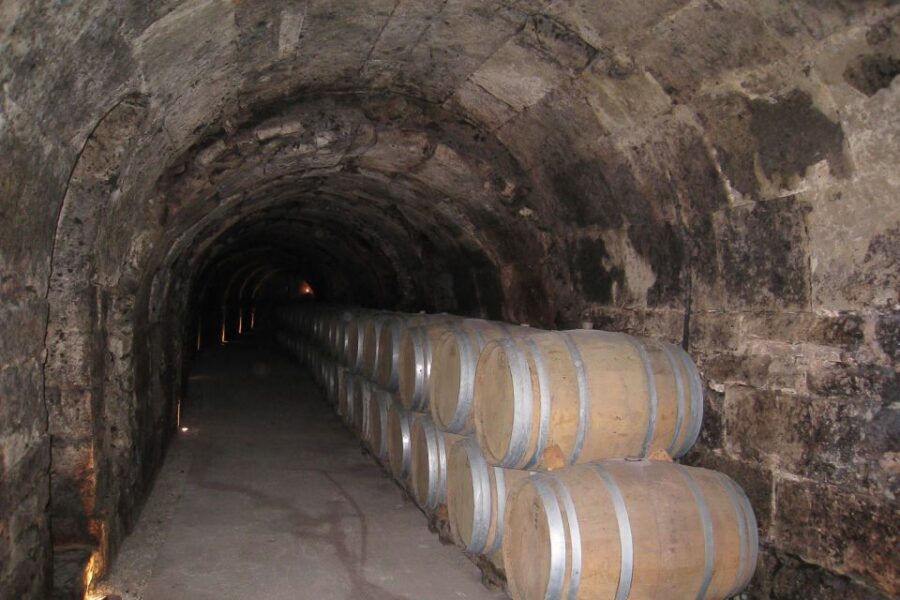
The final winery is where the day turns dramatic—in the best way. This one is tied to winemaking tradition passed down for 400 years, long before the Denomination of Origin existed. That makes it a forerunner, not a brand-new entrant chasing trends.
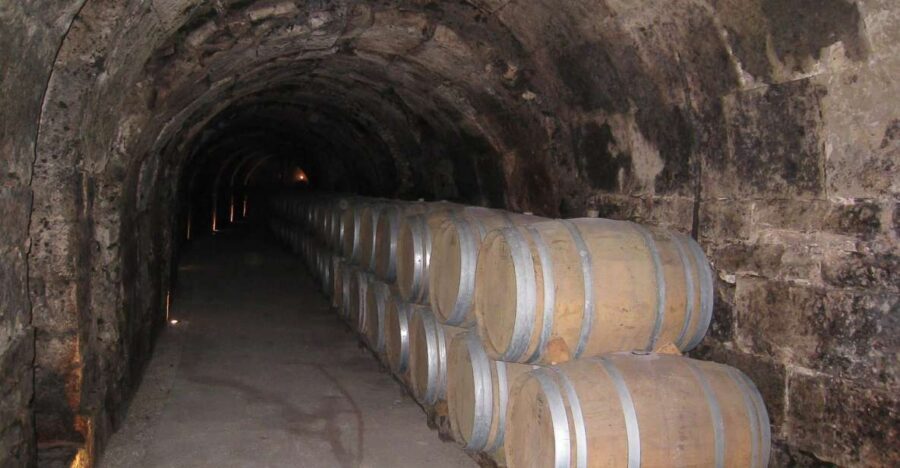
Here’s the standout feature: you’ll visit a medieval underground cellar from the 16th century. The tunnels are excavated in rock to a depth of about 13 meters and stretch approximately 7 km. And yes, it’s not just a sightseeing cave system. The historic tunnels are described as still in use, which adds a grounded feeling to the whole visit.
Walking underground changes your senses. The air is cooler and still. The light is different. The guide experience matters here, because you’ll want someone who can connect the physical environment to what you’re tasting. This is also a great stop for anyone who thinks they’re only into the wine and not the building. The setting affects the way the winemaking story feels.
You’ll end the day with another winery tasting and local appetizers, but now you’ll be tasting with a new question in your head: how does aging in underground conditions compare with more modern approaches you saw earlier?
How the tastings work: getting the most from 8+ wines
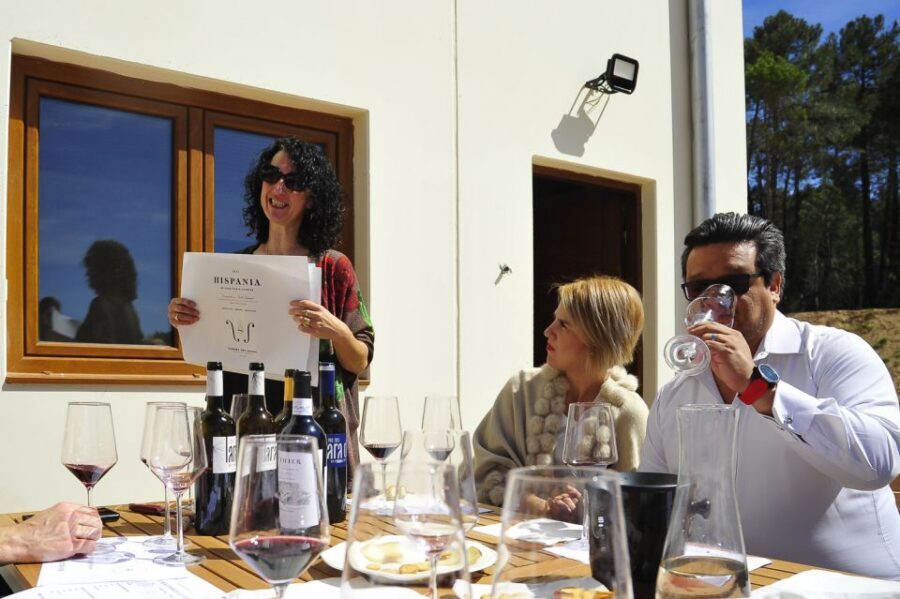
The tour is built around tastings at each winery, with the goal of you trying at least 8 wines total, all under the Ribera del Duero umbrella. You’ll also eat local appetizers at each stop, which is important because the pairing helps you understand wine flavors instead of only noting alcohol and acidity.
What I recommend you do during the tastings:
- Take quick notes right away on a phone or paper.
- Focus on one thing per pour (aroma, body, finish), not everything at once.
- Compare how each winery’s approach shows up in the glass.
It helps that guides are described as energetic and clear. Names you might hear your way through the day include Ismael/Ismail, Muna, Antonio, Kike, Raul, and Jorge, and the common thread is that the guide work tends to be hands-on and translation-friendly. If you’re traveling in English, your guide support is part of the design: bilingual coverage (Spanish-English) is available, and if needed, the tour can run with simultaneous interpretation.
Price and value: why $218 can make sense for this exact format
Let’s talk money honestly. The price is listed at $218 per person for an 11-hour day. That’s not cheap for Madrid day trips.
So when does it feel like value?
- When you want 3 winery visits with included tastings and appetizers.
- When you’d rather pay for someone else to handle timing, transportation, and instruction.
- When you care about structured learning across three distinct styles of wineries.
If you try to DIY Ribera del Duero, you’ll spend time figuring out transportation, booking tastings, and making sure you can actually visit enough places in a day. This tour packages that into one plan: round-trip transport from Madrid, a bilingual guide, and tastings timed across the day so you don’t spend your afternoon rushing.
In other words, the value is partly logistical, but it’s mostly about experience design. The tour doesn’t just offer a tasting flight. It connects what you taste to where you stand—modern architecture, vineyard-linked facilities, and an underground system carved in rock.
Group size, comfort, and the real feel of a long day
This is a small group tour: minimum 4 people, maximum 20, with the average around 8. That size matters. You get more face time with the guide and less of the chaos that comes with large groups.
It’s also described as a safe tour for solo female travelers, which is worth noting if that’s on your decision checklist. The small-group rhythm helps there, too: you’re not lost in a sea of strangers.
Comfort-wise, your big constraint is time. Some people note that the vehicle experience can vary—air conditioning and sound system quality can be inconsistent. So bring layers and keep expectations realistic: it’s a long day, not a short hop.
Who should book this Ribera del Duero tour (and who should skip it)
This tour is a strong fit if you:
- Want a guided wine education without turning the day into wine-nerd homework
- Like contrast: modern winery design plus centuries-old cellar tunnels
- Prefer a small group, bilingual experience, and a clear schedule
You should think twice if:
- You hate long days on buses (the total duration is about 10–11 hours)
- You’re traveling with kids. Children under 12 can’t take part, and wine tastings are 18+
- You need wheelchair access, since wheelchair use isn’t suitable on this tour
If you’re planning the day and you know you’ll be sensitive to loud vehicles or temperature swings, just plan for it. Wear comfortable clothing, and consider bringing something simple like a light jacket. It sounds obvious, but it’s the difference between enjoying the last cave stop and feeling cranky before it.
Should you book the Ribera del Duero 3-winery day trip from Madrid?
I’d book it if your ideal Madrid day is built around real wine culture, not just a checklist of tastings. The 3-winery structure is the key: you get variety without feeling scattered, and the final underground cellar stop gives the day a memorable ending. The guide support—names like Ismael/Ismail and Muna come up often for clear explanations—helps you leave with a better sense of how Ribera del Duero wines differ from one another and why.
I’d skip it only if you’re trying to pack in short-and-sweet activities. This one is built for a full day out, and the schedule reflects that. If you can commit to the long day, you’ll get a lot: transport, expert guiding, multiple tastings, local pairings, and the kind of cellar experience that doesn’t happen in most wine tours.
FAQ
How long is the Ribera del Duero tour from Madrid?
The tour runs about 10 to 11 hours total, depending on traffic.
What’s included in the price?
Round-trip transportation from Madrid, a bilingual expert guide, visits to 3 family-owned wineries, tastings at each winery, and local appetizers at each stop.
Is lunch included?
No. Lunch is at your own expense during the free time break.
How many wines will I taste?
You’ll taste at least 8 wines across the three wineries, with tastings at each stop.
What are the minimum age rules?
Children under 12 can’t take part, and the minimum age allowed for wine tastings is 18 years.
Is the tour suitable for wheelchair users?
No, wheelchair users are not suitable for this tour.
Where do I meet the tour in Madrid?
Meet at the front door of the cafetería of hotel Claridge, Plaza del Conde de Casal, 6, 28007 Madrid. The closest Metro station is Conde de Casal (Line 6).