REVIEW · MADRID
Madrid, Andalusia with Cordoba, Costa del Sol & Toledo 9-Day Tour
Book on Viator →Operated by Julia Travel S.L · Bookable on Viator
Madrid and Andalusia in one tight loop.
This 9-day coach tour strings together Madrid, Toledo, and the big Andalusian hits with guided time where it counts. You get city walks in Madrid and Toledo, major guided sights in Cordoba, Seville, and Granada, plus free time so you can pace yourself in places like Seville, Ronda, and the Costa del Sol.
Two things I especially like are the focus on the main UNESCO-grade must-sees (the Cordoba Mosque-Cathedral and Granada’s Alhambra complex) and the value of built-in transport with a tour director. One possible drawback: the days can feel packed, and some lodging can be a bit off-center depending on the hotel allotment—so you’ll want to be flexible about timing and evening plans.
Key Highlights and What They Mean
- Major sights with entrance included: Cordoba Mosque-Cathedral, Seville Cathedral, and Granada’s Alhambra ticket access save you time and hassle.
- Toledo’s three-culture story: Christian, Moorish, and Jewish influences shape what you see, starting with the cathedral built on earlier structures.
- Guides can make or break the day: the tour has a strong track record with directors and local guides named Carlos, Ismael, Josep, and Angel.
- Free time built in: you’re not stuck in a nonstop lecture schedule every day.
- Optional evening add-ons: flamenco in Seville and a flamenco/gypsy-night-style show in Granada can be worth it if that’s your vibe.
- Coach logistics are part of the deal: comfortable bus travel helps, but long travel days mean you’ll want good snacks and a light pack.
In This Review
- Why This 9-Day Madrid-to-Andalusia Circuit Works
- Madrid Orientation: Puerta del Sol, Plaza Mayor, and the Royal Palace Backdrop
- Toledo’s Cathedral Walk: When Christian, Moorish, and Jewish Layers Collide
- The Mérida Break: Roman Ruins and a Mid-Route Reset
- Cordoba’s Mosque-Cathedral: The City of Caliphs and Courtyards
- Seville’s Big Three: Cathedral, Santa Cruz, and Maria Luisa Park
- Ronda and Costa del Sol: A Scenic Stop Plus a Beach-Area Tradeoff
- Granada and the Alhambra: Tickets Included, Magic Included
- Getting Back to Madrid and Ending Calm
- Price and Value: What $1,998.83 Buys You (and What It Doesn’t)
- Practical Tips to Avoid the Most Common Headaches
- Should You Book This Tour?
- FAQ
- Is pickup included on this tour?
- What’s the tour length?
- What language is the tour offered in?
- Which major attractions have tickets included?
- Are meals included?
- Is there free time in the cities?
- Are flamenco shows included?
- What if Alhambra tickets are sold out for your dates?
- What if the Madrid panoramic tour doesn’t run?
- What’s the group size and luggage limit?
Why This 9-Day Madrid-to-Andalusia Circuit Works
This is a classic “greatest hits” route with a sensible mix of guided sightseeing and breathing room. In nine days, you cover Madrid, Toledo, and three Andalusian heavyweights—Cordoba, Seville, and Granada—plus a scenic stop in Ronda and a beach-area pause on the Costa del Sol.
The big win is that many of the most time-consuming entries are already handled: you’re not juggling ticket windows for the Alhambra on your own. Add in air-conditioned coach transport, airport transfers, and a tour director through the journey, and you get a smooth “door-to-door” rhythm that’s great for a first trip.
The tradeoff is pacing. If you’re the type who wants to wander slowly with no schedule pressure, you’ll need to use the free-time blocks well. The goal here is to show you the essentials without leaving you stranded for transportation.
Madrid Orientation: Puerta del Sol, Plaza Mayor, and the Royal Palace Backdrop
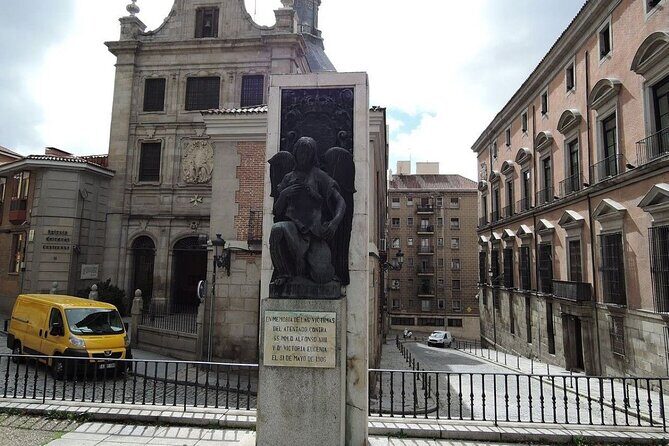
Your tour starts with an easy airport transfer into Madrid, then you jump into orientation the next day. The Madrid city plan is built around a historic-center walking loop—think Plaza Mayor, Puerta del Sol, and Plaza de la Villa—followed by a bus drive-by of major monuments.
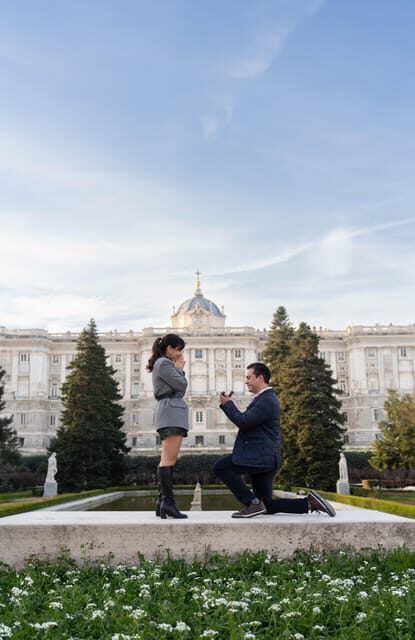
What makes this useful: you don’t just see one neighborhood. You get a fast sense of where the city’s “gravity” is. The route includes Gran Vía, Las Ventas bullring, Cibeles Fountain, and the grand gate Puerta de Alcalá, plus a drive past the Royal Palace area where the views really click when you’re standing nearby later.
Heads-up from real-world experience: if the panoramic Madrid bus portion doesn’t run, the tour replaces it with a one-day Hop-on Hop-off bus option or a walking alternative around the Hapsburg Quarter. Either way, you’ll still want comfortable shoes, because even the “best-case” day includes both walking and waiting.
Also, keep in mind the hotel temperature control can be centralized in Spain. If you’re sensitive to heat, pack for sleep—several guests noted difficulty sleeping in hot rooms even when they tried to manage the settings.
You can also read our reviews of more tours and experiences in Madrid.


Toledo’s Cathedral Walk: When Christian, Moorish, and Jewish Layers Collide
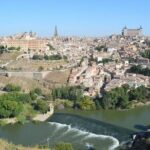
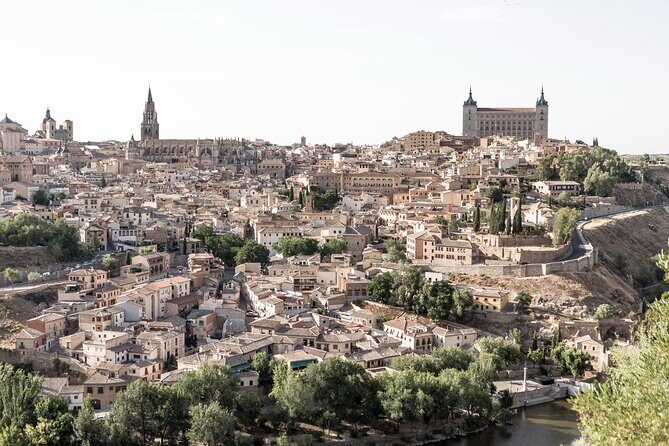
Toledo is where the tour leans into why medieval Spain mattered. You’ll take a guided walk through this UNESCO World Heritage city, designed around the idea that three traditions shaped the streets and architecture.
The key stop is the Cathedral, which the tour frames as Gothic built on earlier foundations, including remnants tied to an Arab mosque. Even if you’re not a hard-core architecture person, this place makes sense fast because Toledo is still physically arranged like a story with chapters.
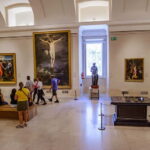
The tour also calls out art connections—especially the mention of 15 paintings by El Greco in the Sacristy area. That detail helps you look past the exterior and focus on why Toledo became a magnet for artists and collectors.
Timing matters here. Toledo’s cobbled streets are charming, but they also mean you’ll move steadily to fit the main highlights. The good news is that after the guided portion, you get free time to slow down and explore at your own pace—perfect for finding viewpoints without feeling guilty.
The Mérida Break: Roman Ruins and a Mid-Route Reset
After you leave Madrid, the route includes Mérida in Extremadura. This is a smart stop because it breaks up the nonstop “big city, big city, big city” feel.
Mérida is known for well-preserved Roman remains, with the theater, amphitheater, Roman bridge, and more. The tour gives you free time, which is what you need in a route like this: a chance to wander without having to chase a tight group schedule.
If you like history but want a change of scenery from the heavyweights of Andalusia, Mérida adds a different flavor. It also gives your legs a different kind of sightseeing—less cathedral viewing, more ruins and Roman urban planning vibes.
Cordoba’s Mosque-Cathedral: The City of Caliphs and Courtyards

Cordoba is one of Spain’s most visually dramatic stops, and the tour puts its money where it counts by covering the Mosque-Cathedral of Cordoba with an included guided visit.
The tour’s framing is clear: this is today’s cathedral, but it originated as an impressive mosque, which is why the interior feels like it has layers you can’t ignore. You’ll also spend time strolling through narrow streets connected to the Jewish Quarter, which helps the building feel grounded in everyday Cordoba life rather than looking like an isolated monument.
What I like about this approach: it explains the place as a cultural crossroads, not just a photo spot. Even if you’re short on time later, you’ll have a mental map of what to notice—arches, courtyards, the sense of scale, and the transition from Islamic-era design to Christian-era additions.
Practical note: Cordoba can be busy. Having a guided framework makes it easier to keep your place in the flow and not lose time trying to figure out where to look first.
Seville’s Big Three: Cathedral, Santa Cruz, and Maria Luisa Park
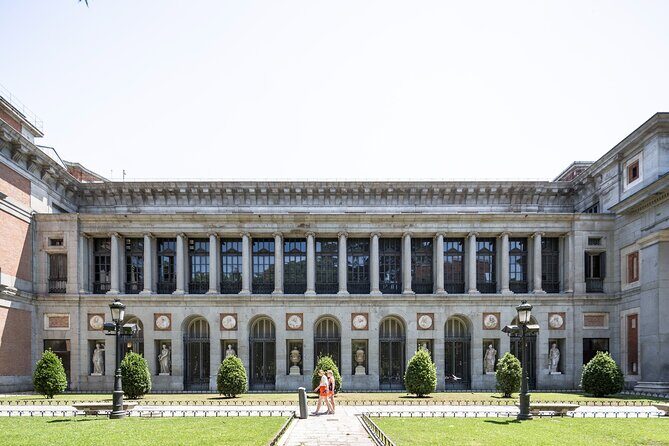
Seville is where the tour’s “grand sights” really hit. You get a monumental city tour that includes Seville Cathedral entrance—described as the second largest Catholic church after St. Peter’s in Rome.
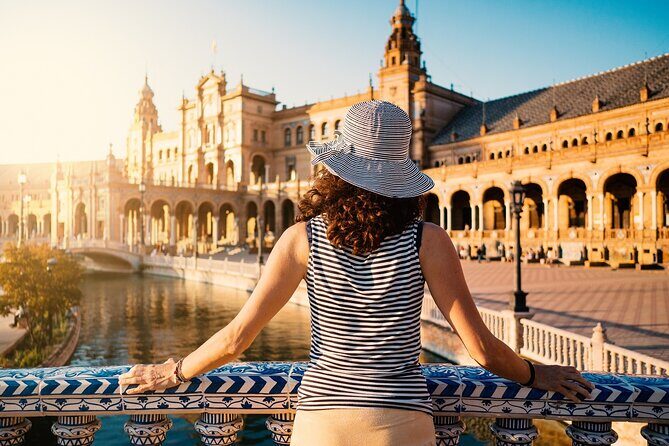
From there, the tour moves through the classic Seville highlights: the Barrio de Santa Cruz, Plaza de España, and María Luisa Park. If you’ve ever seen photos of Seville’s tilework and grand staircases, this is where they come from. The tour also ties Seville’s famous myths to the neighborhoods you walk through, including connections to the Carmen setting and Don Juan legend locations.
The afternoon is yours, and that matters. Seville can overwhelm your senses if you try to do everything at once. A free block lets you find a quieter street, sit down for a drink, or simply revisit the best view angle from earlier.
Two real-world considerations to plan for:
- Some hotels on this route can land a bit far from the center, which can make evenings feel like more effort than you want.
- If you’re thinking about dinner at the hotel, don’t assume it will match your standards. One guest mentioned a greasy hotel dinner in Seville.
Optional bonus: there’s an optional flamenco tour in Seville. If you only pick one cultural show night, Seville is usually the best place on this route to catch a classic flamenco performance style.





Ronda and Costa del Sol: A Scenic Stop Plus a Beach-Area Tradeoff

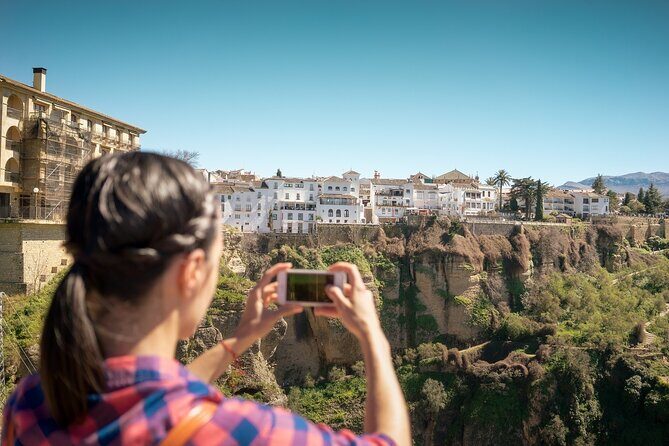
Ronda is built for short-and-sweet impact. You drive south passing villages, arrive, and then get leisure time to admire the valley and mountain views and enjoy the town itself.
Why Ronda works in a tour like this: it changes the pace. You go from major UNESCO cities into a smaller place where the sightseeing is partly about standing still for a minute and letting the view land.
Then you continue to the Costa del Sol, a modern international tourist area. This is leisure time, so you can do whatever matches your mood—walk, relax, or just reset.
Here’s the tradeoff: if your goal is purely culture and local character, you might find the Costa del Sol feels more like a resort zone than a deep-dive destination. That doesn’t make it bad—it just changes what kind of trip you’re having. Think of it as a break, not a final cultural test.
If you’re going in shoulder season or winter, pack for cooler evenings too. One guest noted winter cold and recommended layering.
Granada and the Alhambra: Tickets Included, Magic Included
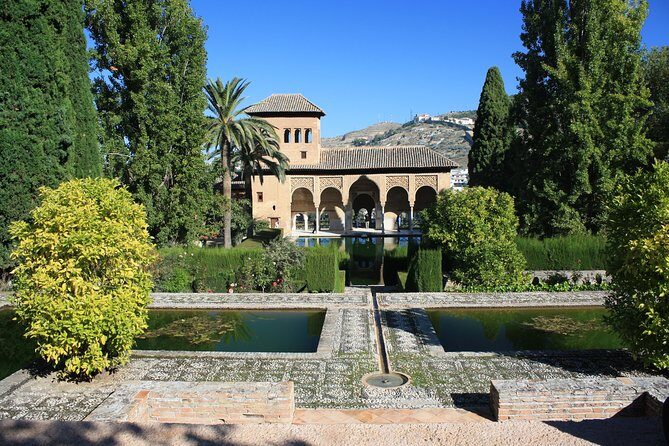
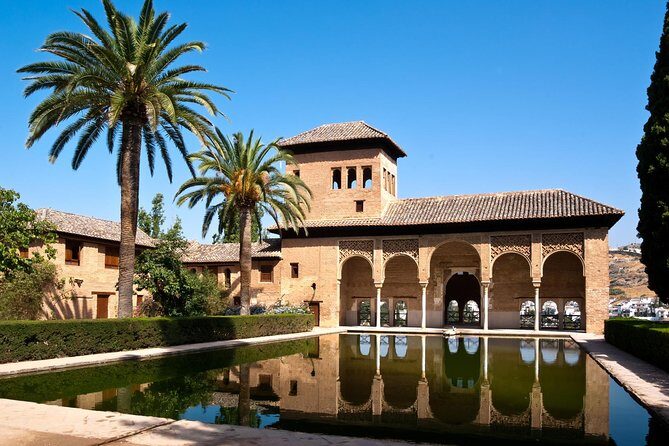
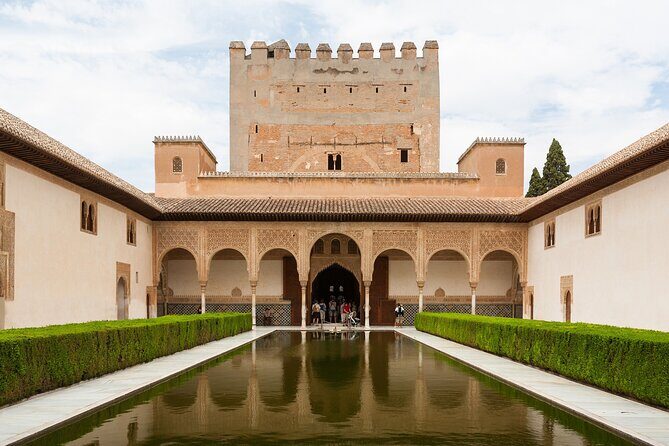
Granada is the emotional peak of this route. You’ll go to the Alhambra complex and the Generalife Gardens, both part of UNESCO World Heritage and highlighted as world-famous inspiration for writers like Washington Irving.
The Alhambra is the type of sight where guidance matters. Without context, you can still enjoy it, but with guidance you’ll know what you’re looking at—why the gardens are shaped the way they are, and what the spaces were designed to do.
The tour also notes an evening option: a flamenco zambra show (often paired with a gypsy-night style experience). This can be a great add-on if you want the performance side to match the Moorish-era grandeur you just saw.
One thing to watch: your hotel location can be less central in Granada. Several guests flagged that as a downside. If you hate commuting on foot at night, this might affect your enjoyment of spontaneous street wandering.
Getting Back to Madrid and Ending Calm
After Granada, you head north to Madrid, where you have accommodation again. This is a nice landing: you’re not ending with another big guided sprint, and you can shift into “do what I want” mode for your last night.
If you still want museums, food markets, or one last long walk, this is your chance. It’s also when you’ll appreciate that you already learned your way around earlier, especially around central areas like Puerta del Sol and Plaza Mayor.
Then day nine is the airport transfer out of Barajas.
Price and Value: What $1,998.83 Buys You (and What It Doesn’t)
At about $1,998.83 per person for roughly 9 days, the key value isn’t just the cities. It’s the package structure.
You’re paying for:
- Hotel accommodation for seven nights
- Air-conditioned coach transport across long distances
- Airport transfers
- A tour director throughout
- Entrance tickets included for the Mosque-Cathedral of Cordoba, Seville Cathedral, and Alhambra
- Travel insurance
- Breakfast (eight breakfasts included)
You’re not paying for food and drinks unless specified. And that matters because in Spain, eating well is part of the fun, but it’s also where your daily budget can drift.
So should you think of this as “cheap” or “expensive”? It’s priced like a full guided circuit. If you’d otherwise book hotels plus separate guided entries, the included tickets (especially Alhambra) help balance the cost. If you’re the kind of traveler who wants to self-drive and build your own stops, you might do it for less. If you want one company to manage the pieces, this price starts to look more reasonable.
Practical Tips to Avoid the Most Common Headaches
Based on the on-the-ground issues people described, here’s how I’d set yourself up:
- Bring comfortable walking shoes. You’ll do city center walking in Madrid and Toledo, plus guided movement through historic areas.
- Plan for optional tours needing payment flexibility. Some add-ons weren’t priced in a way that guests could always pay smoothly at the end, so it’s smart to carry some cash or have easy access to funds.
- Expect dual-language group days to vary. If a local guide or group setup blends languages, it can slow the pace of understanding.
- Use free time strategically. If a day feels busy, you’ll want to spend free hours on the places you most care about (for many people: Seville for wandering, Ronda for views, Costa del Sol for a rest).
- Sleep comfort matters. Central temperature control can mean you’re not fully in charge of room temps. If you run hot, pack a fan or light sleepwear if your budget allows.
Should You Book This Tour?
Book it if you want a guided, high-coverage route with major-ticket sights handled for you. It’s a good choice for first-timers to Spain who want to see Madrid and Andalusia without building a logistics plan from scratch.
Don’t book it if you hate schedules, dislike coach travel, or need every evening to be right in the center. Some hotels can be slightly out of the best walkable zones, and the days can feel packed—especially around the big guided highlights.
If you’re a flexible traveler who’s happy to treat this as a smart “greatest hits” introduction, this tour is a strong way to get your bearings fast and then return later to linger longer.
FAQ
Is pickup included on this tour?
Pickup is offered. The meeting point provided is at Adolfo Suárez Madrid-Barajas Airport, with a meet-and-greet, and you’ll be asked to provide flight details at least 7 days prior.
What’s the tour length?
The tour is listed as 9 days (approx.), starting at 8:00 am on the first day at Barajas Airport.
What language is the tour offered in?
The tour is offered in English.
Which major attractions have tickets included?
Included entrances are the Mosque of Cordoba, Seville’s Cathedral, and the Alhambra in Granada.
Are meals included?
Breakfast is included for 8 days. Food and drinks are otherwise not included unless specifically stated.
Is there free time in the cities?
Yes. You’ll have free time in places such as Madrid, Seville, Ronda, and Costa del Sol.
Are flamenco shows included?
Flamenco is offered as an optional add-on in Seville, and there is an optional flamenco zambra show in Granada.
What if Alhambra tickets are sold out for your dates?
If Alhambra and Generalife tickets are not available for certain dates, alternative compensation will be offered at the operator’s discretion.
What if the Madrid panoramic tour doesn’t run?
If the panoramic Madrid tour can’t operate due to technical reasons, it will be replaced with a Madrid Hop-on Hop-off bus for one day or a walking tour of the Hapsburg Quarter, depending on the operator.
What’s the group size and luggage limit?
The maximum group size is 40 travelers, and each traveler is allowed a maximum of 1 suitcase.