REVIEW · MADRID
Ribera del Duero Winery Guided Tour and Wine Tasting from Madrid
Book on Viator →Operated by Winebus · Bookable on Viator
Wine country with a built-in story.
This full-day trip is interesting because you get guided tastings tied to what makes Ribera del Duero wines different, not just a quick sip-and-go. I also like the small-group feel (up to 8 people), which makes it easier to ask questions and spend time where you care most. One consideration: the day is long, lunch is not included, and you’ll be driving in a schedule that can run a bit past the usual pace.
You’ll start in central Madrid in the morning and head to the Ribera del Duero region, where the guide (often named Ignacio in the tour experience) talks through the wine-making side and the culture around it. The afternoon is flexible too, so you can steer toward medieval towns or castles like Peñafiel, Pedraza, Aranda de Duero, Segovia, Riaza, or Peñaranda, depending on what fits your mood and photos you want.
In This Review
- Key Points That Make This Tour Worth Your Time
- Ribera del Duero in One Long Day: What You’re Actually Seeing
- Getting From Madrid to Wine Country Without Losing Your Morning
- Winery Stop #1: Your First Tastings and the “Why” Behind the Pour
- Lunch in Castile: How to Eat Local When It’s Not Included
- Winery Stop #2 (and the Optional Third): Comparing Different Bodegas
- Your Late Afternoon Choice: Peñafiel, Pedraza, Segovia, and Castle Time
- What You’re Likely to Learn (Even If You Don’t Consider Yourself a Wine Person)
- Price and Value: Is $191.87 a Fair Deal From Madrid?
- Who This Tour Fits Best (and Who Should Skip It)
- Should You Book This Ribera del Duero Winery Tour?
- FAQ
- How long is the Ribera del Duero winery tour from Madrid?
- How many wineries do you visit and are tastings included?
- Is lunch included in the tour price?
- What is the meeting point in Madrid?
- Do I need to be an adult to drink on the tour?
- What’s the group size like?
- What if the weather is bad or I need to cancel?
Key Points That Make This Tour Worth Your Time
- Small group size up to 8 people helps the day feel personal, not rushed.
- Two (sometimes three) winery stops gives you a real comparison of styles and approaches.
- A guided tasting at each stop means you’re learning while you taste, not after.
- Flexible late-afternoon options let you trade wine glasses for castle views.
- Air-conditioned round-trip transport from Madrid keeps logistics simple for a full-day outing.
- Lunch is on your own (your guide will help with choices), so you’re not stuck with a generic meal.
Ribera del Duero in One Long Day: What You’re Actually Seeing
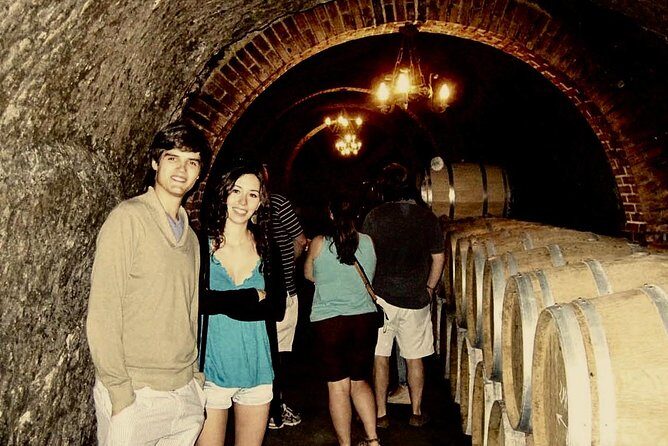
Ribera del Duero is a serious wine region, and the best part of this tour is that it treats wine like a local culture. You’re not only visiting vineyards; you’re learning what it means to make and sell wine under an official quality framework (a denominación de origen), and why this area earned its reputation.
Even the name feels grounded: Ribera means side of the river, which matches the region’s water-and-soil reality. Expect to hear about typical red-wine styles produced here and how winemaking traditions have evolved over time. In a lot of Spanish regions, wine is tied to landscape and architecture, and Ribera del Duero is where you notice that connection fast.
This is also a good choice if you like your wine education practical. You’ll taste multiple wines, then tie what you taste to production details—fermentation and storage methods, plus how each winery’s approach shows up in the glass. If you’ve been wondering why some reds feel structured while others feel smoother, this kind of comparison helps.
You can also read our reviews of more food & drink experiences in Madrid

Getting From Madrid to Wine Country Without Losing Your Morning
The day starts early enough to feel like a real escape, with a 9:30am departure from the Hotel Claridge meeting point (Pl. del Conde de Casal, 6, Retiro). There’s no hotel pickup included, so plan to arrive at the meeting location yourself. The good news is that it’s near public transportation, and the route is set up for an easy handoff.
The ride to the first winery takes about two hours, and that travel time is used. The guide (often Ignacio) shares stories during the drive—about Madrid and how it connects to the wine world you’re about to enter. You’ll also hear comparisons that come up naturally in conversation, including the differences people often talk about between Ribera del Duero and Rioja.
Transport is covered in an air-conditioned car, minivan, or coach. For a day this long, that matters more than people think. You’re not just saving time; you’re saving energy, so you can actually enjoy tastings instead of feeling wiped out before lunch.
Winery Stop #1: Your First Tastings and the “Why” Behind the Pour
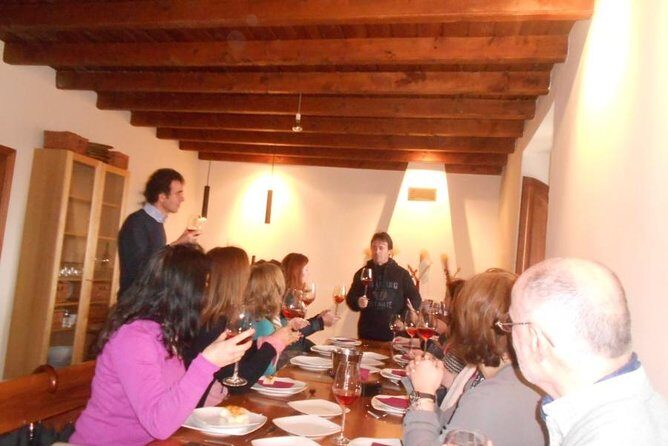
Stop one is at a winery in the Ribera del Duero area, reached after that morning drive. This is where you get your first guided tastings and your first set of context points—history of the region as a wine area, plus the kinds of red wines Ribera del Duero is known for producing.
The most useful part of a good first winery stop is learning the vocabulary before the second tasting. You’ll pick up what to notice while tasting: structure, aroma impressions, and how production choices can affect what’s in your glass. The guide also tends to explain how wines are raised and handled, which helps you understand why two reds can both be “from Ribera,” yet feel different.
From the experiences shared about the tour, you may also get small bonus sights or stories that make the visit feel less like a checklist. For example, the guide has pointed out unique winery details like an ancient wine press machine and other behind-the-scenes elements that show the shift from old practices to modern production. You’re not just tasting; you’re seeing how a winery thinks.
A practical note: tastings add up. Don’t overpack your expectations for heavy drinking. If you want to enjoy the medieval towns later, pace yourself from the start and drink water between stops when offered.
Lunch in Castile: How to Eat Local When It’s Not Included
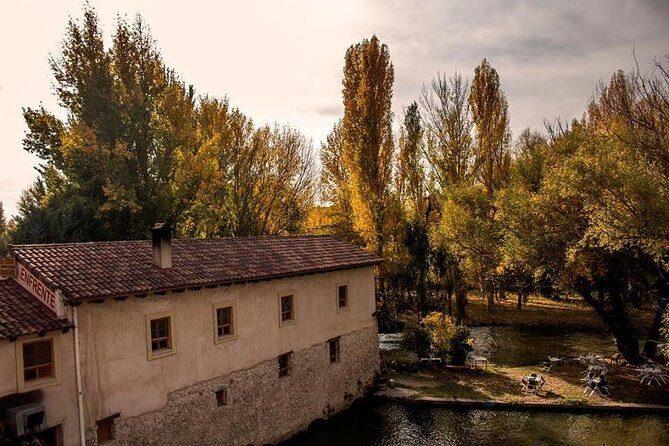
Lunch is mid-afternoon and not included in the tour price. This is one of those “in exchange for freedom” setups: the itinerary builds in time, but you choose where you eat. That’s a plus if you like picking a restaurant based on what you’re craving and what looks most local.
The guide will usually steer you toward Castile and León cuisine. You’ll have time to eat traditional dishes rather than being forced into a fixed menu. Based on examples from the tour experience, lunch spots can be special—sometimes tied to local food traditions like clay-oven style cooking (including lamb preparations) or even places connected to historic winery settings.
Here’s how I’d approach it: pick a simple, regional meal that keeps you comfortable for the rest of the day. If you go heavy on rich foods and wine right before afternoon walking, your energy might disappear when you reach a castle staircase. You still want to taste local food, just don’t let lunch turn into a food coma.
Also, consider that you may be in smaller towns later. If you have dietary needs, ask for guidance early on in the day so the guide can suggest options that actually make sense logistically.
Winery Stop #2 (and the Optional Third): Comparing Different Bodegas
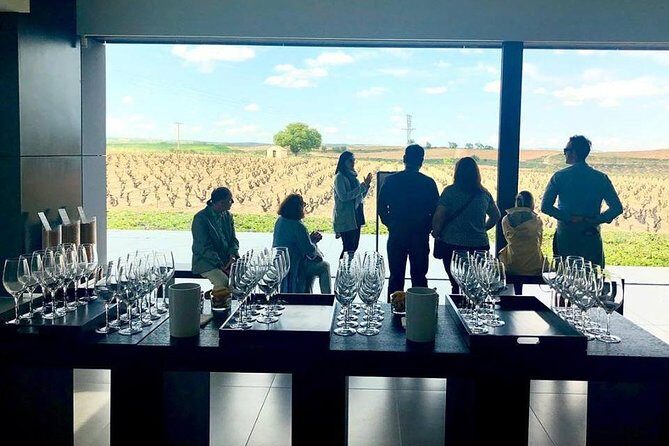
After lunch, you head to a second winery, different from the first. This is where the tour becomes more than “two tastings.” The goal is contrast: different winery styles, different production approaches, different ways of presenting the wine to visitors.
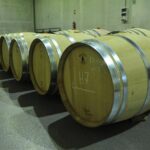
In the experiences shared, winery visits can range from large, corporate-scale operations with major architecture, to smaller spaces focused on specific parts of the winemaking process like caves for fermentation and storage. You may even see wineries that add extra layers to the experience, such as on-site dining or lodging that blends tourism with wine production.
Why this matters: when you compare two wineries side by side, you start understanding Ribera del Duero as a living industry rather than one single “type of wine.” You taste, you learn what’s different, and you connect those differences to your own preferences. The tour is designed for that mental switch.
Some days can include a third winery if things line up. Even without a third stop, the day is still set up to let you feel the range—so you leave with a better sense of what you personally like in Ribera reds.
You can also read our reviews of more guided tours in Madrid

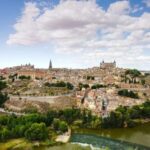

Your Late Afternoon Choice: Peñafiel, Pedraza, Segovia, and Castle Time
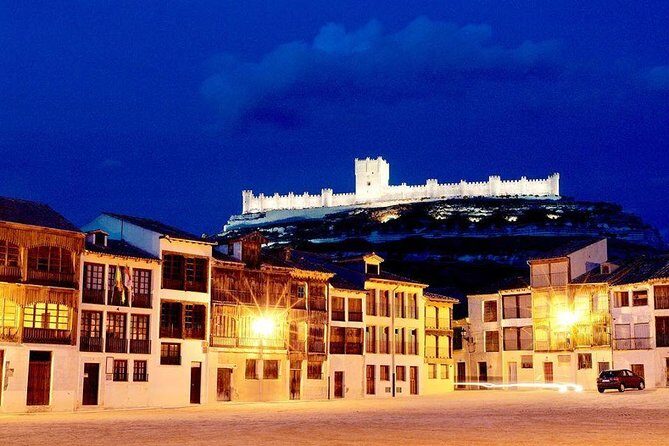
Once the winery work is done, you get to choose what happens in the late afternoon. This flexibility is a major value piece because not everyone wants the same ending to a wine day.
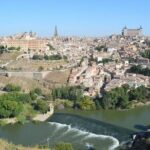
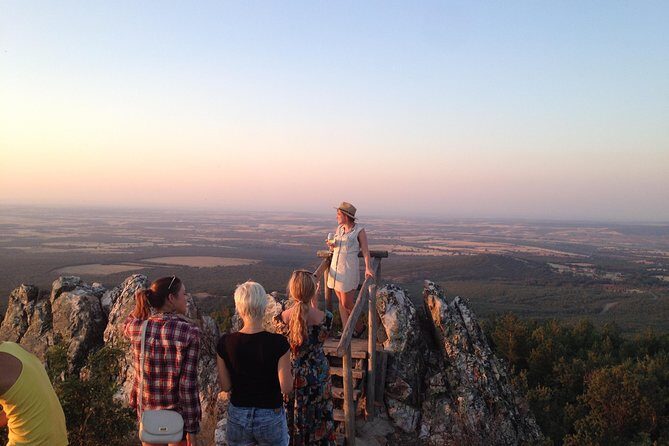
Depending on what’s available and what suits the group, options can include medieval towns and viewpoints such as Peñafiel, Pedraza, Aranda de Duero, Segovia, Riaza, and Peñaranda. If you’re a photo person, this is often the best part of the day because castle shapes and stone streets are made for late-day light.
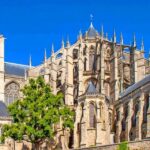
Some experiences have also included a castle visit as a bonus stop, such as Castillo de Curiel with scenic views and chapel-and-room details. The point isn’t just the castle postcard factor. It’s the feeling of time depth—this is the same region where old winemaking and old stone architecture have coexisted for generations.
A quick reality check: castles and old towns mean walking on uneven surfaces. Wear comfortable shoes, and don’t count on every street being flat. Also, remember that after tastings, you’ll be more sensitive to steep steps. Take your time.
What You’re Likely to Learn (Even If You Don’t Consider Yourself a Wine Person)
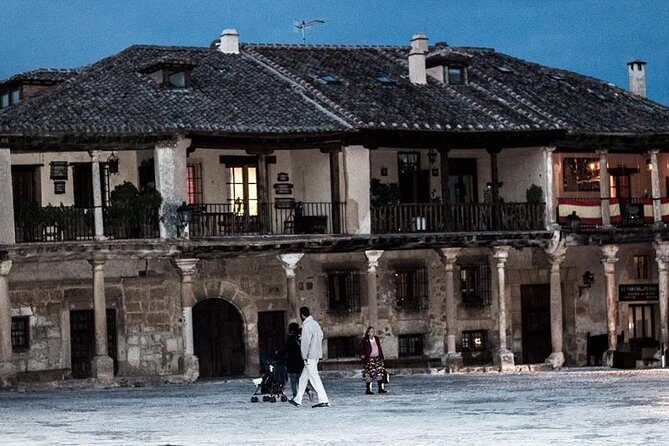
I think the smartest wine tours help you ask better questions. This one pushes you in that direction with tastings plus guided context about how Ribera del Duero works as a denominación de origen region.
You’ll learn the typical style direction for the reds coming out of Ribera del Duero, and you’ll likely hear how Ribera compares with nearby regions people often mention, such as Rioja. That comparison is useful because it gives you an easy mental map: similar “Spanish red” labels can still taste meaningfully different based on production and regional choices.
You’ll also get practical tips on enjoying the wine itself. Tastings become clearer when you understand what to focus on. Instead of only chasing what’s “good” or “strong,” you’ll start noticing how each stop’s approach shows up in aroma, texture, and overall structure.
And because the group is small, the guide can adjust. In the experiences shared, Ignacio has been flexible about pacing and extra stops when it makes sense—like adding short viewpoints or brief detours for interesting historic details inside the wine spaces.
Price and Value: Is $191.87 a Fair Deal From Madrid?
At $191.87 per person for around 10 hours, the price looks high until you break down what’s included. You’re paying for round-trip transport from Madrid, a professional guide, and multiple guided wine tastings with admission included. You’re also getting a built-in afternoon plan tied to historical places, which saves you the hassle of building your own day across wine country.
Is it still worth it if you don’t drink a lot? I’d say yes if you like the architecture of wineries, the way Spanish culture shows up in food, and the chance to visit towns like Segovia on a schedule you don’t have to manage. But if your main goal is only sightseeing and you’re not into wine at all, you might find better value with a different kind of day trip.
The max 8 travelers detail is also part of the value. In a small group, the tasting and explanation time tends to feel less compressed. You’re more likely to get answers to your specific questions rather than watching a slideshow.
Finally, remember what isn’t included: lunch and drinks. You’re building in one meal cost on your own, but you’re also getting the freedom to choose what suits your tastes.
Who This Tour Fits Best (and Who Should Skip It)
This is a great fit if you:
- Want a full-day plan that mixes wine tasting and historic places
- Like small-group tours where the guide can respond to your questions
- Are okay with a long day and a lunch break that’s flexible
- Enjoy Castile and León towns, especially if you want places like Peñafiel or Pedraza
It’s less ideal if you:
- Hate long drives or don’t like being on a tight schedule
- Want a fully included meal plan with no choices
- Have very limited mobility for stairs or castle walking
- Are sensitive to alcohol situations, since tastings are part of the experience and the minimum drinking age is 18
Also, note the tour requires good weather. If weather cancels, you’ll be offered a different date or a full refund, so keep an eye on forecast once you’re booked.
Should You Book This Ribera del Duero Winery Tour?
If you’re doing one wine-focused day trip from Madrid, this one makes a lot of sense. You get the hard part handled: transport, guided tastings at multiple bodegas, and an afternoon option that turns into medieval sightseeing instead of dead time.
I’d book it if you want your wine day to feel like a real regional introduction, not a quick warehouse tour. The combination of small-group pacing, guided explanations tied to what you’re tasting, and the chance to end with castles or medieval towns is a strong mix.
I’d think twice if you strongly prefer all meals included, or if you’re not interested in walking around old towns after tastings. In that case, you may enjoy a more strictly urban Madrid option or a shorter, less driving-heavy excursion.
FAQ
How long is the Ribera del Duero winery tour from Madrid?
The tour runs about 10 hours.
How many wineries do you visit and are tastings included?
The plan is to visit at least two wineries, with a possible third depending on timing. Wine tastings are included.
Is lunch included in the tour price?
No. Lunch is not included, and you’ll have time to choose where to eat local Castilian food.
What is the meeting point in Madrid?
The tour starts at Hotel Claridge, Pl. del Conde de Casal, 6, Retiro, 28007 Madrid. It ends back at the same meeting point.
Do I need to be an adult to drink on the tour?
Yes. The minimum drinking age is 18.
What’s the group size like?
The tour is limited to a maximum of 8 travelers, keeping it small-group friendly.
What if the weather is bad or I need to cancel?
This experience requires good weather. If canceled due to poor weather, you’ll be offered a different date or a full refund. You can cancel for a full refund up to 24 hours before the start time.