REVIEW · MADRID
Madrid: cheese tasting with wine pairing.
Book on GetYourGuide →Operated by PAURORA EXPERIENCES S.L · Bookable on GetYourGuide
Cheese and wine in Madrid, done right. This expert-led tasting gives you a smart, sensory tour of Spanish flavors through PDO cheeses and wine pairings. I especially liked how the pairing lessons connect each cheese to where it comes from, not just what it tastes like. One thing to consider: this is very much a wine-and-cheese experience, so it is not the pick if you cannot (or do not want to) have alcohol, and it is not suitable for vegans.
I also liked the way the format stays friendly and focused. You get a small-group vibe, explanations in English or Spanish, and a central location that makes it easy to fit into your Madrid day. Meeting up is simple but specific: go up to the second floor and look for door A.
In This Review
- Key Things I’d Plan Around
- Why This Tasting Feels Like a Madrid Food Lesson
- The Four Cheeses: What You’ll Actually Taste
- 1) Mahón Menorca (Cow Cheese)
- 2) Cabezuela Madrid (Goat Cheese)
- 3) DO Murcia Wine Cheese (Goat Cheese)
- 4) Gamoneu Asturias (Sheep, Goat, and Cow)
- How the Wine Pairings Teach You to Taste, Not Just Drink
- Where to Meet Near Plaza Mayor (and How to Not Miss It)
- What the 1–2 Hour Flow Feels Like
- The “Small Group” Advantage in Plain Terms
- Price and Value: Is $57 Reasonable Here?
- Who This Is For (and Who Should Skip)
- Practical Tips for a Smooth Tasting
- Should You Book This Madrid Cheese Tasting?
- FAQ
- What cheeses are included in the tasting?
- What wines are included in the pairing?
- How long is the experience?
- What language is the guide available in?
- Where do I meet, and how do I find the entrance?
- Is this tour suitable for vegans or children?
Key Things I’d Plan Around
- Four PDO cheeses: Mahón (Menorca), Cabezuela (Madrid), Murcia wine cheese, and Gamoneu (Asturias)
- Four regional wines matched to each cheese: Murcia, Andalusia, Castilla-La Mancha, and Valencia
- Central Madrid location near Plaza Mayor, so you can combine it with a walking day
- A local expert hosts the whole session, with explanations in English or Spanish
- Small group experience that feels more like a conversation than a lecture
- A tight 1–2 hour window that works well on an arrival day
Why This Tasting Feels Like a Madrid Food Lesson
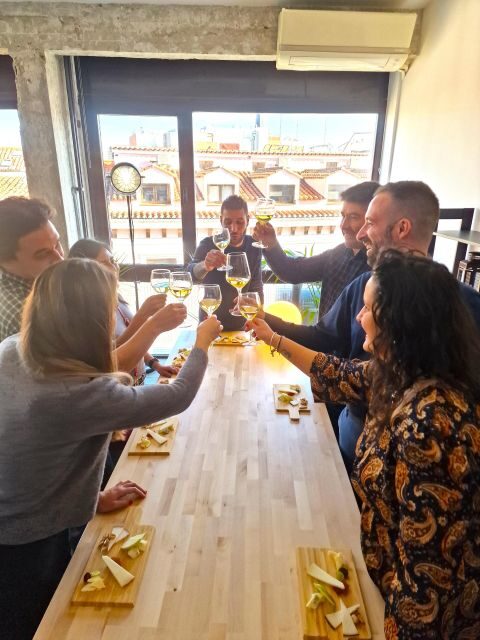
This isn’t the usual museum-thing where you stand around and hope for the best. It’s closer to a proper food class, but with plates. You taste cheeses that have protected origin names, then you learn how to match them to specific wines from Spain’s regions.
What makes it interesting is the pairing logic. You’re not just sampling flavors; you’re learning the why. That turns the whole hour-and-change into a take-home skill. By the end, you know how acidity, texture, and intensity affect what you taste next.
I also like that it’s anchored in real Spanish identities, not imported cheese comparisons. You go from Menorca to Madrid to Asturias in one sitting, which is a neat way to understand how different geography drives cheese style.
The vibe tends to be warm and personal. One session’s host named Marcos has shown up as a big part of that: guests described the experience as funny, conversational, and feeling like a family gathering. That matches what you want from a tasting. You want questions answered in plain language, not wine-speak you can’t use later.
You can also read our reviews of more food & drink experiences in Madrid


The Four Cheeses: What You’ll Actually Taste
The tasting is built around four cheeses with protected designation of origin (PDO). That matters because PDO is a quality and origin framework, not a random marketing label. It means each cheese is tied to a specific geographic tradition.
Here’s what you can expect in the lineup:
1) Mahón Menorca (Cow Cheese)
This is your baseline cow cheese from the DO Mahón Menorca. Cow cheeses can range from mild to quite flavorful, and the pairing helps you notice those shifts without overthinking. Expect a different texture and character than the goats and mixed milk cheeses that follow.
Why it’s useful for you: it gives your palate a reference point. After you taste this, the later cheeses make more sense.
2) Cabezuela Madrid (Goat Cheese)
Next comes goat cheese from DO Cabezuela Madrid. Goat tends to be tangier and more aromatic. That can be great fun, but it can also be sharp if the wine is wrong, so the pairing lesson is the point here.
Why it matters: you learn what kind of wine profile can soften that tang and make the flavors feel smoother together.
3) DO Murcia Wine Cheese (Goat Cheese)
This one is a goat cheese from DO Murcia paired with wine. The name itself hints that wine is part of the cheese story. That makes it a standout plate because it can bring extra depth, sometimes with more complex notes than a plain goat.
Why you’ll probably remember it: Murcia isn’t the cheese-origin people expect if they only know mainstream Spanish stereotypes. It’s a great palate curveball.
You can also read our reviews of more wine tours in Madrid



4) Gamoneu Asturias (Sheep, Goat, and Cow)
Finally, you get Gamoneu from Asturias, made with sheep, goat, and cow milk. A mixed-milk cheese usually tastes more layered than a single-milk cheese, and it often has a longer finish.
Why this matters for your learning: this is where you can sense how multiple milk types contribute to flavor depth and mouthfeel. If you like complexity, this is the one I’d watch for.
How the Wine Pairings Teach You to Taste, Not Just Drink
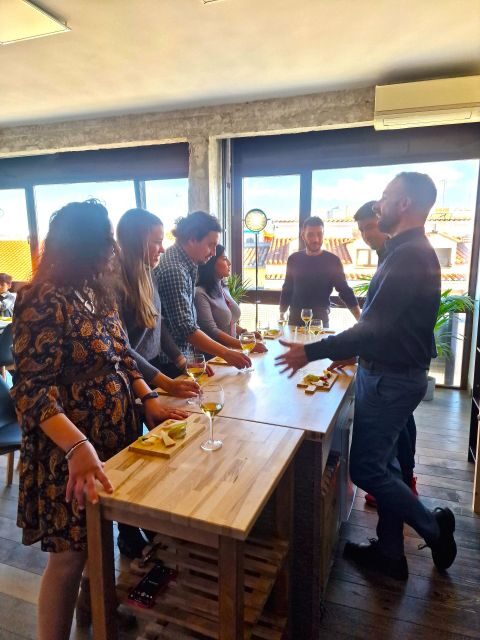
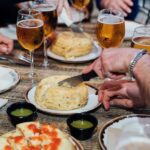
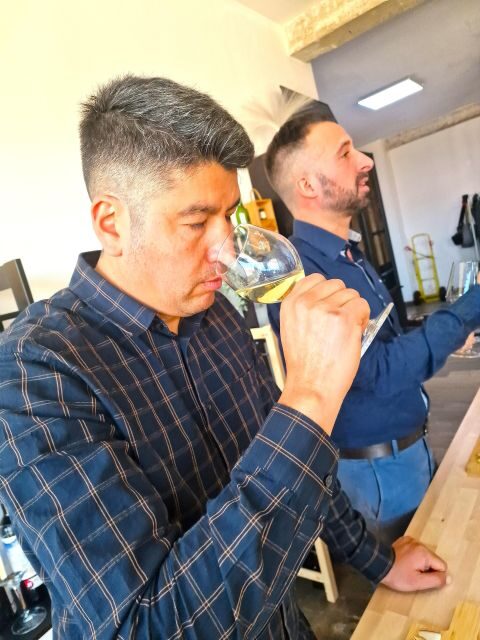
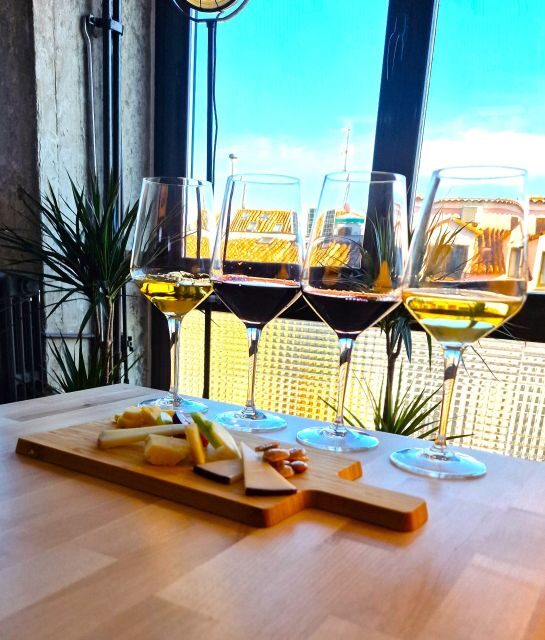
You get four wines, each from a different Spanish region, and each matched to the cheese you’re eating at that moment.
The wine list:
- Red from the Region of Murcia
- Fine wine from Andalusia
- White from Castilla-La Mancha
- Red from the Valencia region
You’ll notice the pairing isn’t random. It’s designed to address what the cheese does to your palate. For example, a cheese that feels tangy often benefits from a wine that brings balance. A stronger cheese tends to want a wine with enough presence to keep up.
This is also where the local expert earns their keep. The best part isn’t that they tell you what to taste. It’s that they explain how to taste it. You start to pick up patterns, like:
- what happens when you go from a dense cheese to a lighter wine
- how acidity can cut through fattier textures
- why certain pairings make flavors feel louder or calmer
If you do one thing with your day in Madrid after this, do this: pay attention the next time you’re buying wine. One of the most helpful takeaways from past guests is that the tasting helped them pick better wines later, because they understood the pairing logic. That is a real value-add, not just a nice memory.
Where to Meet Near Plaza Mayor (and How to Not Miss It)
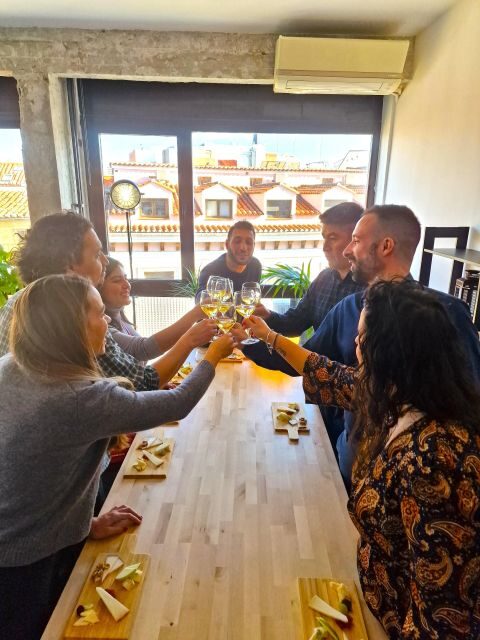
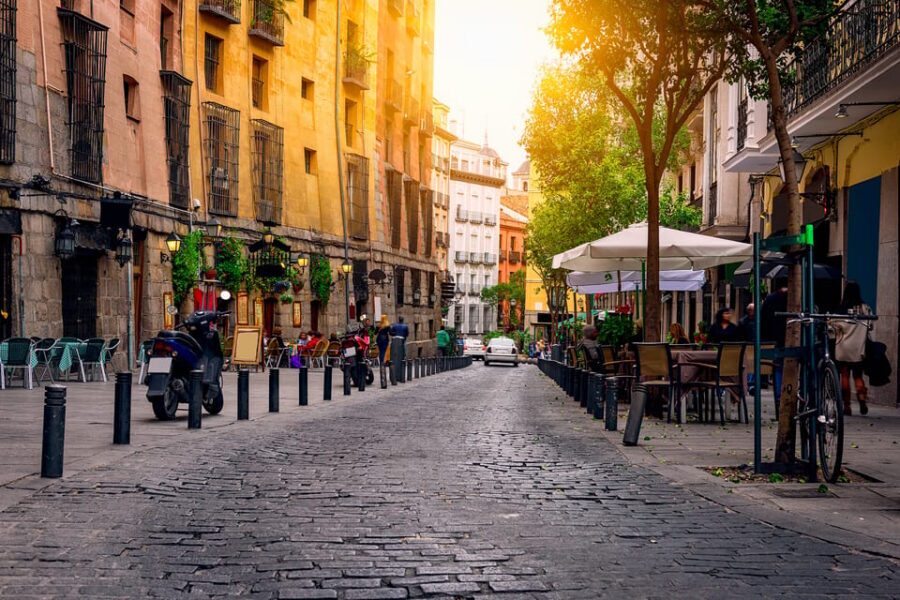
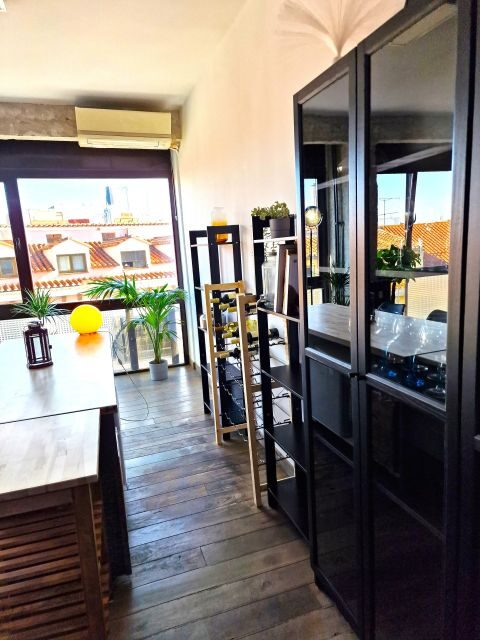
The location is in central Madrid, near Plaza Mayor. That’s ideal because you can combine it with a walking loop and still have energy for dinner afterward.
Meeting instructions are precise:
- When you reach the address, go up to the second floor.
- Look for door A.
- The activity ends back at the meeting point.
That means you can plan your day without complicated logistics. You’re not getting herded across town. You’re stepping into one spot, eating and learning, then stepping back out where you started.
Practical tip: arrive a few minutes early. Even small delays can mess with a 1–2 hour schedule. If you do run late, the host can sometimes rebook. In one case, a guest was late and Marcos rebooked the session for free on another day. That’s not something I’d assume will always happen, but it does suggest the team is willing to work with real-life issues when possible.
What the 1–2 Hour Flow Feels Like
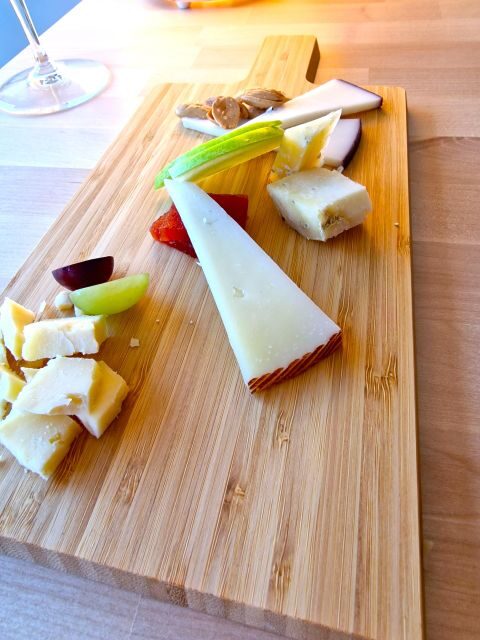
The session is scheduled for 1–2 hours, depending on starting times. In practice, that’s a sweet spot: long enough for multiple pairings and explanations, short enough that you won’t feel stuck all evening.
Here’s the rhythm you should expect:
- You’ll be guided through the cheese set one by one.
- Each cheese gets an origin/character explanation.
- Then you move to its paired wine.
- You’ll learn how to combine them so the flavors actually work together.
The pace matters. If the group is small and the host keeps things interactive, you can taste carefully instead of rushing. Past guests praised the experience as personal, funny, and conversational rather than a stiff presentation, which tells me the best sessions leave room for questions.
Also, the languages are English and Spanish, so you’re not stuck if your Spanish is basic. You should still understand what you’re eating and why, because the whole point is pairing education.
The “Small Group” Advantage in Plain Terms
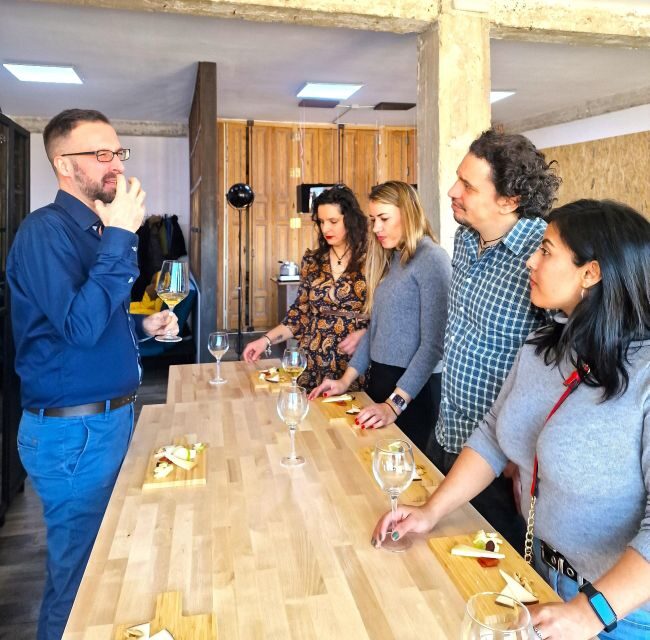
A small group is more than a marketing line. It changes the feel of the tasting.
With fewer people:
- you can hear explanations without straining
- you’re more likely to ask a question
- the host can adjust pacing if someone needs a slower moment
- the session feels less like a factory and more like a gathering
That matters because cheese tastings can be intense if you’re forced into a loud, crowded room. Here, the goal is clarity. You want to focus on texture and flavor, not on competing voices.
If you’re the type who gets overwhelmed in big food tours, this format is a good match.
Price and Value: Is $57 Reasonable Here?
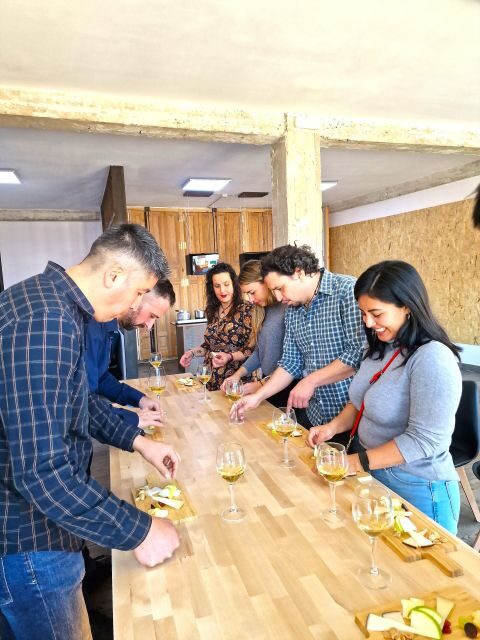
At $57 per person, you’re paying for four cheeses plus four wine pairings, led by a local expert, in central Madrid.
On a raw cost level, the math is straightforward:
- You’re not paying for just a tasting of one cheese.
- You’re getting a full set of cheeses with protected origin names.
- You’re also getting multiple wine regions, not one single bottle poured repeatedly.
In a city like Madrid, where eating well can get expensive quickly, this looks like fair value for the amount of food and instruction you receive. The key is that you’re paying for the pairing lesson, not just the tasting itself. If you care about learning how to choose wine later, this becomes a practical purchase, not just a one-time snack.
Is it a bargain? Not really. Is it a smart value? For most cheese-and-wine lovers, yes, because you leave with both taste memories and usable knowledge.
Who This Is For (and Who Should Skip)
This experience fits best if you:
- love cheese and want to learn what makes Spanish cheese different
- enjoy wine but also want guidance on pairing
- want something central and time-efficient (1–2 hours)
- prefer a small-group setting with an expert host
It is not suitable for:
- vegans
- children under 18
- pregnant women
- people with epilepsy
- people with a cold
- people prone to seasickness
- hearing-impaired people
That last one can surprise people, but it’s listed, so plan accordingly. If any of these apply, you’ll be happier choosing a different Madrid food activity that matches your needs.
Also, there are rules on-site: no smoking indoors, no vaping, no bare feet. You also cannot bring alcohol or drugs. These are standard venue rules, but it helps to know them before you show up in flip-flops and good intentions.
Practical Tips for a Smooth Tasting
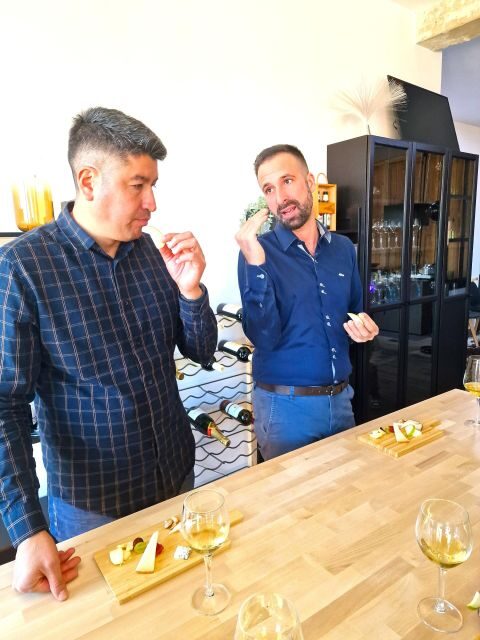
A few small moves will help you get the most from it:
- Eat something light earlier if dinner is later, because you’ll be tasting multiple items.
- Go in curious, not picky. The pairing logic gets easier when you’re open to contrast.
- If you want to ask questions, do it early in the session so the host has time to answer.
- If you’re trying to plan a full evening, this pairs well with a stroll around Plaza Mayor before or after.
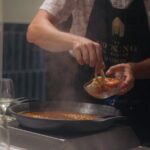
One fun note from past visitors: they noticed paella making happening around the venue as they left, and it looked like an appealing add-on. I can’t guarantee it runs every day, but if you see it mentioned at the location during your visit, it’s worth considering as your next stop.
Should You Book This Madrid Cheese Tasting?
I’d book this if you want a guided, high-signal food experience in central Madrid. It’s not a random tasting. It’s a structured set of four PDO cheeses paired with four regional wines, and you come away with pairing instincts you can use again when you shop for wine.
If you’re vegan, under 18, dealing with a cold, or you fall into any of the listed suitability categories, skip it. Also, if you want a strictly non-alcohol experience, this isn’t the right format since the pairing is built around wine.
Otherwise, it’s an easy win for your Madrid itinerary—especially if it’s your first or second day, when you want to learn what tastes belong together.
FAQ
What cheeses are included in the tasting?
You’ll taste four cheeses with protected designation of origin: Cow cheese from D.O Mahón Menorca, Goat cheese from D.O Cabezuela Madrid, Goat cheese with wine from D.O Murcia, and Sheep, goat and cow cheese from D.O Gamoneu Asturias.
What wines are included in the pairing?
The tasting includes four Spanish wines: a red from the Region of Murcia, a fine wine from Andalusia, a white from Castilla La Mancha, and a red from the Valencia region.
How long is the experience?
The experience lasts 1–2 hours, depending on the starting time available.
What language is the guide available in?
The instructor provides the experience in English and Spanish.
Where do I meet, and how do I find the entrance?
Meet at the provided address. Once you arrive, go up to the second floor and look for door A. The activity ends back at the meeting point.
Is this tour suitable for vegans or children?
No. It is not suitable for vegans, and it is not suitable for children under 18 years old.