REVIEW · MADRID
Madrid Insolite En Français : Hors des Sentiers Battus
Book on GetYourGuide →Operated by Madrid Pour Vous · Bookable on GetYourGuide
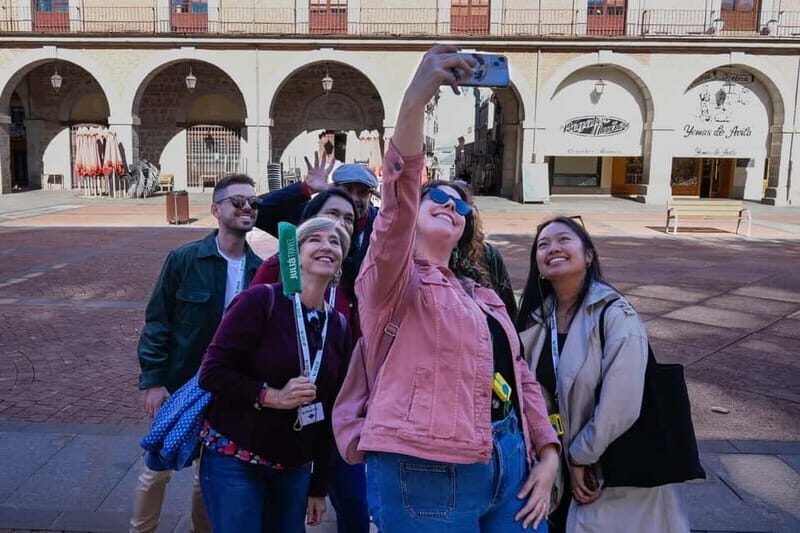
A walk that skips the usual Madrid script. This French-guided route through La Latina and Lavapiés steers you into side streets, small plazas, and historic corners you’re unlikely to stumble into on your own, starting at the Basilica of San Miguel. I love the small-group feel (max 10 or private), and I love that the guide adapts to everyone’s pace while handling questions with real care. One possible drawback: the tour won’t run unless at least 4 participants sign up.
You’ll cover a lot in two hours, with stops like Plaza de la Cruz Verde, Plaza de la Paja, San Pedro el Viejo, and—on Sunday mornings—the Rastro flea market. If you want Madrid that feels like it belongs to locals, not just postcards, this is a great match.
In This Review
- Key things that make this tour worth your time
- La Latina and Lavapiés: why this route feels like real Madrid
- Puerta Cerrada meeting point and starting at Basilica of San Miguel
- Plaza de la Cruz Verde, Plaza de la Paja, and San Pedro el Viejo
- Plaza de Puerta de Moros and Church of San Andrés
- The Rastro Flea Market on Sunday mornings (and how to handle it)
- Lavapiés by foot: Calle Embajadores, San Cayetano, and Pavón Theatre
- What the French guide does differently in a small group
- Price and value: is $40 for 2 hours fair?
- Who should book this Unusual Madrid walking tour
- Should you book this tour?
- FAQ
- How long is the tour?
- What does it cost?
- What language is the guide?
- How big is the group?
- Where do we meet, and where does it end?
- Which areas of Madrid does the tour cover?
- Does the tour include the Rastro flea market?
- What happens if the minimum number of participants isn’t met?
- Is it wheelchair accessible, and can I cancel or pay later?
Key things that make this tour worth your time
- La Latina + Lavapiés on foot in a tight, efficient route
- A French-speaking guide who keeps explanations clear for real conversations
- Small groups (up to 10) or private tours, so you’re not lost in the crowd
- Sunday Rastro Flea Market time for that lived-in street energy
- Well-known landmarks plus lesser-seen plazas, including San Pedro el Viejo and San Andrés
La Latina and Lavapiés: why this route feels like real Madrid
Madrid often gets sold as one big highlight reel. This tour takes the opposite approach. Instead of bouncing between the top attractions, you move through neighborhoods where the streets do the storytelling—architecture, street layout, and the way locals use public space.
La Latina is the kind of area where the “touristy” feeling doesn’t dominate. Lavapiés adds a different texture: more everyday street life, more variety in what you see, and more chances to notice how Madrid layers itself over time. You get both in one 2-hour walk, which is a big win if you don’t have a full day to wander.
The other big reason I like this concept is respect for the pace. Small-group walking tours can turn into a fast shuffle. Here, the goal is to keep it comfortable and answer questions as you go. Reviews even call out guides like Leire for adapting to different speeds and giving thoughtful explanations.
You can also read our reviews of more tours and experiences in Madrid.



Puerta Cerrada meeting point and starting at Basilica of San Miguel
You meet at Puerta Cerrada Square, next to the big cross. Then you begin the walk at the Basilica of San Miguel. That first step matters more than it sounds: you start with a recognizable landmark, so you can relax and focus on the streets instead of playing map-chase.
From there, the route is designed to transition quickly. One moment you’re orienting yourself around the core area; the next you’re in quieter lanes and small plazas. This is one of those walks where the “where am I?” moments turn into “Oh, I see how the city is put together.”
Practical tip: wear comfy shoes. This is a walking tour, and two hours can feel longer if your footwear is wrong. Also, bring a light layer. Even in mild seasons, stone streets and shaded passages can change the feel of the air fast.
Plaza de la Cruz Verde, Plaza de la Paja, and San Pedro el Viejo
After your start near the Basilica of San Miguel, you head toward Plaza de la Cruz Verde and Plaza de la Paja. These stops are the kind that work because they’re small enough to notice detail. You’re not just passing through; you’re getting a few minutes to look, listen, and understand how the space shapes daily life.
Then comes the Church of San Pedro el Viejo. The value here isn’t that you’re checking a box. It’s that you get a guided moment inside a historic setting where the neighborhood feel becomes more vivid. Places like this are easier to appreciate when someone gives you a framework for what you’re seeing and why it matters in the local story.
One reason I think this segment is strong: it keeps you in motion while still giving time to “read” the area. You get the sense of Madrid’s scale—how narrow passages connect to open plazas—without needing to plan it all yourself.
Plaza de Puerta de Moros and Church of San Andrés
Next you move toward Plaza de Puerta de Moros and the Church of San Andrés. This is where the walk starts to feel like a map of layers, not just a line of sights.
Plaza de Puerta de Moros is one of those places that helps you understand neighborhood structure. You’re seeing how a public square works as a connector—people, streets, and viewpoints all meeting in one spot. Then the Church of San Andrés adds a shift back into the historic rhythm of the route.
You’ll also pass by the Museum of San Isidro on the way. Since it’s a pass-by rather than a full stop, treat it like a visual cue. If you’re the type who wants to expand on what you saw later, that’s the place you’d likely remember for a follow-up visit.
A practical note: if you’re sensitive to stairs or uneven pavement, keep an eye on your footing around older street corners. The route is designed for walking, but Madrid’s sidewalks aren’t always modern.
The Rastro Flea Market on Sunday mornings (and how to handle it)
If your dates line up, the walk includes the Rastro Flea Market. This is one of the most distinctive parts of the experience because it shifts the mood. From churches and plazas, you step into a street market where the city feels louder, more personal, and more spontaneous.
The tour frames it as a chance to see local spirit come alive on Sunday mornings. That’s exactly what makes Rastro worth experiencing with a guide: the guide helps you navigate the energy without turning the visit into a random wander.
How to handle the crowds without losing the point:
- Give yourself time to pause, not just pass through.
- Keep your pace steady; don’t sprint to the first stall you see.
- If you’re shopping, set a small budget first so browsing stays fun.
Even if you don’t buy anything, you’ll learn a lot just by watching how people move and talk. It’s one of the fastest ways to feel the difference between a place locals use and a place tourists photograph.






Lavapiés by foot: Calle Embajadores, San Cayetano, and Pavón Theatre
After the Rastro segment, you continue into Lavapiés, focusing on the northern part. You’ll walk along Calle Embajadores, visit the Church of San Cayetano, and stop at the Pavón Theatre.
This portion works because it doesn’t treat Lavapiés as a single “attraction.” Instead, it uses a street (Calle Embajadores), a historic religious landmark (San Cayetano), and a cultural venue (Pavón Theatre) to show different sides of the neighborhood.
Calle Embajadores is where you feel the street scale and rhythm most clearly. It’s the kind of road that makes you understand why neighborhoods develop their own personalities. Then San Cayetano brings you back to the historic thread. Finally, Pavón Theatre adds a modern cultural anchor, reminding you that the city is still actively making itself.
If you like tours that connect everyday life with landmarks, this is the section that delivers. It’s not just sights; it’s the neighborhood vibe in action.
What the French guide does differently in a small group
This tour is led by a French-speaking guide, and the format is built for conversation. Small group size (max 10) or private options mean you’re not stuck listening to a lecture while someone else controls the pace.
The reviews highlight the human side of that approach. Leire is praised for being friendly, speaking perfect French, adapting to everyone’s pace, and staying ready with answers. Another review mentions Abdul, with clear explanations in a way that helped the group find spots they wouldn’t see on their own.
One more insight from the feedback: the guide can connect themes across time. One review points to topics running from Moorish foundations to Franco-era history. You don’t need to be a history student to enjoy it—think of it as added context that makes streets and buildings easier to understand.
If you want a tour where you can ask a question and get a real response, not a quick soundbite, this is a strong choice.
Price and value: is $40 for 2 hours fair?
At about $40 per person for a 2-hour walking tour, you’re paying for more than movement. You’re paying for:
- A structured route through La Latina and Lavapiés
- A guide who keeps you oriented and answers questions
- A small-group setting (max 10) or private option
- A customized itinerary feel within the area
Two hours sounds short, but it’s a useful length. It’s long enough to cover multiple neighborhoods and several named stops, yet short enough that you can still plan dinner right after. If you’re doing Madrid in a tight schedule, that’s real value.
Also, this tour earns its price by focusing on “less frequented” streets rather than only big, obvious stops. You get a guided shortcut to the kind of Madrid you usually have to hunt for with extra time.
One consideration: because it depends on a minimum of 4 participants, your exact dates might change. That doesn’t make it bad value—it just means you should book with a date plan that can flex.
Who should book this Unusual Madrid walking tour
I’d point you toward this tour if you:
- Want La Latina and Lavapiés without doing hours of solo navigating
- Enjoy walking tours where you can ask questions
- Prefer small groups or private experiences over big bus-style crowds
- Are interested in the city’s story beyond the top landmarks
- Can do a Sunday morning and want the Rastro flea market included
It’s also a good “second day” option after you’ve already seen the obvious sights. Think of it as the phase where Madrid starts feeling personal.
Should you book this tour?
Yes, I’d book it if your goal is a more local, street-level Madrid in a short time. The combination of named landmarks (San Miguel, San Pedro el Viejo, San Andrés, San Cayetano) plus neighborhood atmosphere (Calle Embajadores and the Rastro) is a smart mix. Add the small-group or private option and the fact that guides like Leire are praised for pace and clear explanations, and you get a walk that feels thoughtful rather than rushed.
If your schedule is strict and you can’t swap dates, check that your day will meet the minimum group size. Otherwise, for a first-time or return visit, this is a solid way to see Madrid in a way that feels earned, not engineered.
FAQ
How long is the tour?
The walking tour lasts 2 hours.
What does it cost?
It costs $40 per person.
What language is the guide?
The guide speaks French.
How big is the group?
It’s a small group with a maximum of 10 people, and private tours are also available.
Where do we meet, and where does it end?
You meet at Puerta Cerrada Square (next to the big cross) and the tour ends back at the meeting point.
Which areas of Madrid does the tour cover?
You’ll walk through the La Latina neighborhood and the northern part of Lavapiés.
Does the tour include the Rastro flea market?
Yes. The Rastro Flea Market is included, with local spirit described as coming alive on Sunday mornings.
What happens if the minimum number of participants isn’t met?
The tour will not run without at least 4 participants. If that minimum isn’t met, you’ll be offered an alternative date or a full refund.
Is it wheelchair accessible, and can I cancel or pay later?
Yes, it’s wheelchair accessible. You can reserve now and pay later, and you can cancel up to 24 hours in advance for a full refund.