REVIEW · MADRID
Madrid: Monastery of Descalzas Reales Tour with Tickets
Book on GetYourGuide →Operated by Rutas Madrid · Bookable on GetYourGuide
Habsburg splendor hides behind plain stone. The Monastery of Descalzas Reales is a working convent in Madrid, founded by Joanna of Austria, and it feels like time travel the moment you cross the threshold. From the outside, it’s sober and quiet; inside, it’s wall-to-wall art—paintings, sculptures, religious objects, and chapels—built up over centuries and still in use today.
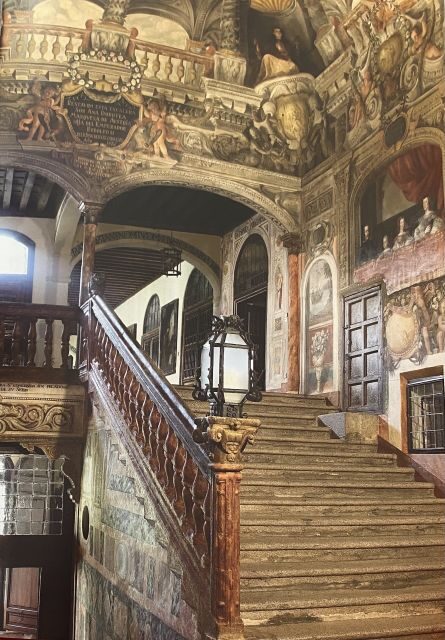
I especially like two things about this tour. First, you get a guided pass that helps you notice the standout artists—Rubens, Luca Giordano, and Crecenzi—without turning the visit into a stressful homework assignment. Second, the route focuses on the convent spaces you’ll want to see: the main staircase with mural paintings from the 16th and 17th centuries and the church area where the cloistered nuns carry out the religious office.
One consideration: the price is not the same as a basic walk-up entrance ticket you might see on site. For example, one review questioned a higher fee compared with an €8 entry cost, and that’s a fair thing to think about. Here, you’re paying for the official guide plus tickets and skip-the-line access, so it can be worth it—but it depends on how much you value interpretation.
In This Review
- Quick take: what matters most at Descalzas Reales
- Why Descalzas Reales feels like Madrid with the volume turned down
- Price and what you really get for $40
- Entering the route: how the visit flows step by step
- Stop 1: Starting point at Monasterio de las Descalzas Reales
- Stop 2: Guided convent visit (about 1 hour)
- Stop 3: Drop-off near the monastery or Plaza de la Villa
- Inside the monastery: what you’re actually meant to notice
- The main staircase murals (16th–17th centuries)
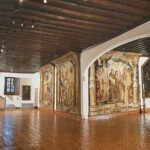
- Chapels, sculptures, and paintings in different rooms
- The choir and the religious office today
- Art focus: Rubens, Luca Giordano, and Crecenzi without the museum headache
- Rubens and the feeling of court-level power
- Luca Giordano and the interior storytelling
- Crecenzi and the chapel world
- The outside versus the inside: why the facade matters
- Logistics you should plan around (the practical stuff)
- Who should book this monastery tour?
- Should you book this Monastery of Descalzas Reales tour?
- FAQ
- How long is the guided Monastery of Descalzas Reales tour?
- What’s included with the ticket price?
- What languages is the tour offered in?
- Where does the tour start and end?
- Is this tour suitable for people with mobility impairments?
- Can I cancel for a refund?
Quick take: what matters most at Descalzas Reales
- Skip-the-line tickets plus an official guide, so you spend more time looking and less time waiting.
- Habsburg-era focus tied to the convent’s origin with Joanna of Austria and its centuries of development.
- Rubens and other major artists show up in the religious art collection, not just in name drops.
- The main staircase murals from the 16th and 17th centuries are the kind of detail you’d miss alone.
- Active convent atmosphere, including the choir tied to the religious office of the church.
- A guided 1-hour circuit inside, with drop-off options back near the monastery or at Plaza de la Villa.
Why Descalzas Reales feels like Madrid with the volume turned down
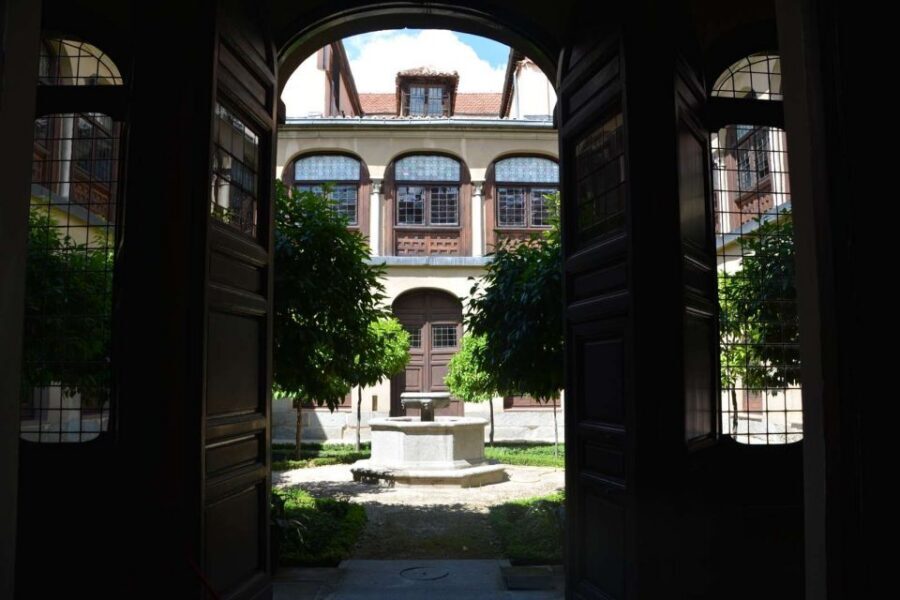
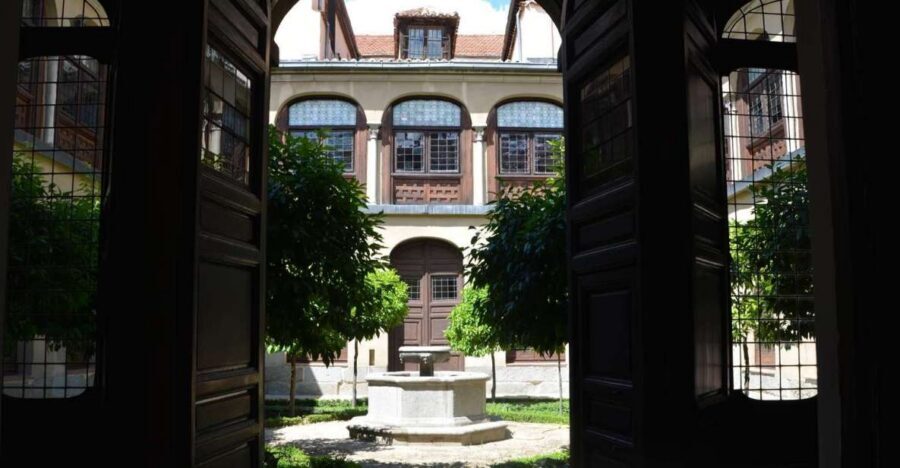
Madrid can be loud—traffic, chatter, the usual “keep moving” energy. This monastery is the opposite. You’re stepping into a cloistered setting that’s still alive with religious life, where the nuns sing for the religious office of the church today. That matters because it shifts how you experience the art: you’re not just sightseeing; you’re observing a place that has stayed in rhythm for centuries.
The contrast is the big hook. The monastery’s facade is sober, almost understated, and then inside the spaces become intensely decorated. You’ll see wall paintings, nativity scenes, reliquaries, and religious artworks across chapels and rooms. It’s the kind of place where “what it looks like” and “what it meant” are the same story.
And because this is tied to the Habsburg dynasty—through the founding by Joanna of Austria—you get a clear political and cultural thread for what you’re looking at. The art isn’t random. It’s part of a bigger Madrid world where power, faith, and patronage shaped interiors you can still walk through.
You can also read our reviews of more tours and experiences in Madrid


Price and what you really get for $40
At about $40 per person, this tour isn’t the cheapest way into the building. But it does bundle a few key things that change the experience: tickets are included, you get skip-the-line entry, and there’s an official guide.
That combination is where the value usually lands for me. If you’re the type who can enjoy a building on your own, you might feel the cost more sharply. If you want context—why certain chapels look the way they do, what specific artists’ presence signals, and which details deserve your attention—then the guide turns the visit into something smoother and more rewarding.
There’s also a timing reality: the guided visit is designed around a short window (listed as 1 hour inside the convent, with the whole tour running 1–2 hours depending on the start time). When time is limited, paying a bit more can actually be cheaper than spending extra energy figuring things out at the door.
So here’s my practical take: if you’re comparing your cost to a self-entry price you might see online or on site, focus on the “extras” you’re buying—skip-the-line and guided interpretation. That’s not a small upgrade, especially in a place where the important details are tucked inside chapels and staircases rather than shouted from a single central hall.
Entering the route: how the visit flows step by step
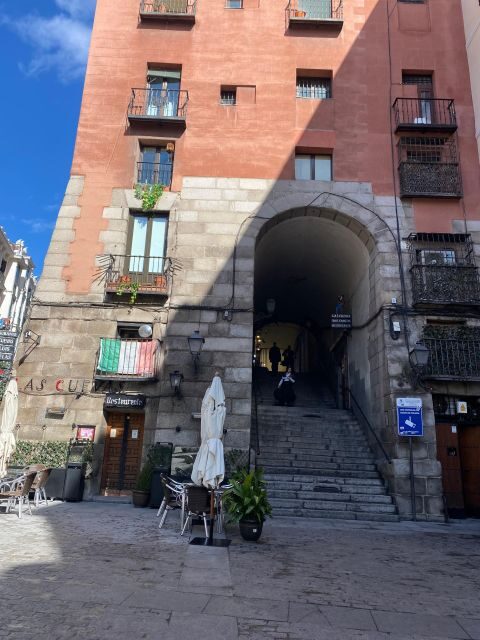
The tour starts at Monasterio de las Descalzas Reales. Expect to arrive a little ahead so you can settle in and meet the group smoothly. From there, the visit concentrates on the convent itself, with a guided walk through the spaces that make the monastery famous.
Stop 1: Starting point at Monasterio de las Descalzas Reales
This is your orientation moment. You’re not just looking at a monument—you’re stepping into a living religious site. The guide helps frame what you’re about to see so you can connect the building’s layout and decoration to its historical purpose.
Stop 2: Guided convent visit (about 1 hour)
This is the core. You’ll explore the interior spaces that highlight the monastery’s transformation over time. The tour description makes it clear you’ll focus on:
- Chapels with different sculptures and paintings
- The choir connected to the religious office of the church
- Major interior highlights, including the main staircase
If you’ve ever visited a big church and felt overwhelmed, this kind of guided focus is useful. The monastery doesn’t try to overwhelm you with scale alone. It wins with detail.




Stop 3: Drop-off near the monastery or Plaza de la Villa
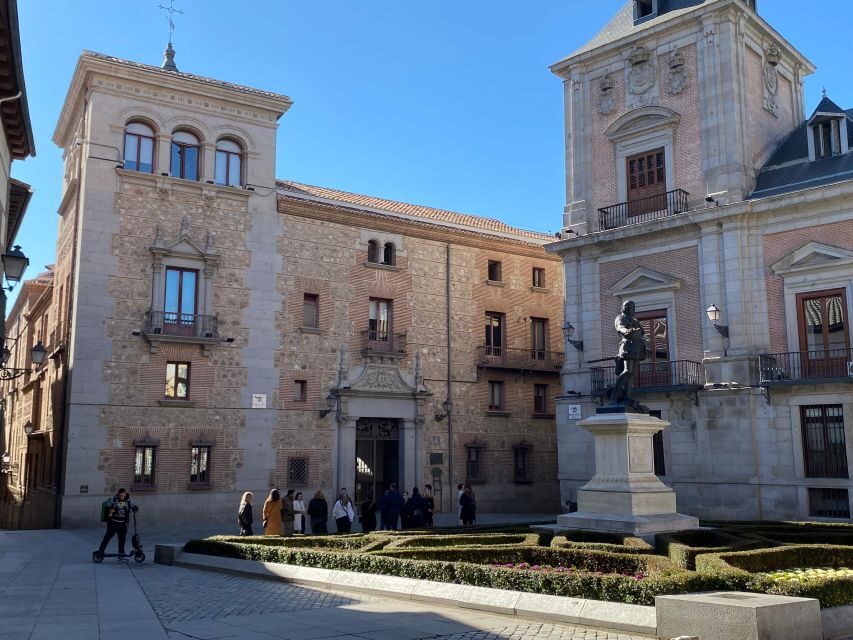
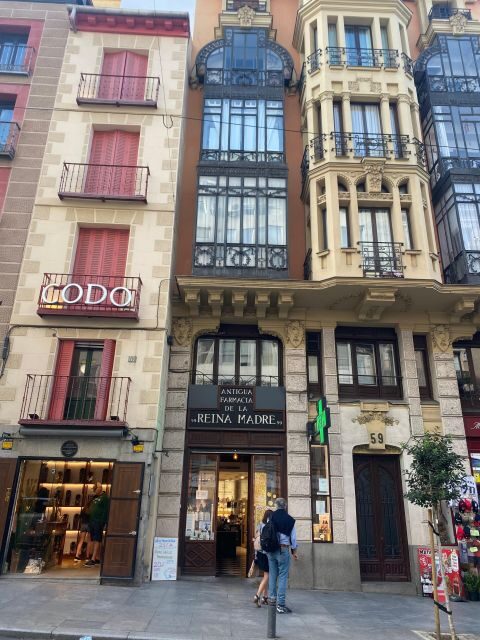
You’ll finish with drop-off options at Monasterio de las Descalzas Reales or at Plaza de la Villa. That’s handy if you’re pairing this visit with other old-city walks after you’re done. You won’t be stuck waiting for a ride or fighting your way back across the same streets.
Inside the monastery: what you’re actually meant to notice
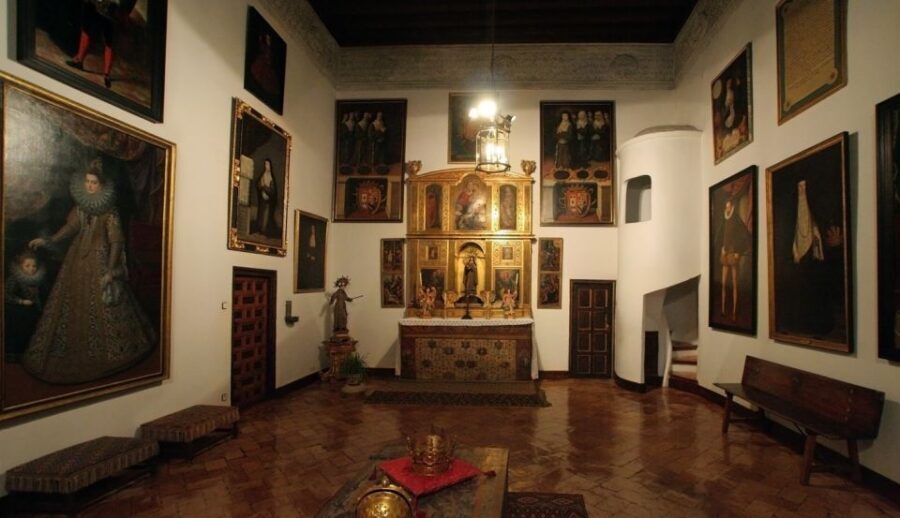
The Descalzas Reales experience is about seeing layers. The outside gives you the mood—quiet, restrained. The inside gives you the message: centuries of Spanish religious art gathered in a place that still functions.
The main staircase murals (16th–17th centuries)
The staircase is a headline item for a reason. The main staircase from the original palace-house is decorated with mural paintings from the 16th and 17th centuries. Even if you’re not a museum-person, this is the kind of feature that works because it’s architectural. You can’t really miss it, and you also can’t fully appreciate it without knowing what to look for—so a guide helps you connect the decoration to the period.
Practical tip for your eyes: when you reach a feature like this, take a full look first, then let the guide’s explanation steer your second glance. That way you register both the emotion and the meaning.
Chapels, sculptures, and paintings in different rooms
You’ll see a large number of chapels, each with its own mix of sculptures and paintings. This is where the monastery becomes less like a single big attraction and more like a chain of small, powerful scenes. The guide’s job is to help you keep track of what each chapel contributes, so you don’t just end up taking photos without understanding the “why.”
The choir and the religious office today
The tour description specifically calls out the choir where today the cloistered nuns sing for the religious office of the church. That’s an important shift from pure art viewing. You’re learning that this monastery wasn’t converted into a museum. It continues its spiritual work, and that continuity shapes the atmosphere and the way you should behave.
Art focus: Rubens, Luca Giordano, and Crecenzi without the museum headache
One reason I like this tour format is that it doesn’t treat you like you should already know what you’re looking at. It highlights big-name artists—Rubens, Luca Giordano, and Crecenzi—so you can anchor your attention. But it also frames the artworks as part of a living religious space rather than a random collection.
Rubens and the feeling of court-level power
Rubens is mentioned as one of the major artistic presences you’ll admire. When a collection includes an artist like him, it usually signals high-status patronage and an international artistic network. In a Habsburg setting, that makes sense. It’s not just about beauty. It’s about connections—between Spain, Europe, and the political world that shaped religious display.
Luca Giordano and the interior storytelling
Luca Giordano’s inclusion points you toward Italianate influence and the kind of baroque drama that works extremely well in chapel settings. In other words: this isn’t art you only appreciate from across a room. It’s the sort of work that benefits from being explained while you’re close enough to register the details.
Crecenzi and the chapel world
Crecenzi is another highlighted artist in the collection. In a monastery filled with chapels, artists like this often show up through particular decorative choices and stylistic themes. The guide’s commentary is what turns those themes into something you can actually notice instead of just seeing.
Bottom line: if you care about art history but don’t want to spend the day reading labels, a guide-centered approach like this pays off.
The outside versus the inside: why the facade matters
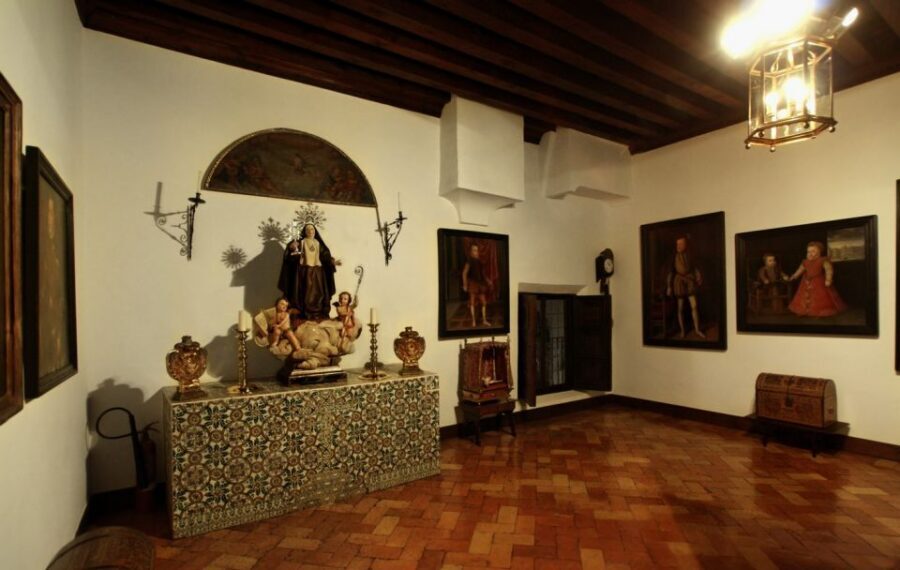
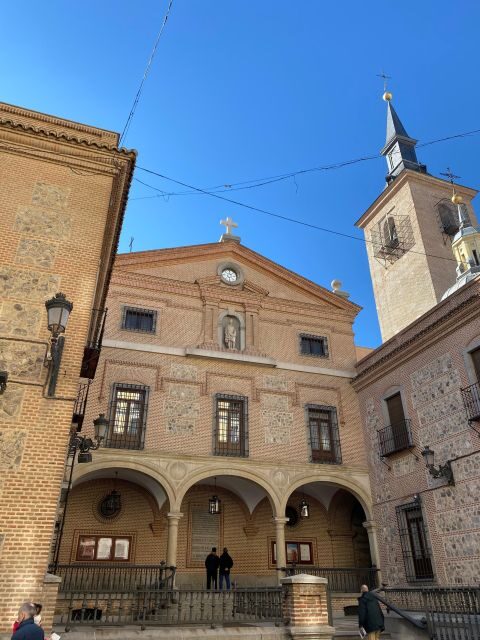
It’s easy to treat a facade like a backdrop. Here, it’s the story’s first clue. The monastery’s facade is described as sober, while the interior is packed with religious art and decorations: wall paintings, nativity scenes, reliquaries, and other sacred objects.
That inside-outside contrast helps you understand why the building can feel like a surprise even when you know its reputation. You’re arriving expecting something restrained. Then you walk into spaces that look like they were designed for devotion—and for the kind of visual impact that faith and patronage wanted to create.
And because this is a convent still in use, the monastery doesn’t feel like a staged performance. It feels like it has kept doing its job through changing centuries, which is exactly what makes the interior arrangement feel purposeful rather than decorative for decoration’s sake.
Logistics you should plan around (the practical stuff)
This is a guided tour with tickets included and skip-the-line access. That means you’ll want to keep your schedule flexible enough to match the available start times, since the duration is listed as 1–2 hours depending on when you go. Check availability when you book so you pick a slot that fits your Madrid rhythm.
Also note what’s not included:
- No hotel pickup or drop-off
- No drinks provided
So you’ll want to build in time to get to the meeting point on your own. The good news is the drop-off options are convenient if you plan to continue exploring old Madrid afterward, especially with Plaza de la Villa as one of the finishing points.
Finally, this tour is not suitable for people with mobility impairments. That matters because monasteries and historic interiors can involve uneven surfaces and limited space. If you fall into that category, it’s worth looking for another format with fewer interior constraints.
Who should book this monastery tour?
I think this tour fits best if you want three things:
- A guided visit so you don’t miss the important interior details (staircase murals, chapels, choir context).
- Major art names explained in a setting where they actually make sense.
- A cultural, historical experience connected to Spain’s Habsburg era and the convent life that continues today.
It may not be the best match if you mostly want a quiet self-paced walk and you’re comfortable navigating galleries without interpretation. The price is higher than a basic entry you might see advertised, and the value hinges on the guide.
Also, if you’re traveling with limited time, this works well. One hour of guided time inside a complex site is a manageable way to get the highlights without turning the day into an endurance event.
Should you book this Monastery of Descalzas Reales tour?
If you like art with context and you value skip-the-line convenience, I’d say yes. The strongest reasons are the guided focus on the monastery’s key interior features—especially the staircase murals—and the chance to see how the chapels and choir fit into a convent that’s still functioning.
But if your main goal is to wander on your own and you’re price-sensitive, compare the guided offer to the basic on-site entry and decide whether the official guide and booked access feel worth it to you. The monastery’s interior rewards attention, and a guide helps you earn that attention fast.
In short: book this when you want understanding, not just photos. Skip it if you prefer to go independently and you already know exactly which details you want to hunt down.
FAQ
How long is the guided Monastery of Descalzas Reales tour?
The tour is listed as 1–2 hours total, and it includes about 1 hour for the guided visit inside the convent. Starting times depend on availability.
What’s included with the ticket price?
Tickets are included, along with skip-the-line access and an official guide.
What languages is the tour offered in?
The guide offers live tours in Spanish and English.
Where does the tour start and end?
It starts at Monasterio de las Descalzas Reales. Drop-off is listed at Monasterio de las Descalzas Reales and also at Plaza de la Villa.
Is this tour suitable for people with mobility impairments?
No, it’s not suitable for people with mobility impairments.
Can I cancel for a refund?
Yes. Free cancellation is available up to 24 hours in advance for a full refund.