REVIEW · MADRID
Madrid: Must-See Attractions Walking Tour
Book on GetYourGuide →Operated by Guydeez Tours · Bookable on GetYourGuide
Madrid is a city you can read on foot.
This short old-town walking tour is designed to do just that, linking major sights—Royal Palace, Plaza Mayor, and Puerta del Sol—to the stories that shaped Madrid. I like how the route keeps moving through squares and landmarks instead of turning into a stop-and-stare history lecture, and you get context fast enough to actually use it later. Royal Palace sets the tone immediately, with the monarchy made physical: grand, formal, and full of power.
My other favorite part is the way the guide turns architecture into human drama. You’ll hear about the peculiar reign of Queen Isabel II, and you’ll pick up the kind of plot-driven details that make places memorable—murder, kings, and queens are part of the tone around the cathedral stops. The one drawback to consider is simple: it’s only 2 hours, so you won’t have time for long indoor visits or slow wandering in every square. Wear comfortable shoes and plan to return on your own if something really grabs you.
In This Review
- Key Points You’ll Appreciate
- Entering Madrid’s Old Town: Why This 2-Hour Loop Works
- Starting at C. de Arrieta: Your Map Starts Here
- Plaza de Isabel II: The Queen and the Weird Parts of Power
- Royal Palace of Madrid: Monarchy as Architecture
- Almudena Cathedral Viewpoint: Understanding the City Layout
- Church of St. Nicholas of the Servitas: Old Parish, Human Scale
- Cathedral Church of the Armed Forces: Kings, Queens, and Dark Drama
- Plaza de la Villa and Plaza Mayor: Two Squares, Two Lessons
- Plaza de Pontejos: The In-Between Street That Connects It All
- Puerta del Sol: The Gate That Still Shapes Your Walk
- The Guide Factor: Practical Advice You Can Use the Same Day
- Price and Value: Is $22 Worth Two Hours?
- What to Do Before and After the Walk
- Should You Book This Madrid Walking Tour?
- FAQ
- How long is the Madrid walking tour?
- Where does the tour start and end?
- How much does it cost?
- What’s included in the ticket price?
- Do I need to bring anything?
- Are food and drinks included?
- What languages are available for the live guide?
- Is the tour wheelchair accessible?
- Can I cancel if my plans change?
Key Points You’ll Appreciate
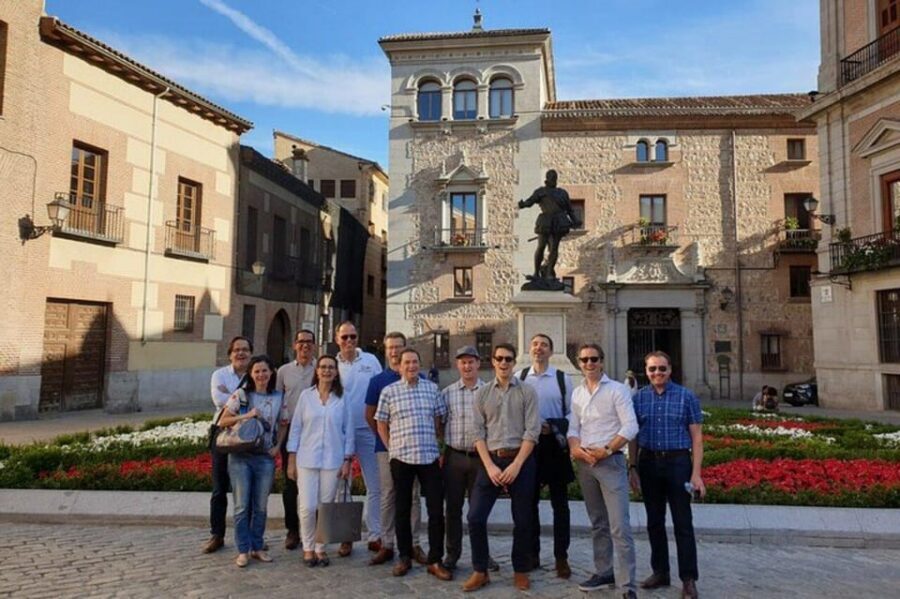
- A tight 2-hour route that hits the big-name squares without wasting time
- Royal Palace + Plaza Mayor in one walking rhythm, so they feel connected instead of separate
- Almudena Cathedral viewpoint stop that helps you understand the city layout
- Old parishes and historic gates that explain how Madrid grew beyond its walls
- Guides like Julian who stay lively, answer questions, and share practical tips for your stay
Entering Madrid’s Old Town: Why This 2-Hour Loop Works
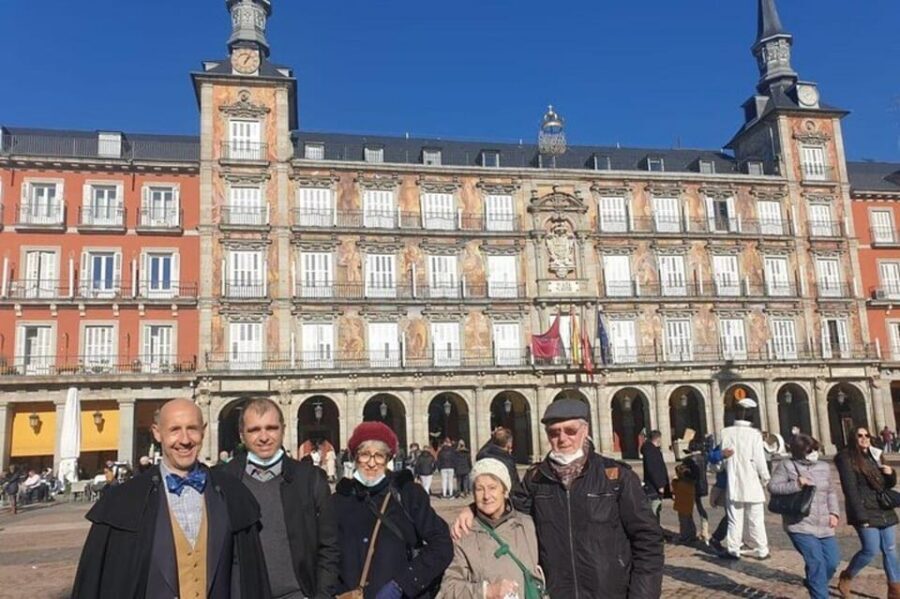
If you have limited time in Madrid, this is the kind of walk that earns its keep. At 2 hours, you’re not trying to “see everything.” You’re learning how the old center is built—how squares functioned like stages and meeting points, how the monarchy shaped the city, and how the old gate system influenced where people moved.
The pacing matters here. The tour is structured around landmark-to-landmark walking, so you’re constantly regrouping your mental map. That’s a big deal on a first visit, because Madrid can feel huge once you start branching out for museums, food, and shopping.
And the best part for planning your day: this is a walking tour with a guide, not a meal tour. So you can fit it early to get orientation, then go eat wherever you feel like after you’ve absorbed the neighborhoods and the vibes.
You can also read our reviews of more walking tours in Madrid


Starting at C. de Arrieta: Your Map Starts Here
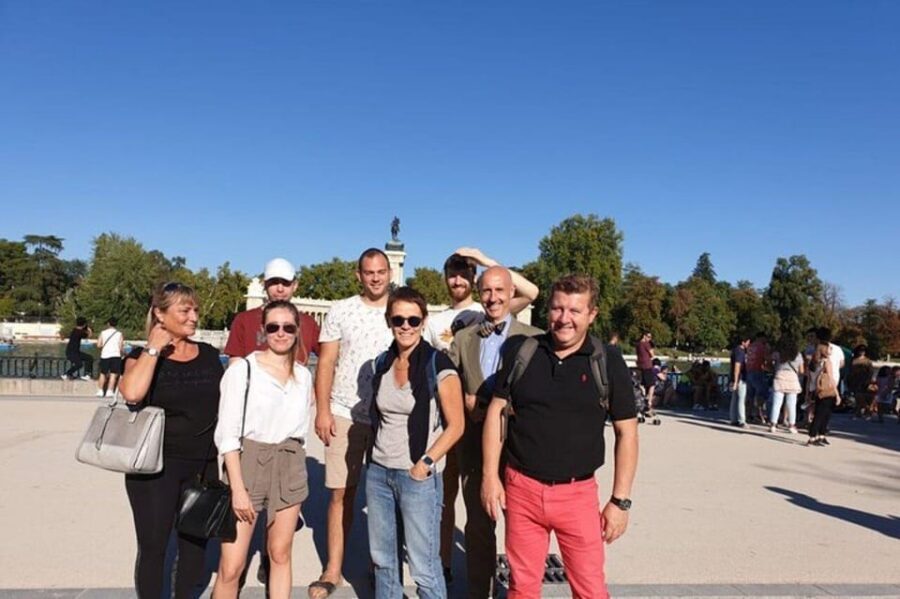
The meeting and ending point is C. de Arrieta, 8. Having the tour start and finish at the same location is more convenient than you might think. It reduces decision fatigue if you’re also trying to connect this walk with a museum visit, a late lunch, or a metro ride.
Right away, you’ll move through the old-center core rather than getting stuck circling the same streets. That’s how you turn a short tour into something that feels like real progress.
One practical note: this is a sightseeing walk, so comfortable shoes are not optional. Madrid’s historic center has plenty of uneven paving and short stretches that add up quickly.
Plaza de Isabel II: The Queen and the Weird Parts of Power
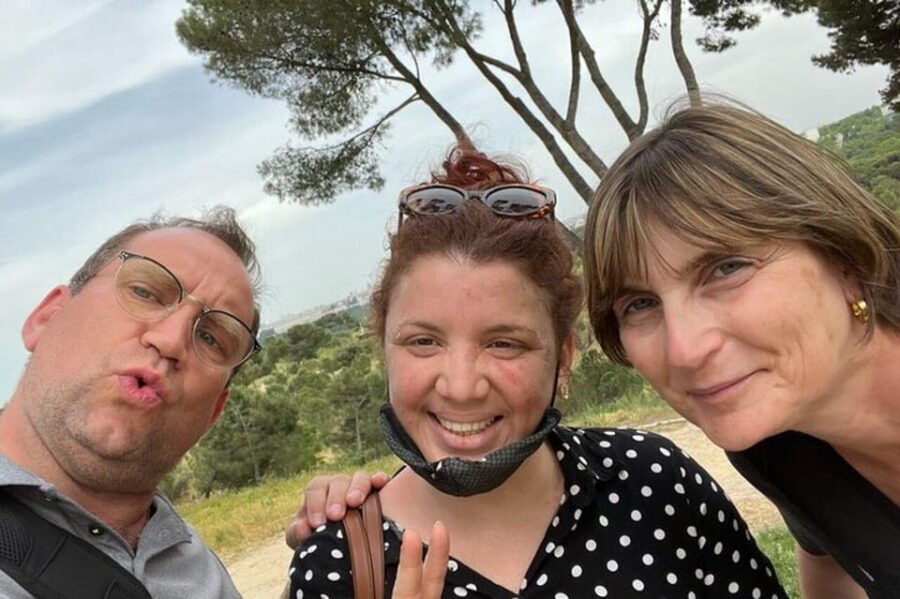
The tour begins at Plaza de Isabel II, and the guide sets the scene with the story of Queen Isabel II. This stop matters because it’s not just a name on a plaque. It gives you a lens for what you’ll see next: who held power, how that power got displayed, and why certain buildings still dominate the skyline and the square life.
I like that the tour doesn’t wait until the end to bring in politics. It starts early, so when you reach the more ceremonial spots—the palace and the royal-adjacent cathedral—you’re already primed to notice symbolism.
Royal Palace of Madrid: Monarchy as Architecture
The Royal Palace of Madrid is the obvious star, but what makes it work on a walking tour is the buildup. You’re led in with context, then you’re right there to visually connect it to the city’s identity.
Even from the outside, a palace reads like a statement: who mattered, how authority wanted to be seen, and how the monarchy defined “center” in Madrid. If you’ve ever felt like palaces are all pomp with no point, this stop helps you understand the why.
The tour frame also keeps expectations realistic. You get a guide-driven hit of history and significance, not a long interior experience. That’s ideal if you’re on a schedule and want to decide later whether you want more time inside on your own.
Almudena Cathedral Viewpoint: Understanding the City Layout
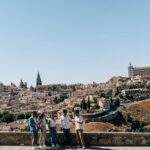
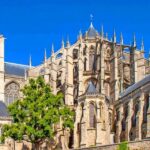
Next comes Almudena Cathedral (Cathedral of Saint Mary the Royal of the Almudena) from a viewpoint that helps you get your bearings. This is a smart inclusion. A good view stop makes the rest of the city feel legible, like the streets and landmarks actually relate to each other.
A few things make this stop more than just a photo pause. The guide weaves stories around the cathedral area—sharp, dramatic historical notes—so you’re not only looking up at stone and domes. You’re learning what the place symbolizes and why it sits where it does in Madrid’s story.
If you’re the type who likes to understand a city before you start hopping between neighborhoods, this is a key moment.




Church of St. Nicholas of the Servitas: Old Parish, Human Scale
The Iglesia de San Nicolás (Church of St. Nicholas of the Servitas) is one of Madrid’s oldest parish churches. This is where the tour adds texture.
Big monuments teach you the official story. Old churches teach you the everyday story. They connect Madrid’s bigger political world to spiritual life that has been going on for centuries, long before modern street names and today’s crowds.
The guide’s narration helps you slow down mentally even if you’re still walking. You start noticing how different architectural details signal different eras, and why a “small” stop like this can feel grounding compared with a palace or cathedral.
Cathedral Church of the Armed Forces: Kings, Queens, and Dark Drama
After the older parish, you move to the Cathedral Church of the Armed Forces. This stop is built around storytelling, with intriguing notes involving murder, kings, and queens. That combination can make a cathedral area feel more like a living archive than a static landmark.
I appreciate this kind of guided emphasis. It doesn’t require you to be a medieval-history expert. You just listen, look, and let the story give meaning to what you’re seeing.
One consideration: because this tour uses storytelling as a major ingredient, it works best when you’re paying attention and asking questions. If you’re mostly checking your phone or treating it as background noise, you’ll miss the part that makes this stop memorable.
Plaza de la Villa and Plaza Mayor: Two Squares, Two Lessons
Then you reach Plaza de la Villa, a historic square that shows the evolution of Madrid’s architecture going back since the 15th century. This stop teaches you how Madrid layers over time. You can see different styles and understand how the city kept changing without erasing its past.
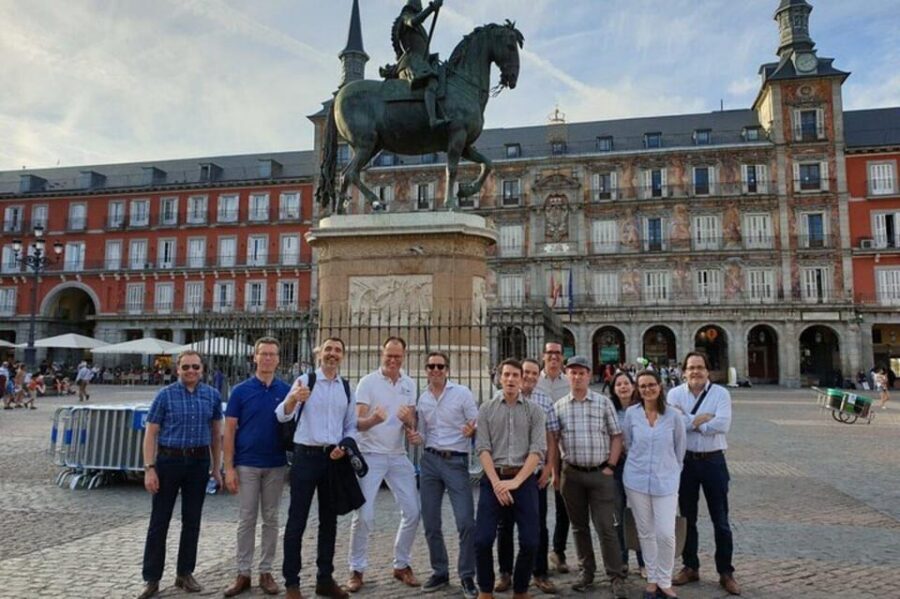
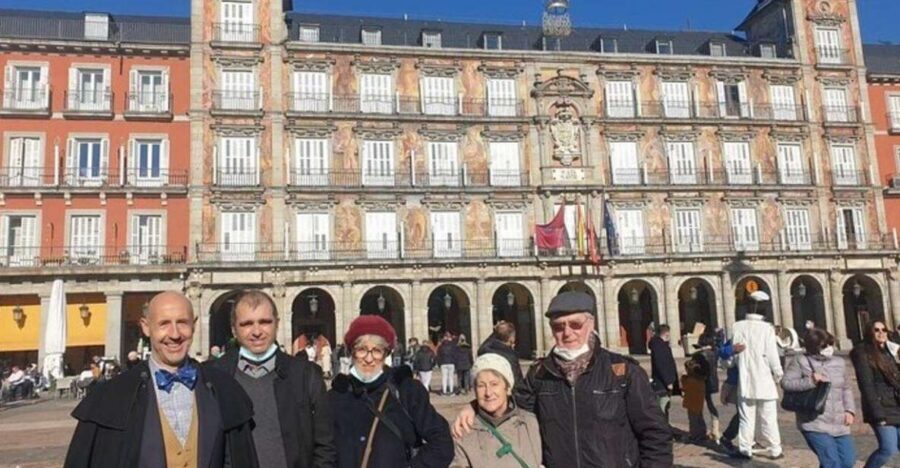
From there you head into Plaza Mayor, where the tone shifts to grandeur and civic importance. Plaza Mayor has played multiple roles—marketplace, theatre space, and even a bullring—so it’s not just pretty. It’s practical history in stone.
This is one of the tour’s best “aha” moments. On your own, you might just see Plaza Mayor as a famous square. With a guide, you understand why it became the kind of place where power and public life constantly met.
And here’s a useful tip: treat Plaza Mayor like a stage. Imagine events happening there, then look at the surrounding buildings. It makes the whole space feel more real and less like a postcard.
Plaza de Pontejos: The In-Between Street That Connects It All
You’ll pass by Plaza de Pontejos as part of the route flow. The tour doesn’t frame it as the main highlight in the same way as Plaza Mayor or Puerta del Sol, but the in-between squares are useful.
These quick transitions help you understand how Madrid’s old core connects. They also keep your mental rhythm from breaking. Instead of one giant leap from palace to Sol, you’re guided through the smaller decision points that connect how people actually move.
If you’re the kind of traveler who likes quiet streets and side plazas, you may also find yourself lingering here after the tour, because you’ll start noticing the textures that famous squares sometimes hide.
Puerta del Sol: The Gate That Still Shapes Your Walk
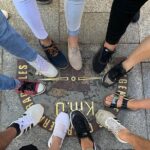
You finish at Puerta del Sol. The key detail here is that it was once a gateway in the city wall to the east—so the place is literally tied to how Madrid moved and defended itself.
Today it’s known as one of Madrid’s best-known and busiest areas. That matters because it shows continuity: even when walls and defenses fade into history, the “where people meet” function stays.
I like closing the tour here because it gives you an immediate starting point for the next phase of your trip. You’re at a central landmark where it’s easy to branch off for food, museums, or a casual stroll in any direction.
The Guide Factor: Practical Advice You Can Use the Same Day
This tour stands or falls on the guide, and it’s clear the guiding style is built for engagement. A guide named Julian comes up in the experience, and the theme is consistent: passionate delivery, real culture, and plenty of answers to questions.
Another smart benefit: you’re likely to get practical pointers, not just lecture-style facts. That includes suggestions about shops, restaurants, and where to think about tapas—plus explanation of how places and monuments relate to Madrid’s roles through time. It’s the difference between learning names and actually learning how to enjoy the city.
If you’re the type who likes to ask, you’ll enjoy this. The format is short enough that questions feel worth it, but structured enough that you still get the main sights without losing track.
Price and Value: Is $22 Worth Two Hours?
For $22 per person and a 2-hour guided walk, you’re paying for orientation plus storytelling, not for transportation or meals. Since the tour includes a guide and runs either as a group or private option, the value usually lands well for first-timers or time-crunched visitors.
Here’s the practical way I’d judge it:
- If you want context and direction fast, a guided walk at this price is typically a smart use of limited time.
- If you already know Madrid well and prefer self-guided wandering, you might feel you could cover some of these sights on your own—though you’d miss the narrative thread connecting palace, squares, parishes, and the old gate system.
Given the mix of major landmarks and the storytelling-driven stops, this price feels like it’s buying you understanding, not just entry-level sightseeing.
What to Do Before and After the Walk
Plan to start your day in good walking shoes mode. The tour is wheelchair accessible, but for most people the main comfort issue is footing and pacing.
Because there’s no food or drinks included, you can schedule this before lunch or after a snack without worrying about a fixed meal program. I’d also treat it like a warm-up. Afterward, choose one or two places you want to return to longer—usually the kind of spot that made you stop listening and actually stare.
Also, languages are covered: the guide speaks English, French, Italian, and Spanish. If you have a preference, pick your language option when booking so you’re comfortable enough to ask questions and follow the stories.
Should You Book This Madrid Walking Tour?
Book it if you want a fast, guided route through Madrid’s old core with the right balance of big landmarks and meaning. This is especially good for first-time visitors, couples, and anyone who gets more out of travel when there’s a human explaining what you’re looking at.
Skip it only if you’re looking for long museum-style time, because this is designed as a 2-hour walk. It’s not trying to replace deeper visits. It’s trying to make those deeper visits make sense once you decide to do them.
If your goal is to get oriented and learn the city’s story in one pass, this is an easy yes.
FAQ
How long is the Madrid walking tour?
It lasts 2 hours.
Where does the tour start and end?
It starts and ends at C. de Arrieta, 8.
How much does it cost?
The price is listed as $22 per person.
What’s included in the ticket price?
You get a live guide and a private or group walking tour depending on the option selected.
Do I need to bring anything?
Wear comfortable shoes.
Are food and drinks included?
No, food or drinks are not included.
What languages are available for the live guide?
The guide is available in English, French, Italian, and Spanish.
Is the tour wheelchair accessible?
Yes, it is wheelchair accessible.
Can I cancel if my plans change?
There is free cancellation up to 24 hours in advance for a full refund.