REVIEW · MADRID
Madrid Oscuro: Torture, Ghosts, Crimes and Legends
Book on Viator →Operated by Tours Madrid | TOURSTILLA · Bookable on Viator
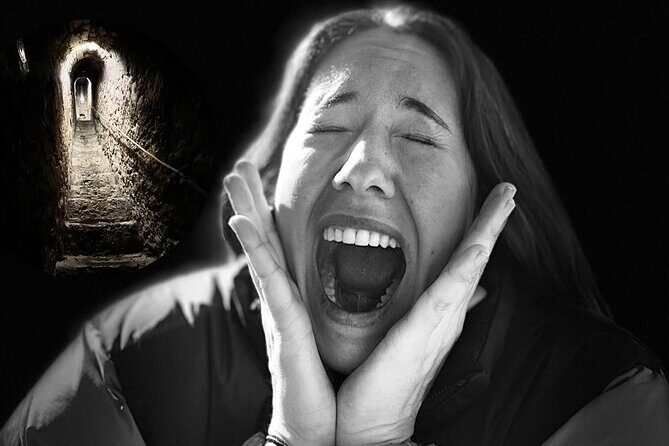
Madrid’s dark stories walk with you. This tour mixes ghosts, crimes, and legends into a night-in-the-city feel, using character-style storytelling at landmarks you’ll recognize fast. I love how interactive it stays, with guides like David and Jacquelyn keeping the group engaged and moving. I also love that the stops are free to access, so you’re not stuck paying for entrances just to hear a good tale. One possible drawback: if you want straightforward, daytime history with zero spook factor, this may feel too “creepy” for your taste.
You’ll cover a lot of central Madrid in about 2 hours 25 minutes, in English, with a small cap of up to 26 people. You get a local guide, printed teaching materials, and a mobile ticket—then you receive follow-up recommendations from your guide after the tour. The route starts at Plaza Mayor and finishes near the Royal Palace area at Plaza de Oriente.
In This Review
- Key things I’d highlight before you go
- First impressions: what Madrid Oscuro feels like on your feet
- Price and value: why the low cost can still make sense
- The walking route: from Plaza Mayor into darker legend
- Stop 1: Plaza Mayor — your meeting point and mood-setter
- Stop 2: Iglesia de Santa Cruz — the cursed church
- Stop 3: Pasadizo del Panecillo — the alley of hunger
- Stop 4: Plaza Del Conde de Miranda — Raimundita’s ghost
- Stop 5: Accidente Aereo — fallen angel and satanic rites
- Stop 6: Calle Mayor — fallen angel, satanic rituals
- Stop 7: Real Iglesia Parroquial de Santiago y San Juan Bautista — Captain Sanchez
- Stop 8: Plaza de Oriente — Vallecas file and the first cemetery idea
- The guide quality: what you can expect in the storytelling
- What’s included (and what isn’t)
- Timing, tickets, and group size: the practical stuff that affects your day
- Who this tour is best for (and who should skip it)
- Should you book Madrid Oscuro?
- FAQ
- How long is the Madrid Oscuro tour?
- What language is the tour offered in?
- Where does the tour start and end?
- Do I need to pay entrance fees for the stops?
- Is a guide included?
- What do I receive during the tour?
- Is food or drink included?
- Is the tip included in the price?
- What’s the maximum group size?
- Is there free cancellation?
Key things I’d highlight before you go
- The stories are built for attention: guided, funny, and sometimes acted out, not just read-off facts
- Free stops mean better value: most locations are ticket-free to reach
- Central landmarks, tight walking time: you cover major squares and a few key church/streets
- English tour with printed tools: you’ll have material in hand, not only spoken narration
- Small group energy: capped at 26 travelers, so it doesn’t feel like you’re lost in a crowd
First impressions: what Madrid Oscuro feels like on your feet
This is a Madrid ghost and true-crime style walking tour, but with a light theatrical edge. Instead of focusing on museums or long lectures, you get a moving story that uses Madrid’s public spaces—plazas, church-adjacent streets, and the corners between them. The goal is simple: get your bearings, then lean into the darker side of the city’s folklore and local legend.
The pacing works well for most people. At around 2 hours 25 minutes, you’re not trapped on a full-day schedule, yet you still have time to see multiple distinct areas of central Madrid. I like that the tour doesn’t require you to plan around entrance lines or paid tickets at each stop, because the route is built around locations marked as free.
Also: the vibe is playful-spooky. One reason it scores so high is that guides don’t treat it like a scary-only event. They mix laughs and reenactments with history-flavored context, which keeps it from turning into an overly grim lecture.
You can also read our reviews of more tours and experiences in Madrid.

Price and value: why the low cost can still make sense
The listed price is $3.62 per group (up to 15), and the experience includes a local guide plus printed material. On paper, that’s strikingly affordable for a guided walking tour, especially one with multiple stops and a time commitment just over two hours.
Here’s the practical reality: the tour itself covers the storytelling and guidance. At the end, there’s an expected tip to the guide that isn’t included. Some guests mention a suggested collaboration amount (around $15) and note that cash can be easier, though your guide may accept other forms of payment. So if you’re trying to budget, think “low ticket price + end-of-tour tip.”
One more value check: there are no entrance fees required for the sites along the way. That matters in Madrid, where paid access can quickly add up. You’re paying mostly for the walking guide and narrative skill, not for entry costs.
If you book close to your travel dates, plan on being flexible. The experience is often booked about 17 days in advance, which is usually a sign popular time slots move first.
The walking route: from Plaza Mayor into darker legend
The route is built like a story in scenes. You start in one of Madrid’s best-known places, then you slowly shift into smaller, moodier streets and church-adjacent corners. Each stop is short, typically 10 to 15 minutes, which keeps the pace from dragging.
Stop 1: Plaza Mayor — your meeting point and mood-setter
You meet at Plaza Mayor, and the tour begins with the kind of orientation that matters on any first-time Madrid walk. Before the stories turn gloomy, you get anchored in a place that’s easy to find—so you’re not spending the early part of the tour figuring out where you are.
What I like here: the setting helps you “read” the city. Plaza Mayor gives you a reference point, so when the guide later talks about legends connected to nearby streets, you can actually picture the route.
Potential drawback: if you’re the type who hates crowds, Plaza Mayor can be busy. The good news is the tour moves on quickly.
Stop 2: Iglesia de Santa Cruz — the cursed church
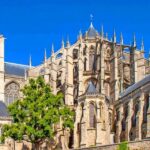
Next is Iglesia de Santa Cruz, described as the cursed church. This is where the tour’s theme locks in. Churches in Madrid are often tied to older community life, and even when the stories lean toward the eerie, the setting makes the telling feel grounded.
This stop tends to work for people who like legends with a sense of place. You’re not hearing a generic ghost story—you’re standing near a specific landmark, and the guide ties the mood to what the building represents in the neighborhood.
Possible consideration: if you don’t like supernatural framing, you’ll still hear it here. The tour won’t “soften” the theme.




Stop 3: Pasadizo del Panecillo — the alley of hunger
Then you move into Pasadizo del Panecillo, also known as the alley of hunger. This is a classic “tight space, strong mood” stop. Narrow lanes and passageways make stories feel closer to you, and that’s exactly what the guide leans into.
This stop also gives you a nice break from the bigger plazas. It’s the kind of place where you can slow down and listen—then pick up your pace again when the tour returns to open space.
If you’re thinking about photos: you’ll want to keep your phone put away unless your guide pauses for it. Narrow streets can bottleneck.
Stop 4: Plaza Del Conde de Miranda — Raimundita’s ghost
Now you reach Plaza Del Conde de Miranda, tied to Raimundita’s ghost and an element involving the Apostolic Nuncio. This is one of the stops that shows the tour isn’t only about spooky effects. The guide uses the square’s identity to connect supernatural lore with Madrid’s older political and social threads.
I like how this kind of story placement helps you understand why legends stick. A plaza becomes a stage—people remember things that happened there, and even after time passes, the myth keeps a grip.
Possible drawback: this stop might feel more story-heavy than architecture-heavy. If you want lots of building details, you may wish for more visual focus here.
Stop 5: Accidente Aereo — fallen angel and satanic rites
Next comes Accidente Aereo, linked to a fallen angel and mentions of satanic rites in Madrid. This is the tour’s darker midsection, the point where the narration tends to hit hard—still with humor in the delivery, but with clearly spooky content.
Why it’s valuable: it connects modern-day ghost storytelling energy with older “moral panic” style themes—Inquisition-era vibes, accusations, and the way fear gets packaged into narratives. Even if you treat the supernatural elements as legend, the structure of the stories helps you see how societies create villains and explanations.
Consideration: if you’re sensitive to heavy religious horror themes, this is the stop where you’ll feel it most.
Stop 6: Calle Mayor — fallen angel, satanic rituals
From Accidente Aereo you head to Calle Mayor, which is also tied to fallen angel stories and satanic rituals. This is a smart choice in terms of pacing: you’re back near a major street, so the walk feels lively, but the guide keeps the mood intact.
Calle Mayor is a place where Madrid’s daily life and its legends can coexist in the same frame. That contrast—busy city street, dark story—often makes the tales more memorable.
Potential drawback: it can be harder to hear clearly on a busy street. If your hearing tends to be challenged in noisy areas, position yourself closer to your guide when the group slows down.
Stop 7: Real Iglesia Parroquial de Santiago y San Juan Bautista — Captain Sanchez
Then the tour goes to Real Iglesia Parroquial de Santiago y San Juan Bautista, tied to the Crime of Captain Sanchez. This stop adds a crime angle that feels different from “ghost by itself.” You’re told a story with a more human, action-and-accusation feel.
I like this shift because it prevents the tour from feeling like one long ghost movie. It gives your brain a new hook: motive, conflict, consequence.
If you prefer stories that are less supernatural: this is one of the stops that might keep you most comfortable while still staying in the tour’s dark theme.
Stop 8: Plaza de Oriente — Vallecas file and the first cemetery idea
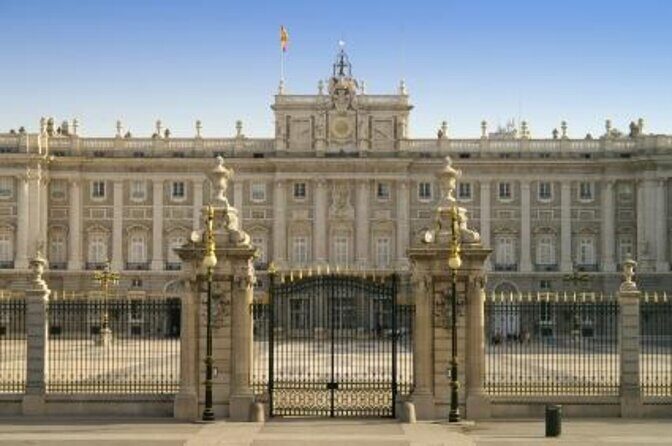
Finally, you finish at Plaza de Oriente, connected to a Vallecas file and the idea of the first cemetery in Madrid. This ending is a strong one because it lands you near the Royal Palace area—so you’re not stuck in an empty industrial zone when the tour ends.
Why the finish works: you get a closing note that feels grounded in how cities manage death, memory, and records. Even if the “first cemetery” part is presented as a local legend or historical framing, it gives the tour a sense of ending rather than simply fading out.
Practical note: the tour ends in central Madrid, which is convenient. You can keep exploring after, without needing a long transport plan.
The guide quality: what you can expect in the storytelling

This experience lives or dies by the guide, and the supplied details suggest a pattern: guides aim for engaged groups with a mix of humor and performance. Names that show up include David, Jacquelyn, Iñigo, Jose, Lidia, Rambo, Paul, and Adria (spelled both Adria/Adrian/Jaqueline depending on the entry). The common thread is clear: the tour isn’t only information-dumping.
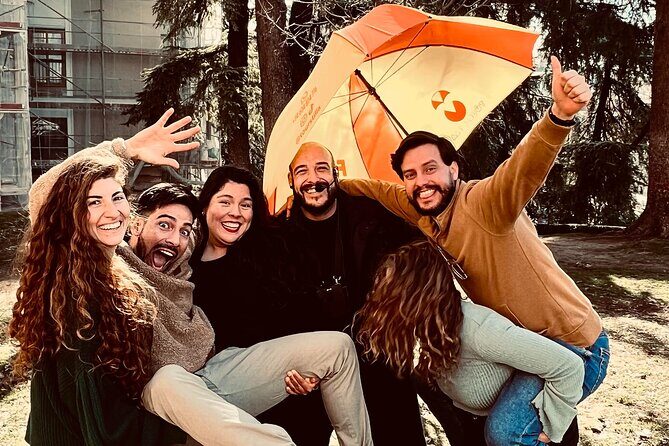
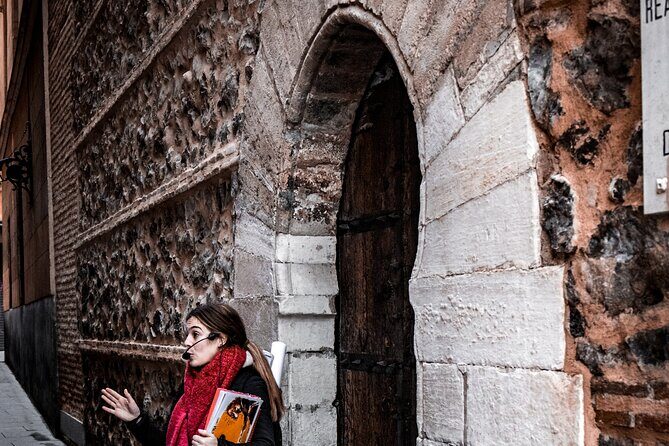
One guide mentioned in detail is David, described as theater-style and acting out characters. Another, Jacquelyn, is praised for being interactive and keeping the group moving. Jose is also repeatedly described as entertaining and friendly while staying informed.
So what should you do as a participant? Show up ready to participate. If the guide asks quick questions or expects group energy, lean in. The best part of this tour is when it feels like a shared scene, not a lecture you half-listen to while walking.
What’s included (and what isn’t)

Included:
- Local guide
- Printed material and teaching tools along the route
- A link for personalized recommendations on what to do in Madrid
- Personalized attention from your guide after the tour
Not included:
- Tip to the guide (given at the end)
- Food or drink
- Entrance fees to the sites (not required)
I like that “not included” is straightforward. You should plan to have water before you start, and if you’re touring later in the day, consider a snack nearby before the meeting point. Since stops are mostly free and externally accessible, you can keep your budget tight.
Also, those printed tools and teaching materials are a real plus. Even when the tour is story-driven, having something in hand helps you remember place names like Accidente Aereo and Pasadizo del Panecillo without relying on memory alone.
Timing, tickets, and group size: the practical stuff that affects your day
The tour runs about 2 hours 25 minutes. Each segment is short, and you cover enough ground that you’ll likely feel you saw a “dark slice” of central Madrid in one go.
The group cap is 26 travelers, which is large enough to create energy but small enough for the guide to manage questions and pacing. Price is listed per group (up to 15), so you’re not typically in a situation where it feels like you’re paying for a huge group machine.
You’ll use a mobile ticket, and confirmation is received at booking time. The tour is offered in English.
Getting there is usually manageable because it’s near public transportation, and you’ll start at Plaza Mayor. Your end point is Plaza de Oriente, close to the Royal Palace area.
Who this tour is best for (and who should skip it)
You’ll likely love this if:
- You want a night-friendly walking activity in central Madrid
- You enjoy ghost lore, legend, and crime-style storytelling
- You like humor mixed with spooky atmosphere
- You’re traveling with teens or family members who can handle scary stories in a playful way
You might skip it if:
- You want only “official” history and facts with no supernatural framing
- You dislike performance-style guides or acted reenactments
- You’re easily bothered by religious horror themes (the fallen angel and satanic rites stops are clearly part of the story mix)
One more small prep tip I’d give: bring layers. One guest noted the cold wind, and since you’re outside for over two hours, that’s worth respecting.
Should you book Madrid Oscuro?

Yes—if your idea of a great Madrid day is walking, stories, and that mix of humor and fear that turns a city into a living movie. The value is strong: free-to-access stops, a local guide, and a set route that finishes near major sights. The low listed cost also helps, as long as you remember the tip at the end.
Book it particularly if you like guided storytelling done well. The repeated praise for guides such as David and Jacquelyn signals this isn’t the type of ghost tour that phones it in. You’re getting narrative energy, not just a list of creepy facts.
Skip it if your travel style is quiet museum time and “just the facts” history. This tour leans dark by design, and it doesn’t try to change its tone to match everyone.
If you want a memorable Madrid evening that mixes legends with real places, Madrid Oscuro is an easy yes.
FAQ
How long is the Madrid Oscuro tour?
It lasts about 2 hours 25 minutes.
What language is the tour offered in?
The tour is offered in English.
Where does the tour start and end?
It starts at Plaza Mayor in Centro, Madrid, and ends at Plaza de Oriente, Centro, near the Royal Palace area.
Do I need to pay entrance fees for the stops?
No. Entrance fees to the sites are not required for this tour.
Is a guide included?
Yes. The tour includes a local guide.
What do I receive during the tour?
You’ll get printed material and teaching tools, plus a link for personalized recommendations after the tour.
Is food or drink included?
No. Food or drink is not included.
Is the tip included in the price?
No. The tip to the guide is given at the end of the tour.
What’s the maximum group size?
The tour has a maximum of 26 travelers.
Is there free cancellation?
Yes. You can cancel for a full refund up to 24 hours in advance. If you cancel less than 24 hours before the start time, the amount paid is not refunded.