REVIEW · MADRID
Madrid: Prado & Reina Sofia Museum Skip-the-Line Guided Tour
Book on GetYourGuide →Operated by Babylon Tours Madrid · Bookable on GetYourGuide
Madrid packs a lot of art into a small space. This combo tour uses your time smartly, with skip-the-line entry and a professional art historian guide walking you through two top museums.
I especially like the way the guide connects paintings to the politics and personal drama behind them. The best part for me is the focus on specific masterpieces, from Las Meninas and Goya to Picasso’s Guernica—and how the stories make the scenes feel less like museum wallpaper and more like real people reacting to real events.
One thing to plan for: you have to travel light. Large bags and luggage are not allowed, and you’ll want to dress appropriately for museum entry.
In This Review
- Key things you’ll notice on this tour
- Start at the Prado Goya Statue: the day in 5 to 5.5 hours
- Entering the Prado with skip-the-line time on your side
- Prado highlights you’ll hit: Velázquez, Bosch, and Caravaggio
- Lunch break: a needed reset between two museum styles
- Reina Sofia: modern art with real-world context
- Languages, group size, and why the pacing works
- Price and value: what $189 buys you in Madrid
- Practical tips so you enjoy it more (and stress less)
- Should you book the Prado & Reina Sofia skip-the-line combo?
- FAQ
- Where is the meeting point for this tour?
- How long is the guided tour?
- What do I see during the tour?
- What’s included in the price?
- Are food and drinks included?
- What are the bag rules and what should I bring?
- Is the tour wheelchair accessible?
Key things you’ll notice on this tour
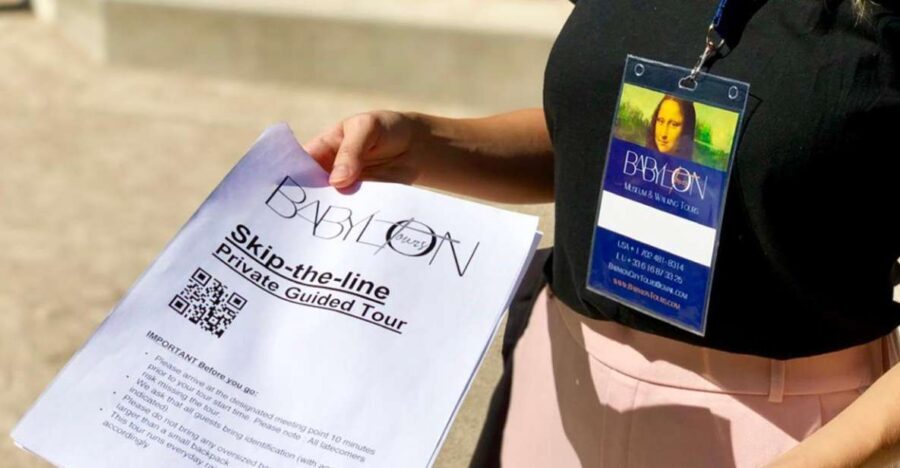
- Guaranteed skip-the-line access so your day doesn’t get eaten by ticket lines
- Two guided 2.5-hour museum blocks for the Prado first, then Reina Sofia
- A small group capped at 8 for better pacing and questions
- Art tied to history and politics, not just labels on the wall
- Top-name works you’ll actually seek out, including Las Meninas and Guernica
Start at the Prado Goya Statue: the day in 5 to 5.5 hours
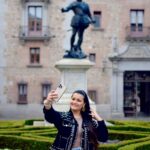
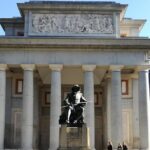
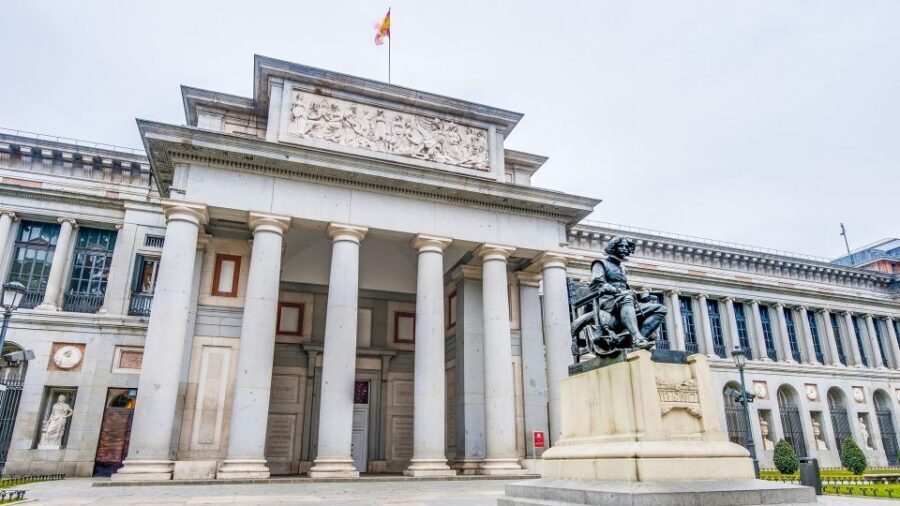
This tour starts at the Prado Museum, meeting by the Goya statue at the main entrance on the Calle de Felipe IV side. It’s outside the museum, across the street on the esplanade area down the steps. The tour ends back at the same meeting point, so you don’t have to rebuild your plans later.
The schedule is built around momentum. You’ll do a guided 2.5-hour Prado visit, take an included lunch break, then switch gears to a guided 2.5-hour Reina Sofia visit. It’s a lot of art in one day, but the timing is realistic if you follow the guide’s pace and keep your questions short and sharp.
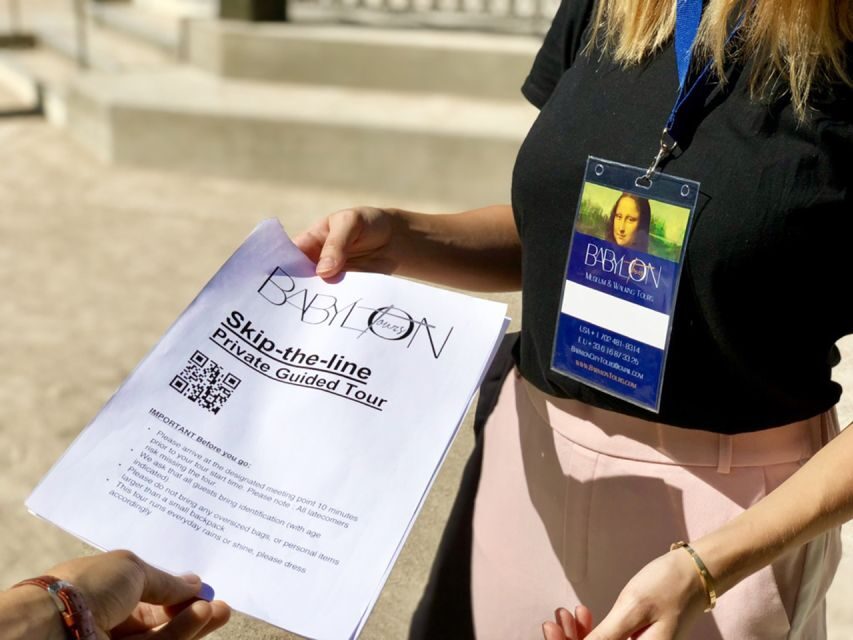
You’ll also want to read the practical notes before you go. Bring a passport or ID card. Security is strict: no luggage or large bags, only handbags or small thin backpacks. If you’re the type who likes to carry a camera bag, water bottle, and ten layers of clothing, you’ll need to simplify.
If you’re picky about start times, check availability—this experience runs on different starting schedules, and the total duration is about 5 to 5.5 hours. One more heads-up: museum openings can occasionally change, and if a delay is more than an hour, the operator says you’ll get an alternative instead of a discount or refund. That’s rare, but it’s good to keep a little flexibility in your day.
You can also read our reviews of more guided tours in Madrid

Entering the Prado with skip-the-line time on your side
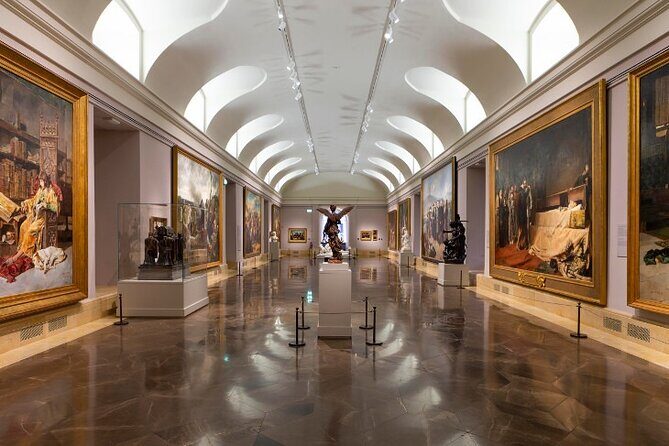
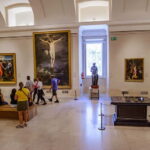
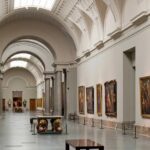
The Prado Museum is a powerhouse in Madrid. It’s known for neoclassical architecture and for being one of the most visited monuments in the city. The museum building dates to the late 1700s, and it started showing art in the early 1800s. Inside, you’re dealing with a huge collection that includes paintings, plus sculptures and prints that stretch back to works from the 1200s.
What makes the Prado portion worth booking as a guided skip-the-line combo is how the guide turns a massive building into an intentional route. Instead of bouncing around trying to hit everything, you get a curated-feeling path that still leaves room to notice details. You’ll also avoid the classic Madrid mistake: arriving at peak hour, then spending your best energy stuck in a ticket queue.
The Prado stop is built to highlight the big names and the big moments. Expect time focused on Spanish masters like Velázquez and Goya, along with European artists whose works you’d travel for on a separate trip. You’ll hear how artists worked, what was going on politically, and why some paintings caused chatter—yes, even in their own time.
If you love realism, myth, and religious imagery, you’ll be happy. You’ll also get a sense of how different centuries talk to each other inside the same rooms. The Prado isn’t just a museum of famous paintings; it’s a museum of how power, faith, and artistry intersect.
Prado highlights you’ll hit: Velázquez, Bosch, and Caravaggio
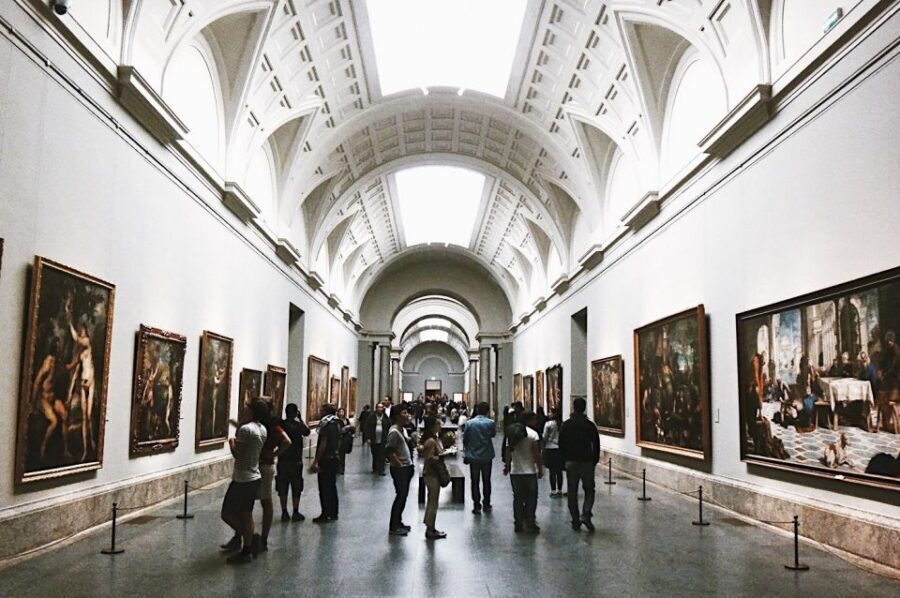
This tour’s Prado focus is on works that many art lovers put at the top of their Madrid list, and the guide explains what to look for so you don’t just speed past a legend.
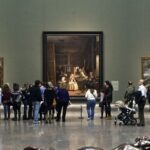
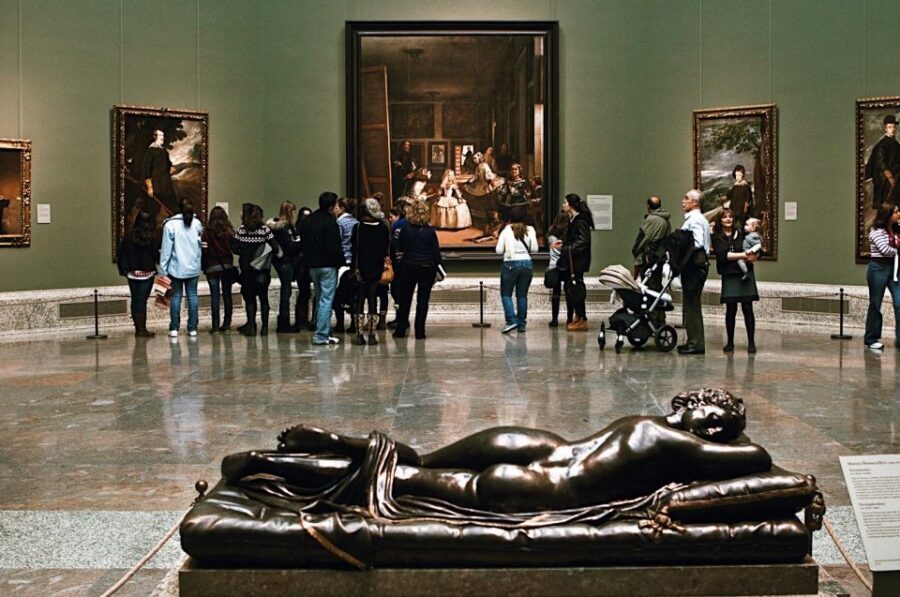
You’ll spend time on Las Meninas (The Maids of Honor), which is more than a clever self-portrait. It’s an invention—Velázquez playing with viewpoint, identity, and perception. The guide’s stories help you notice how the painting is built to make the viewer feel like part of the scene.
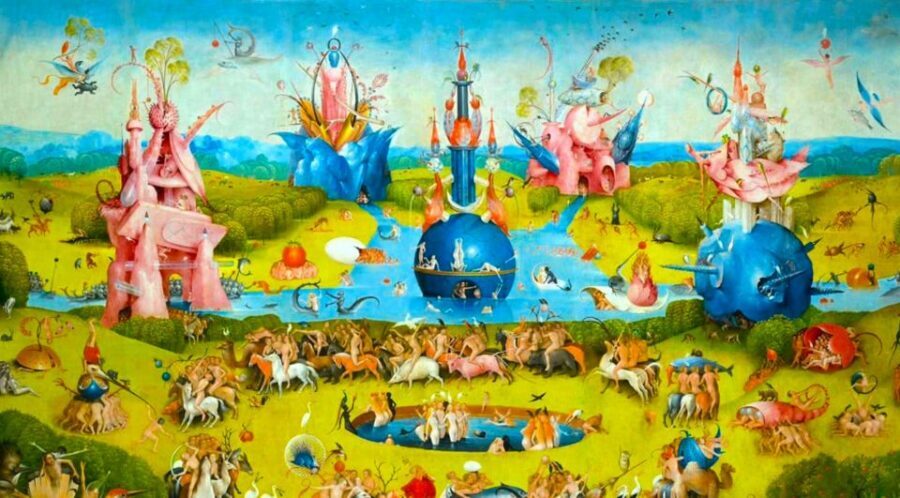
Another standout is The Garden of Earthly Delights by Hieronymus Bosch. It’s a triptych that can feel wild at first glance, because it’s full of symbolic figures and unsettling scenarios. With guidance, you’re not just looking at strange imagery—you’re learning what the scenes suggest and why Bosch’s world looks the way it does.
On the Italian-art side, the Prado is strong, and you’ll see examples that matter. The tour notes works like Fra Angelico’s The Annunciation and Caravaggio’s David and Goliath. Even if you don’t know Caravaggio’s style yet, the guide helps you connect lighting, emotion, and drama to why those paintings hit so hard.
And yes, the political stories matter. One of the clearest themes from the tour experience is how the guide ties artists and scandals to the real world—especially around Goya. That matters because Goya doesn’t read like a distant genius once you understand the pressure-cooker context of his era.
Lunch break: a needed reset between two museum styles
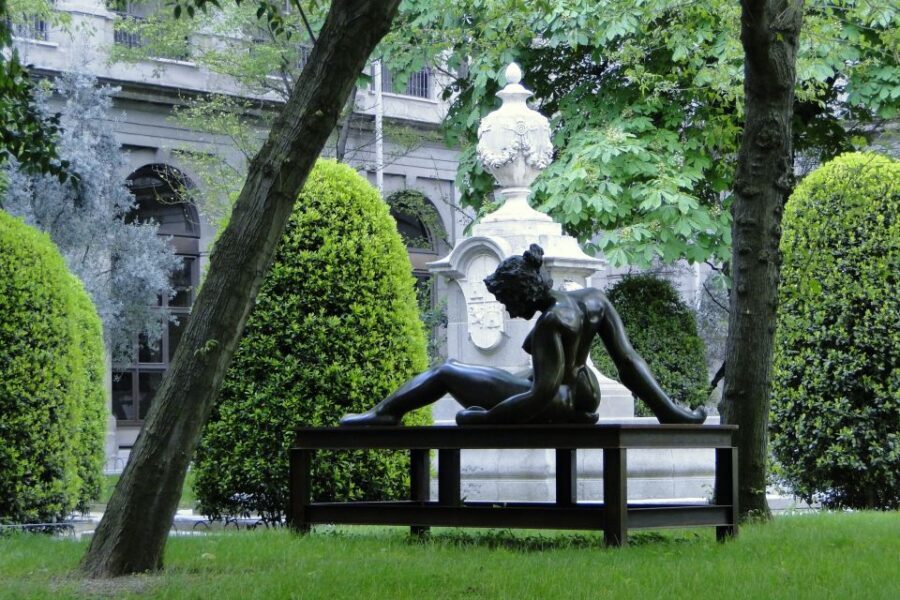
After the Prado, the tour includes a lunch break. The important thing for you: you won’t be spending your full energy on art nonstop. That break helps you reset your attention so the Reina Sofia works land better.
Food and drinks aren’t included, so you’ll want to plan what you’ll buy yourself. If you’re traveling with someone who gets hangry fast, this is a good moment to check preferences before heading into the second museum.
Also, use this time to check your bag situation. Since large bags aren’t allowed in the museums, make sure you’re carrying only what you need. Once you’re inside Reina Sofia, security rules don’t change, and the last thing you want is to feel rushed.
If you’re the type who takes photos, this is your chance to charge up and clear memory. Reina Sofia’s collection leans modern and contemporary, and that usually means more visual punch and faster browsing if you’re not careful—so a short reset is actually part of the value.
Reina Sofia: modern art with real-world context
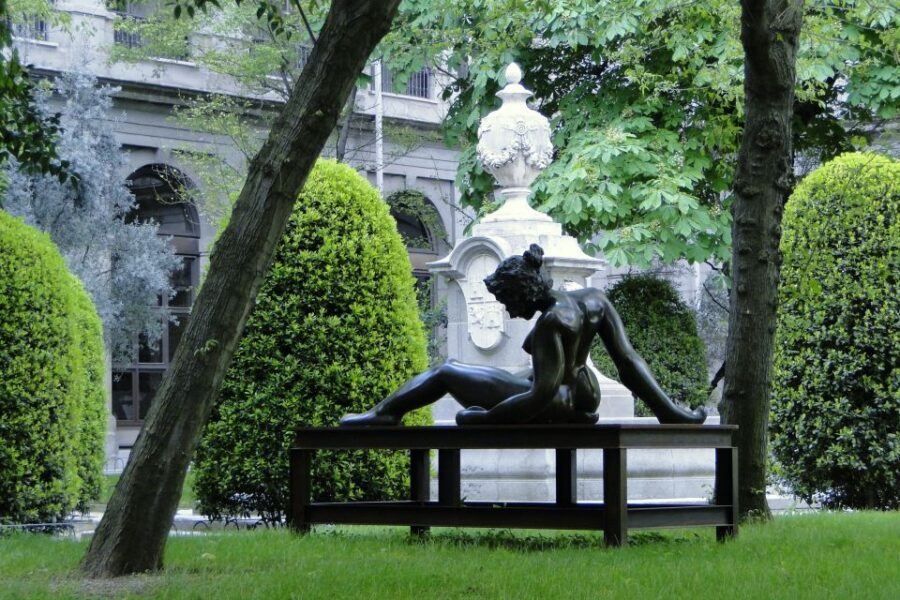
Reina Sofia is a different kind of museum energy. It’s one of the largest modern and contemporary art collections in the world, and it focuses heavily on 20th-century work, mostly from Spanish artists. The building itself has a story: it was a former hospital, later renovated into the museum you see today.
The guide’s job here is to help you understand the artistic movements you’re walking through. You’ll hear about abstractionism, cubism, surrealism, and modernism in a way that makes the shifts make sense. Instead of treating each room like a separate universe, you’ll start seeing how artists responded to what society was living through.
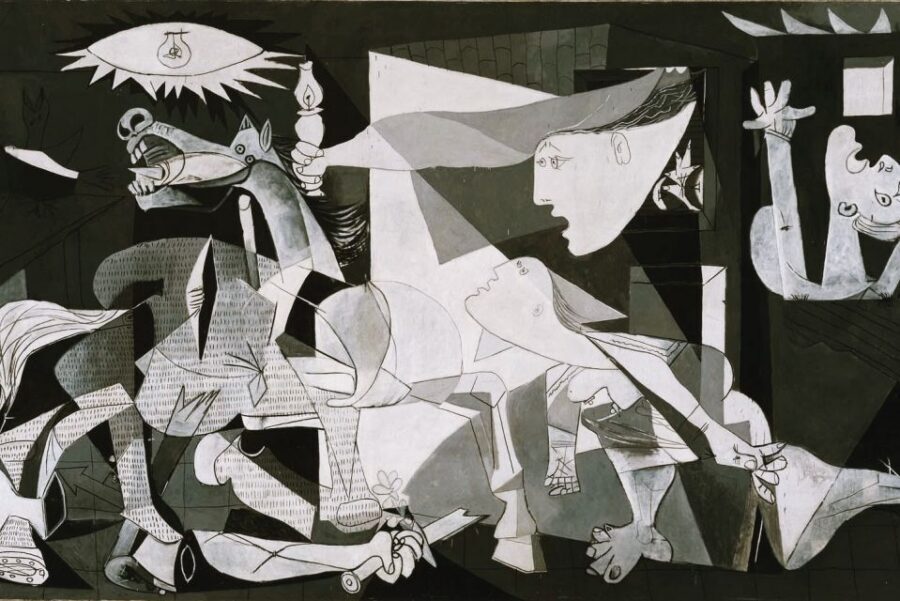
This is also where the tour really earns its ticket. You’re going to stand in front of Picasso’s Guernica, a painting that changed how people think about war, impact, and visual language. The guide situates it within the Spanish Civil War and the broader social and political pressure of the time. That context helps you read the painting’s shapes and emotional logic instead of getting stuck on confusion.
You’ll also see works by Joan Miró, including The Man with a Pipe. And you’ll encounter Salvador Dalí’s Face of the Great Masturbator. Some of these works can feel offbeat at first, but the guide explains technique and story. That’s important—modern art often gets dismissed when people only see the surface.
The result is a tour that doesn’t just point at paintings. It helps you connect style to motive, and motive to history.
You can also read our reviews of more museum experiences in Madrid


Languages, group size, and why the pacing works
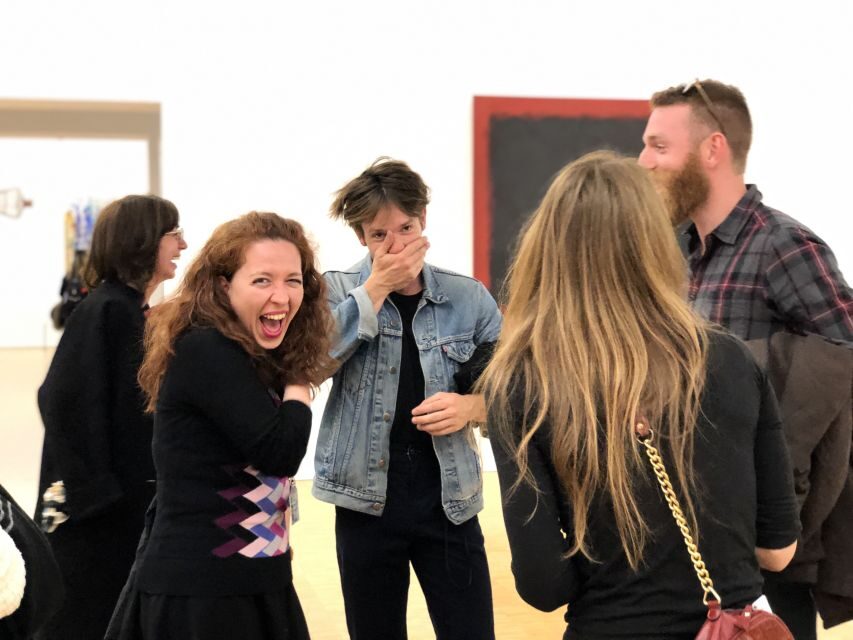
This tour runs with small groups up to 8. That matters more than you might think. In museums, a big group can turn every answer into a guessing game. With a smaller group, the guide can keep a smoother pace, pause when you need clarification, and adjust based on what people are actually looking at.
Language options are broad too: English, Italian, Spanish, and French. If you’re traveling with mixed-language friends, you still get a guided experience without having to split up or rely on guesswork.
The guide is described as a professional art historian local guide, and that shows in how the tour frames artists and events. One highlight repeatedly stands out from the guide experience: Marta stood out for historical knowledge, especially around the political situation of the times and how that shaped artists like Goya. If you care about the why behind the art, that kind of guidance is exactly what you’re paying for.
Also, note what’s not included in the tour experience: temporary exhibits aren’t part of the guaranteed focus. So if you’re hunting for a special traveling show, you’ll still want to check those museum schedules separately.
Price and value: what $189 buys you in Madrid
At $189 per person, you’re paying for more than entrance tickets. You’re buying three main things: skip-the-line access, a guided route with a professional art historian, and dedicated time in both museums.
Here’s how that can translate into value for you:
- Time savings: skip-the-line matters when your day is already packed and you want to start seeing art fast.
- Quality of attention: two guided 2.5-hour blocks can be hard to replicate on your own without losing time to figuring out what to see.
- Structure: Prado first, then lunch, then Reina Sofia. That order makes sense because it keeps the day logical and reduces the chaos of switching plans midstream.
You’re not buying a cheap ticket. But you are buying a plan that reduces wasted time and replaces it with interpretation. If you’re the type who likes to walk into museums feeling in control—rather than guessing—this price usually feels fair.
Practical tips so you enjoy it more (and stress less)
A great guided museum day still depends on how you prepare. Here are a few smart moves based on the rules and the rhythm of the visit.
- Bring an ID: passport or ID card is required.
- Pack light: no large bags or luggage. Only handbags or small thin backpacks are allowed through security.
- Dress appropriately: some sites require it, so avoid shorts that feel questionable and keep it simple.
- Plan for the lunch gap: food and drinks aren’t included, so have a rough idea of what you’ll do for a meal.
- Use the guide’s pacing: the tour is timed on purpose. If you break away for long photo hunts, you’ll feel rushed later.
Finally, if you have specific mobility needs, don’t guess. The information says wheelchair support is available on request, but it also lists not suitable for wheelchair users. That’s the kind of contradiction you should clarify directly before you commit.
Should you book the Prado & Reina Sofia skip-the-line combo?
Book it if you want a high-impact Madrid art day with minimal wasted time. This works especially well if you:
- like your art with context—stories about politics, artists, and why paintings look the way they do
- want to see major works like Las Meninas, The Garden of Earthly Delights, and Guernica without spending your whole day planning
- prefer small-group pacing over wandering alone
Skip it or reconsider if you hate the idea of a tight schedule, or if you want to obsess over every corner and side room without a guided route shaping your priorities. Also, if you know you’ll struggle with security rules about bags, adjust your packing before you go.
If you want one decision rule: if you can handle a structured 5-hour art marathon and you’d like an expert to translate what you’re seeing, this combo is a strong bet.
FAQ
Where is the meeting point for this tour?
You meet outside the Prado Museum by the Goya statue at the main entrance, in front of the main entrance on Calle de Felipe IV.
How long is the guided tour?
The total duration is about 5 to 5.5 hours. Starting times vary, so check availability for the schedule.
What do I see during the tour?
You’ll get two guided visits: one to the Prado Museum (2.5 hours) and one to the Reina Sofia Museum (2.5 hours). The tour focuses on major works, including Las Meninas and Guernica.
What’s included in the price?
Entrance fees are included, along with a professional art historian local guide, the guided time in both museums, a lunch break, and the guaranteed skip-the-line access.
Are food and drinks included?
No. The tour includes a lunch break, but food and drinks are not included.
What are the bag rules and what should I bring?
You should bring a passport or ID card. Large bags and luggage are not allowed; only handbags or small thin backpacks are permitted through museum security.
Is the tour wheelchair accessible?
Wheelchair-user tours are listed as available on request, but the activity also notes it is not suitable for wheelchair users. It’s best to contact the provider ahead of time to confirm whether they can accommodate your needs.