REVIEW · MADRID
Madrid: Reina Sofía Museum Ticket with In-App Audio Guide
Book on GetYourGuide →Operated by Naturanda Turismo Ambiental · Bookable on GetYourGuide
One ticket, plenty of emotion. At Reina Sofía, you get skip-the-line entry and a digital audio guide you can use at your own pace, so you control the pace instead of being shoved into someone else’s agenda. I like that it’s built for flexibility, and I especially like focusing on 20th-century Spanish art through Picasso, Dalí, and Miró. One clear drawback to plan for: the audio content requires an internet connection, and when that fails (or the app link arrives late), the experience can turn frustrating.
This museum sits in the Atocha area, in a striking 18th-century neoclassical building that used to be Madrid’s General Hospital, reopened as Reina Sofía in 1992. And it’s not a one-and-done stop: you also have access to the museum’s other venues in Parque de El Retiro, including the glassy Palacio de Cristal and the historic Palacio de Velázquez.
In This Review
- Key things to know before you go
- Reina Sofía in the Atocha neighborhood: why this building matters
- What your ticket really includes (and what it does not)
- A smart way to plan your self-paced route inside the museum
- The rooms that grab attention: Picasso, Dalí, Miró
- Using the in-app audio guide: great when it works
- Don’t miss the Retiro side venues: Palacio de Cristal and Palacio de Velázquez
- Price and value: is $35 a fair deal?
- Who this experience fits best (and who should be cautious)
- Should you book this Reina Sofía ticket with in-app audio?
- FAQ
- What’s included with the Reina Sofía ticket?
- Do I get headphones included?
- Does the audio guide require an internet connection?
- Is the in-app audio guide the museum’s official one?
- Where do I find my tickets before I go?
- How long is the ticket valid?
- What languages are available for the audio guide?
- Can I visit other Reina Sofía venues in Retiro with this ticket?
- Is this experience wheelchair accessible?
Key things to know before you go
- Skip-the-line entry via a separate entrance helps you start faster, especially if you arrive when crowds peak
- In-app audio runs on your phone, needs internet access, and offers multiple languages (Spanish, English, French, Italian)
- The audio is not the museum’s official guide, so it may feel lighter or less structured for some artworks
- Headphones are not included, so bring your own or plan to share quietly
- Expect some closures or missing access at times, since renovations can affect what’s available
- Tickets come by email the day before, so check your inbox before you trust your phone at the entrance
Reina Sofía in the Atocha neighborhood: why this building matters
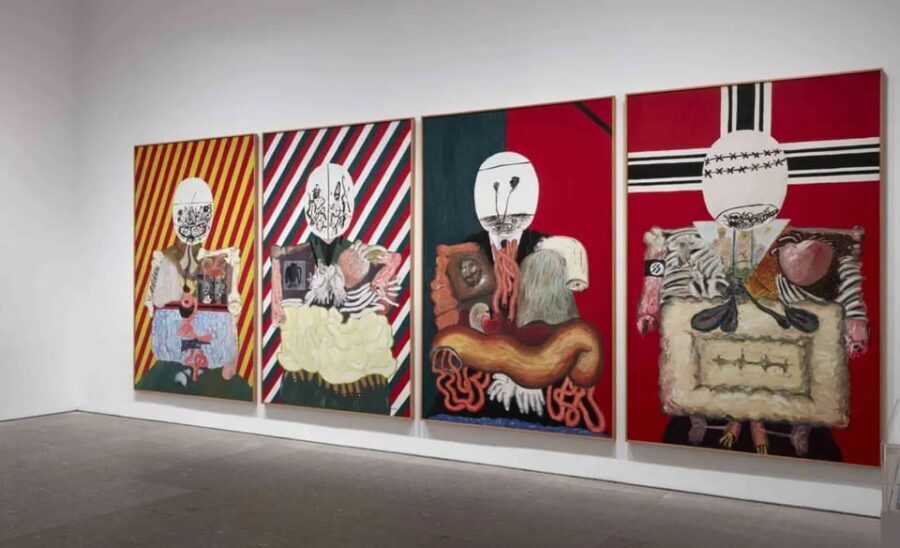
Reina Sofía is one of Madrid’s most important stops for modern Spanish art, and it’s not just because of the names on the walls. The museum occupies an 18th-century neoclassical building that once served as the General Hospital of Madrid, and that history shows in the scale and feel of the spaces. It’s the kind of setting that makes big works hit harder, because you’re not in a sterile white box.
The location also helps your day flow. Being in the Atocha area means you’re close to other central neighborhoods, so you can pair the museum with a walk, a coffee, and dinner without planning your whole day around transit. If you like making a day out of culture instead of just checking a box, this works.
This is also a museum that rewards patience. Even if you only care about a few artists, the 20th-century story is wide-ranging, and the building encourages you to pause and re-enter rooms without rushing.
You can also read our reviews of more tours and experiences in Madrid


What your ticket really includes (and what it does not)

Your ticket covers entry to the Museo Nacional Centro de Arte Reina Sofía, plus the practical bonus of skip-the-line at the ticket office. That separate entrance can save real time, which matters because modern-art museums can easily swallow half your day even when you’re not trying.
The included digital audio guide is available in multiple languages: Spanish, English, French, and Italian. The key point is that this is an in-app guide, not the museum’s official audio. In other words, it’s extra help, not a replacement for a full curatorial walkthrough if you want deep structure.
Here’s what can catch you off guard: you’ll need an internet connection to access the audio content. And headphones are not included, so you should bring your own. One more detail that matters for planning: you get your entry tickets by email the day before your visit, so don’t count on grabbing everything at the last minute.
Food and drinks are not included. That’s not a complaint—just a reminder to plan a break, because when you’re spending real time in galleries, hunger sneaks up fast.
A smart way to plan your self-paced route inside the museum
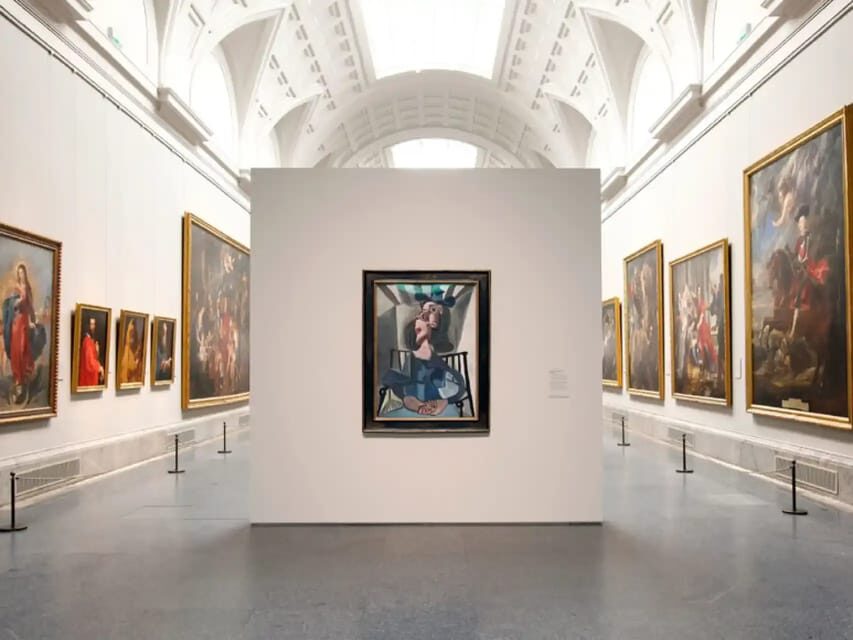
This experience is self-guided. No group tour, no strict timing, no forced lineup. That’s a big part of the value, because Reina Sofía is the kind of place where your mood changes room to room. Some works beg for slow viewing, while others work best when you hit them quickly and move on.
Still, self-paced doesn’t mean chaotic. I’d plan your route with a simple idea: start with your must-sees, then fill in the rest around them. If you start with the biggest headline work, you can spend the rest of your visit exploring the connections—how the art responds to war, politics, identity, and new artistic ideas.
One caution from real-world visits: sometimes renovations or closed areas mean certain floors or routes aren’t available. When that happens, you may find you need to re-orient yourself on the fly. Don’t rely on a single perfect loop through every room.
Also, signage and flow can feel inconsistent depending on what’s open that day. So give yourself extra breathing room early on. If you spend the first 20 minutes doing navigation, it’s better than being stressed for the last hour when you’re trying to enjoy the art.
The rooms that grab attention: Picasso, Dalí, Miró
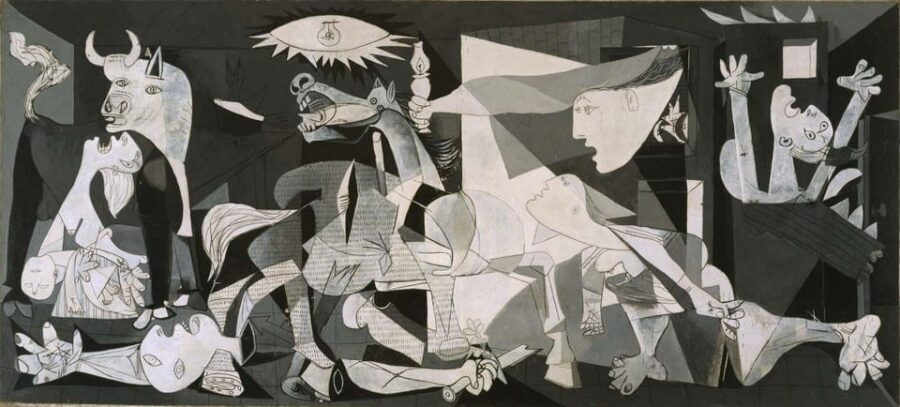
Let’s talk about what pulls most people in, because Reina Sofía is famous for a reason. Picasso’s Guernica is the emotional anchor. Even if you’ve seen photos, the scale and presence in real life is hard to shrug off. I recommend going in ready for a somber experience, not a quick stop.
After Guernica, you’ll get pulled into other 20th-century Spanish powerhouses. The museum’s permanent collection includes major works by artists like Salvador Dalí and Joan Miró, and the ticket information points to pieces such as Dalí’s Rostro del gran masturbador. You don’t need to be an art scholar to appreciate what you’re seeing—you just need time and permission to look twice.
Where the audio guide can help is in giving you quick context while you’re standing there. But keep your expectations realistic. This in-app guide is an extra resource, and a few descriptions may not match what you see if the museum layout has changed due to closures or shifting access. In that case, it’s better to treat the audio as optional support, not a checklist.
If you want maximum satisfaction, use the audio for the works you care about most. Then switch to your own instincts for the rest. That combination tends to keep the museum from feeling like homework.
Using the in-app audio guide: great when it works
This is where your visit can either sing or stumble. The audio guide is designed to let you explore at your own pace, and it’s in several languages—very useful in a big museum where you might not have time to read wall labels for everything.
But it’s also phone-based, and it needs internet to access the audio content. That means your experience depends on real-world connectivity at the museum. If the app can’t load the audio, you’re left with a mostly silent screen and a lot of walking.
There’s also a practical issue to watch: the audio guide is not the museum’s official one. One visitor feedback highlights that the app information may feel sparse compared to a more complete, structured museum audio option. Another point that matters: headphones aren’t included, so if you don’t have them, you’ll either skip audio or get creative.
Finally, there’s the timing of when you receive the link. A reported problem involved buying the visit only hours before entry, which didn’t allow enough time to receive the audio link in time. In that situation, the visitor ended up needing to spend extra money on the official museum audio instead. The takeaway is simple: check your email and link timing early, not at the last minute.
On the upside, there’s also evidence that customer support can respond quickly when the audio guide doesn’t function as expected, including resolving issues and issuing a refund for audio that couldn’t be used. That’s not something you should count on blindly, but it’s reassuring if you hit trouble.
My practical advice: treat the audio guide as a convenience layer. Bring it in case it helps. But don’t let it become the only reason you’re there.
You can also read our reviews of more guided tours in Madrid





Don’t miss the Retiro side venues: Palacio de Cristal and Palacio de Velázquez
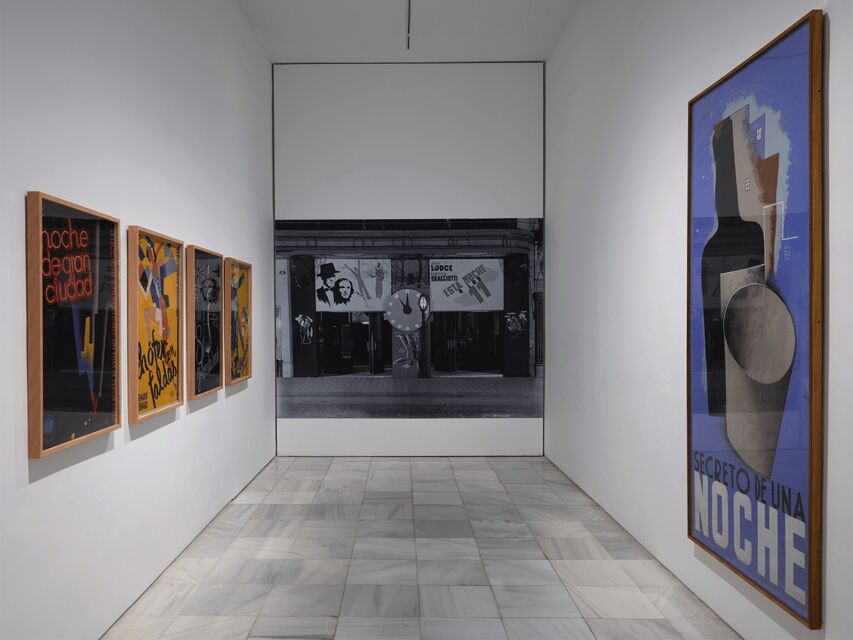
Your ticket isn’t only about galleries inside the main museum building. It also ties into Reina Sofía’s other venues in Parque de El Retiro: the Palacio de Cristal and the Palacio de Velázquez.
This is a nice contrast. The main museum is all about contemporary Spanish works inside a historic neoclassical structure. The Retiro spaces add a different mood—especially the Palacio de Cristal with its glass architecture and the historic Palacio de Velázquez. Temporary exhibitions and installations often show up here, so what you see may vary.
If you like variety in one day, this is your “change of pace” section. After spending time with heavy works and dense rooms, it’s refreshing to move into a space where art can feel lighter, framed by the park setting. Even if a temporary installation isn’t your usual taste, the change in atmosphere can reset your eyes.
Plan your day with these in mind so you don’t feel torn. If you try to do everything in one building only, you may run out of energy before the Retiro venues. If you build in time to step outside the main museum rhythm, your day feels more balanced.
Price and value: is $35 a fair deal?
At about $35 per person for entry plus an in-app audio guide and skip-the-line access, the value depends on how you plan to experience the museum.
If you want:
- flexible pacing (no group tour),
- the speed benefit of skip-the-line entry,
- and audio context in your language,
then the price can feel reasonable. You’re paying for convenience and for a self-guided enhancement.
Where value drops is when the audio guide doesn’t load properly, arrives too late, or feels less structured than the official option. If that happens, you may end up needing to buy the museum’s own audio anyway. That extra cost is the risk hidden inside the “included” part.
Still, there’s a practical silver lining: customer support has shown it can help and even refund audio that couldn’t be used in at least one case. So if everything clicks, you’ll feel like you got a smooth, efficient ticket. If it doesn’t, you’ll have to manage expectations and be ready to switch strategies.
So the real question isn’t only whether $35 is fair. It’s whether you’ll bring your own patience for phone + internet dependence.
Who this experience fits best (and who should be cautious)
This ticket style is best for you if you like independence. I think it suits museum-goers who want to linger where something hits, move quickly past what doesn’t, and avoid the energy drain of staying with a group.
It also works well if you enjoy Spanish 20th-century art and want to center the day on major figures like Picasso, Dalí, and Miró. The mix of main collection plus Retiro venues can make a full day feel varied without adding another tour format.
Be cautious if:
- you expect the audio guide to work as a perfect, detailed substitute for an official guide,
- you rely on cell data and might not get stable internet at the museum,
- or you hate last-minute tech worries.
One more caution: some visitors reported an unclear address or meeting-point details, which caused ticket problems. You’ll reduce stress by treating your email instructions as your primary source and arriving with plenty of time to confirm the right entrance.
If you’re comfortable navigating on your feet and treating audio as helpful but not essential, you’ll likely enjoy your day.
Should you book this Reina Sofía ticket with in-app audio?
Book it if you want a self-paced modern-art day with the convenience of skip-the-line entry and a multilingual audio option you can use when it’s working. It’s a strong choice for people who value freedom over rigid structure, and for anyone who specifically wants Picasso’s Guernica as the emotional centerpiece.
Skip it or upgrade your plan if you know you’ll be unhappy with a phone-based audio guide that depends on internet, especially if you prefer highly structured commentary. In that case, you may want to make sure you have a backup audio plan ready, because the included guide is not the museum’s official one.
My bottom line: this is good value when you’re prepared. When tech is smooth and you use audio as support rather than your only roadmap, the museum can feel powerful, personal, and worth every minute you spend in front of the art.
FAQ
What’s included with the Reina Sofía ticket?
Entry tickets to the Museo Nacional Centro de Arte Reina Sofía, a digital in-app audio guide in multiple languages, and skip-the-line access through a separate entrance.
Do I get headphones included?
No. Headphones are not included, so you should bring your own.
Does the audio guide require an internet connection?
Yes. An internet connection is required to access the audio content.
Is the in-app audio guide the museum’s official one?
No. The audio guide provided is not the museum’s official guide, but an extra resource to enhance your visit.
Where do I find my tickets before I go?
You receive your entry tickets by email, and you should check your email in advance.
How long is the ticket valid?
Your access is valid for 1 day.
What languages are available for the audio guide?
The in-app audio guide is available in Spanish, English, French, and Italian.
Can I visit other Reina Sofía venues in Retiro with this ticket?
Yes. In addition to the main museum, the ticket information notes two other venues in Parque de El Retiro: Palacio de Cristal and Palacio de Velázquez.
Is this experience wheelchair accessible?
Yes, it is wheelchair accessible.