REVIEW · MADRID
Madrid Tapas, Traditions & History Tour
Book on Viator →Operated by Spain Food Sherpas · Bookable on Viator
This tour turns tapas into a timeline. I love the small-group vibe (max 10) and how the guide layers in how ham is cured and what it means in Spanish food culture. One thing to plan for: you’re on your feet for a few hours, and it runs in all weather.
I also like the way the evening mixes famous landmarks with real eating stops, not just a photo walk. You’ll sample a spread that can include local cheese, wine, chocolate, hot sauces, and several bites centered on Iberian ham, then finish with traditional tapas in a proper restaurant.
If you want a totally sit-down, slow-paced meal tour, this may feel a bit more like a walk-and-sip night. But if you enjoy moving through the city while someone explains the food, it’s a strong match.
In This Review
- Key highlights I’d plan around
- Why this Madrid tapas night feels more meaningful
- Seven stops, one evening: how the tasting really works
- Teatro Real and Plaza de Isabel II: start strong and get oriented fast
- The Royal Palace area: where power meets your first real flavors
- Madrid’s Cathedral stop: understanding cured ham and why it tastes like it does
- Plaza Mayor in the mix: the walk connects your food to the city
- The final tapas restaurant: traditional plates, not just samples
- Drinks on this tour: vermouth is the star, and that’s the point
- Pricing and value for a $112, small-group night
- Who should book this Madrid tapas tour (and who should skip it)
- Vegetarian and dietary needs: what to do before you go
- A quick reality check on logistics (so your night stays smooth)
- Should you book Madrid Tapas, Traditions & History?
- FAQ
- How long is the Madrid Tapas, Traditions & History Tour?
- What is the price of the tour?
- How many people are in the group?
- Where does the tour start and end?
- Is hotel pickup included?
- Do I need a printed ticket?
- Is a vegetarian option available?
- Can I request dietary requirements?
- What is the minimum drinking age?
- What is the cancellation policy?
Key highlights I’d plan around
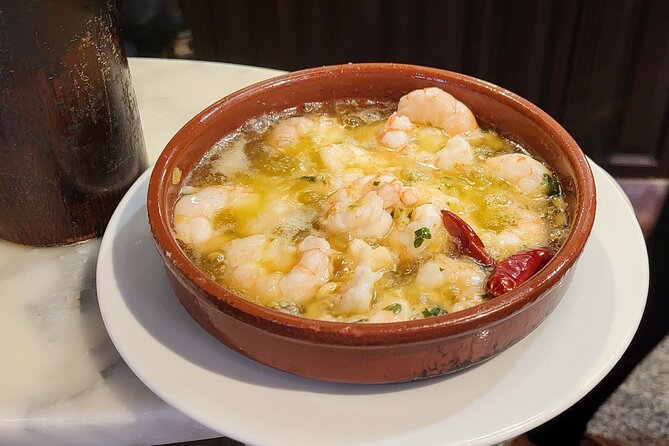
- Seven food stops with a drink included at each keeps the pacing fun and avoids the guesswork
- Ham curing lessons give you something to watch for the next time you’re ordering jamón
- Vermouth focus instead of sangria so you taste what locals tend to reach for
- Royal Palace and Plaza Mayor history walks connect the bites to the city’s story
- Max 10 travelers means you’re more likely to talk with the guide and the staff
- Vegetarian option available if you ask ahead of time
Why this Madrid tapas night feels more meaningful
Most tapas tours do one thing well: they get you to a bunch of restaurants quickly. This one adds a second skill—food history, tied to what you’re actually eating. You don’t just taste cured ham and move on. You learn what curing does, why the flavor develops the way it does, and how this fits into everyday Spanish life.
I also like the “learning through eating” rhythm. The guide tells stories between stops, so you’re not only relying on the food to be interesting. One review praised Laura for bringing more than food talk, with a guide style that felt polished and personal. That’s exactly what you want when you’re spending the evening with a small group.
The other big win is the pace. You get seven food stops spread across roughly 3 hours 30 minutes, which is long enough to feel like a night out, not a quick hit. And because you’re eating multiple items—cheese, wine, ham, sometimes chocolate and hot sauces—you can build a real picture of Spanish flavors instead of chasing one signature dish.
You can also read our reviews of more tours and experiences in Madrid.

Seven stops, one evening: how the tasting really works
The tour is designed like a chain: you walk between landmark points, then you stop to taste at multiple places until you reach the final tapas restaurant. The structure matters, because it keeps you from getting overwhelmed by too many flavors all at once.
Here’s what you can expect as the night moves along:
- Food variety built into the route: you’ll sample items that can include local cheese, Iberian ham, chocolate, wine, and hot sauces
- One drink at each stop: you’ll get a drink tied to the local scene, with beer and soft drinks available if you prefer to skip alcohol
- Guided context between tastings: short history walks connect the sites you pass with the food you’re tasting
One detail I appreciate is the way the drinks are handled. You’re not left to figure out what to order in each place. The guide helps you understand why a drink matters, like the explanation about why locals often don’t choose sangria for an everyday tipple, and instead go for vermouth.
Teatro Real and Plaza de Isabel II: start strong and get oriented fast
You meet at Teatro Real, Plaza de Isabel II (Centro), and you start in the heart of Madrid. This location is smart for a food tour because it puts you close to the classic city core right away, so the first walking minutes don’t feel like a commute.
Plaza de Isabel II also sets the tone visually. This is where royal-era Madrid energy meets the everyday flow of pedestrians. Expect the guide to use this moment to frame the night: where you are, why this part of the city matters, and how the food stories connect to the broader culture.
The possible drawback here is also practical: central plazas can be loud and busy. You’ll want to stay close to your guide so you catch the key history beats while you’re still settling in.
The Royal Palace area: where power meets your first real flavors
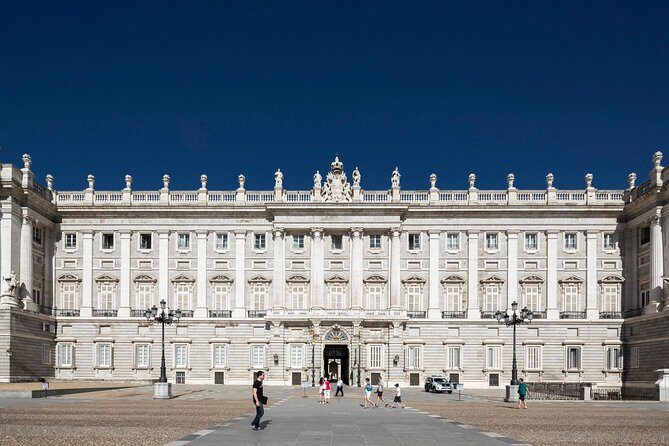
After the opening plaza, you move toward the Royal Palace of Madrid and the nearby points tied to the royal story. This part works well because it’s both walkable and visually dramatic, and the guide can connect that setting to how Spain’s food traditions developed.
This is where you’ll likely notice the tour’s “education plus tasting” approach. The guide doesn’t treat food history like a lecture. You taste, then you learn why the flavor is the way it is. That’s especially useful for ham, since curing is the foundation for the final taste you’re about to experience.
You’ll also pick up the big theme of the night: Spanish food traditions aren’t random. They’re shaped by time, technique, and local identity. In one review, the guide Laura was praised for having strong relationships with the owners, which helped the group feel genuinely welcomed. That fits what you want in this kind of stop—no awkwardness, no feeling like you’re being herded.
Madrid’s Cathedral stop: understanding cured ham and why it tastes like it does
The route includes Madrid’s Cathedral as another landmark stop. Even if you’re not focused on architecture, this pause is useful. It gives you a change of scene so the evening doesn’t blur into one long movement between tasting counters.
This is also where the ham story can really click. When you learn how ham is cured, you start tasting with more attention. Instead of seeing ham as just a salty slice, you begin noticing the balance—how the cure influences texture, aroma, and flavor depth.
The value here is that curing isn’t just a background fact. It affects how you’ll order later. You might find yourself more confident asking what you’re tasting, or comparing styles the next time jamón comes out on a menu.
Practical note: cathedral-area streets can be busy, and the group will likely gather together at points. If you’re someone who hates crowds, stay flexible for these segments and keep a steady pace.






Plaza Mayor in the mix: the walk connects your food to the city
Between food stops, the tour includes history walks that highlight key landmarks like the Royal Palace area and Plaza Mayor. I like this because it makes the evening feel like a story with chapters, not random restaurant hopping.
Plaza Mayor is a well-known square, but on a guided food night it does a different job. It becomes the place where the guide can explain how food, markets, and social life connect in Madrid. You’re moving through real spaces where people historically gathered, then you’re tasting foods shaped by those same social rhythms.
This also helps with pacing. After a few tastings, you need a short walking break. The landmark walk works like a reset button—fresh air, a new visual, and a new batch of context.
The final tapas restaurant: traditional plates, not just samples
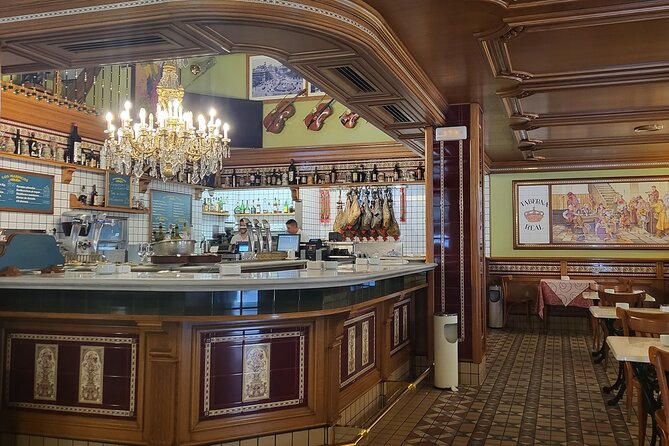
The evening ends with a move to a tapas restaurant where you savor small plates of traditional Spanish food. This is a great final note because it lets you settle in a bit more than the earlier tasting moments.
By the time you reach this last part, you’ve already learned the core food ideas of the night. So the final tapas don’t feel like an afterthought. You’re more likely to notice which flavors tie back to what the guide explained, like how cured ham fits into broader Spanish eating.
If you’re the type who likes to leave room for the last course, you’ll probably enjoy the flow. Still, be honest with yourself about appetite. Seven food stops add up. You’re not eating one bite here and there for show—you’re tasting enough to feel satisfied at the end.
Drinks on this tour: vermouth is the star, and that’s the point
Alcohol is part of the experience, but it’s handled in a controlled way. You get one drink at each stop, and beer and soft drinks are available if you want a non-alcohol choice.
The guide’s angle is clear: you’ll learn why locals often don’t go with sangria and instead lean into vermouth and other local wines. That isn’t just trivia. It helps you taste with context, like understanding why vermouth fits the Spanish bar culture and how it changes your perception of salty, cured foods.
Minimum drinking age is 18, so if you’re bringing youth under that age, plan for non-alcohol participation based on what’s allowed for your group. If you prefer to keep it simple, choose the soft drink or beer option and still enjoy the same food lessons.
One more practical tip: if you’re drinking at each stop, pace yourself. You’ll walk between places, and you want to stay present for the history talk.
Pricing and value for a $112, small-group night
At $112 for about 3 hours 30 minutes, you’re paying for more than food. You’re paying for:
- A small group size (max 10), which usually means better attention and smoother stops
- Multiple tasting moments, including items tied to classic Spanish flavors like ham and cheese
- A guide who connects food to tradition and history
- Drink service included as part of the stops
If you compare this to doing tapas on your own, you might spend less on paper. But DIY tapas doesn’t automatically include the lessons that help you order smarter and understand what you’re eating. With a guided format, you’re also less likely to land in a tourist trap, because the guide brings you to places selected for the experience.
The strong reviews also point to a key value driver: guides with real rapport at the taverns. One review specifically mentioned Laura’s close relationships with owners, which made the group feel treated royally. That kind of access can matter more than people expect on a food tour.
Who should book this Madrid tapas tour (and who should skip it)
This tour is best for you if you want a fun night out that also teaches you how to think about Spanish food. It suits people who like structure—seven tasting stops, guided walks, and an end restaurant—without it feeling like a strict itinerary.
You’ll probably enjoy it if:
- you like history stories tied to what you’re eating
- you want variety: ham, cheese, wine, and more
- you prefer a small group over big bus-tour energy
- you’re comfortable walking for several hours
You might want to consider another option if you’re looking for a totally relaxed sit-down meal with no walking. The tour asks for moderate physical fitness, and it runs in all weather.
It’s also not recommended for children aged 5 and under, which makes sense given the walking pace and the evening focus.
Vegetarian and dietary needs: what to do before you go
If you’re vegetarian or have dietary requirements, you need to plan ahead. A vegetarian option is available, but you must advise at booking. The same goes for any specific dietary needs, since the tour operator needs time to coordinate what’s served at each stop.
That advance communication is worth it. Food tours can be tricky for special diets, especially when a menu includes cured meats and cross-contamination risk. By telling them what you need early, you give the team a chance to keep the experience inclusive rather than forcing you to skip half the tastings.
A quick reality check on logistics (so your night stays smooth)
There’s no hotel pickup, so you’ll want to arrive at the meeting point on time. The tour uses a mobile ticket, which is handy for quick entry and less hassle in busy areas.
The end point is Barrio de las Letras. That’s a nice neighborhood to walk around afterward if you still feel like continuing the night on your own.
Finally, the tour operates in all weather conditions. Bring what you’d normally bring for Madrid weather: a light layer for evenings, and something for rain if the forecast looks iffy.
Should you book Madrid Tapas, Traditions & History?
If you want a food tour that teaches as you eat, I’d book it. This is the kind of experience that helps you connect flavor to technique—especially with ham curing—and it uses landmark walking to keep the whole evening feeling like Madrid, not just a line of restaurants.
I’d be especially happy with this tour if you value a small group and a guide who can connect you with the people running the stops. Reviews praised guides like Laura for doing exactly that: showing strong local relationships and delivering more than basic food facts. That matters because it changes the vibe from transaction to welcome.
Book it if you’re okay with moderate walking and standing, and if you’ll be comfortable tasting multiple items (plus one drink per stop). Pass if you want minimal walking or you’re not into food-history stories.
FAQ
How long is the Madrid Tapas, Traditions & History Tour?
It lasts about 3 hours 30 minutes.
What is the price of the tour?
The price is $112.
How many people are in the group?
The tour has a maximum of 10 travelers.
Where does the tour start and end?
It starts at Teatro Real, Pl. de Isabel II, s/n, Centro, 28013 Madrid, Spain, and ends in Barrio de las Letras, Centro, Madrid.
Is hotel pickup included?
No, hotel pickup is not included.
Do I need a printed ticket?
No. The tour uses a mobile ticket.
Is a vegetarian option available?
Yes, a vegetarian option is available. You should advise at booking.
Can I request dietary requirements?
Yes. You should advise any specific dietary requirements at time of booking.
What is the minimum drinking age?
The minimum drinking age is 18.
What is the cancellation policy?
You can cancel for free up to 24 hours in advance for a full refund. If you cancel less than 24 hours before the start time, the amount you paid is not refunded.