REVIEW · MADRID
Madrid: Thyssen-Bornemisza Museum Guided Tour & Entry Ticket
Book on GetYourGuide →Operated by DE PASEO · Bookable on GetYourGuide
Walking into the Thyssen is like stepping into a time machine. You get a small-group guided tour that moves fast enough to be useful, but slow enough to actually make sense of what you’re looking at. The museum’s focus is European painting from the Middle Ages to the late 20th century, and the guide helps you connect styles, artists, and ideas instead of just naming paintings.
I especially like two things here. First, you get a tight highlight plan that includes show-stoppers such as Degas’ Swaying Dancer and Pablo Picasso’s Guernica, plus key explanations of surrealism through Dalí. Second, the guides can teach without talking down—people even describe this as like an art course you didn’t know you needed, which is great if you’re visiting with teens or anyone who gets bored in galleries.
One consideration: with only 1.5 hours, you’re not meant to see everything on your own at leisure. Think of this as a guided “best-of the story” route, not a slow museum marathon.
In This Review
- Key things that make this tour worth your time
- Thyssen-Bornemisza in 90 minutes: what you’re really buying
- A chronological walk through European painting (without the museum fatigue)
- The headline works: Degas, Dalí, and Guernica
- Why the Thyssen fits perfectly into Madrid’s Art Triangle
- Group size and language: how the tour stays comfortable
- The meeting point and the white umbrella detail that saves time
- Ticket value: skip-the-line entry + a trained art guide
- How the guide style shows up in the museum (and why it matters)
- What to expect inside: pacing, focus, and what you might miss
- Practical tips so your 90 minutes go smoothly
- Who should book this tour
- Should you book the Thyssen-Bornemisza guided tour?
- FAQ
- How long is the Thyssen-Bornemisza guided tour?
- What’s the group size like?
- Does the price include museum entry?
- Can I choose English or Spanish?
- Is there a way to avoid waiting in line for tickets?
- Where do I meet the guide?
- Is the museum tour wheelchair accessible?
- What’s the recommended arrival time?
- What do I need to show for check-in?
- Are food and drinks allowed during the visit?
Key things that make this tour worth your time
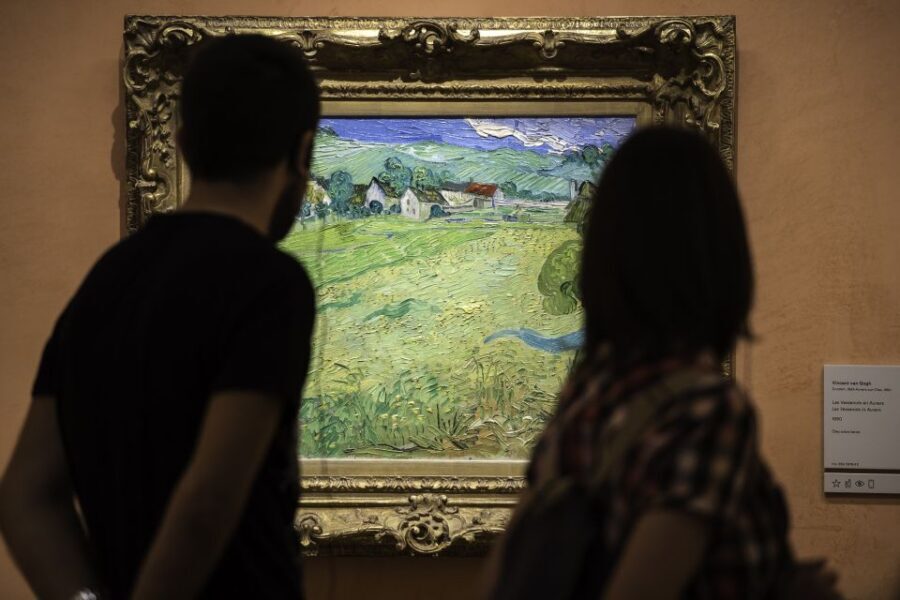
- Semi-private group size (up to 7) for less crowd stress and more room for questions
- Skip-the-line entry included, so you lose less time outside the museum doors
- One language per tour (Spanish or English) so the pacing stays clean
- Big artwork sequence: Degas, Dalí’s surrealism, and Picasso’s Guernica
- Official live guide with a focused plan rather than random wandering
Thyssen-Bornemisza in 90 minutes: what you’re really buying
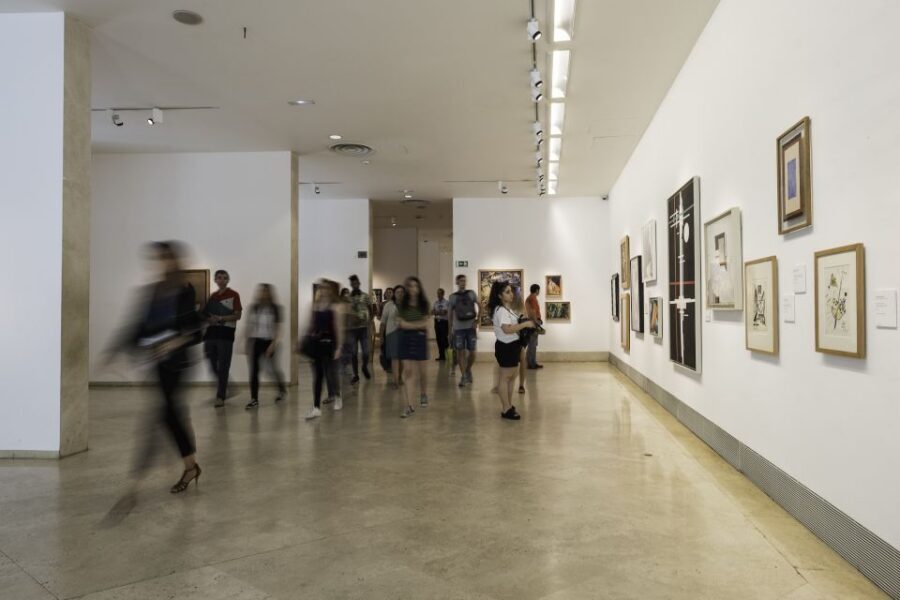
This tour is built for travelers who want results, not a pile of dates. In about 1.5 hours, you’ll get a clear walkthrough of major movements in European painting—from medieval roots through Renaissance, Impressionism and post-Impressionism, and into the 20th century avant-garde.
What makes it valuable is the structure. Instead of letting you float room to room, the guide steers you toward the most meaningful pieces and explains what to look for in each style. That’s the difference between seeing a painting and understanding why it mattered.
The museum itself is famous for having a broad sweep, with close to a thousand works spanning roughly the 13th to the 20th centuries. The tour gives you the “thread” that ties that range together, so you’re not overwhelmed by the sheer number of paintings.
You can also read our reviews of more tours and experiences in Madrid


A chronological walk through European painting (without the museum fatigue)
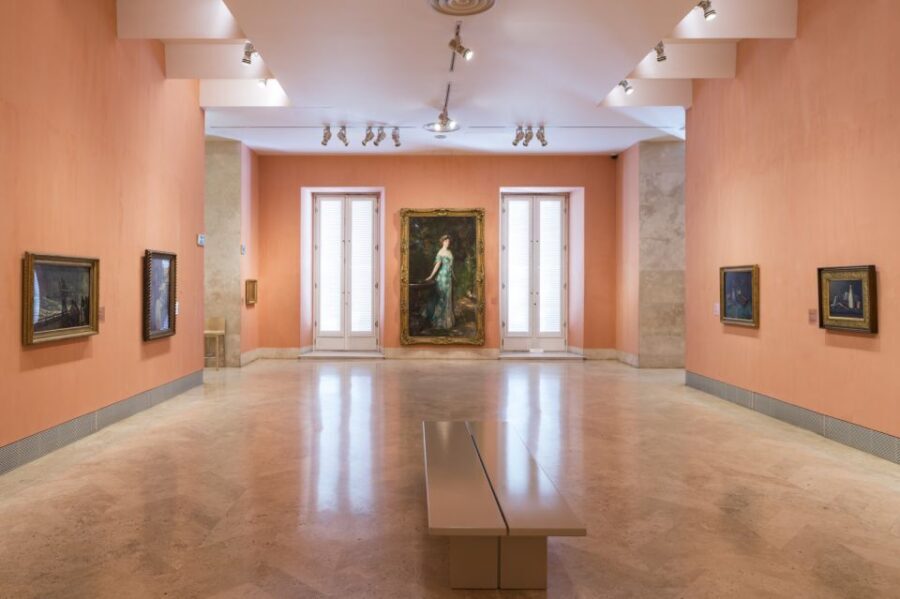
The Thyssen-Bornemisza is known for bringing together artists and schools that many visitors would otherwise see scattered across multiple trips. The collection includes major names like Titian, Rubens, Rembrandt, Caravaggio, Manet, Renoir, Van Gogh, Gauguin, Kandinsky, Hopper, and of course Picasso and Dalí.
Here’s what that means for you on the ground: you can start with older European traditions and gradually get comfortable with the visual language of each era. The guide’s job is to translate big art ideas into normal human words—how perspective shifts, how brushwork changes, why surrealism suddenly looks like a dream with rules.
And because the group stays small, you don’t feel like you’re being dragged through a sprint. Many tours can feel like a conga line. This one is set up so your eyes and brain can keep up.
The headline works: Degas, Dalí, and Guernica
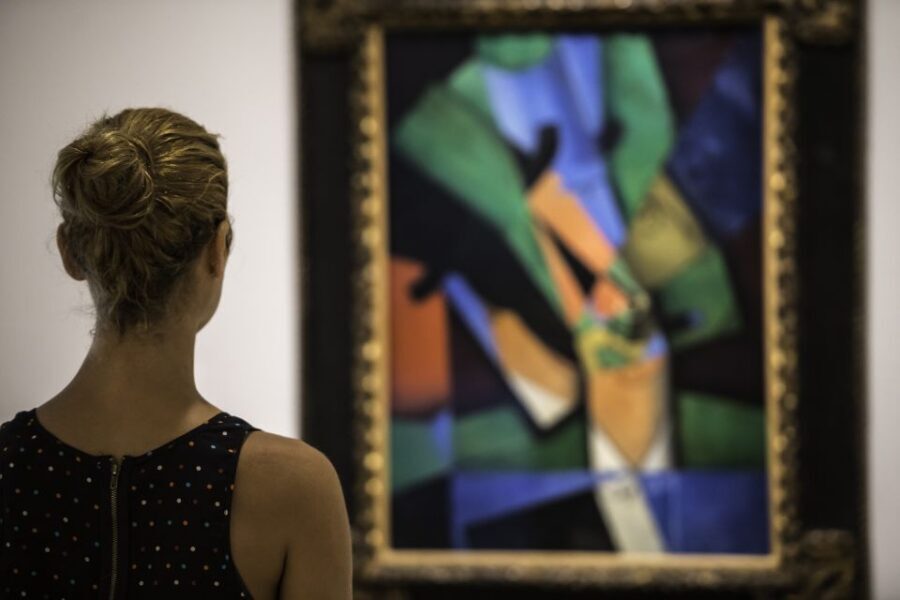
This is one of the reasons the tour gets strong reviews and repeat recommendations: it centers on paintings that act like milestones.
Degas’ Swaying Dancer is the kind of work that clicks quickly. You don’t need a PhD to appreciate the motion, the pose, and the way the scene feels alive. The guide helps you notice what’s happening underneath the surface, like how composition and timing create the feeling of movement.
Then you hit surrealism, with Dalí as the anchor. If you’ve ever wondered why surrealism looks both playful and unsettling, this tour’s focus on surrealism details is exactly the right place to start. You’ll learn how the movement connects to dream logic, symbolism, and the shock of combining realism with impossible ideas.
Finally, there’s Pablo Picasso’s Guernica—big emotionally, even before you study it formally. You’ll get the context and significance that make it more than a famous image. The guide approach helps you look carefully at the chaos in the work: the way forms fracture, the way the scene communicates without polite explanations.
Even if you’re not a “modern art person,” starting from these anchor points can make the later parts of the collection feel more navigable.
Why the Thyssen fits perfectly into Madrid’s Art Triangle
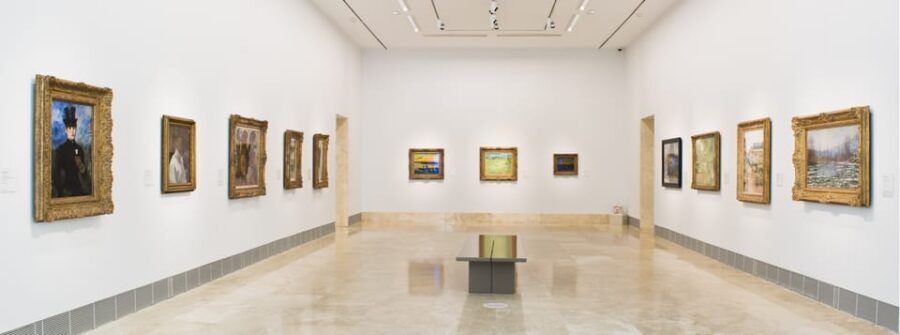
Madrid’s art scene isn’t just about one museum. The Thyssen-Bornemisza, together with the Prado and Reina Sofía, forms the so-called Triangle of Art along Paseo del Prado. The Thyssen opened in 1992, and that joining of collections is part of why this area has UNESCO World Heritage recognition tied to Spain’s major pictorial heritage.
So how does this tour help you in the real world?
If you’re doing the big trio, the Thyssen guided tour is a smart way to connect the dots. The Prado often feels deeper in earlier European masters. Reina Sofía pushes you toward 20th-century modern art. The Thyssen sits in the middle with a wide chronological sweep that can help you understand what bridges the other two.
This tour isn’t meant to replace those bigger visits. It’s meant to make them easier to interpret. When you later see art you already got “trained” to recognize—style, mood, and technique—it feels less like homework and more like discovery.
Group size and language: how the tour stays comfortable
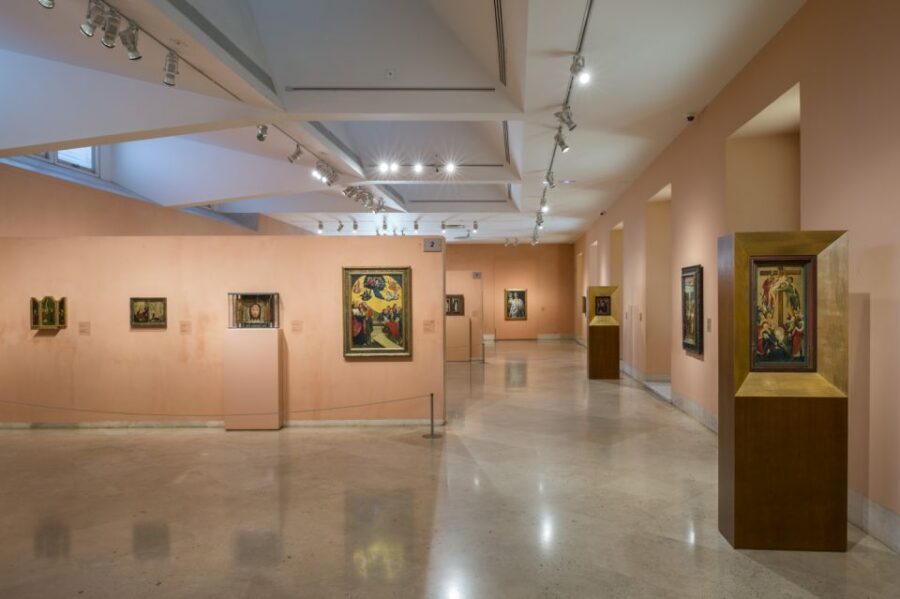
This is a single language visit with live guidance in Spanish or English. You also get a semi-private setup with up to 7 people, which matters more than you might think.
Small group size means you’re less likely to lose the guide. It also means you can hear explanations without straining. And it usually makes the pace gentler, especially when you want to stop and look again.
The tour includes a bilingual guide as part of the offering, but your actual experience is delivered in the language you choose. That’s a practical detail: clarity matters when you’re trying to learn how to look at paintings.
You can also read our reviews of more guided tours in Madrid





The meeting point and the white umbrella detail that saves time
You’ll meet at the Thyssen-Bornemisza Museum, main access on Paseo del Prado, 8. The guide carries a white umbrella, which makes the start easier to spot, especially if you arrive a few minutes early and the museum front is busy.
Plan to arrive 15 minutes before the departure time. You’ll need your ticket either printed or on your mobile. The tour is designed so you start promptly and move through the museum efficiently, and being on time helps everyone.
Also note: the tour ends back at the meeting point, so you’re not stranded across town afterward.
Ticket value: skip-the-line entry + a trained art guide
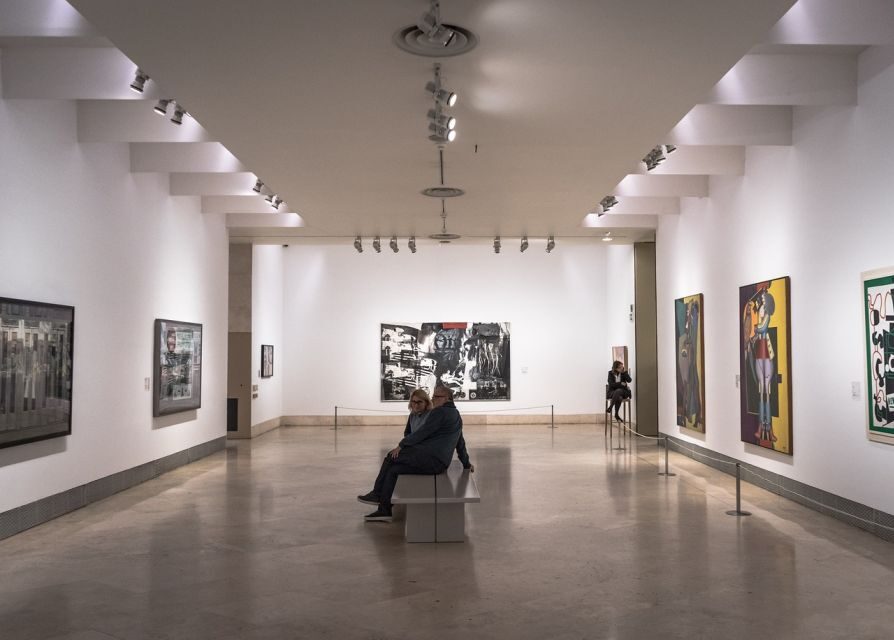
For many museum visits, the biggest frustration is wasted time at the door. This experience includes Thyssen-Bornemisza entry ticket and skip-the-ticket-line, which is a clear value boost if you’re trying to stay on schedule.
Then you add the thing you can’t self-teach in the same way: focused explanations delivered by an official guide. The tour highlights specific pieces—Degas, Dalí, Picasso—and links them to broader art movements like surrealism, abstraction, and expressionism. Without a guide, you can still enjoy the paintings, but you’ll likely spend a lot more time guessing what you’re supposed to notice.
At $74 per person for about 1.5 hours, it’s not a budget pick. But if you value understanding what you’re seeing, the price starts to make sense quickly. You’re paying for time efficiency and interpretation, not just entry.
How the guide style shows up in the museum (and why it matters)
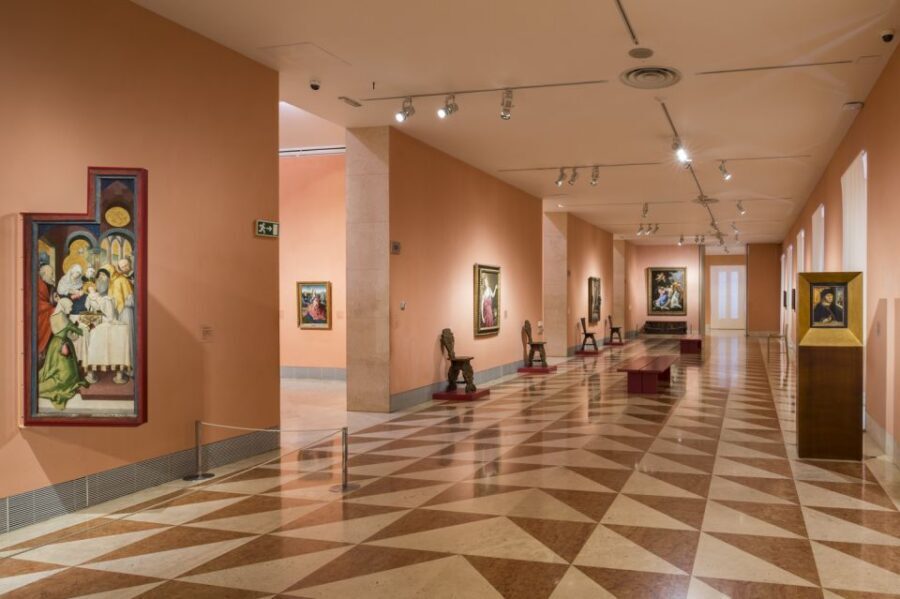
The most praised part of this tour is the guide delivery. People repeatedly describe the guides as engaging, entertaining, and able to explain art in a way that feels like an actual lesson, not a lecture.
Two guide names come up in the feedback: Ana Christina and Ana. That’s a helpful signal because it suggests you’re likely to get a guide who can handle the range of styles without losing the group. One theme in the reviews is that the guide adjusts for interest and comfort—so you don’t just get a script, you get a guided experience that keeps people paying attention.
If you’re visiting with someone who thinks museums are slow or boring, this format can help. The tour is short, focused, and geared toward making the big-picture story understandable fast. That’s not just nice; it’s practical when you have limited time in Madrid.
What to expect inside: pacing, focus, and what you might miss
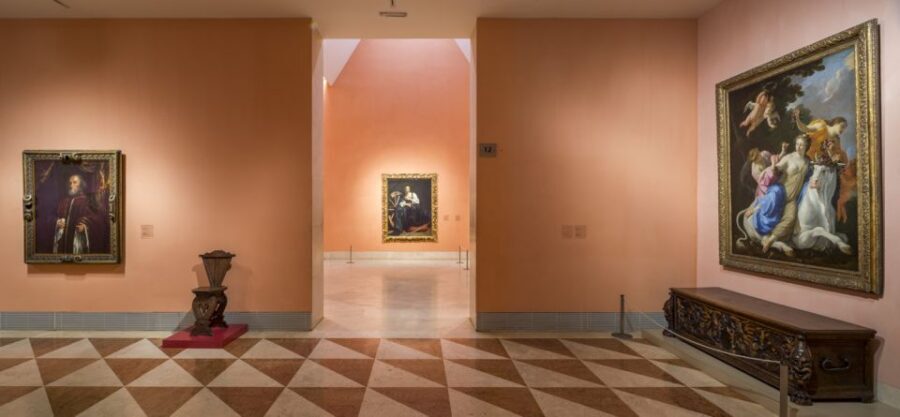
Because you’re guided through the museum highlights, your route is not meant to be exhaustive. That’s good news if you want clarity. It can be a letdown if you hoped to linger for long stretches in one room.
Here’s the trade-off I’d plan for: after the tour, you’ll probably want to return to the pieces that really grabbed you—maybe the ones the guide helped you understand, or maybe the ones you simply fell for on your own. That’s actually a strong strategy. Use the tour to build context, then use your free time to explore the paintings that stuck.
Also remember this is a single language experience, and the guide will likely tailor explanations to that group’s needs. If you’re the type who wants to ask lots of questions, small group size helps. If you prefer quiet viewing, you’ll still be able to spend time with each artwork, but you won’t have total silence the whole way.
Practical tips so your 90 minutes go smoothly
A few small choices make a big difference with a timed guided tour.
First, arrive on time and be ready to show your ticket. The tour asks you to bring a printed or mobile ticket, and there’s no room for wandering while you sort it out.
Second, wear shoes that work for museum walking. You’ll be moving between multiple artworks and styles, and the goal is to keep a consistent rhythm.
Third, follow the museum rules. Food and drinks aren’t allowed during this activity, and you won’t be feeding animals—so plan a snack before or after based on your schedule.
Finally, if you’re someone who loves modern painting, you’ll appreciate that this tour doesn’t stop at older art. It continues into 20th-century movements like surrealism and abstraction, and it gives you a reason to care about why those styles look the way they do.
Who should book this tour
This is a strong fit if:
- You want a focused introduction to the Thyssen collection in a short amount of time
- You like art that has big, recognizable landmarks like Guernica
- You’re visiting with teens or anyone who needs help making sense of museums
- You want a small-group experience instead of getting swept up in a crowd
It may be less ideal if:
- You want to spend hours in one wing without a plan
- You already know the collection deeply and want a self-directed route
- You prefer reading walls and plaques at your own speed, with zero guidance
Should you book the Thyssen-Bornemisza guided tour?
If you have limited time in Madrid, I’d book it. The main reason is simple: you’re not just buying entry, you’re buying a translator between you and the art. In 90 minutes, you can get the big picture from medieval to 20th century, and you’ll do it with a semi-private group and a guide who’s practiced at making paintings click.
If you’re already planning a full day of museum hopping, this tour is a smart anchor. It gives you interpretive tools you can carry into Prado or Reina Sofía later. And if you want to understand surrealism and the meaning behind Guernica without turning the visit into homework, this format is exactly the right pace.
FAQ
How long is the Thyssen-Bornemisza guided tour?
The tour duration is 1.5 hours.
What’s the group size like?
It’s a semi-private visit with small groups of up to 7 people.
Does the price include museum entry?
Yes. Your Thyssen-Bornemisza Museum entry ticket is included.
Can I choose English or Spanish?
Yes. The live tour guide is available in Spanish and English, and it’s a single language visit.
Is there a way to avoid waiting in line for tickets?
Yes. The experience includes skip the ticket line.
Where do I meet the guide?
Meet at the Thyssen-Bornemisza Museum, main access, at Paseo del Prado, 8. The guide carries a white umbrella.
Is the museum tour wheelchair accessible?
Yes. The activity is wheelchair accessible.
What’s the recommended arrival time?
Please arrive 15 minutes before the departure time.
What do I need to show for check-in?
You must show up with the printed ticket or the mobile ticket.
Are food and drinks allowed during the visit?
No. Food and drinks are not allowed.