REVIEW · MADRID
From Madrid: Escorial Monastery & Valley of the Fallen Trip
Book on GetYourGuide →Operated by Julia Travel Gray Line Spain · Bookable on GetYourGuide
Madrid does two big monuments well. This trip gives you a fast, focused look at UNESCO El Escorial and the Valley of the Fallen—including the unforgettable 152-meter cross. It’s a good way to see both the political power of Spain’s monarchy and the solemn scale of a major 20th-century memorial, all in one half day.
I especially like the balance of sights and time. You get a guided walk through the Royal Monastery of El Escorial (with the Habsburg Palace highlights and key rooms), then you switch gears to the Valley of the Fallen and its underground basilica experience. And the ride is practical: a comfortable, air-conditioned coach plus a radio guide system so you can actually follow along without craning your neck.
One drawback to plan around: it’s not a slow, linger-at-every-corner day. Expect walking and stairs (and the Valley visit has limits), so if you have mobility issues, this may not be your best match.
In This Review
- Key Things You Should Know Before You Go
- Royal Monastery of El Escorial: Renaissance Symmetry and Habsburg Power
- Inside the Monastery: Chapter House, Basilica, and the Library Stop That Changes the Mood
- Kings and Princes Mausoleum: Where the Scale Feels Personal
- The Coach Ride Between Two Worlds: How the Timing Really Works
- Valley of the Fallen: The Underground Basilica and the 152-Meter Cross
- Group Size and Guide Quality: Why It Feels Better Than a Rushed Checklist
- Price and Value: What $78 Buys You in Real Terms
- Who Should Book This Tour (and Who Should Skip It)
- Should You Book the Escorial & Valley of the Fallen Trip?
- FAQ
- How long is the Escorial Monastery & Valley of the Fallen trip?
- What’s included in the price?
- Where do I meet the group in Madrid?
- Is hotel pickup available?
- What languages is the tour offered in?
- Is there walking during the tour?
- Is the tour wheelchair accessible?
- Will the guide explain things inside the Valley basilica?
- Are photos allowed inside the monuments?
- Can I cancel for a full refund?
Key Things You Should Know Before You Go
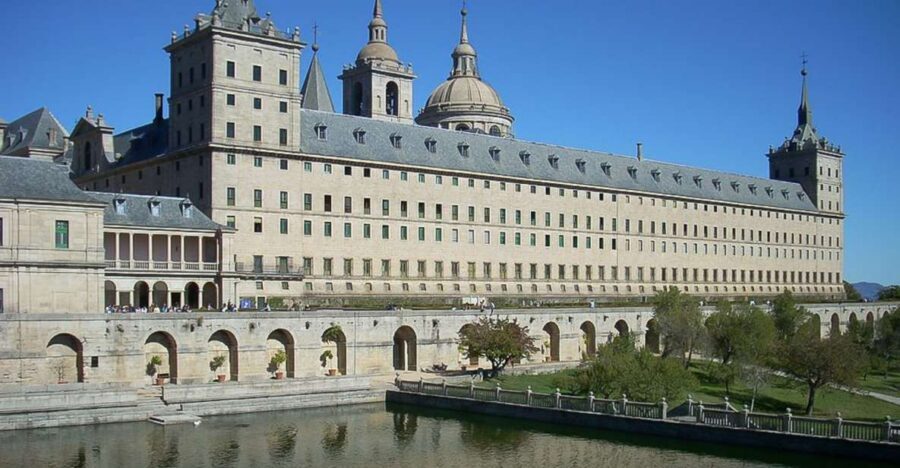
- Royal Monastery + Habsburg Palace highlights in a guided loop that hits the major rooms without turning it into a scavenger hunt
- Kings and Princes Mausoleum stop is part of the “this is monarchy at full volume” feeling
- Valley of the Fallen is an underground church—the basilica visit is on your own, with explanations handled outside
- World’s largest cross (152 meters) dominates the skyline, but weather can affect how clearly you see it
- Up to 30 travelers per guide helps keep the day from feeling chaotic
- Photography rules can be strict at these monuments, so plan your memory, not your camera roll
Royal Monastery of El Escorial: Renaissance Symmetry and Habsburg Power
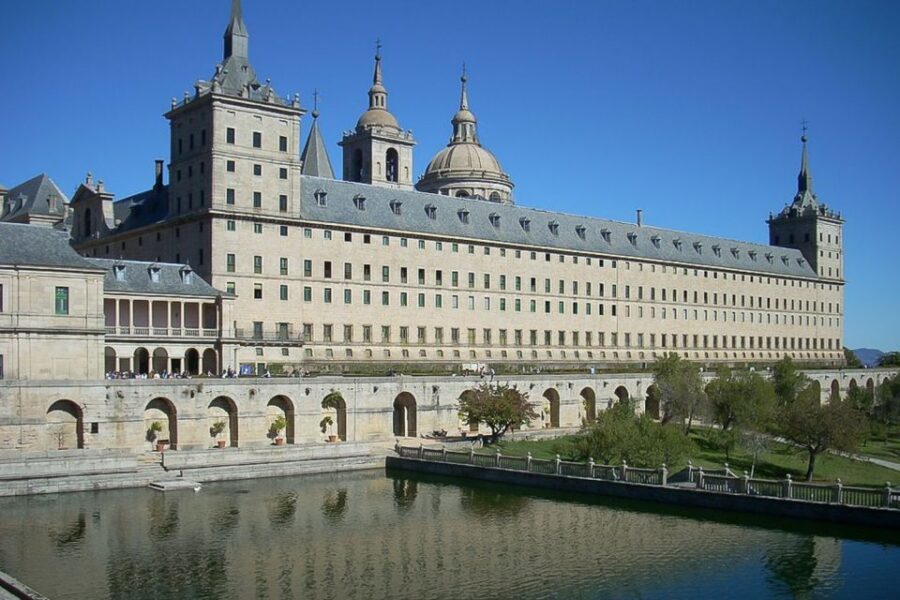
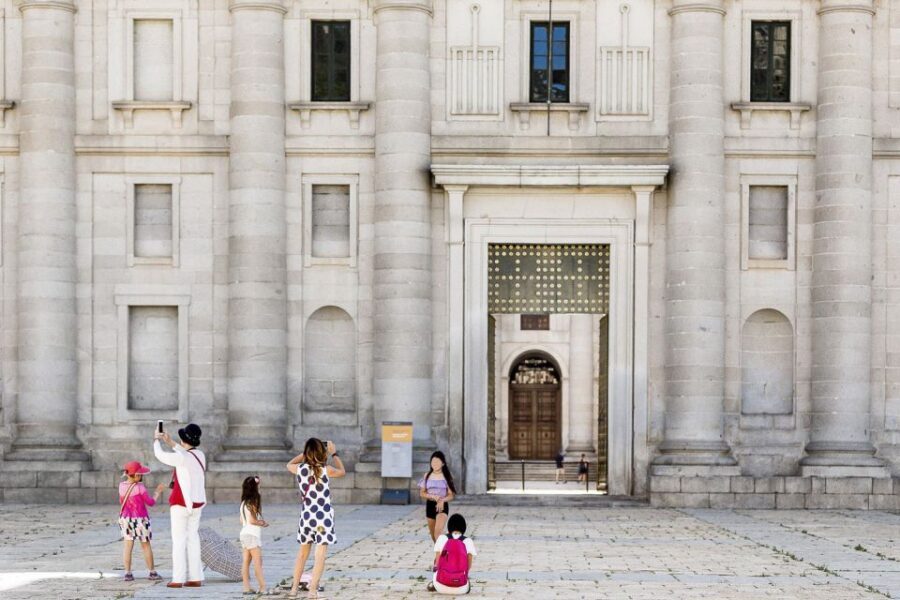
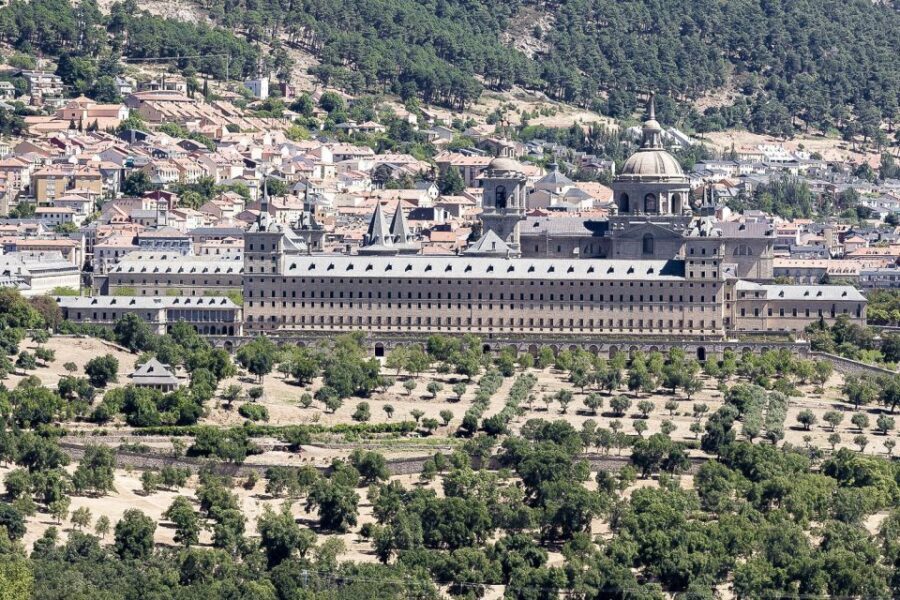
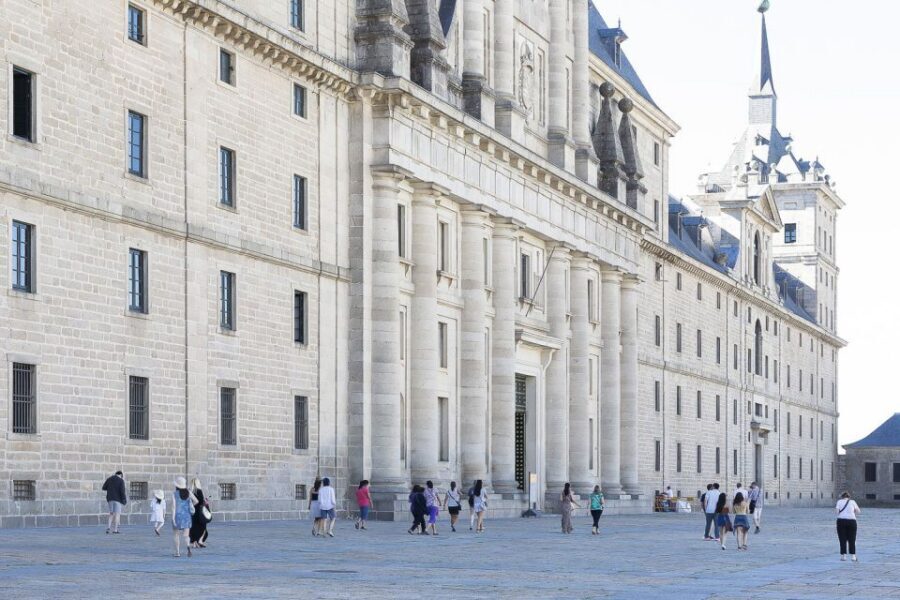
El Escorial is one of those places where the building itself feels like an argument. Everything about it—its scale, its order, its Renaissance-style symmetry—pushes home the idea of a state that wanted to look permanent and in control.
The tour time here is built around the core highlights. You’ll tour the Royal Monastery of El Escorial with a local official guide, then move through the areas that connect the complex’s religious and royal roles. The big win is that you’re not wandering alone trying to figure out what you’re looking at. Instead, the guide points you toward the parts that communicate the story quickly: palace, ceremonial spaces, and major institutional rooms.
What you’ll likely appreciate most is the way the Monastery leads into the monarchy section. You’re shown the Habsburg Palace, which makes the whole trip feel less like sightseeing and more like understanding how rulers wanted to stage authority. Even if you’re not a deep Spain-history person, the “why this matters” comes through in plain language when the guide walks you through what each space was designed to do.
If you’re the type who wants every side hallway and every garden corner, you should know this is an overview-style visit. One visitor pointed out they wished they had more time for outside areas and the broader grounds. So think of El Escorial here as highlights with context, not a full independent-day deep exploration.
You can also read our reviews of more tours and experiences in Madrid.


Inside the Monastery: Chapter House, Basilica, and the Library Stop That Changes the Mood
The guided route doesn’t just list rooms—it changes your perspective as you move. After the palace focus, the itinerary typically shifts into religious and institutional spaces: the Chapter House, the Basilica, and the remarkable library are part of what the guide covers.
Here’s the practical value: it prevents the “monuments blur together” problem. With a tight timeline, you might otherwise remember only the biggest rooms. But when you hit the Chapter House and then the Basilica, the complex starts to feel like a system—monarchy, church, and learning all operating in the same physical world.
Also, the guide uses a radio system, which matters more than you’d think. In large stone complexes, you lose audio fast. This setup helps you catch details without constantly repositioning yourself or giving up and just looking.
A small note on expectations: this day is designed around guided highlights. If you’re a photo-first traveler, keep in mind that some rules can limit photography in both sites. Better plan for getting the feeling more than building a “perfect shot” album.
Kings and Princes Mausoleum: Where the Scale Feels Personal
A major emotional part of this tour is the mausoleum stop. You’ll see the resting place connected to the monarchy—Kings and Princes Mausoleum—and the trip framing makes it clear that this isn’t just royal architecture. It’s about memory, lineage, and the long reach of power.
Even if you’re not a mausoleum person, this is where the tour can feel less like “tour bus sightseeing” and more like a pause. The spaces are designed for solemnity, and the story tied to royal remains lands differently than a palace ballroom.
One key consideration: the Valley and crypt-style areas can involve a lot of stairs. For El Escorial’s related areas, you should still plan with comfort and movement in mind. Bring comfortable shoes and assume you’ll be on your feet for most of the day. The walking is part of how you experience these places—there’s no magic way around it.
The Coach Ride Between Two Worlds: How the Timing Really Works
The day is paced like this: you leave Madrid by air-conditioned coach, travel time happens up front, then you get your guided El Escorial visit, switch buses, tour the Valley, and return to central Madrid.
This matters because it keeps the monuments from competing for your attention in a bad way. You don’t have to decide which one deserves a full day. You can treat El Escorial as your architecture-and-monarchy anchor, then treat the Valley as your memorial-and-scale moment.
The tour is about 5 to 5.5 hours total. That’s short enough to avoid burnout, but long enough that you actually get guided context at both sites. It’s also why this trip tends to be a great value: you’re buying the guide’s explanations, not just transportation.
For meeting, you check in at the local partner office at C/ San Nicolás 15 (next to Plaza de Ramales) about 15 minutes before departure. If you choose optional pickup, it’s available from your hotel or apartment in Madrid, but you need to provide the details at booking so the pickup works smoothly.
One comfort note from past experiences: the bus is often described as clean and comfortable, which helps when you’re sitting after a morning in Madrid traffic.
Valley of the Fallen: The Underground Basilica and the 152-Meter Cross
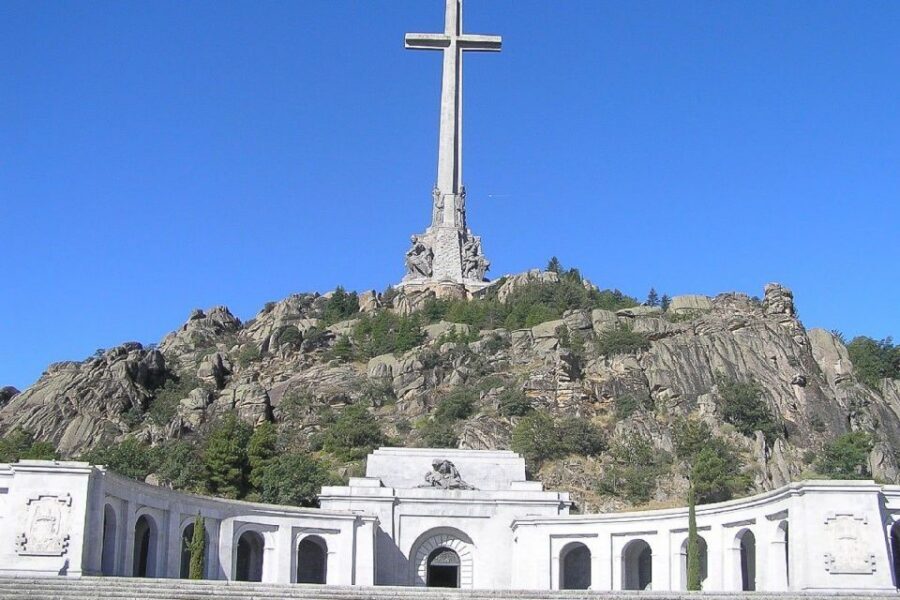
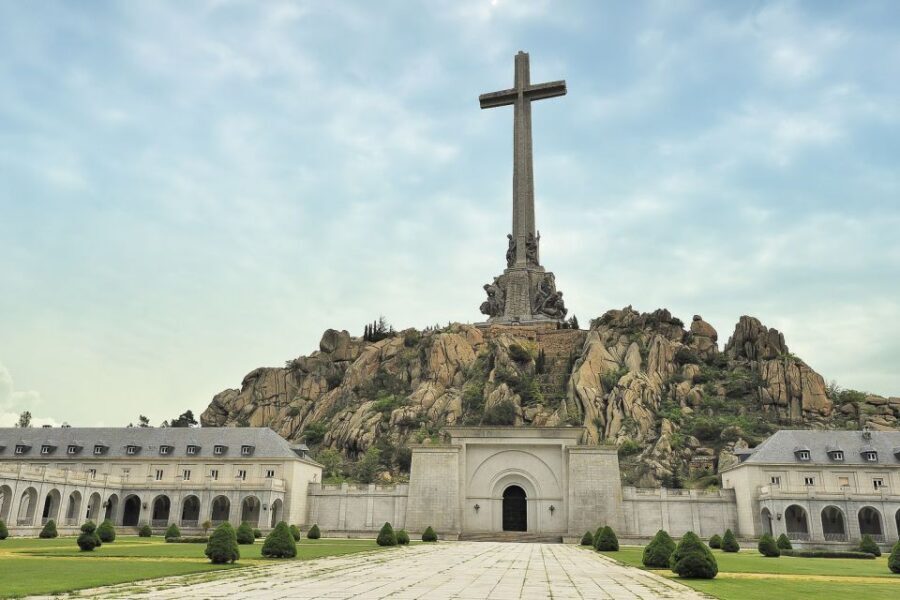
Now for the part that makes people stop talking. The Valley of the Fallen is approached visually before you ever reach it. The huge cross rises above the site—152 meters—and it’s one of those landmarks that feels almost unreal.
If weather turns ugly, you might feel it. One visitor described a foggy day where the crucifix was covered, and that changed the impact. So if you have choice, aim for decent visibility when you can. Even then, the Valley still hits because the site’s scale is physical, not only visual.
Here’s a big difference between this stop and El Escorial: the basilica experience is underground, and the tour rules affect how you get the story. The guide will not be able to give explanations inside the basilica. All the explanation happens outside, and then your basilica visit is essentially on your own.
That’s not necessarily bad—it can be a good design choice. You get the background first, then you get a quieter, less scripted interior moment. Just don’t count on live narration inside.
The itinerary also keeps things moving, which is normal for a half-day format. One drawback that comes up is that time can feel tight for the Valley part. If you know you’ll want extra minutes to sit, look at details, and take it in slowly, you may wish the Valley visit ran longer than it does on this combo tour.





Group Size and Guide Quality: Why It Feels Better Than a Rushed Checklist
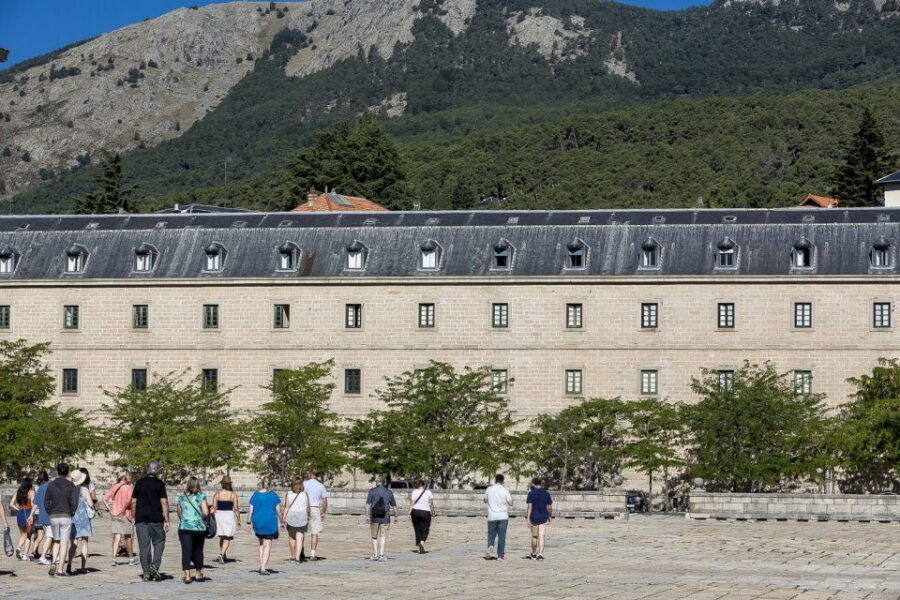
This tour caps at 30 travelers per guide, which is a sweet spot for a day like this. You can hear instructions, the guide can manage pacing, and you’re not trapped in the kind of big-group chaos where nobody knows where to stand.
Guide quality is also a standout theme. Names that came up with strong praise include Jorge, George, Carmen, Alex, and Manuel—often for clear, detailed explanation and good switching between English and Spanish. Another important practical point: one guide was described as talking a bit fast with a strong accent, so if you’re sensitive to accent speed, having the radio guide system helps a lot.
I also like that the day is bilingual. Even if you find yourself in the smaller English-speaking chunk, the setup is designed so you’re not left out.
Price and Value: What $78 Buys You in Real Terms
At about $78 per person for a 5 to 5.5 hour half-day, the value comes from stacking several expensive pieces together:
- Guided admission-included visits to El Escorial plus the Valley of the Fallen and basilica
- Transportation on a comfortable coach
- Local official guide and a radio system
So you’re not just paying for seats on a bus. You’re paying for guided interpretation at two major UNESCO-class sites plus entry fees. If you tried to do this on your own, you’d spend time figuring out logistics and you’d likely lose the fast “what you’re seeing and why it matters” part.
Where value can feel weaker is the time-per-site factor. The tour is short. That’s fine if your goal is to see the big highlights and get the story. It’s less ideal if your goal is deep roaming and long independent browsing.
In short: this is good value if you want a guided snapshot of both monuments. It’s not the best value if you specifically want the kind of slow, detailed exploring that turns a day trip into a full-day commitment.
Who Should Book This Tour (and Who Should Skip It)
This is a smart pick if you:
- Want a half-day UNESCO combo without planning a separate trip for each site
- Enjoy guided context—especially if you like knowing what you’re looking at, not just where to stand for photos
- Want to see both the monarchy-focused architecture of El Escorial and the memorial scale of the Valley
This is not a great match if you:
- Use a wheelchair or have mobility limitations. The tour isn’t recommended due to stairs and architectural constraints, and full accessibility can’t be guaranteed.
- Want long independent time. Even with free-roam moments, the overall flow stays tight.
One more practical fit: bring patience for crowds. Weekends can be busy, and if you can go on a quieter day, you’ll likely enjoy moving through spaces with less waiting.
Should You Book the Escorial & Valley of the Fallen Trip?
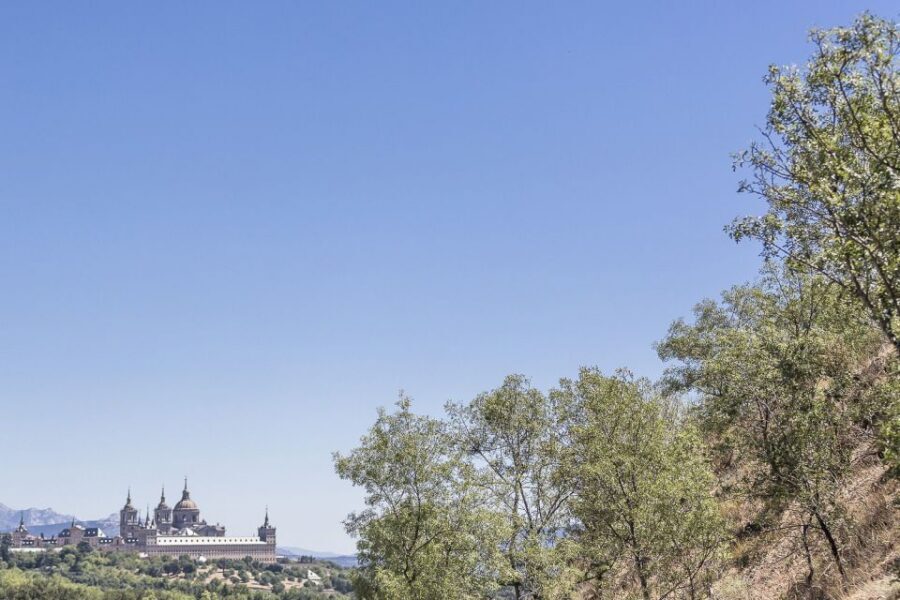
I’d book it if you’re doing Madrid for a few days and you want one high-impact excursion that doesn’t swallow your whole schedule. It’s especially worth it when you care about meaning as much as sight: you get guided interpretation at El Escorial, then you switch into the Valley’s underground, rule-based basilica experience after getting context outside.
Skip it (or choose a different option) if you need accessible routes, or if you know you want more than highlights. This is a structured day—great for momentum, not built for endless wandering.
If you do book: pack comfortable shoes, plan for stairs, and accept that you’ll see the main story beats rather than every nook. That mindset is what makes this tour feel like the right length and the right value.
FAQ
How long is the Escorial Monastery & Valley of the Fallen trip?
The tour lasts about 5 to 5.5 hours total.
What’s included in the price?
Admission is included for the Royal Monastery of El Escorial and the Valley of the Fallen/basilica, plus a local official guide, transportation by air-conditioned coach, and a radio guide system.
Where do I meet the group in Madrid?
Tours depart from the local partner office at C/ San Nicolás 15, next to Plaza de Ramales.
Is hotel pickup available?
Pickup can be optional from your hotel or apartment in Madrid, but you must inform the operator at the time of booking if possible.
What languages is the tour offered in?
The tour operates in English and Spanish with a live guide.
Is there walking during the tour?
Yes. It includes a walking tour at the sites, and the interior areas involve a large number of stairs, so comfortable shoes are important.
Is the tour wheelchair accessible?
No. It is not recommended for wheelchair users and full accessibility cannot be guaranteed due to the monuments’ architectural features.
Will the guide explain things inside the Valley basilica?
No. The guide will not be able to give explanations inside the basilica. Information is provided outside, and the basilica visit is on your own.
Are photos allowed inside the monuments?
Photography rules can be strict. One provided note says photos are not permitted in both locations, so assume there may be restrictions.
Can I cancel for a full refund?
Yes. Free cancellation is available up to 24 hours in advance for a full refund.