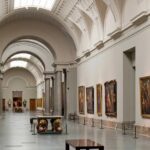
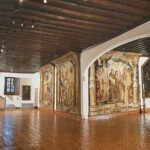
REVIEW · MADRID
Prado for All: Engaging, Insightful Tour with an Art Lover
Book on GetYourGuide →Operated by Joaquin Guide Madrid · Bookable on GetYourGuide
You can get more out of the Prado fast. This 2.5-hour small-group tour uses a clear art-history thread so you’re not just wandering from painting to painting.
I like the way Joaquín starts with the right questions and then keeps things moving. Two things I especially value are skip-the-line entry (so you lose less time to queues) and the fact that the tour stays accessible, whether you’re a total beginner or you already know your Velázquez from your Titian.
One possible drawback: the rules are strict. No photography inside, and items like backpacks and umbrellas aren’t allowed, so you’ll need to travel light and plan to enjoy the art without your phone out.
In This Review
- Why Prado for All works so well
- Meeting at Goya: setting the tone before you even enter
- Skip-the-line entry and what you can realistically see in 2.5 hours
- The Prado walkthrough: tracing Spanish art from Bosch to Goya
- What Joaquín teaches you: stories, technique, and context that stick
- Masterpieces you should look for (and why this lineup is smart)
- Small group size: why up to 7 people changes the whole experience
- Practical stuff: museum rules and how to plan your visit
- Price check: how $75 earns its place
- Who this tour is best for—and who might not love it
- A quick note on contact: WhatsApp before and after
- Should you book Prado for All with Joaquín?
- FAQ
- What is the location for this tour?
- How long is the Prado for All tour?
- How much does the tour cost?
- Is this a small-group tour?
- Does the tour include skip-the-line tickets?
- What languages is the guided tour offered in?
- Are there any restrictions on what I can bring or do inside the museum?
- Is wheelchair access available?
- How much notice do I need to cancel for a full refund?
- Is pick-up or drop-off included?
Why Prado for All works so well
- A guide-led story from 15th to 19th century Spain, not random stops
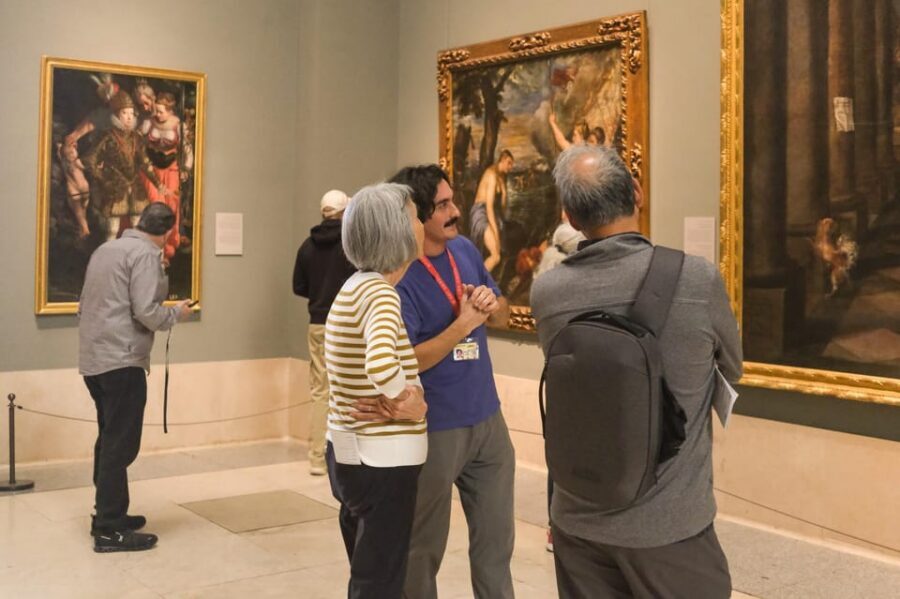
- Small group max of 7, so questions and small moments actually get time
- Skip-the-line tickets that respect your schedule
- Joaquín’s focus on how paintings are built (composition and technique)
- Master-painter comparisons that show how Spanish art evolves over time
- Clear boundaries inside the museum so you’re not scrambling mid-tour
Meeting at Goya: setting the tone before you even enter
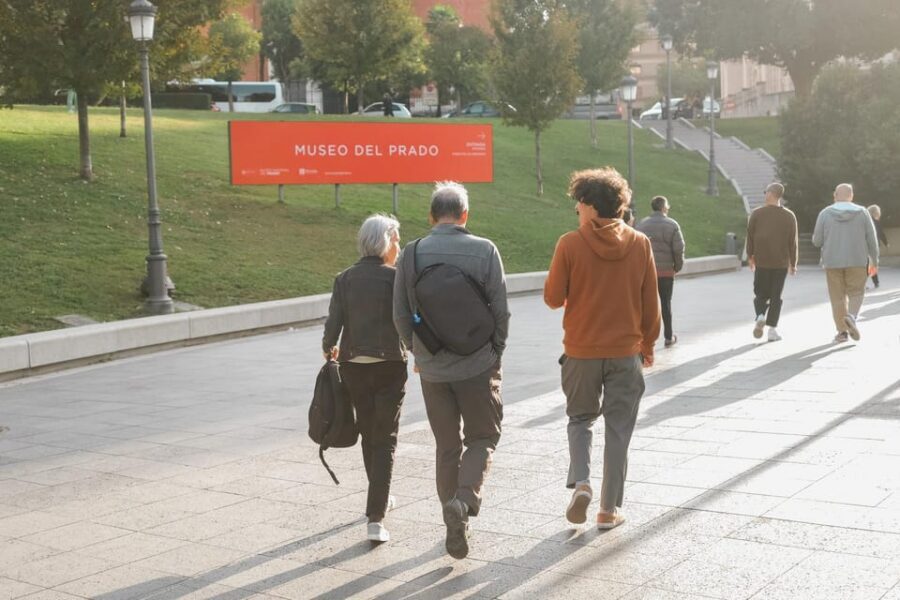
Your tour begins at the Monument to Goya, right by the Prado ticket area. That opening matters more than you might think. Goya is one of the big emotional anchors of Spanish painting, and starting there helps you remember that the Prado isn’t only about famous names—it’s also about changing ideas, changing society, and changing styles.
Look for Joaquín there (he’ll be easy to spot based on the tour photos). If you want to reduce stress, come a few minutes early so you’re not trying to locate him while you’re also juggling museum entry lines and your own sense of direction.
You can also read our reviews of more tours and experiences in Madrid.


Skip-the-line entry and what you can realistically see in 2.5 hours
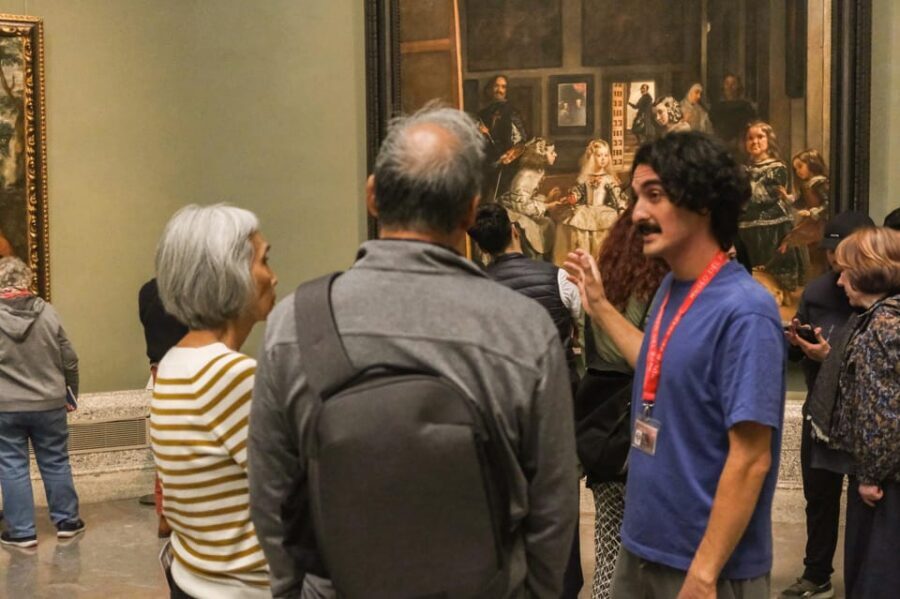
At the museum door, you use your skip-the-line ticket and go straight into the experience with a plan. The Prado can feel like a whole world—amazing, but easy to get lost in. In 2.5 hours, you’re not trying to see every room. You’re trying to see the right paintings with the right context.
Here’s how this tour uses that time well:
- You get a guided route that connects periods and styles.
- You hear short, practical explanations instead of long academic lectures.
- You’re pushed to look at specific details, not just the overall vibe of each painting.
This is a good format if you’re on a tight Madrid schedule. It’s also a strong choice if you’ve already visited one museum that made you feel like you were just collecting facts. This one aims to make the paintings feel legible.
The Prado walkthrough: tracing Spanish art from Bosch to Goya
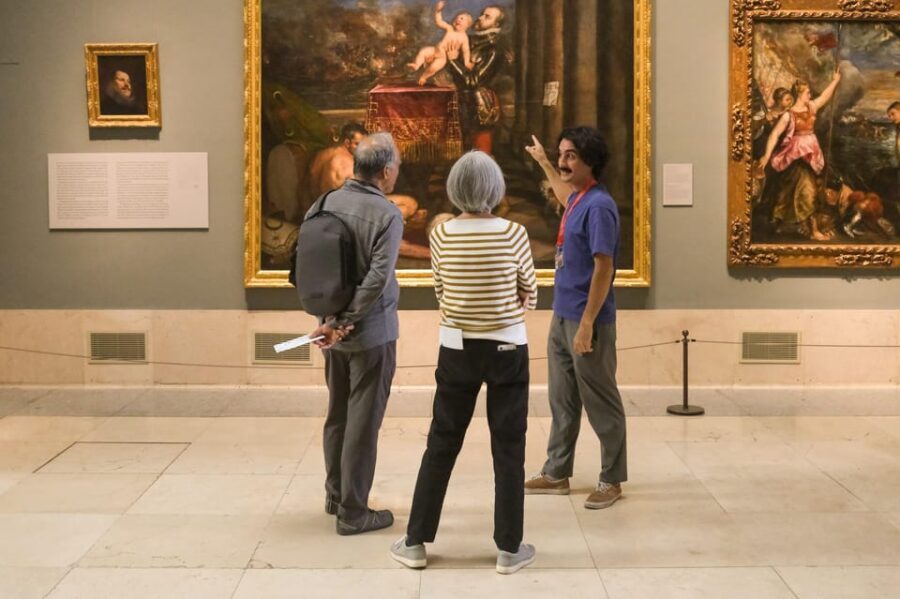
The heart of the tour is the art-history thread. Joaquín guides you through an evolution of painting across several centuries—roughly from the 1400s into the 1800s. Instead of treating the Prado as a set of unrelated masterpieces, the tour connects the dots: influences, changing techniques, and how each artist builds on what came before.
You’ll hear how major painters link together in Spanish art history:
- Hieronymus Bosch (with his imaginative, symbolic intensity)
- Raphael (as a reference point for Italian influence and craft)
- Titian (for how color, mood, and form travel across borders)
- El Greco (for dramatic style and spiritual intensity)
- Velázquez (for realism, perception, and the way he observes people)
- Goya (for sharper psychology and the edge that comes with later eras)
Even if you only remember a couple of those names afterward, the bigger win is how you learn to recognize why styles shift. You start noticing how artists handle composition, how they shape attention, and how they turn technique into storytelling. That’s what makes a guided art tour feel worth it, not just like a museum lecture.
What Joaquín teaches you: stories, technique, and context that stick
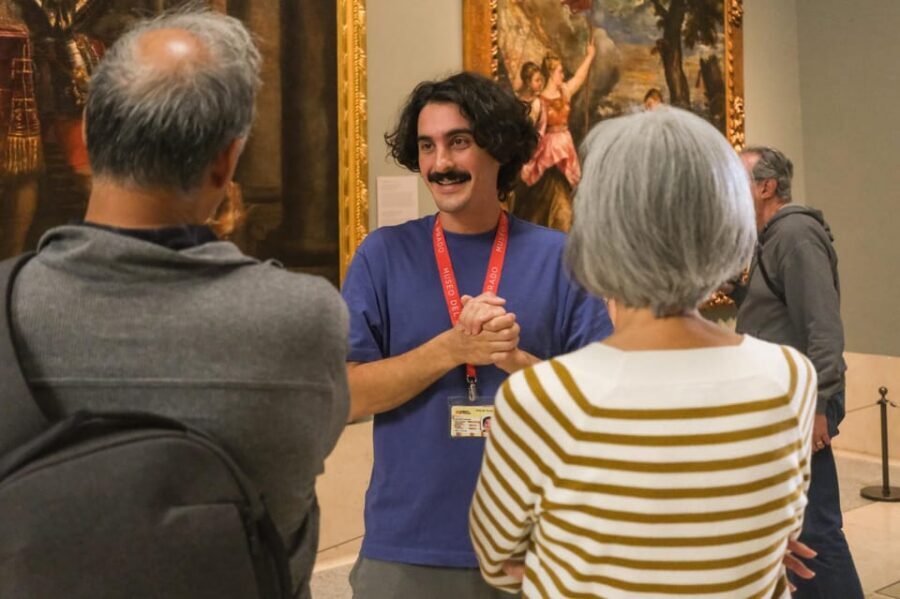
Joaquín’s style is the kind that helps people stay with the tour. The explanations are engaging and approachable, with plenty of room for questions. You’re not expected to already know art vocabulary. Instead, you get clear guidance on what to look for and why it matters.
From the structure and the way the tour is described, you can expect three layers of learning:
1) Spanish history in the background
You’ll hear how the broader story of Spain connects to what artists chose to paint and how they painted it.
2) Composition and technique in plain language
The tour doesn’t just say a painting is beautiful. It points out how it’s put together—how the artist guides your eyes, creates depth, or builds tension.
3) Artist lives and telling anecdotes
You’ll also get human context: how artists lived, what influenced them, and the kind of details that make a painting feel less like a museum object and more like the product of a person and a moment in time.
This blend is what makes the tour work for both ends of the spectrum. If you’re new to art, you get a roadmap. If you love art, you get details worth noticing on a second visit.
Masterpieces you should look for (and why this lineup is smart)
The Prado can overwhelm you with big names. This tour helps by focusing on artists that show different phases of Spanish painting and different types of artistic thinking.
Here’s why this lineup makes sense for an art-lover’s route:
- Bosch helps you understand the power of symbolism and imagination. You’re not only looking at scenes—you’re reading ideas.
- Raphael and Titian connect you to broader European influence, which is key to understanding why Spanish painting doesn’t develop in a vacuum.
- El Greco shows how style can be emotional, almost spiritual, and not just technically correct.
- Velázquez is where observation turns into art—how perception becomes part of the subject.
- Goya brings later drama and psychological sharpness into focus, and that makes him an ideal endpoint for your timeline.
If you’re an art enthusiast, you’ll appreciate that you’re not just hearing facts. The tour is meant to help you see relationships between works—how later painters respond to earlier approaches, and how technique becomes personality.






Small group size: why up to 7 people changes the whole experience

A max group of 7 participants is a quiet advantage. In a museum, crowds flatten your attention. With a smaller group, you slow down. You notice more. You also have a better chance to ask questions when something sparks interest.
This is especially useful if you’re traveling with:
- a partner who likes art but needs explanations in human terms
- teens or first-time museum visitors who might otherwise tune out
- a friend group split between art lovers and “I just want to see something beautiful”
Small groups don’t just feel nicer. They make your guide’s attention more personal. And personal attention is the difference between seeing paintings and understanding them.
Practical stuff: museum rules and how to plan your visit
The Prado has specific rules, and this tour follows them. Here are the constraints you should plan for:
- No photography inside
You’ll need to accept that you can’t rely on your camera to “remember everything.” The upside is you’ll actually look.
- No backpacks, umbrellas, or drinks
Travel light, and expect you’ll need storage that doesn’t involve your daypack on your back.
Also note the language options: the tour runs in English or French. If you’re strong in one of those, you’ll likely get the smoothest experience.
Timing-wise, the tour lasts 2.5 hours. That’s long enough to learn and actually change how you look, but short enough to keep the day flexible.
Price check: how $75 earns its place
At $75 per person, you’re paying for two big things: the licensed guide and the skip-the-line ticket. In plain terms, this isn’t just about access. It’s about saving you time and buying understanding.
When art tours feel overpriced, it’s usually because you get:
- a generic walk with no clear storyline
- a guide who can’t explain details you’d miss alone
- too many people, so nobody gets attention
This tour is designed to reduce those problems with a small group cap and a guided path through recognizable master artists. If you value meaning over just “I saw it,” the price starts to feel fair.
If you already know the Prado deeply and prefer to wander freely without structure, you might not need a guide. But if you want the museum to make sense quickly, this is the kind of tour that can pay back your time.
Who this tour is best for—and who might not love it
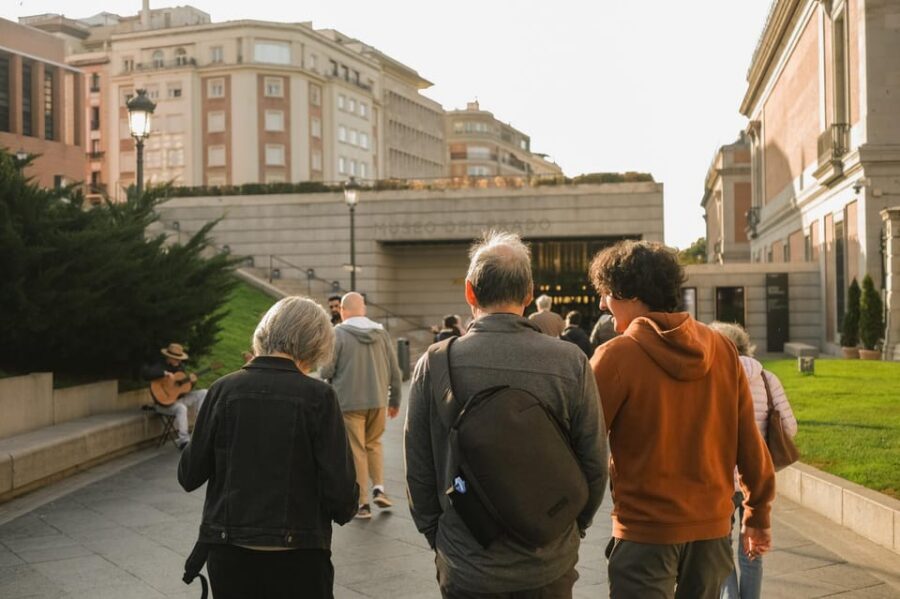
This tour fits best if you want a focused, guided path through the Prado’s most influential artists. It’s described as perfect for beginners and experienced art lovers, and that matches what the format delivers: a clear evolution of styles, plus approachable explanations.
You might want to skip (or consider a different style of visit) if:
- you want to spend long stretches only looking, without commentary
- you can’t handle the rule about no photography
- you rely on carrying a backpack or umbrella throughout the day
If you’re the kind of person who gets restless in museums unless you have a plan, you’ll likely enjoy this more than a free-roam ticket.
A quick note on contact: WhatsApp before and after
If you have questions, Joaquín provides a WhatsApp number so you can get more detailed info before and after the tour. If you’re the type who likes to confirm every detail, having that direct line is reassuring.
Should you book Prado for All with Joaquín?
I’d book this if your goal is to leave the Prado understanding what you saw, not just checking boxes. The pairing of skip-the-line entry, a small group, and a clear art timeline from Bosch to Goya makes it a strong value for a first Prado visit—or a smart second visit if you want to see familiar paintings in a new way.
Skip it if you’re strictly a self-guided museum wanderer, or if the rules (especially no photography and no backpacks) would be a dealbreaker for your style of travel.
FAQ
What is the location for this tour?
The tour is based in Madrid, Spain, with the meeting point at the Monument to Goya in front of the Prado Museum ticket office.
How long is the Prado for All tour?
The tour lasts 2.5 hours.
How much does the tour cost?
The price is $75 per person.
Is this a small-group tour?
Yes. It’s a small-group experience with a maximum of 7 participants.
Does the tour include skip-the-line tickets?
Yes. Your skip-the-line ticket to the Prado Museum is included.
What languages is the guided tour offered in?
The live guide speaks English and French.
Are there any restrictions on what I can bring or do inside the museum?
Yes. Drinks, backpacks, and umbrellas are not allowed, and photography inside the museum is not allowed.
Is wheelchair access available?
Yes. The tour is wheelchair accessible.
How much notice do I need to cancel for a full refund?
You can cancel up to 24 hours in advance for a full refund.
Is pick-up or drop-off included?
No. Pick-up or drop-off is not included. The tour includes a meeting point at the Prado ticket area and finishes at the Prado Museum.