REVIEW · MADRID
Prado Museum in Madrid – Guided tour in Italian without queuing up
Book on GetYourGuide →Operated by Todo Tours Gestion SL · Bookable on GetYourGuide
Madrid’s Prado can be a lot.
The best part of this guided option is the skip-the-line entry through a separate entrance, so you spend time looking instead of waiting. I also like that the tour is led in Italian, with clear explanations of major works and how they connect to European art history. One catch to consider: if you don’t understand Italian well, you may miss some of the guide’s details since the tour is not listed in other languages.
In about 1.5 hours, you’ll hit the Prado’s biggest names—Velázquez’s Las Meninas, Bosch’s Garden of Earthly Delights, Caravaggio’s David and Goliath, plus major works by Raphael, El Greco, Goya, and other European masters. You’ll meet by the Goya statue with a blue umbrella from Todo Tours, follow the guide’s route through key masterpieces, then end back at the same meeting spot.
In This Review
- Key Things I’d Pay Attention To
- Skip-the-Line Entry: Why the Prado Feels Less Like a Waiting Game
- Italian-Language Guidance: How the 1.5 Hours Work
- The Big Masterpieces You’ll See (and What to Watch For)
- Velázquez: Las Meninas
- Bosch: Garden of Earthly Delights
- Caravaggio: David and Goliath
- Raphael, El Greco, Goya, and other European masters
- Spanish Masters in the Bigger European Picture
- A Quick History Lesson: Charles III and Why the Prado Exists
- Meeting the Group and Staying Comfortable
- Price vs. Value: Is $50 Worth It?
- Who Should Book This Tour
- Should You Book This Prado Skip-the-Line Tour?
- FAQ
- How long is the Prado Museum guided tour?
- What language is the guided tour in?
- Does this tour include skip-the-line access?
- How much does the tour cost?
- Where do I meet the guide?
- Where does the tour end?
- Which artworks will I see?
- Is the tour wheelchair accessible?
- Can I cancel for a full refund?
- Is there a reserve and pay later option?
Key Things I’d Pay Attention To
- Separate entrance skip-the-line access cuts down the most frustrating part of visiting the Prado
- Italian live guide explanations help you understand what you’re seeing, not just what’s famous
- Major masterpieces focused in 1.5 hours keeps the pace realistic for a museum of this size
- Techniques and historical context are part of the talk (including the museum’s Charles III backstory)
- A well-paced route with attentive guidance is strongly reflected in the kind of guiding people praise most
- Wheelchair accessible so more visitors can enjoy the same guided flow
Skip-the-Line Entry: Why the Prado Feels Less Like a Waiting Game
The Prado is one of those places where the building is famous, the collection is huge, and your time can evaporate in lines. This tour solves the most painful problem by including skip-the-line tickets and using a separate entrance for priority access.
That matters because the Prado isn’t only about a few paintings. You’re walking through multiple centuries, shifting from Spanish masters to broader European influences. When you arrive already late, or you burn 45 minutes in a queue, you lose the mental momentum that makes art visits feel fun instead of exhausting.
With this experience, you’re pushed toward the best use of your energy: get inside, get to the masterpieces, and let a guide help you connect the dots. And yes, you still need to look slowly once you’re there, but at least you’re not forced to rush because of waiting time.
You can also read our reviews of more guided tours in Madrid



Italian-Language Guidance: How the 1.5 Hours Work
This is a short, focused guided visit—about 1.5 hours—with a live guide speaking Italian. That short duration is a strength, not a compromise, if you know the Prado is enormous and you want a guided “greatest hits” route rather than a full self-guided marathon.
The guide’s job here is not just reading labels. The tour is designed to explain why these works mattered—how Spanish masters helped shape European art, what inspired each artist, and how painters achieved effects with technique. You’ll also get an account of the museum’s construction ordered by Charles III, which adds context so the building and collection feel connected rather than random.
One practical plus: the meeting point is specific—next to the Goya statue with a blue umbrella from Todo Tours—so you’re not wandering around trying to spot staff. And since the tour ends back at the meeting point, you can keep your day plans simple after.
The main consideration is language. Because Italian is the only language listed, it’s worth thinking realistically about your comfort level. If you can follow a museum talk in Italian at least moderately well, you’ll probably get a lot out of the deeper explanations. If not, you’ll still see impressive works, but the “story layer” may be the part that feels thin.
The Big Masterpieces You’ll See (and What to Watch For)
This tour highlights major works across European art, with a strong Spanish backbone. You’ll see iconic paintings such as Velázquez’s Las Meninas, Bosch’s Garden of Earthly Delights, and Caravaggio’s David and Goliath. You’ll also encounter important paintings by Raphael, El Greco, Goya, and other European masters.
Here’s how I’d approach the big names on this kind of guided route—what you should pay attention to when the guide points things out.
Velázquez: Las Meninas
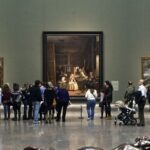
Las Meninas is famous for a reason, but the experience changes once someone explains the setup. Look for the play between what’s shown and what’s implied—figures, reflections, and the way the scene keeps pulling you to different points of attention. When the guide ties it into technique and historical context, it stops being just a “fancy portrait” and becomes a smart visual puzzle.
Bosch: Garden of Earthly Delights
Bosch can feel chaotic if you just skim from person to painting. You’ll get more out of it if you treat it like a system—figures, narratives, and symbolism that repeat and evolve across the scene. A guided approach is especially helpful here because the painting’s meaning isn’t obvious at first glance, and the story comes from details.
You can also read our reviews of more museum experiences in Madrid


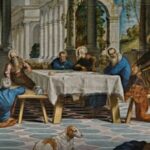



Caravaggio: David and Goliath
Caravaggio’s drama is often tied to light and contrast. When a guide explains how he achieved effects, you’ll start noticing where the spotlight-like illumination directs your eye and how expressions and gestures carry tension. If you love motion and emotion in art, this is one of the works that can flip a visit from “interesting” to “wow.”
Raphael, El Greco, Goya, and other European masters
These artists each bring a different way of building a painting—composition, mood, and even how the paintwork supports the message. In a short tour, you don’t get time to get lost in details for hours, so the guide’s explanations are the point. They’ll help you recognize what each artist is doing differently, so you leave with clearer impressions instead of just a checklist of famous names.
The value of this section is not that you see everything—it’s that you see the right landmarks in a short time window, with someone translating what matters.
Spanish Masters in the Bigger European Picture
One of the most useful themes on this tour is how it frames the Spanish masters as part of a wider European story. You’re not only looking at Spain’s best-known painters—you’re learning how their choices influenced European art beyond Spain’s borders.
That viewpoint helps in two ways.
First, it stops art history from feeling like memorizing names and dates. When you hear how styles, inspirations, and techniques travel, the museum becomes a living network instead of a timeline in a book.
Second, it makes comparisons easier. Once you understand what a Spanish painter emphasized—light, realism, symbolism, drama, or composition—you can start noticing how similar ideas show up in works by other European masters on your own.
In this tour format, the guide also connects artworks to the museum itself: the route is meant to build a story as you move. That’s why the explanations are so central here. Without them, the Prado can be overwhelming. With them, you get a thread you can follow.
And the guiding style seems to matter. The kind of feedback associated with this tour highlights guides who are prepared, clear, and passionate—especially at turning complex ideas into simple, digestible points. The result is a rhythm that keeps the visit moving without feeling rushed.
A Quick History Lesson: Charles III and Why the Prado Exists
It’s easy to treat a museum like a container and ignore the building’s origin. This tour changes that by including an account of the Prado’s construction ordered by Charles III.
Why should you care? Because it gives the collection a home story. Knowing that the museum was built through royal direction helps you understand the Prado as more than a warehouse of masterpieces. It becomes part of how Spain and Europe valued art, education, and public cultural prestige.
This kind of background also helps you interpret what you’re seeing. When the guide connects the museum’s purpose to the artworks’ significance, the masterpieces feel less like isolated trophies and more like pieces of a larger cultural project.
In a 1.5-hour experience, you won’t get every detail. But you will get enough context to make the visit feel intentional.
Meeting the Group and Staying Comfortable
The meeting point is straightforward: look for the guide next to the Goya statue with a blue umbrella from Todo Tours. The tour ends back at the meeting point, which makes it easier to plan the next part of your day without figuring out where you’ll be released.
Since this is a guided museum visit, your best move is simple: arrive early enough to find the statue and settle before the group starts moving. Prado buildings and entry areas can be confusing when you’re trying to spot staff at the last second.
Also note the practical comfort factor: the tour is listed as wheelchair accessible. That’s important for a museum visit, since accessibility isn’t just about entering—it’s about moving through crowded interior spaces and having a guided route that works for different mobility needs.
Price vs. Value: Is $50 Worth It?
At $50 per person, this tour is not the cheapest way to experience the Prado. But it’s also not trying to be. Its value comes from three concrete things you’re paying for:
1) Time saved with skip-the-line entry
If you’ve ever waited in museum queues, you know time is part of the cost. Reducing waiting means you get more looking time inside, and that matters at the Prado where the collection is huge.
2) A professional guide with an Italian live explanation
Art labels help, but they don’t explain technique, inspiration, and historical context in a way you can hold in your head during the visit. Here, the guide is doing that work so you don’t just see masterpieces—you understand what you’re seeing.
3) High-impact artworks in a short visit window
This isn’t a “see everything” plan. It’s a high-focus route that gives you major landmarks like Las Meninas, Bosch, and Caravaggio, plus other European giants. If you only have a limited amount of time, this can feel like better value than paying for hours of wandering without a guiding thread.
So I’d call it good value if:
- you want a guided story, not just entry tickets
- you prefer organized pacing over trying to map your own route
- you can follow Italian well enough to enjoy the explanations
If you’re fluent in art reading and already know exactly which rooms and paintings you want, you might feel the price is steep. But most first-time Prado visits benefit from a guide—especially when the goal is understanding, not just checking names.
Who Should Book This Tour
This tour fits best if you fall into one of these groups:
- First-time Prado visitors who want a structured overview without missing the big masterpieces
- Art history fans who like technique and context, not just facts
- Italian speakers (or near-fluent) who can enjoy a live guide talk without needing translations
- Time-limited travelers who want an efficient visit that still feels meaningful
It may be less ideal if you:
- need a different language option than Italian
- prefer a long self-paced museum day where you choose every stop yourself
- dislike guided group movement and want complete freedom of timing
Should You Book This Prado Skip-the-Line Tour?
If your main goal is to see the Prado’s biggest masterpieces with fewer hassles and with explanations that connect artwork to history, I think this is a smart booking. The combination of skip-the-line entry, a professional Italian guide, and a short, focused route makes it a practical choice when you want real understanding within a limited time window.
I’d book it if you’re okay with the Italian-language format and you want your visit to feel guided, not improvised. If Italian is a problem for you, consider whether you’d rather pay for entry and build your own path at your own pace.
FAQ
How long is the Prado Museum guided tour?
The tour duration is 1.5 hours.
What language is the guided tour in?
The live tour guide speaks Italian.
Does this tour include skip-the-line access?
Yes. It includes skip-the-line tickets and priority access through a separate entrance.
How much does the tour cost?
The price is $50 per person.
Where do I meet the guide?
The meeting point is next to the Goya statue, and the guide will have a blue umbrella from Todo Tours.
Where does the tour end?
The activity ends back at the meeting point.
Which artworks will I see?
The highlights include Velázquez’s Las Meninas, Bosch’s Garden of Earthly Delights, Caravaggio’s David and Goliath, and works by Raphael, El Greco, Goya, and other European masters.
Is the tour wheelchair accessible?
Yes, it is listed as wheelchair accessible.
Can I cancel for a full refund?
You can cancel up to 24 hours in advance for a full refund.
Is there a reserve and pay later option?
Yes. You can reserve now and pay later.