REVIEW · MADRID
Small Group Prado Museum Guided Tour with Skip the Line
Book on GetYourGuide →Operated by Satguru Experiences · Bookable on GetYourGuide
Two hours, huge payoff. This small-group Prado Museum tour uses skip-the-line entry and an expert guide to help you target the museum’s biggest hits without getting stuck in crowds. I especially like the close, conversational format—I’ve seen praise for guides like Juan and Enrique turning famous paintings into stories you can actually follow. One possible drawback: the route is timed, so if you’re obsessed with one artist (El Greco, say), you may wish there was more time at your favorite room.
You’ll meet at the Monumento a Velázquez on Paseo del Prado, then head straight into the museum with your group. The guide is live in English, and the tour is wheelchair accessible—nice if you want a guided day that still stays practical.
In This Review
- Key things to know before you go
- Entering the Prado with skip-the-line tickets that save real time
- Meeting at the Velázquez Monument and getting your bearings
- A guided highlights route: what you’ll see (and why it clicks)
- Goya’s drama: The Third of May 1808 and the Black Paintings mood
- Velázquez’s Las Meninas: reality, art, and that famous question
- El Greco’s spiritual intensity: elongated figures and big contrasts
- Rubens and the Baroque energy: Descent from the Cross
- Why the small-group format matters more than you think
- How two hours feels inside the Prado (and how to make it work for you)
- Practical tips so you don’t lose time or focus
- Price and value: is $67 worth it?
- When this Prado tour is the best fit
- Should you book this Prado Museum skip-the-line tour?
- FAQ
- How long is the Prado Museum guided tour with skip-the-line entry?
- Where do we meet for the tour?
- Is skip-the-line entry included?
- What language is the tour guide?
- Which artists and paintings does the tour focus on?
- Is the tour wheelchair accessible?
- Is food or drinks included?
- Does the tour run on all holidays?
- What if the minimum number of participants isn’t met?
- What is the courtesy waiting time at the meeting point?
Key things to know before you go
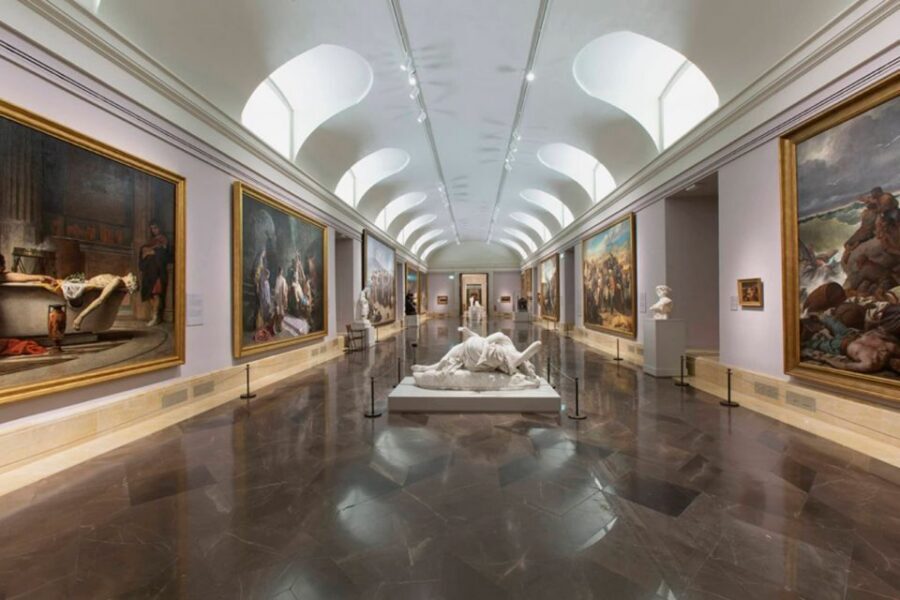
- Skip-the-line entry keeps your 2 hours focused on art, not waiting.
- Small-group pacing lets you ask questions and actually get answers.
- Highlight route connects big names: Goya, Velázquez, El Greco, and Rubens.
- Timed visit means you’ll see the Prado’s major works, but not every corner.
- Indoors is cooler than you expect—a review tip suggests you likely won’t need extra warmth.
- Your guide matters: many reviews single out specific guides for patience and clarity.
Entering the Prado with skip-the-line tickets that save real time
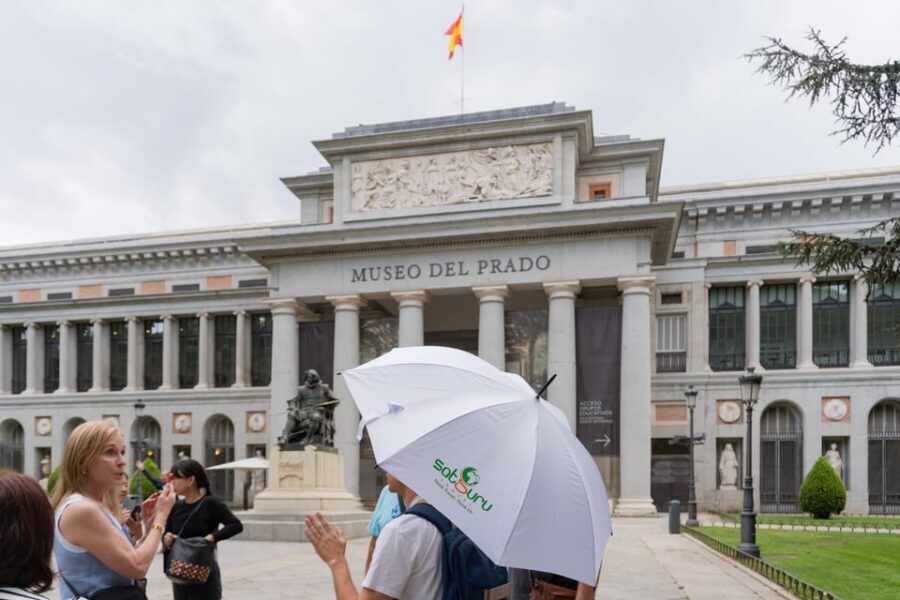
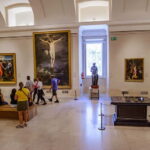
The Prado is one of those Madrid must-sees where timing can make or break your day. This tour is built for exactly that problem: you get skip-the-line tickets and enter through a separate entrance, so you’re not burning your morning (or afternoon) shuffling forward with everyone else.
What that means for you in practice: you can start seeing art sooner, and you can spend the limited tour time where it counts—right in front of the works that most people come to Madrid for. It’s also calmer. Even when the museum is busy, starting quickly helps your brain stay in “looking mode,” not “waiting mode.”
You can also read our reviews of more guided tours in Madrid



Meeting at the Velázquez Monument and getting your bearings
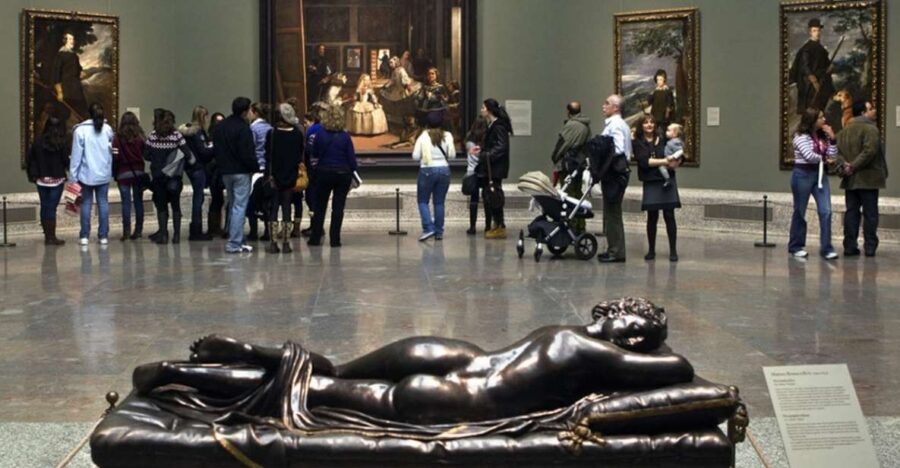
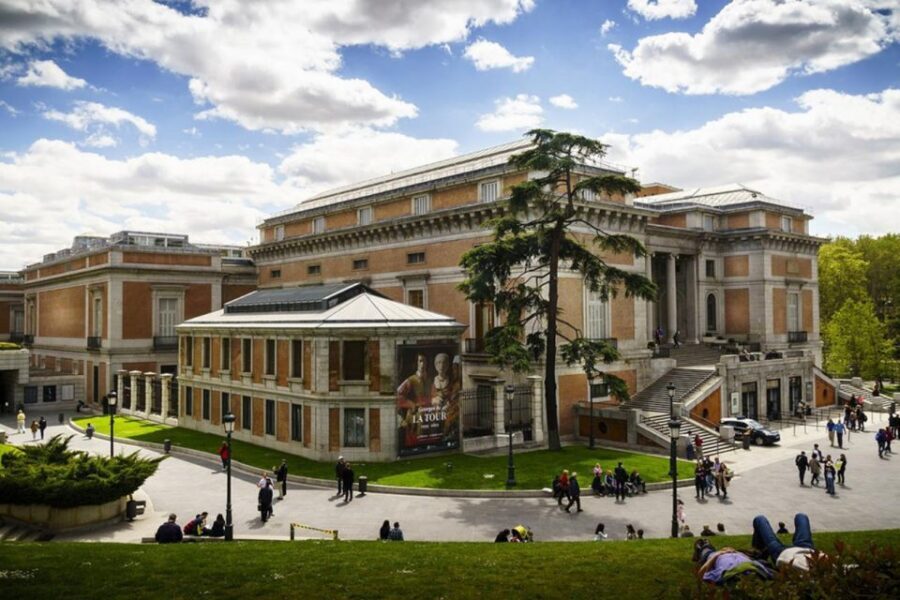
The meet-up point is the Monumento a Velázquez, located at Paseo del Prado 11, 28014, Madrid. This matters more than it sounds. The Prado sits in the Prado museum area, and arriving with a fixed meeting point helps you avoid the common first-day scramble of figuring out where everyone else is assembling.
The tour includes an easy loop: you start at the monument, go into the Prado for the guided portion, and end back at the same meeting spot. That “same place, done” setup is simple and lowers stress—especially if you’re pairing the Prado with other sights nearby.
One timing note I’d take seriously: there’s a 10-minute courtesy waiting time, so being early isn’t overkill. The museum area can be slow to cross if you’re coming from a station or a hotel pickup plan.
A guided highlights route: what you’ll see (and why it clicks)
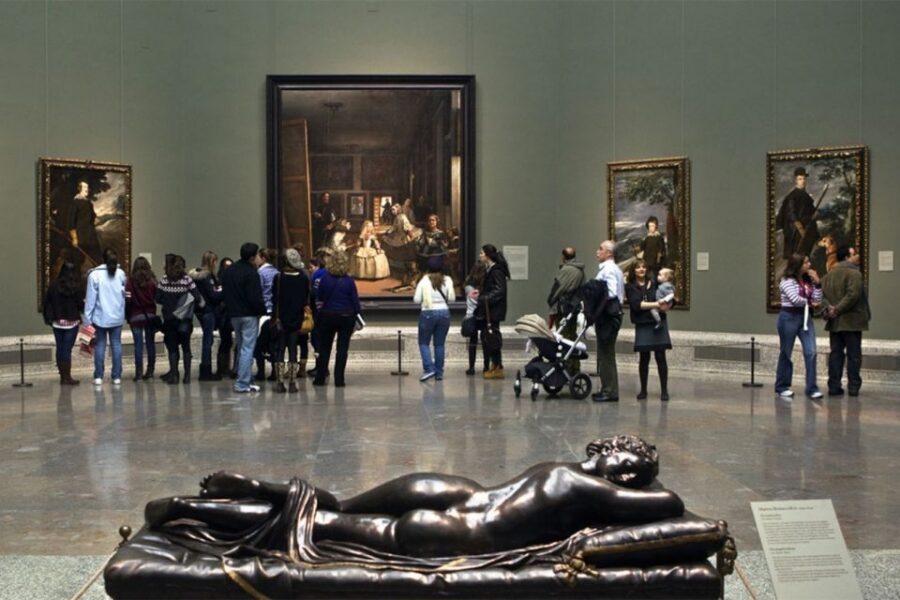
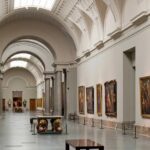
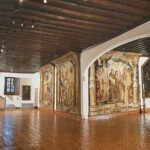
This tour is structured around paintings you’ll keep hearing about after you leave the museum. Instead of trying to cover everything, it aims to help you understand what you’re looking at—style, symbolism, and why these works mattered.
Here’s the focus you can expect from the guided walkthrough:
Goya’s drama: The Third of May 1808 and the Black Paintings mood
You start with Francisco de Goya, and it’s a smart opening. Goya is Spain’s emotional accelerant. His work doesn’t just show scenes—it pushes you toward the human cost of history.
The highlight the tour leans on includes The Third of May 1808, an anti-war painting with a very direct emotional punch. Your guide also brings in Goya’s Black Paintings, which tend to leave people quiet in front of the canvases. If you’re the kind of visitor who wants context for why Goya’s images feel so tense and personal, this part usually delivers.
I also like that the guide isn’t treating these works like museum labels. Multiple reviews praise guides for patience—especially when families are in the group—so even if you’re traveling with kids, you should be able to keep up.
Velázquez’s Las Meninas: reality, art, and that famous question
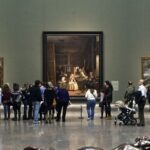
Next comes Diego Velázquez and Las Meninas, often described as one of the most puzzling royal court portraits in Western art. Your guide helps you see beyond the surface arrangement, including the technical brilliance and the cultural meaning.
What makes this part valuable for you: Las Meninas trains your eyes. Even if you’ve seen pictures online, seeing it in person with a guide’s explanation helps you notice what painters were doing with light, pose, and the idea of who’s actually watching whom.
This is also where a small group shines. If you’re the type who asks, you’ll get a real answer, not a rushed “yes, it’s complicated.”
You can also read our reviews of more museum experiences in Madrid





El Greco’s spiritual intensity: elongated figures and big contrasts
After Velázquez, you’ll move to El Greco, known for elongated forms, intense color, and a style that looks both devotional and oddly modern. The tour spotlights works like The Burial of the Count of Orgaz.
One review note I’d treat as a consideration: the pace at El Greco can feel rushed if your guide is trying to keep the full route on time. If El Greco is your top priority, plan to arrive with patience—and know you may need a second visit later to go slower on your favorite paintings.
Rubens and the Baroque energy: Descent from the Cross
Finally, you’ll see Peter Paul Rubens, where the Prado turns theatrical. This is Baroque painting at full volume: dramatic composition, strong emotion, and figures that feel alive.
Your guide focuses on big scenes such as Descent from the Cross. The aim here isn’t only to admire the paintwork—it’s to understand how Rubens builds action through composition and anatomy, and why people in his era responded so strongly.
If you want a “wow” ending to your Prado experience, this is a good place for it.
Why the small-group format matters more than you think
Prado crowds are real, and a self-guided plan can easily turn into a “scan and move on” experience—especially if you don’t know where to look first.
This tour’s small-group setup helps you do three useful things:
- Stay close to the paintings instead of sprinting between them.
- Ask questions without losing your spot.
- Get human explanations—not just a printed audio guide.
Several reviews mention the guides’ ability to tailor the conversation, including asking questions back to the group and using stories that make you think while you look. One guide, Enrique, was praised for turning history into a creative narrative that kept people engaged. Another, Eve, was singled out for pointing out details amateurs often miss.
That’s the real value here: learning how to look.
How two hours feels inside the Prado (and how to make it work for you)
The tour lasts about 2 hours, and that time is honestly the central tradeoff. You get a strong overview of major works, but you’re not seeing the entire museum.
For you, that can be perfect if you’re:
- short on time in Madrid
- overwhelmed by the Prado’s size
- more interested in understanding what matters than checking every gallery
But if you’re a Prado super-fan who wants to linger for 20+ minutes per painting, you’ll probably want to do this tour as a first pass. Then you can return later for the slow version.
Also: the museum can be exhausting. One review recommended skipping warm clothing (you’ll be indoors and already comfortable), and another suggested water may be taken away inside. I can’t promise every visit follows the same rules, but it’s smart to pack light and plan for hands-free looking.
Practical tips so you don’t lose time or focus
Here are a few small choices that can make your tour smoother:
- Wear comfortable shoes. Two hours sounds short until you’re standing and stepping through multiple rooms.
- Arrive at the Monumento a Velázquez early enough to settle in. The courtesy waiting time is 10 minutes.
- Bring a phone or camera if you like, but keep your attention on the works in front of you—the guide’s stories land best when you’re actually looking.
- Pack lightly. Based on one review tip, you may not want to count on bringing water through the museum.
If you like to get the most from a guided tour, go in with one question ready. Something like: What should I notice first in Las Meninas? Your guide can’t read your mind, but they can definitely respond if you cue them.
Price and value: is $67 worth it?
At $67 per person for a 2-hour small-group guided tour with skip-the-line access, the value comes from three things you’re paying for:
- Time saved by avoiding the longest wait
- A guide who explains what you’re seeing (especially for Goya and Velázquez, where context changes everything)
- A focused route so you don’t waste energy guessing where to start
If you’re the type who would enjoy a Prado visit anyway but doesn’t want to spend hours planning, this is a good deal. If you’re already an art-history pro who knows exactly where you want to stand, self-guided might be cheaper—but you’d be giving up the “how to look” part that many visitors say is the whole point.
When this Prado tour is the best fit
This is a strong match if you want:
- a high-impact overview of the Prado’s top names
- English-language guidance
- an experience that stays manageable in length
- a small group where your questions won’t get steamrolled
It’s also a decent option for families, since one review specifically praised patience with kids. That’s not always guaranteed in major museums, so it’s worth noting.
If you’re traveling solo, small-group tours can be a nice middle ground. You get structure, but you’re still able to interact with your guide instead of feeling lost.
Should you book this Prado Museum skip-the-line tour?
I’d book it if you have limited time in Madrid and you want the Prado’s biggest paintings explained in a way that makes you look longer and understand more. The skip-the-line entry and small-group pacing are the main wins, and the guide lineup seems to make a real difference—people highlighted guides like Juan, Enrique, Eve, and Carla for clarity and patience.
I’d hesitate if you’re the “I want to linger in every gallery” type or if El Greco is your only obsession. In that case, consider using this tour as your first visit, then plan a slower return.
If you’re doing the Prado for the first time, this is a smart way to see the right works, learn the right things, and still keep your day moving.
FAQ
How long is the Prado Museum guided tour with skip-the-line entry?
It’s about 2 hours.
Where do we meet for the tour?
You meet at the Monumento a Velázquez, Paseo del Prado 11, 28014, Madrid. The tour ends back at the same meeting point.
Is skip-the-line entry included?
Yes. The tour includes skip-the-line tickets to the Prado Museum and entry through a separate entrance.
What language is the tour guide?
The live tour guide is English.
Which artists and paintings does the tour focus on?
The tour focuses on major artists and works including Goya (such as The Third of May 1808), Velázquez (Las Meninas), El Greco (such as The Burial of the Count of Orgaz), and Peter Paul Rubens (including Descent from the Cross).
Is the tour wheelchair accessible?
Yes, it is wheelchair accessible.
Is food or drinks included?
No. Food and beverages are not included.
Does the tour run on all holidays?
No. The tour does not run on some holidays, including December 25 and January 1.
What if the minimum number of participants isn’t met?
If the minimum isn’t met, you’ll be contacted and offered alternatives.
What is the courtesy waiting time at the meeting point?
The courtesy waiting time is 10 minutes, so try to arrive on time.