REVIEW · MADRID
The Making of Malasaña
Book on Viator →Operated by The Making of Madrid · Bookable on Viator
Malasaña has a second life story. This guided walk takes you past the trendy storefronts and into the neighborhood’s past, where uprisings, oddball characters, and the shift to nightlife all connect. It’s the kind of Madrid you don’t usually see from the main plazas.
I especially like two things. First, the guide, Felicity, brings the street scenes to life with stories that feel researched and told for real humans. Second, the stops are specific and satisfying: Microteatro, a hidden ceiling inside a church, and a museum moment centered on Goya.
One thing to consider: you’ll want good weather. The experience requires it, and there’s also a quick catch at the church stop where admission isn’t included, so budget a little extra if you plan to go in.
In This Review
- Key points worth your attention
- Malasaña Has a Second Story on Every Corner
- Meeting at BULANCorre and Ending at El Penta Bar
- How Felicity Turns Streets into Uprising Stories
- Microteatro: Mini Plays That Started in a Former Brothel
- Saint Anthony of the German and the Sistine Chapel Ceiling
- Museo de Historia de Madrid and Goya’s Most Controversial Painting
- Why Malasaña’s Characters Still Shape Your Walk
- Price and Value for a Private 2-Hour History Walk
- Who Should Book This Malasaña Tour
- Should You Book The Making of Malasaña?
- FAQ
- How long is The Making of Malasaña?
- Where does the tour start and end?
- Is this tour private?
- Is there a mobile ticket?
- What about ticket prices for the stops?
- Does the tour run in any weather?
Key points worth your attention
- Felicity’s story-first approach turns a short walk into a clear, connected neighborhood timeline
- Microteatro’s origin story (a mini-theater trend that began in a former brothel) adds real shock-value context
- Saint Anthony of the German hides the Sistine Chapel Ceiling behind an unassuming exterior
- Museo de Historia de Madrid includes admission, plus a Goya highlight tied to Spain’s political twists
- Private group format means you’re not sharing the vibe with strangers
Malasaña Has a Second Story on Every Corner
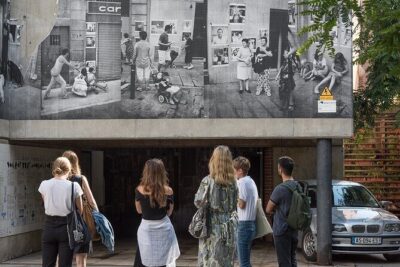
Malasaña is famous for style, bars, and late nights. But this tour nudges you to notice what’s underneath the surface: the neighborhood’s past still shows in the street layout, in the kinds of buildings you pass, and in the way people have used these streets for change.
What I like is that the tour doesn’t treat Malasaña like a theme park. Instead, it treats it like a living place that has been argued over, occupied, reinvented, and repurposed. That matters because Madrid neighborhoods rarely change all at once. They stack. New life goes on top of old life.
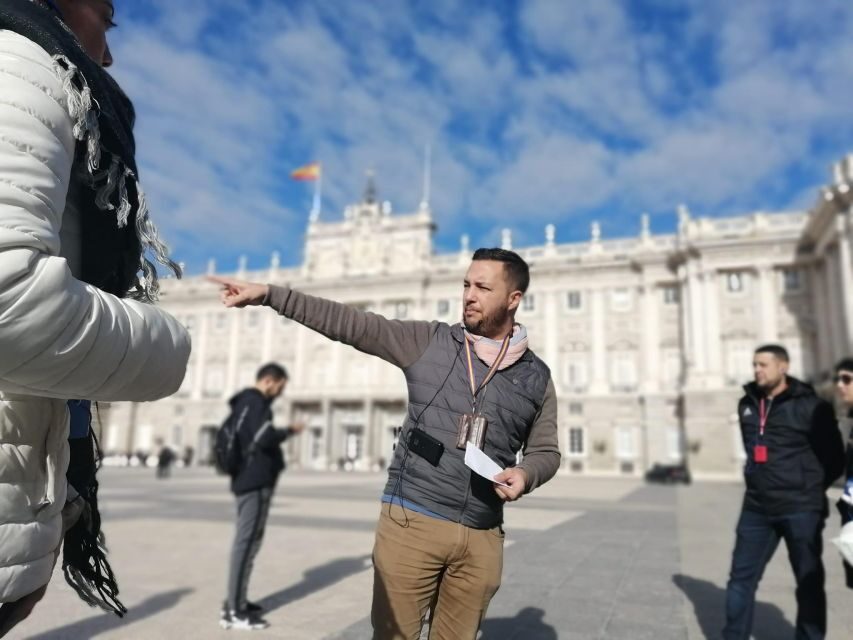
Felicity’s role is key here. She’s not just pointing things out; she’s linking places to events. You hear about uprisings that took place in the area, then you hear how the neighborhood evolved into a center for nightlife. The result is that your walk feels like a story you’re walking through, not a checklist.
You can also read our reviews of more tours and experiences in Madrid.


Meeting at BULANCorre and Ending at El Penta Bar
Your tour starts at BULANCorre, Baja de San Pablo, 2 (Centro). It’s near the Tribunal metro, which is practical if you’re pairing it with other Madrid plans. You’ll end at El Penta Bar, C. de la Palma, 4, also in Centro.
The total time is about 2 hours. That’s long enough to actually learn something and still short enough that you’re not dragging yourself through Madrid by hour three. This is especially nice if you’re trying to fit history around meals, shopping, and the things you came to do at night.
Also note the vibe: it’s private. You’ll be with your group only. That can make questions flow better and keeps the pace calmer, especially when you hit those quieter interior spots.
A small weather note: the experience requires good weather. If Madrid is doing its usual “maybe rain, maybe not” thing, plan your day so you’re not stuck rushing around immediately before or after.
How Felicity Turns Streets into Uprising Stories
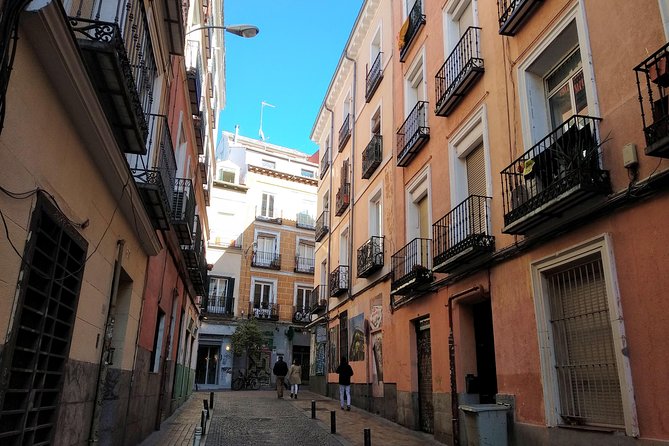
The most rewarding part of the tour isn’t one single building. It’s the way the guide frames Malasaña as a neighborhood shaped by people pushing back, making deals, and carving out space for themselves.
You’ll hear about uprisings that happened here. You’ll also learn about the colorful characters who made Malasaña their home. That sounds poetic, but it’s practical: those details help you understand why the neighborhood feels the way it does now. When you know what changed the area, the modern streets start to make sense.
Felicity is also a big part of why the tour works. The feedback on her is consistent: she’s engaging, funny in a smart way, and she’s clearly spent time researching. One review even points out that she’s the same person behind a Madrid-focused blog, which fits the style of this walk—she’s not improvising history on the fly.
Expect a pace that keeps moving, with story beats timed to each location. The tour is built so you’re never staring at a wall for long with no context.
Microteatro: Mini Plays That Started in a Former Brothel
Your first stop is Microteatro, a micro theatre housed in a former brothel. That origin matters because it instantly reframes what theatre and nightlife can represent in a city like Madrid. This isn’t just entertainment trivia. It’s a hint about how Malasaña historically blurred categories—public/private, formal/informal, respectable/unrespectable.
You’ll spend about 5 minutes here. The time is brief on purpose. You’re meant to get the origin story, look at the idea of the space, then carry that context forward as you walk.
What I appreciate is the tour’s emphasis on trends, not just history. Microteatro helped spark a style of mini plays that has since gone global. So you’re not only learning what happened in Malasaña; you’re also learning how Malasaña helped export an idea of art as something close-up and immediate.
This stop is also practical because admission is free for the ticket connected to this visit. Even if you’re not a theatre person, it gives you a strong cultural anchor for the rest of the walk.
Saint Anthony of the German and the Sistine Chapel Ceiling
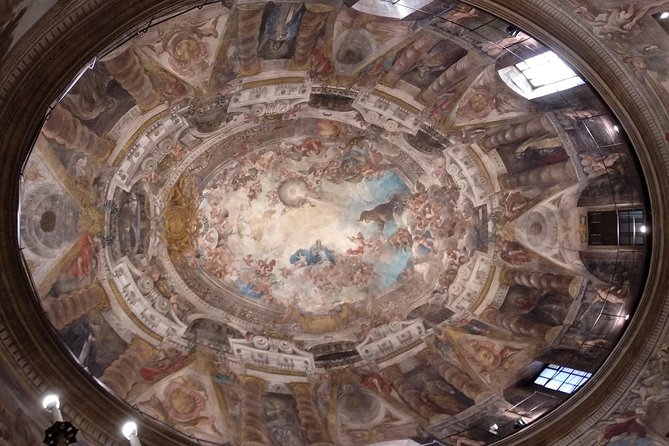
Next comes the Church of Saint Anthony of the German. From the street, it doesn’t look like much. That’s exactly why this stop works.
Inside, there’s something special: the ceiling is often compared to Madrid’s Sistine Chapel Ceiling. It’s the kind of detail you’d miss if you were just passing by—unless someone pointed you in the right direction and told you what to look for.
This is a short stop—about 3 minutes—so you’ll want to arrive ready to pay attention. If you’re the type who wanders around taking photos without listening first, adjust your approach here. The value is in the guided pointing-out.
One important consideration: admission here is not included. So if you want the full experience, plan for that small extra step. It’s not a deal-breaker, but it’s the one spot where your budget changes slightly.






Museo de Historia de Madrid and Goya’s Most Controversial Painting
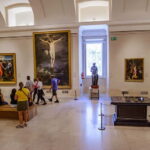
Your biggest indoor hit is Museo de Historia de Madrid, where the tour includes admission. You’ll spend around 15 minutes there, enough time to see the point of the visit without turning it into an all-day museum commitment.
This stop connects Malasaña’s atmosphere to bigger national history. You’ll hear a story about how a love affair between the queen and one of the king’s advisers is linked to the French invasion of Spain. Even if you already know Spanish history basics, this kind of cause-and-effect storytelling helps it land. It gives you human motives and political consequences instead of dates on a timeline.
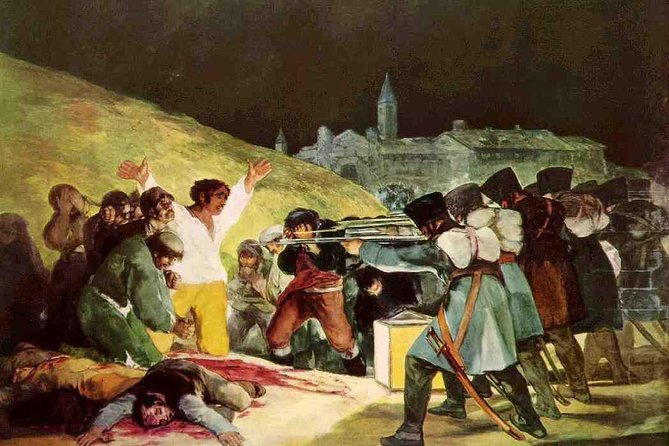
Then you get the art angle. The museum visit includes Goya’s most controversial painting—the kind of artwork that made waves for reasons that weren’t just aesthetic. Goya was never shy about the uncomfortable. This is a good stop if you like history with attitude, not history delivered in a monotone lecture voice.
If you’re doing Madrid in a short time window, this is a smart use of museum time. You’re not trying to cover every room. You’re getting one strong thematic connection tied back to the neighborhood story.
Why Malasaña’s Characters Still Shape Your Walk
One of the tour’s real strengths is that it doesn’t only talk about events. It talks about people. And in Malasaña, people are the engine.
When you hear about colorful characters who made the neighborhood their home, it changes the way you see the street. You start noticing how the district supports different kinds of life: small venues, informal corners, and spaces where a crowd can form fast. That’s part of why Malasaña became known for nightlife.
The tour’s “then and now” structure is what makes the stories useful. You’re not just learning what was happening generations ago. You’re learning why this area still attracts people who want their evenings to feel personal, close, and a little unpredictable.
And because the guide connects the dots, you leave with a mental map of causes:
- uprisings create a culture of tension and change
- artists and performers find room to experiment
- nightlife grows as people turn the neighborhood into their meeting place
It’s a neat chain. And once you see it, your walk feels more meaningful.
Price and Value for a Private 2-Hour History Walk
At $356.05 per person for about 2 hours, this isn’t a bargain-basement walking tour. But it also isn’t pretending to be. The value comes from two specific things you can actually feel during the experience.
First, it’s private. That matters because the guide can keep the pace and conversation aligned with your group. If you’re used to crowded group tours, this type of format often feels worth the extra cost because you spend less time waiting and more time getting answers.
Second, the tour includes admission at the Museo de Historia de Madrid stop, and the Microteatro ticket is free for your visit. So you’re not paying a high price just to stand outside buildings while you pay everything separately. The church stop is the exception (admission not included), but the structure is still better than many tours that charge you heavily while throwing in only exterior stops.
Is it expensive? Yes. Is it fair if you want a story-driven walk with curated interior moments? Also yes—especially if you’re the kind of traveler who likes understanding why places feel the way they do, not just where they are.
If you’re traveling with friends, this also can be easier to justify because you’re effectively buying a guided experience designed for just your group, not for mass scheduling.
Who Should Book This Malasaña Tour
This tour is a strong fit if you:
- want a neighborhood-focused history walk in Madrid, not a citywide overview
- like guided storytelling with clear connections between past and present
- appreciate short, intentional stops inside real places rather than long outdoor lectures
- prefer a private group format
It’s less ideal if you want a long museum day or if you dislike walking at a steady pace for about two hours.
It also suits solo travelers who want conversation and pacing without the noise of a larger crowd. And since service animals are allowed and most people can participate, it’s generally easy to join without needing special planning beyond your own comfort with walking.
Should You Book The Making of Malasaña?
If you care about Madrid beyond the postcard stuff, I think you’ll enjoy this. You get the feeling of Malasaña as a story—uprisings, character, performance spaces, and the shift to nightlife—plus you get real interior moments: a theatre with a past, a church with an eye-catching ceiling, and a museum stop built around the kind of historical drama Goya can’t resist.
Book it if you want a high-quality guide experience in a compact time window. Skip it only if you’re chasing a low-cost, high-volume checklist or you’re planning around tight weather-dependent timing.
Bottom line: this is one of those tours where the neighborhood starts speaking to you. And once it does, Madrid looks different on your walk back to dinner.
FAQ
How long is The Making of Malasaña?
It lasts about 2 hours.
Where does the tour start and end?
It starts at BULANCorre, Baja de San Pablo, 2 (Centro) and ends at El Penta Bar, C. de la Palma, 4 (Centro), near Tribunal metro.
Is this tour private?
Yes. It’s a private tour/activity, meaning only your group participates.
Is there a mobile ticket?
Yes, the experience includes a mobile ticket.
What about ticket prices for the stops?
Microteatro is free for the ticket on this visit, the church admission is not included, and the Museo de Historia de Madrid admission is included.
Does the tour run in any weather?
The experience requires good weather. If it’s canceled due to poor weather, you’ll be offered a different date or a full refund.