REVIEW · MADRID
Madrid Historic with an architect : Arabs, Austrias and Bourbons
Book on Viator →Operated by architoursmad · Bookable on Viator
Madrid can be read in stone.
This 3 to 3.5 hour walk is one of the best ways I know to understand how Arabs, Austrias, and Bourbons shaped central Madrid. I like that the guide is a local architect (Emilio) who uses plans and historical photos to explain what you’re seeing, not just recite dates. I also like the route’s smart variety: you go from the Teatro Real area to mudejar towers, an Arab Wall remnant, and the facades of the Royal Palace—all without needing to buy a bunch of museum tickets. One possible drawback: the stops are intentionally short, and the Royal Palace stop is for the exterior only, so if you want to go inside, you’ll need a separate plan.
This is a private tour for your group, led in English, starting at Pl. de Isabel II and finishing in the Plaza Mayor area (with the walk closing near Puerta del Sol’s Kilometer 0). You’ll be on your feet for a focused “great hits” arc through Madrid’s core, so comfortable shoes matter, and good weather helps since the experience depends on it.
In This Review
- Key Highlights to Expect on This Madrid Architecture Walk
- Why This Tour Works: Architecture as a Time Machine
- Teatro Real to Plaza de Oriente: How Madrid Turned Its City Into a Stage
- Royal Palace Facades: Bourbons You Can Spot Without Buying a Ticket for the Inside
- Plaza de Ramales and Santiago y San Juan: Ruins, Burial, and Layered Faith
- San Nicolas de las Servitas and the Mudejar Tower: Arab-Inspired Forms Inside Christian Madrid
- La Almudena Area: Viewing the Cathedral’s Story from the Right Angle
- The Arab Wall Remains: A Real 9th-Century Slice of Madrid
- Plaza de la Villa: Old City Hall and the Private Buildings That Define a Public Square
- Mercado de San Miguel to Plaza Mayor: One Practical Break, Then the Big Public Stage
- Price and Value: Paying for an Architect’s Eye, Not Just Walking
- Who Should Book This Tour—and Who Might Want a Different Style
- Final Call: Should You Book This Madrid Historic with an Architect Walk?
- FAQ
- How long is the tour?
- What language is the tour offered in?
- What is included in the price?
- Do I need to buy tickets at the stops?
- Is this a private tour?
- Where does the tour start and end?
- Is free cancellation available?
Key Highlights to Expect on This Madrid Architecture Walk
- Architect-led street reading with plans and historical photos tied to each era you pass
- Arab Wall remains from the 9th century, plus churches that show Christian Madrid building on earlier shapes
- Mudejar tower details at San Nicolas de las Servitas, including horseshoe-arch motifs
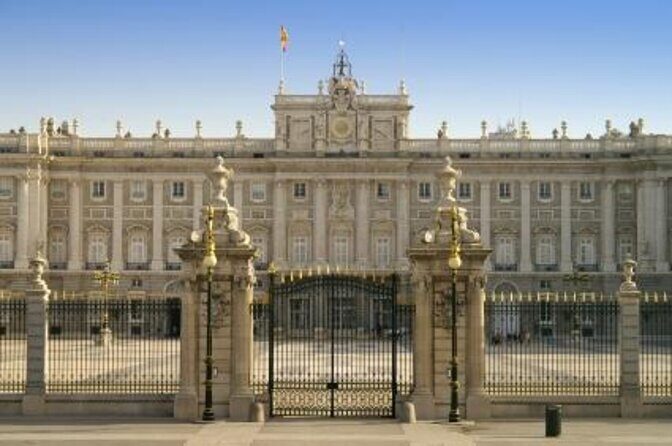
- Royal Palace facades, not the interior—perfect for architecture spotting if you don’t need museum time
- A steel-structured tapas stop at Mercado de San Miguel for an easy break without derailing the tour
- Castile’s Plaza Mayor to Kilometer 0 for the big public-space finish that feels very Madrid
Why This Tour Works: Architecture as a Time Machine
Madrid’s center can look like a mix of styles that were dropped there by accident. This tour fixes that. The guiding idea is simple: you don’t just see buildings—you learn why each new period kept the old city underneath, then added its own rules.
I love the practical mindset here. You’ll walk through a chain of places that each act like a chapter: theater and royal power, Moorish-era urban growth, Habsburg-and-Bourbon royal building, and the long stretch of Madrid’s civic life in squares and church neighborhoods. Since it’s led by a practicing architect (Emilio), the explanations tend to stick to what you can actually spot—facades, towers, urban layout, and the way walls and streets “remember” earlier plans.
The other reason it works is that it’s a tight route with lots of visual variety. In a single morning/afternoon block you can compare how styles shift from Arab-influenced elements (like horseshoe arches and older wall remains) to later royal and civic forms. That comparison is hard to do on your own at a normal walking pace.
You can also read our reviews of more historical tours in Madrid


Teatro Real to Plaza de Oriente: How Madrid Turned Its City Into a Stage
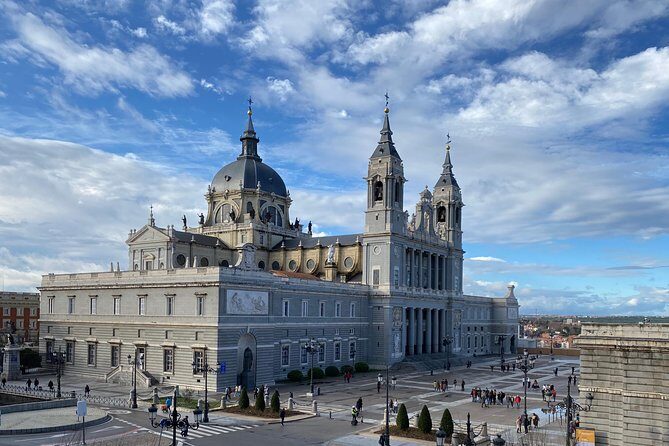
You start at the Teatro Real area, and the first stop is the Teatro Real itself. Even if opera isn’t your thing, this is a smart opening. The theater building gives you a quick entry point into Madrid’s modern identity: how public architecture signals status, culture, and power.
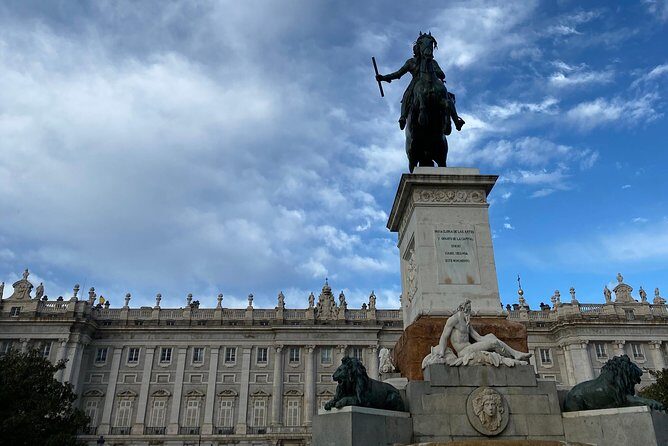
From there you head to Plaza de Oriente, where the focus becomes urban development over time. The point isn’t just to admire the square; it’s to learn how the city’s layout evolved from earlier eras to today. When a guide points out how neighborhoods and major public spaces grew, Madrid stops feeling random. You start noticing the “why” behind the street angles and where the city chose to concentrate movement and ceremonies.
Tip for you: at these first stops, keep your eyes up. Early on, the guide will likely connect what you see at street level to bigger urban decisions. If you’re scrolling on your phone, you’ll miss the connections that make the rest of the walk click.
Royal Palace Facades: Bourbons You Can Spot Without Buying a Ticket for the Inside
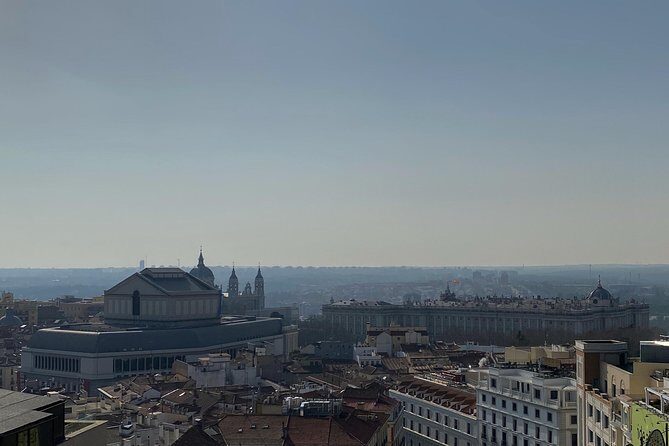
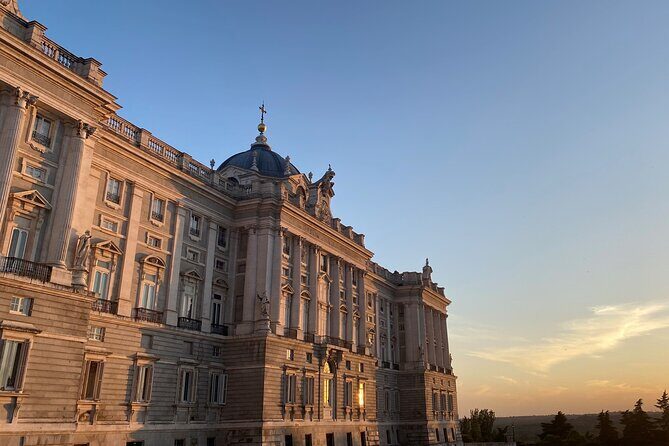
The Royal Palace stop is all about facades. That’s a big deal. This tour does not include the interior visit, so you’re not paying for time inside rooms you might not want. Instead, you’re free to focus on what architecture tells you from the outside—how royal building projected authority and how later rulers kept reshaping the look of the state.
The guide explains the different architects and kings involved in the overall project. Even without entering, that kind of context helps you read the building as a sequence of decisions, not one single moment in time. It also pairs well with what you learn earlier: architecture here isn’t isolated. It’s part of the same long story of Madrid’s power centers and how they shift.
Possible consideration: if you were hoping for a full palace experience with galleries and rooms, you’ll need another tour or a separate ticket. This walk is designed as an architecture and city-origins sampler, not an interior museum day.
Plaza de Ramales and Santiago y San Juan: Ruins, Burial, and Layered Faith
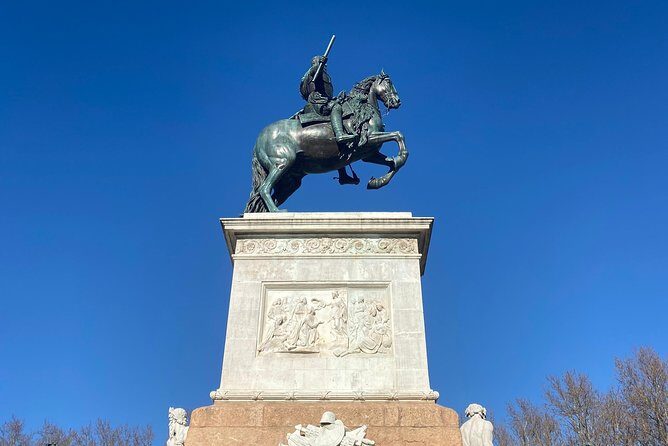
Next comes Plaza de Ramales, where you’ll see the ruins of the Church of San Juan. This is one of those stops where the guide’s explanations matter because ruins can feel “sad” instead of meaningful—unless someone frames what they’re showing you.
The key detail here: this is where painter Velázquez was buried. That connection pulls together art history and architecture in a way you can actually feel. Around the ruins you also get the church of Santiago, which keeps the focus on how Madrid’s religious buildings evolved in the same urban pocket.
Then you move on to the Real Iglesia Parroquial de Santiago y San Juan Bautista. The stop is short, but it fits the theme: the city’s spiritual centers weren’t built on blank ground. They were added, modified, and re-used as power and communities changed.
If you like architecture more than religious art, you can still enjoy this segment. The payoff is how these sites help you understand continuity—how a city keeps reworking its sacred and social anchors.
San Nicolas de las Servitas and the Mudejar Tower: Arab-Inspired Forms Inside Christian Madrid
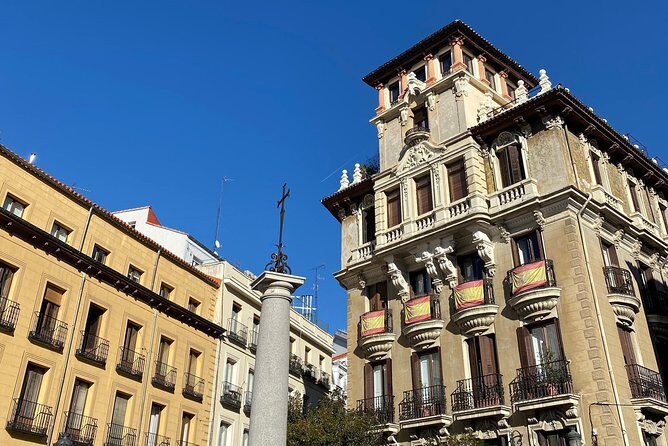
One of my favorite parts of this tour is the church of St. Nicholas of the Servitas (San Nicolas de las Servitas). Why? Because this is where you can see the meeting point of styles in a very physical way.
You’ll visit Madrid’s oldest church with a mudejar tower that features horseshoe-arch motifs. Those horseshoe arches aren’t just a decorative detail. They’re a clue to how earlier design language persisted and was reused in later Christian contexts. This is where the tour’s “Arabs, Austrias, and Bourbons” theme becomes real in your eyes, not just in your head.
Short stop length can be good here. If a guide gives you the right framing, you don’t need 45 minutes to spot what makes the tower distinct. Look for the arch forms and the way the tower’s structure emphasizes rhythm and repetition—mudejar design loves pattern.



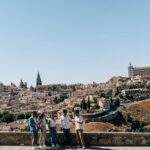
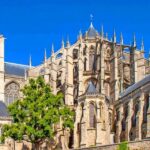

La Almudena Area: Viewing the Cathedral’s Story from the Right Angle
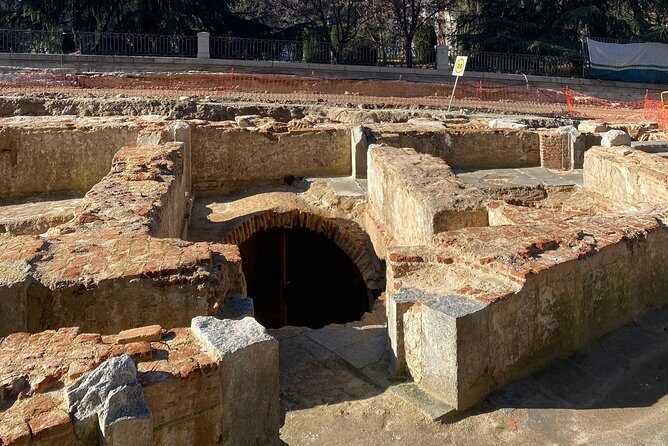
You’ll then go to the Museo de la Catedral de la Almudena. This segment is about the cathedral’s history explained with a viewpoint element—your guide talks about it from a seaview-style perspective (in other words, from an outlook that helps you understand the space around it).
This is the kind of stop that’s valuable because you get scale. Cathedral buildings can feel confusing if you only see them from one street. A guided viewpoint helps you connect the structure to its urban context—where it sits, how it relates to the surrounding city fabric, and why it became such a central symbol over time.
Since the tour is about urban development across eras, this stop acts like a bridge: you’ve moved through medieval and early layers, and now you’re connecting those layers to later Madrid’s major institutional symbols.
The Arab Wall Remains: A Real 9th-Century Slice of Madrid
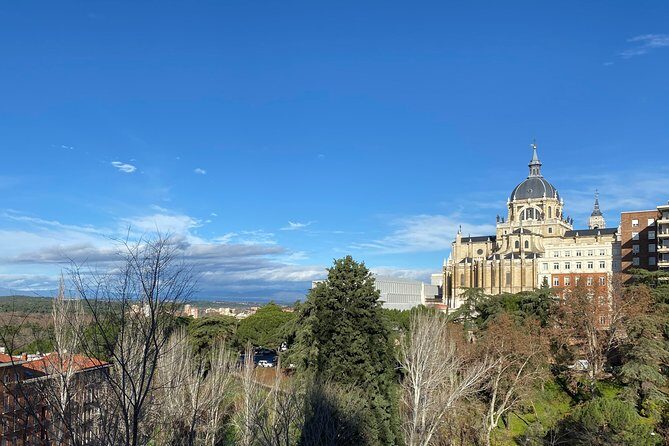
Then you hit the Arab Wall. This is the kind of stop that makes your walk feel like a detective story.
These are the only remains you have of old Arab walls built in the 9th century. Even if you know little about the period, the guide’s framing helps you see why “remains” matter. Walls are more than barriers. They define where a city grew, what it protected, and how later rulers inherited (and often built over) the same geography.
If you want the most out of this stop, slow down. Let the guide point out what you’re actually looking at. With walls, details can be subtle, and the meaning depends on noticing the structure and edges.
Plaza de la Villa: Old City Hall and the Private Buildings That Define a Public Square
Plaza de la Villa is where Madrid’s civic identity becomes visible. You’ll visit the old city hall and the surrounding buildings, including Casa de Cisneros and Casa de los Lujanes.
This is one of those areas where the architecture does “social work.” These buildings sit around public space, shaping how the square feels and how people move through it. The guide’s explanations help you see why these facades and courtyards mattered: they weren’t just fancy backdrops. They supported government, commerce, and the everyday power dynamics of the city.
What I like about this section is that it breaks the pattern of royal-only architecture. By the time you reach Plaza de la Villa, the tour has already taught you how rulers built symbols. Here you see how the city organized itself day to day—still important, just less obvious at first glance.
Mercado de San Miguel to Plaza Mayor: One Practical Break, Then the Big Public Stage
At Mercado San Miguel, you’ll stop at the market with a steel structure. It’s described as the only market with that kind of structure in Madrid. That’s a fantastic example of how architecture isn’t only castles and palaces. Market design is city design.
This is also where the tour gives you an easy option: have a drink and eat tapas. The best part is you don’t lose the thread of the day. You get a real Madrid moment—food in a historic center—while still staying on schedule.
After that, you finish at Plaza Mayor, a famous square from Castilla that has shaped Madrid’s social and commercial life for about the last 400 years. This is the “big reveal” finale. If earlier stops taught you to read buildings, Plaza Mayor teaches you to read public space.
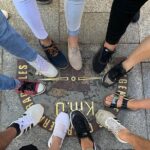
Then you close near Puerta del Sol, at Kilometer 0. That’s Madrid’s symbolic reference point, and it’s a fitting end: from old walls to central squares, you end where most first-time visitors try to orient themselves.
Price and Value: Paying for an Architect’s Eye, Not Just Walking
At $65.89 per person, this tour isn’t the cheapest option in Madrid. But it also isn’t a generic walking tour.
You’re paying for:
- A local architect guide (Emilio) who explains architectural changes in context
- Plans and historical photos to anchor what you see
- A private format so it’s only your group
- A route with mostly free stops, so you’re not stacking paid admissions on top of the ticket
That value equation matters. A lot of architecture tours become ticket-hunts. Here, most of the stops are free (including Teatro Real building viewing, Plaza de Oriente, several churches, and the Arab Wall). The one clear exception is that the Royal Palace interior isn’t included—so if that matters to you, budget extra time (and possibly a ticket) elsewhere.
Also note the pacing: stops are typically 5 to 10 minutes. If you prefer slow sightseeing and long photo sessions, you may have to do extra wandering after. The upside is you cover a lot of ground in one go.
Who Should Book This Tour—and Who Might Want a Different Style
This is a strong fit if:
- you love architecture and want explanations tied to what you can see
- you’re in Madrid for a short time and want the main story of how the city changed
- you like churches, towers, walls, and squares more than museums inside rooms
It might feel less ideal if:
- you want a long, detailed interior visit to the Royal Palace (this tour stays exterior-only there)
- you want long stays at each site rather than quick, guided highlights
One more practical note: the tour depends on good weather. If skies look rough, wear layers anyway. In Europe, weather changes fast, and this route involves outdoor walking between sites.
Final Call: Should You Book This Madrid Historic with an Architect Walk?
If your goal is to understand Madrid quickly and accurately—especially the city’s Arab-era foundations, then the later royal building styles—this is a smart booking. The price is reasonable for what you get: an architect’s street-level reading, a route that strings together many eras, and a finish that lands you right where Madrid’s story feels most concentrated.
I’d book it if you want clarity over chaos. It turns the center into an easy-to-follow timeline you can walk through yourself.
If you tell me your travel dates and whether you care more about interiors or exteriors, I can suggest the best way to pair this with one or two additional Madrid stops.
FAQ
How long is the tour?
It lasts about 3 to 3.5 hours.
What language is the tour offered in?
The tour is offered in English.
What is included in the price?
You get a visit led by a local architect with artistic and historical context for the buildings, plus plans and historical photos to understand how the city developed.
Do I need to buy tickets at the stops?
Most stops are listed as free. The Royal Palace exterior is included, but the interior visit is not included, so you’d need your own arrangement if you want to go inside.
Is this a private tour?
Yes. It’s private, and only your group participates.
Where does the tour start and end?
It starts at Pl. de Isabel II, 4, Centro, Madrid, and ends in the Plaza Mayor area.
Is free cancellation available?
Yes. You can cancel up to 24 hours in advance for a full refund.