REVIEW · TOLEDO
Toledo: City of the Three Cultures Guided Walking Tour
Book on GetYourGuide →Operated by DE PASEO · Bookable on GetYourGuide
Toledo makes one big idea feel real. You’ll walk through a city shaped by Jews, Muslims, and Christians sharing space for centuries. The route focuses less on random sightseeing and more on how the buildings and street patterns grew from that mix.
I especially like the big-monument storytelling. From Plaza Zocodover to the Cathedral tower over Ayuntamiento Square, you get clear context for what you’re seeing. I also like the Jewish Quarter stops, including the synagogues and the church tied to El Greco.
One possible drawback: the experience depends on your guide’s delivery and the pace. If you’re hoping for a strict, main-sights-only checklist, you may want to be flexible, because some time is spent in neighborhood streets rather than only inside-ticket highlights.
In This Review
- Key points worth your attention
- Toledo’s Three Cultures: Why This Walk Works
- Plaza Zocodover: Starting Where Toledo Reads Like a Map
- The Alcaná: Old Market Streets and the Cervantes Connection
- Ayuntamiento Square and the Cathedral Tower You Can’t Miss
- The Jewish Quarter Stops: Synagogues, Santo Tomé, and San Juan de los Reyes
- Church of Santo Tomé (El Greco)
- Synagogues: Santa María la Blanca and del Tránsito
- Monastery of San Juan de los Reyes
- How the Guide Makes or Breaks It
- Time on Your Feet: What 1.5–3 Hours Feels Like
- Price and Value: What $14 Buys You Here
- Should You Book This Toledo Walking Tour?
- FAQ
- Where does the tour meet?
- How long is the walking tour?
- What languages are offered?
- What’s included in the price?
- What should I bring or show at the start?
- What time should I arrive?
- Is it a private or small-group experience?
- Can I cancel or change plans?
Key points worth your attention
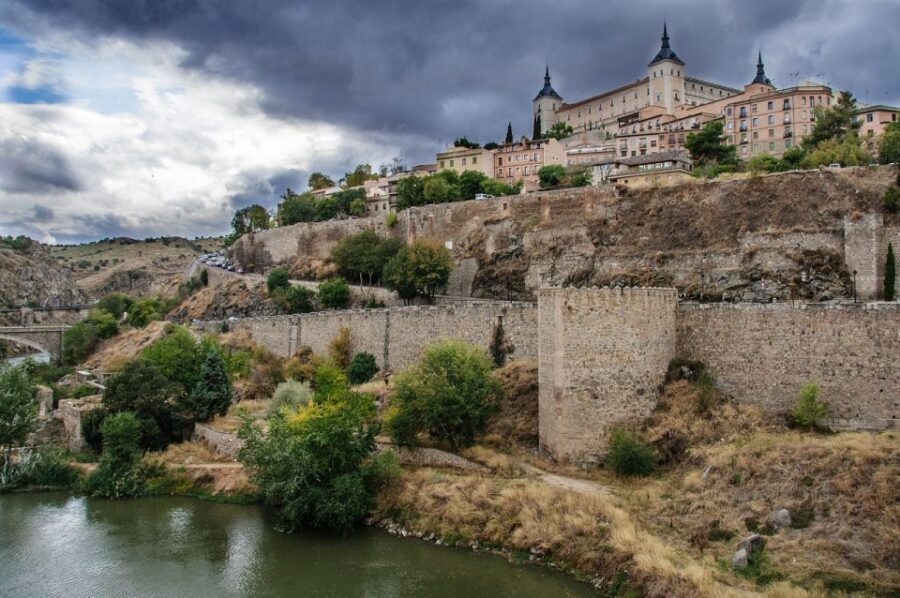
- Three-culture history on a walk across the city center, not in a museum room
- Plaza Zocodover to the Cathedral tower so you understand where power and belief sat
- Ayuntamiento Square details like the 92-meter tower and the Campana Gorda
- Jewish Quarter focus with synagogues and major Christian landmarks nearby
- Stops linked to famous art such as El Greco’s presence in Santo Tomé
- Guide quality matters for clarity and for how much you get out of each stop
Toledo’s Three Cultures: Why This Walk Works
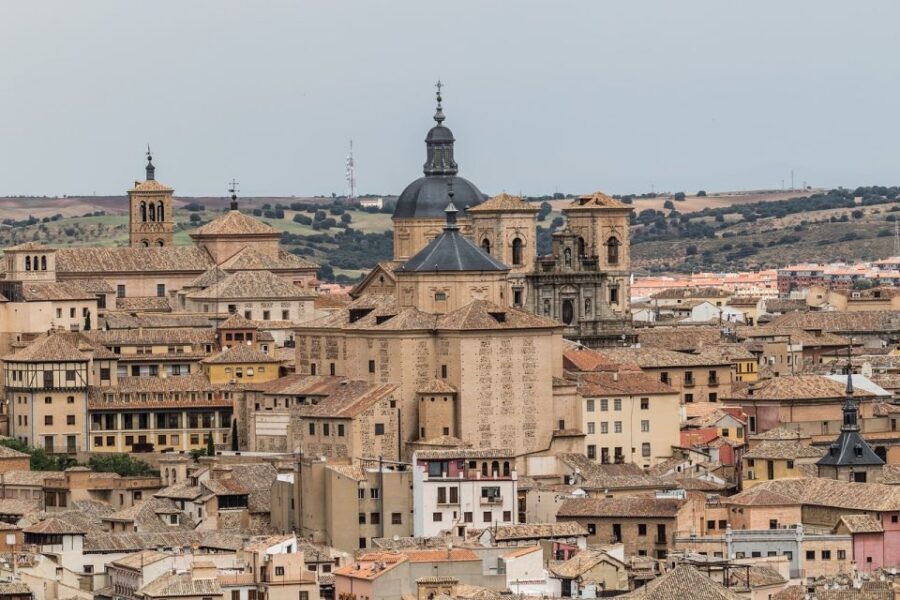
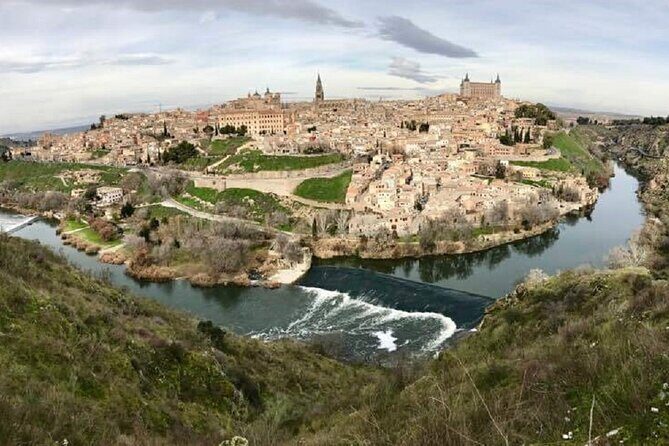
Toledo is the kind of city where history isn’t stuck behind glass. It’s built into streets, squares, and the way neighborhoods connect. This guided walking tour uses that advantage. Instead of bouncing between far-apart sights, you move through the old center in a way that helps you see how communities lived close to one another.
The most valuable thing here is the framing. You’re not just looking at pretty facades. You’re learning what the city looked like when different religions shared the same urban space, and how that left a physical mark—cathedrals and palaces, but also synagogues and churches.
It’s also a good length for first-timers. At 1.5 to 3 hours, you get enough time to connect the dots without turning your day into a sprint. You can still add a cathedral interior visit later if you want to go deeper.
You can also read our reviews of more walking tours in Toledo

Plaza Zocodover: Starting Where Toledo Reads Like a Map

The tour begins at Plaza Zocodover, next to the yellow mailbox. It’s a smart start point because it’s the nerve center of the historic quarter. Even before you walk, you’re in the right mood: this is where locals and visitors have long gathered, and it’s easier to orient yourself fast.
From here, you also get an immediate view into one of Toledo’s defining silhouettes: the north façade of the Alcázar, designed by Alonso de Covarrubias in the 16th century. The exterior view matters because it gives you a mental landmark for the walk ahead. You’ll spend the rest of the time looking at streets and squares with a clearer sense of direction.
If you like tours that help you understand a city’s geometry, this part is useful. Plaza Zocodover isn’t just a meeting point. It’s a reference point for how Toledo’s historic area functions.
The Alcaná: Old Market Streets and the Cervantes Connection
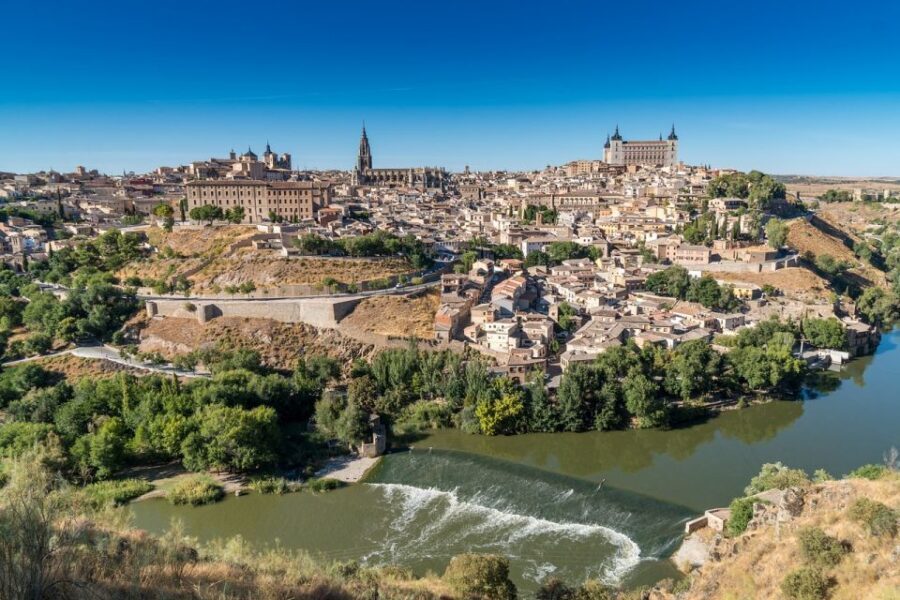
Next comes the Alcaná, an old commercial area. This is where Toledo shifts from “big monuments” to the everyday rhythm that helped the city earn its reputation. Commercial streets are often where you feel the layers of time most clearly—narrow lanes, dense building edges, and that slightly maze-like feeling that makes old centers memorable.
There’s also a nice literature link here: it’s said that Miguel de Cervantes, author of Don Quixote, used to walk in this area. That kind of detail doesn’t replace history, but it adds personality. It helps you picture the street as lived-in, not staged for tourists.
A small practical tip: after a couple of stops, you’ll likely start noticing how often Toledo’s main sites connect through pedestrian paths and side streets. That’s the big payoff of spending time in places like the Alcaná. You’ll understand the city as a network, not a list.
Ayuntamiento Square and the Cathedral Tower You Can’t Miss
Ayuntamiento Square is a highlight for good reason. You arrive, and suddenly the architecture gets grand—fast. You’ll see the Cathedral and its 92-meter-high tower, including the Campana Gorda, known as the “Fat Bell.” The tour frames it as the largest bell in Spain and also calls the Cathedral Dives Toletana, thanks to its artistic and historical heritage inside.
Even if you don’t go inside during the tour, the exterior perspective is still worth it. Tall towers act like navigation tools in old cities. They help you keep track of where you are and why the square feels like a center of gravity.
Two more buildings at the same square are also important for understanding Toledo’s power structure:
- The Archbishop’s Palace, the residence of the Archbishop of Toledo
- The Town Hall, designed in the 16th century by Juan de Herrera, a key architect connected to Herrerian style (the last name famously became part of the architectural label)
This is where the tour’s “three cultures” theme pays off again. Even if your eyes are drawn to the Cathedral, the square helps you see how religious authority and civic authority sat side by side. That overlap is part of how Toledo became what it was—never only one story, always several at once.
The Jewish Quarter Stops: Synagogues, Santo Tomé, and San Juan de los Reyes
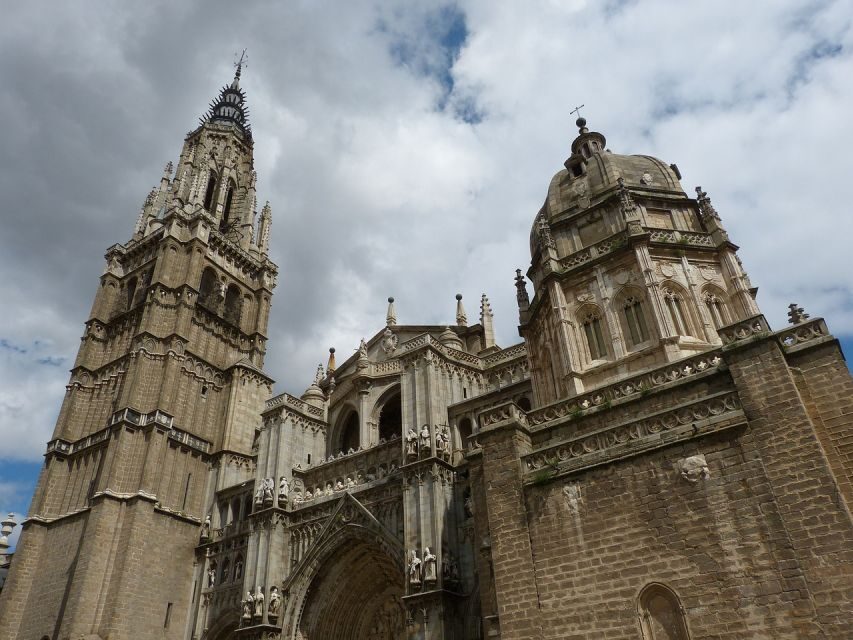
Now you shift into the area most tied to the tour’s core theme: the Jewish Quarter. The guide’s job here is to explain how this community shaped Toledo’s architecture and broader city story over time. The payoff is that you’ll understand the sights as part of a living neighborhood, not as isolated monuments.
Several key stops come up here:
You can also read our reviews of more guided tours in Toledo




Church of Santo Tomé (El Greco)
You’ll visit Santo Tomé, which preserves what’s described as El Greco’s most important painting. That connection makes this stop feel extra concrete. When a religious building is tied to a major artist, it becomes more than a background setting. It turns into a destination.
Practical note: you’ll likely want to plan your expectations. A walking tour can point you toward the artwork and explain its importance, but your level of detail will depend on what the guide has time to cover and what you decide to add later.
Synagogues: Santa María la Blanca and del Tránsito
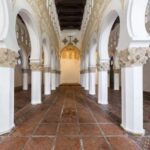
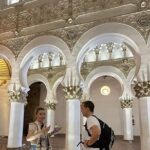
Two synagogues are included on the walk: Santa María la Blanca and del Tránsito. Seeing them as separate stops is valuable. It prevents you from lumping them into one “category.” The guide can focus on what makes each one distinct, while still keeping the bigger context in view.
Monastery of San Juan de los Reyes
Finally, you reach San Juan de los Reyes, a monastery that rounds out the Christian side of the neighborhood’s story while still fitting the tour’s theme of overlap. It helps you see the Jewish Quarter as part of the larger Toledo city plan, not as a fenced-off section.
If you care about how art, faith, and civic space interact, this section is the reason the tour earns its strong ratings. It’s not just facts. It’s a path through meaning.
How the Guide Makes or Breaks It
This tour is led by an expert guide, with language options in English and Spanish. That part is straightforward. The real question is how clearly the guide can connect the dots while keeping the group moving.
In the feedback pattern around this tour, one name pops up repeatedly: Jesus, described as born in Toledo and genuinely passionate about the city. That matters because Toledo’s story can get heavy fast if it’s delivered like a textbook. A guide who cares can keep it human—street-level and easy to follow.
Another guide mentioned is Noelia. People also describe her as enthusiastic and friendly, but there’s a key caution for you: clarity can vary. If you’re the type who gets frustrated when you can’t fully catch the guide’s wording, you may want to confirm your language comfort level before you book.
What I’d do: plan to ask yourself one question ahead of time. Are you comfortable enjoying a walking history experience where explanations drive the value? If yes, this tour tends to work well. If you prefer lots of silence and quick photo stops, you might feel the time spent listening is too much.
Time on Your Feet: What 1.5–3 Hours Feels Like
Since this is a walking tour, you should treat it like one. The duration is 1.5 to 3 hours, so bring your usual city-walking basics: comfortable shoes and a water bottle if it’s warm.
Because the route includes older streets and crowded-looking historic lanes, your pace will likely feel slower than on a modern city sidewalk. That’s not bad—it’s what keeps the experience connected. But it does mean you’ll want to avoid scheduling something tight immediately afterward.
Also, expect a “you stand, you listen, you walk” rhythm. Toledo’s best moments often happen when you pause to look—at a tower, a façade, a square. If you’re the kind of person who likes to photograph everything, you might need a little extra time for the camera breaks.
Price and Value: What $14 Buys You Here
At about $14 per person, this is a budget-friendly way to get a guided plan through some of Toledo’s most important zones. What you’re paying for isn’t entrance fees or a private chauffeur. It’s interpretation—someone putting the city’s layout and key sites into words while you move.
Here’s the value logic I like:
- You get an expert guide throughout
- You cover multiple major areas that would take planning to connect on your own
- You get clear attention on signature details like the Cathedral tower, the Campana Gorda, and the Jewish Quarter landmarks
The only caveat is that not every monument is automatically an interior visit. The tour recommends visiting the Cathedral interior with a guide, which hints that the walking tour is more of an orientation plus highlight story than a full museum day. If your goal is purely to see inside lots of buildings right away, you might need to pair this with additional timed entry plans.
Still, for learning the city’s structure and the “three cultures” theme, the price-to-time ratio is strong.
Should You Book This Toledo Walking Tour?
I’d book it if you want your first Toledo day to make sense quickly. This is the kind of tour that helps you return to later monuments with better context. The starting point at Plaza Zocodover, the way it pairs Ayuntamiento Square’s major structures with the Jewish Quarter, and the art link to El Greco all create a coherent story.
I’d think twice if you’re very sensitive to guide clarity. Language delivery can shape how much you enjoy the experience, and not everyone has the same level of comprehension from the guide’s narration. If you’re worried about that, choose English or Spanish based on your comfort and show up ready to listen.
If you want a practical rule: book it when you care about history and architecture explanations more than you care about ticking off every interior on the same schedule. For most people, that’s exactly what makes it feel worth it.
FAQ
Where does the tour meet?
The meeting point is Plaza Zocodover, next to the yellow mailbox. The guide carries a white umbrella.
How long is the walking tour?
It runs about 1.5 to 3 hours.
What languages are offered?
The live tour guide is available in English and Spanish.
What’s included in the price?
You get an expert guide throughout the tour.
What should I bring or show at the start?
You need to show a printed ticket or the e-ticket on your mobile at the meeting point.
What time should I arrive?
Arrive at the meeting point at the indicated time for a punctual start.
Is it a private or small-group experience?
Private or small groups are available.
Can I cancel or change plans?
There’s free cancellation up to 24 hours in advance for a full refund, and there’s an option to reserve now & pay later to keep plans flexible.