REVIEW · TOLEDO
Toledo: History of the Three Cultures Guided Walking Tour
Book on GetYourGuide →Operated by Toledo 3 Culturas · Bookable on GetYourGuide
Toledo feels like a living textbook. This guided walking tour helps you connect the city’s walls to the real-life mix of faiths that shaped life here, from grand stone buildings to narrow streets. I especially love how the guide turns architecture into a timeline, and how you get hands-on context for the three religions story rather than just dates and names. The Synagogue of Santa María la Blanca stop is a standout moment that makes the past feel specific, not abstract.
I also like that the experience runs as a tight 3-hour route with a local guide, so you keep moving and your questions get answered as you go. A fair consideration: this is still a walking tour rain or shine, and the main sights come with the usual “plan for time and tickets” vibe since monument entry fees aren’t included.
In This Review
- Key Things I’d Book This For
- Toledo’s Three Cultures: Why This Walk Works So Well
- Starting at Arco de la Sangre and Plaza de Zocodover
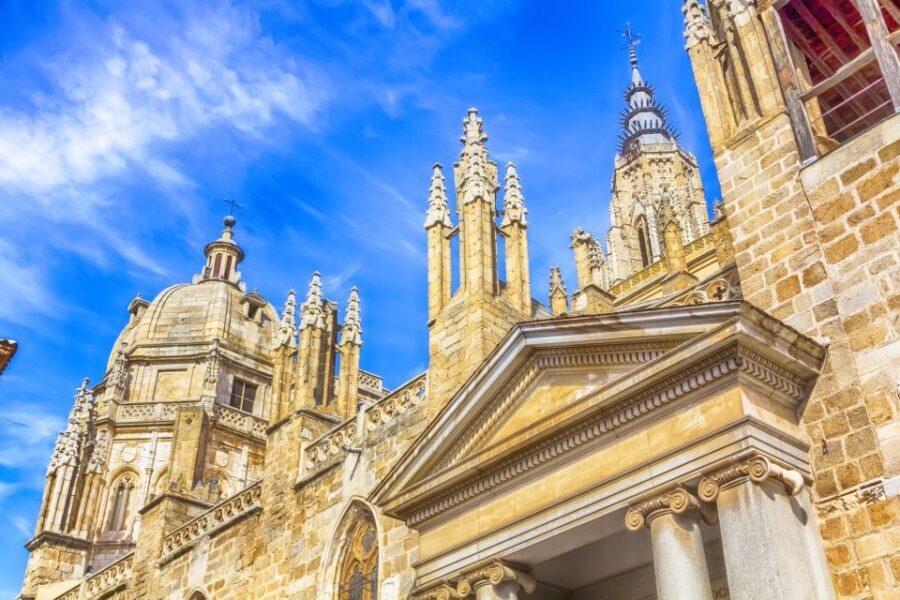
- The Cathedral Stop: Reading Power in Stone
- Church of Santo Tomé and Mudejar Details You’ll Actually Spot
- Synagogue of Santa María la Blanca: A Turning Point
- Jewish Quarter Walking: Where Coexistence Feels Street-Level
- Monastery of San Juan de los Reyes and the Finish at Calle de los Reyes Católicos
- Price and Value: Does $265 Per Group Make Sense?
- Practical Tips for Enjoying a 3-Hour Walking Route
- Should You Book This Three Cultures Walking Tour?
- FAQ
- Where does the tour start?
- How long is the tour?
- What’s included in the price?
- Are monument or museum tickets included?
- Is the tour private?
- What languages are available?
- Is the tour wheelchair accessible?
- Will the tour happen in bad weather?
- What should I bring?
- How much does it cost?
Key Things I’d Book This For
- Three cultures, explained street by street instead of as a lecture
- Mudejar architecture cues that you learn to spot while you walk
- Cathedral to synagogue contrast in one continuous route
- Jewish Quarter streets that help you understand neighborhood life
- Impressive landmark buildings with context, not just photos
- Strong guides with real command of the story (I’ve heard names like Juan Ignacio, Laura Garcia, Celia, and Irena Fernandez)
Toledo’s Three Cultures: Why This Walk Works So Well
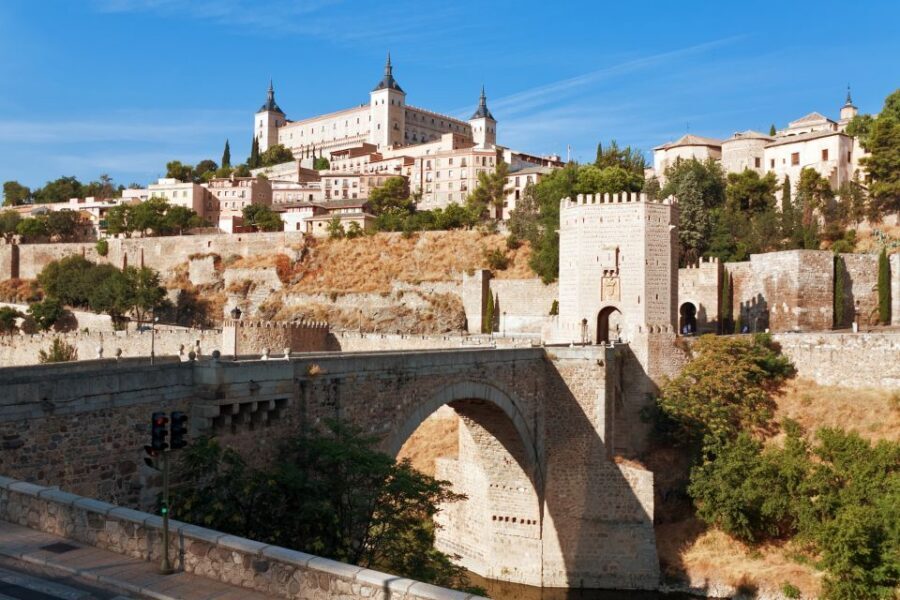
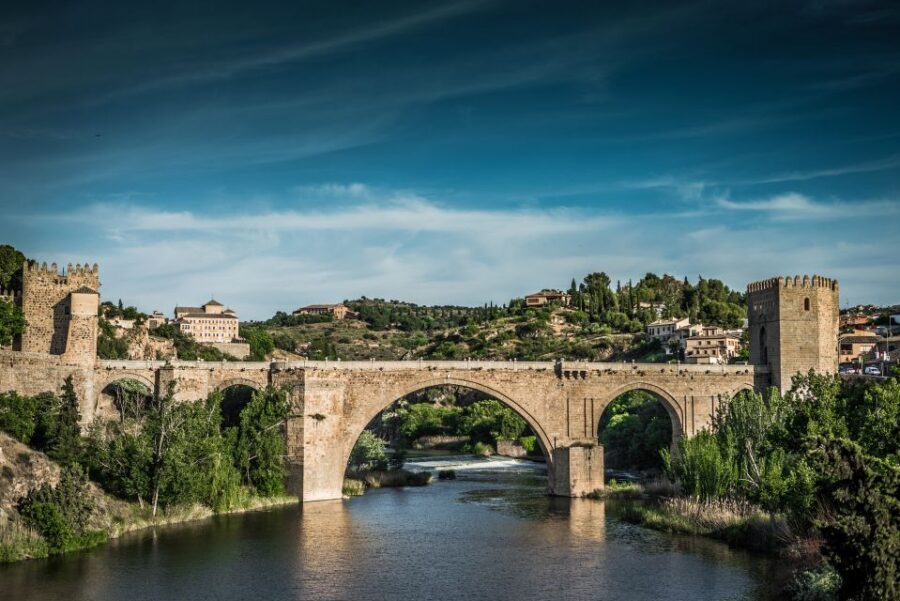
Toledo is one of those Spanish cities where history isn’t behind glass. It’s on walls, in street corners, and in the way different styles sit side by side. The whole point of this tour is to help you read the city like a map of coexistence and change, not as a single-era theme park.
You’ll focus on what people shared (and argued about) over time: the Christian, Muslim, and Jewish presence that shaped Imperial Toledo. That matters because Toledo’s buildings aren’t just pretty. They’re evidence of who lived where, what a community valued, and how styles traveled.
And you’ll see enough variety to keep it interesting. You start with big public spaces, move through major religious landmarks, and then slow down in the old Jewish Quarter where the streets feel made for walking. This is how you get the “oh, that’s why it looks like that” feeling.
You can also read our reviews of more walking tours in Toledo

Starting at Arco de la Sangre and Plaza de Zocodover
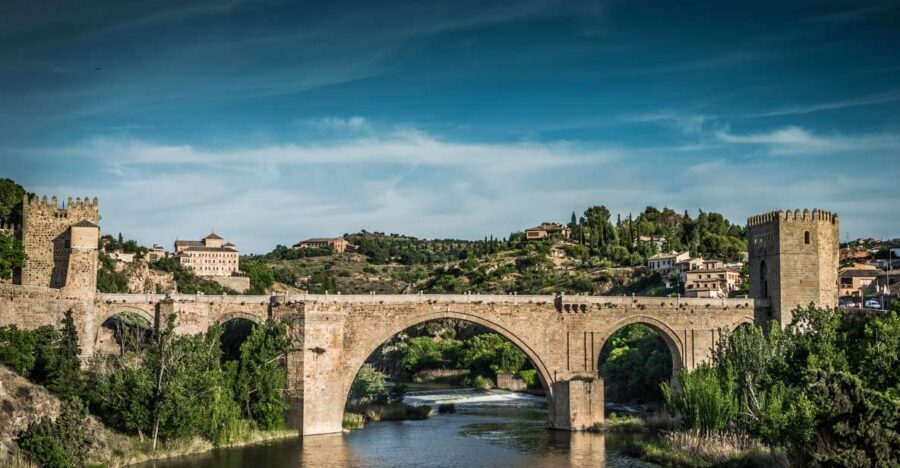
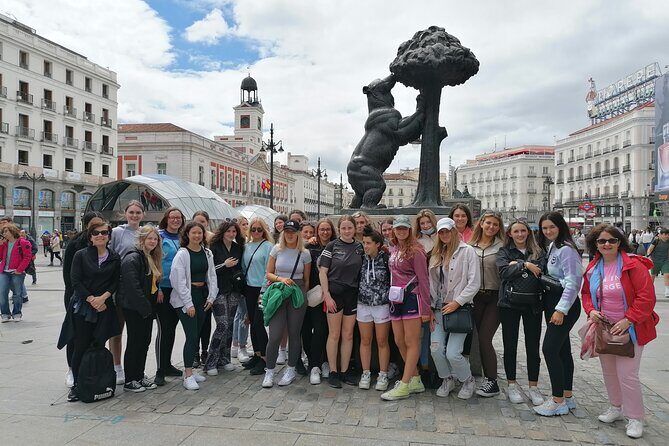
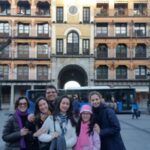
The tour begins around Arco de la Sangre, then brings you quickly to Plaza de Zocodover—the pulse of Toledo. This is a good place to start because it’s where you can get your bearings fast. The meeting point is in Zocodover Square under the arch with a clock, next to a Santo Tomé store.
From here, you’ll get the framework for everything you’ll see later. The guide doesn’t just name places; you’ll understand why Toledo’s “three cultures” story isn’t a slogan. It’s a pattern that shows up in the city’s structure and in how communities organized daily life.
Also, pay attention to the first few moments. Guides like Juan Ignacio and Laura Garcia (names mentioned in past tours) are praised for answering questions and guiding people through the logic of what you’re looking at. That’s a real advantage on a walking route—when you know what matters, you notice more.
What to watch for: Toledo streets can feel like a maze when you first arrive. Use this start to mentally bookmark the direction of major landmarks, so later turns don’t feel random.
The Cathedral Stop: Reading Power in Stone
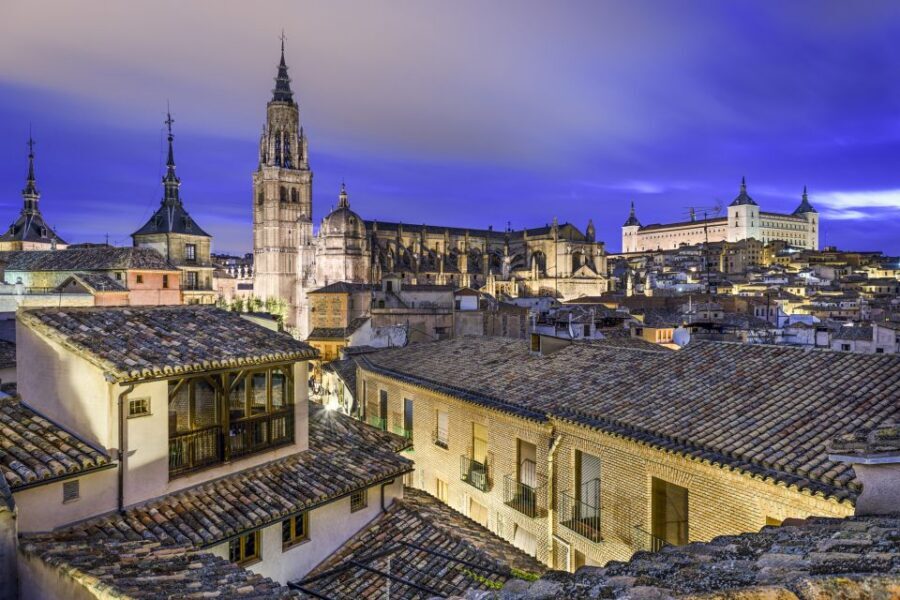
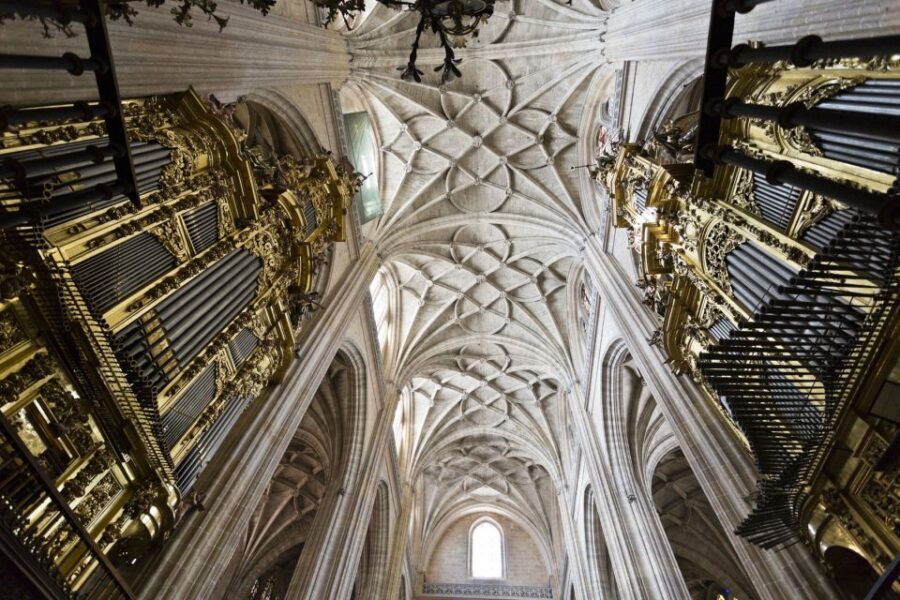
One of the biggest stops is Toledo Cathedral. This isn’t just a “look up and admire” moment. The guide’s job is to help you understand how a dominant Christian monument fits into the broader story of the city.
When you stand in the cathedral area, it’s easy to think of it as a single era. The tour helps you widen your view. You’ll connect the cathedral’s imposing presence to Toledo’s long arc—how religion, politics, and identity were deeply tied together. Even if you’re not a hard-core architecture person, you’ll likely come away understanding why monumental buildings were built to be seen and remembered.
Potential drawback: cathedral surroundings often mean crowds and busy foot traffic. The tour is planned as a walking flow, but it can still feel more “city” than “quiet museum.”
Church of Santo Tomé and Mudejar Details You’ll Actually Spot
Next up is Church of Santo Tomé, a stop that fits the tour’s “three cultures” theme perfectly because it helps you notice stylistic echoes—especially Mudejar elements. Mudejar isn’t just a buzzword. It’s a reminder that style and craftsmanship moved across communities, even when the religious labels were different.
This is also the part where the tour becomes more than sightseeing. You’ll learn what features to look for and how those details reflect cultural overlap. I like this approach because it turns the city into a visual puzzle you can solve with your eyes, not just your ears.
If your guide is strong—like the guides named Celia or Laura Garcia in past experiences—you’ll likely get a lot of “wait, look at that” moments, plus answers when you ask practical questions about what you’re seeing.
Tip for you: take one slow minute here. Pause, look, and let the guide’s explanation settle. This is one of the easiest places to rush and miss the point.
Synagogue of Santa María la Blanca: A Turning Point
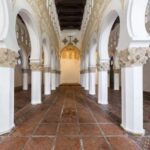
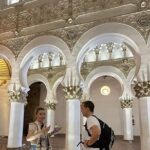
Then comes Synagogue of Santa María la Blanca. This is a key stop because it shifts the story from exterior dominance to community identity. A guided explanation here changes how you perceive the synagogue—not as a standalone monument, but as part of the neighborhood life that the tour highlights.
The tour emphasizes the lived experience of Jewish communities, including how those neighborhoods functioned within the city. When you stand at a religious site like this, the “three cultures” idea becomes real. You’re seeing places that were important to people, not just eras on a timeline.
This is one of the best reasons to book a guided walk instead of trying to self-route. Without context, you’ll still enjoy the architecture—but with context, you understand why the site matters in the bigger story of Imperial Toledo.
Consideration: monument entries are not included, so you’ll need to plan on buying tickets on site for the relevant stops, which can add a little friction.
You can also read our reviews of more guided tours in Toledo




Jewish Quarter Walking: Where Coexistence Feels Street-Level
After the synagogue, you move through the Jewish Quarter, Toledo, walking narrow streets that give you a different kind of understanding. This section matters because it shifts from building-to-building to neighborhood rhythm.
This is where the tour earns its walking format. You feel how the streets shape movement, how people would naturally cluster around important religious and community spaces, and how the city’s layout helps explain the coexistence story. It’s the “you are inside the place” moment.
The best guided walks here help you connect details to everyday life. In prior experiences, guides like Irena Fernandez were praised for sharing anecdotes and pointing out places that don’t always get the most attention. Even when you’re visiting major named sites, the value is in the small “why this corner matters” commentary that makes the quarter feel understandable.
What I’d do if you want the best experience: keep your eyes moving. Look at street widths, turns, and sightlines. The guide’s explanations work better when you can match them to what you’re walking through.
Monastery of San Juan de los Reyes and the Finish at Calle de los Reyes Católicos
The tour continues to Monastery of San Juan de los Reyes. Monasteries can feel like “one more building” on a busy itinerary, but this stop closes the loop. It reinforces how Toledo’s religious architecture reflects the city’s long-changing identity.
Even if you focus mostly on the big picture, you’ll likely notice how the monastery’s presence adds weight to the ending. After you’ve already seen Christian and Jewish landmarks (and learned about the broader three-cultures coexistence), the monastery stop helps you see continuity and change in one sweep.
You finish near C. de los Reyes Católicos, 45002 Toledo, which is a practical end point because it puts you close to where you can continue exploring on your own afterward.
Price and Value: Does $265 Per Group Make Sense?
The tour is listed at $265 per group up to 10 people, lasting 3 hours, with a local guide included. That pricing structure matters. You’re not paying per person in a way that makes solo booking feel wildly expensive. Instead, it’s set up for small groups where the guide time and interpretation are the product.
Here’s how I think about value for this specific walk:
- You’re paying for context. The stops are major, but the tour’s real worth is the guided story that connects them into a three-cultures narrative.
- You’re getting a tight route that doesn’t waste time. Three hours is enough to cover a meaningful arc without turning into an all-day march.
- You’re not paying for entry tickets. Monument and museum tickets aren’t included, and you’ll buy them in situ. If several sites require admission, that’s extra cost you should expect.
If your goal is to walk smart, learn fast, and get coherent explanations as you move—this price can feel fair. If you prefer self-guided touring with zero guided interpretation, you’d likely get less value here.
Practical Tips for Enjoying a 3-Hour Walking Route
A few practical notes make a big difference with this kind of tour.
- Bring comfortable shoes. Toledo’s old streets can be uneven and tiring, and you’ll be on your feet for the full 3 hours.
- Expect rain or shine. If weather turns, you’ll still be walking and still be outdoors between stops.
- Keep water handy. The tour includes walking time between landmarks, and the itinerary doesn’t mention breaks beyond what the guide naturally builds in.
Also, know what’s included and what isn’t. You get the local guide and the guided walking visit. You do not get monument entries. That means your schedule is best treated as flexible in the moments you may need to buy tickets.
If your group needs translation, the guide languages include Spanish, English, French, Italian, German, and Portuguese, which helps a lot if you’re traveling with multilingual friends.
And yes—this tour is listed as wheelchair accessible. The walking format still means you’ll want to consider comfort and pacing, but accessibility is explicitly supported.
Should You Book This Three Cultures Walking Tour?
Book it if you want a walking tour that actually explains Toledo’s layered identity: three cultures, street-level neighborhoods, and major landmark buildings connected into one understandable story. This is especially worth it if you like learning by seeing—standing in the right place while someone explains what it means.
Skip it or adjust expectations if you dislike walking for 3 hours, if you want zero ticket hassle, or if you only want “top photo spots” without interpretation. The tour is built for understanding, not just for a checklist of sights.
If you’re choosing between self-guided roaming and a guide who can answer your questions clearly, I’d lean guide—because Toledo rewards context, and this tour is designed to give it.
FAQ
Where does the tour start?
The meeting point is in Plaza de Zocodover, under the arch with a clock, next to a Santo Tomé store.
How long is the tour?
The tour lasts about 3 hours.
What’s included in the price?
It includes a local guide and the guided walking tour.
Are monument or museum tickets included?
No. Entrances to museums and monuments are not included and are purchased in situ.
Is the tour private?
Yes, it’s listed as a private group tour.
What languages are available?
The live guide is available in Spanish, English, French, Italian, German, and Portuguese.
Is the tour wheelchair accessible?
Yes, it’s listed as wheelchair accessible.
Will the tour happen in bad weather?
Yes. The tour takes place rain or shine.
What should I bring?
Wear comfortable shoes for a walking tour.
How much does it cost?
The price is $265 per group (up to 10 people).