REVIEW · TOLEDO
Toledo: Private Monuments Walking Tour with Monument Entry
Book on GetYourGuide →Operated by EVOCARTE · Bookable on GetYourGuide
Toledo rewards slow wandering, and this tour is designed for it. You’ll trace the city’s mix of faiths through three standout monuments, while your guide helps you connect what you’re seeing to the big story of Toledo. I especially like that the tour doesn’t feel like a quick photo stop; it’s built around authoritative commentary and real historical context, which makes the streets, chapels, and art click into place.
My other favorite part is the art anchor: El Greco’s presence links the Cathedral area, Santo Tomé, and the Jewish Quarter in a way that’s easy to follow on foot. The only real drawback to consider is simple: it’s a 3-hour walking tour through old streets, so comfortable shoes matter, and in some seasons certain areas can be closed or limited—your guide may need to adjust on the fly.
In This Review
- Key things to know before you go
- Toledo’s faith crossroads feel real when you walk them
- Starting at Zocodover: how the 3-hour rhythm works
- Entering Toledo Cathedral: Gothic form with later style layers
- Santo Tomé Church and El Greco’s Burial of the Count of Orgaz
- Santa María la Blanca and the Jewish Quarter’s atmosphere
- How El Greco becomes your thread through Toledo
- What you’re really paying for: value of private guide + entry
- Who this tour suits best (and who should consider a different plan)
- A quick practical checklist (so the walk stays fun)
- Should you book this Toledo Private Monuments Walking Tour?
- FAQ
- How long is the Toledo private monuments walking tour?
- Where does the tour start?
- Which monuments are included in the tour?
- Are entrance fees included?
- Is the tour private?
- What languages are available?
- Is it wheelchair accessible?
- Is food or drinks included?
- Are transfers included?
- What is the cancellation and payment policy?
Key things to know before you go
- Private group up to 2 keeps the pace personal and questions actually get answered
- Monument entry included for the Cathedral, Santo Tomé church, and Santa María la Blanca Synagogue
- El Greco’s Burial of the Count of Orgaz is the art moment you’ll build the whole walk around
- Toledo’s Jewish Quarter adds atmosphere and context, not just a checklist stop
- Gothic-to-Renaissance-and-beyond details in the Cathedral help you read the building like a timeline
- Guides like Yolanda and Laura are highlighted for city knowledge and clear, place-based storytelling
Toledo’s faith crossroads feel real when you walk them
Toledo is UNESCO World Heritage for a reason, and it’s not just because the buildings are pretty. The city’s story is about people living close together—sometimes peacefully, sometimes in tension, but always leaving traces. On this tour, that theme shows up in three ways: the monuments themselves, the neighborhoods you pass through, and the way your guide explains how traditions overlap.
I like how the walk naturally forces you to think in layers. Gothic architecture sits next to later styles, a church holds a famous El Greco painting, and a synagogue reminds you that Jewish life was a major part of Toledo’s long timeline. You get the feeling that Toledo is less a single history lesson and more a chain of chapters written over centuries.
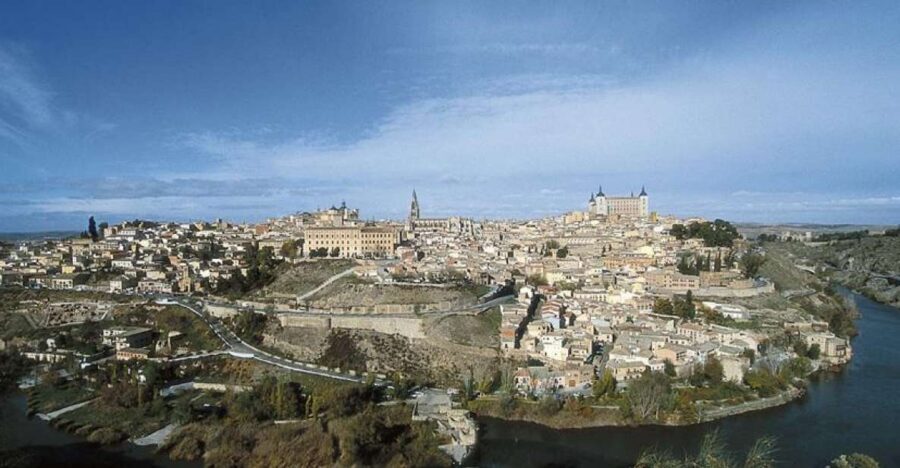
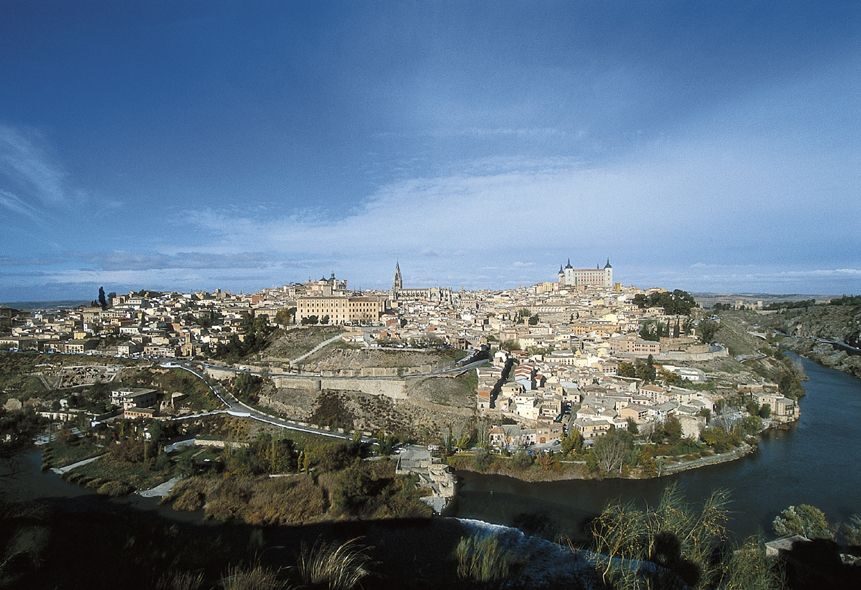
Also, you’ll benefit from the city’s geography. Toledo is embraced by the Tajo River, and even when you’re not looking at the water, the city’s tight layout and dramatic streets make it easier to imagine how people moved and worshiped from one place to another.
You can also read our reviews of more walking tours in Toledo

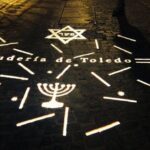
Starting at Zocodover: how the 3-hour rhythm works
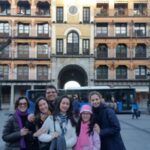
You meet at Zocodover Square (Plaza de Zocodover), which is a practical starting point because it’s central and easy to orient from. The tour runs about 3 hours, and it’s private, so you’re not stuck with a large group shuffle.
In a short tour like this, the timing matters. The idea is to cover major sites without rushing your brain. You start at the Cathedral, then continue to Santo Tomé, and finish with the Jewish Quarter focus around the synagogue. That order helps because each stop adds a new “lens” on Toledo: architecture first, then art, then faith and community history.
You should also expect walking on narrow old streets. Even if you’re from a city with medieval lanes, Toledo can still feel tight and steep in places. I’d plan for steady but not slow strolling, and I’d bring a bottle of water if you’re visiting in warm months.
Entering Toledo Cathedral: Gothic form with later style layers
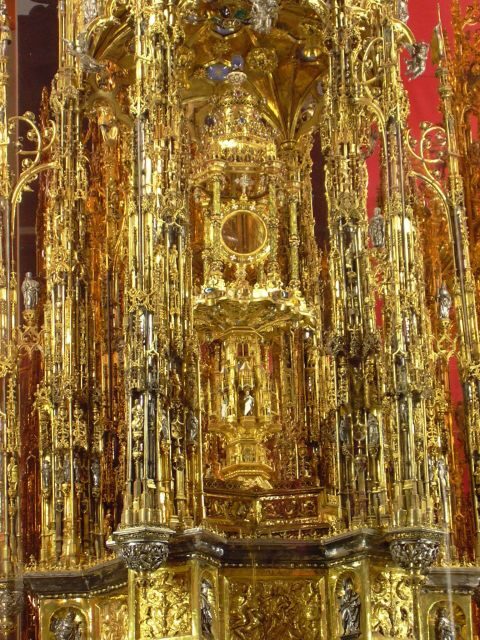
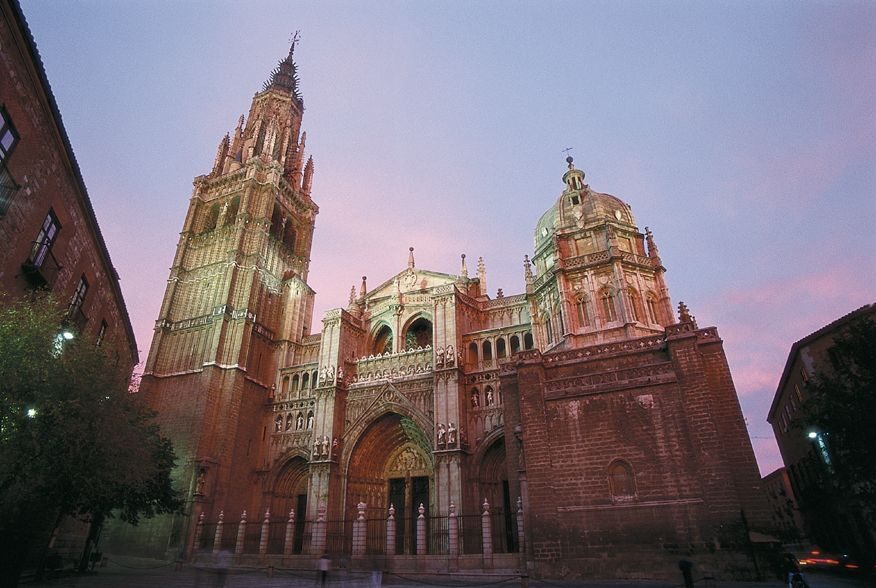
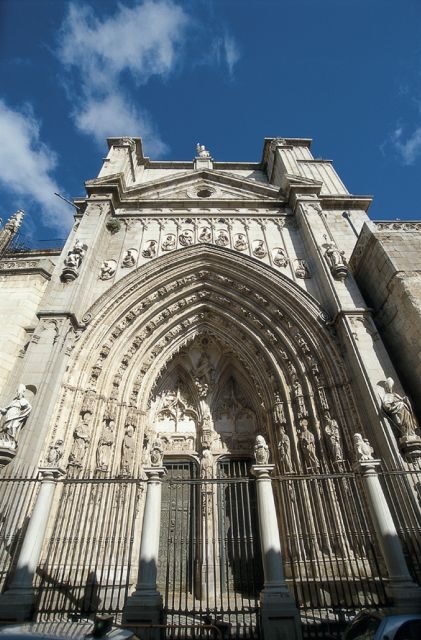
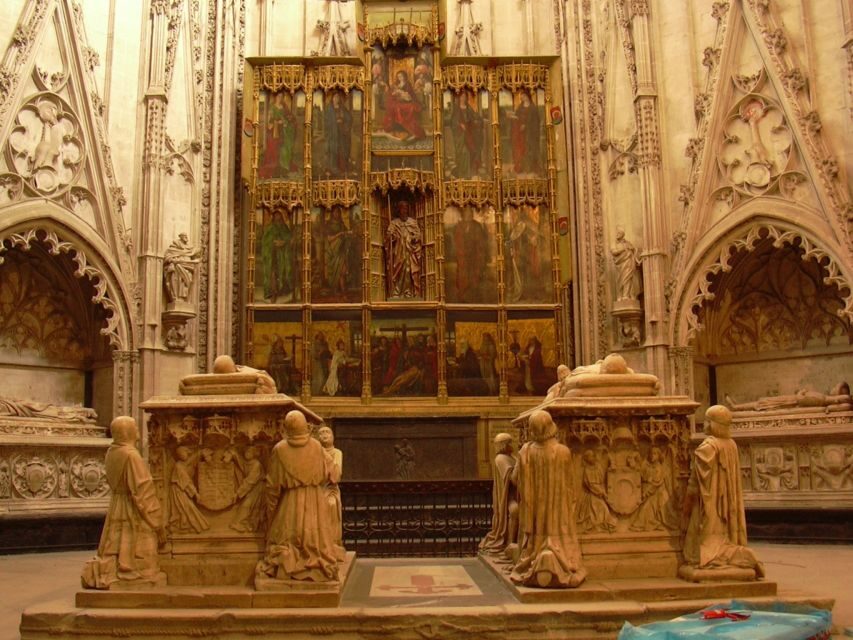
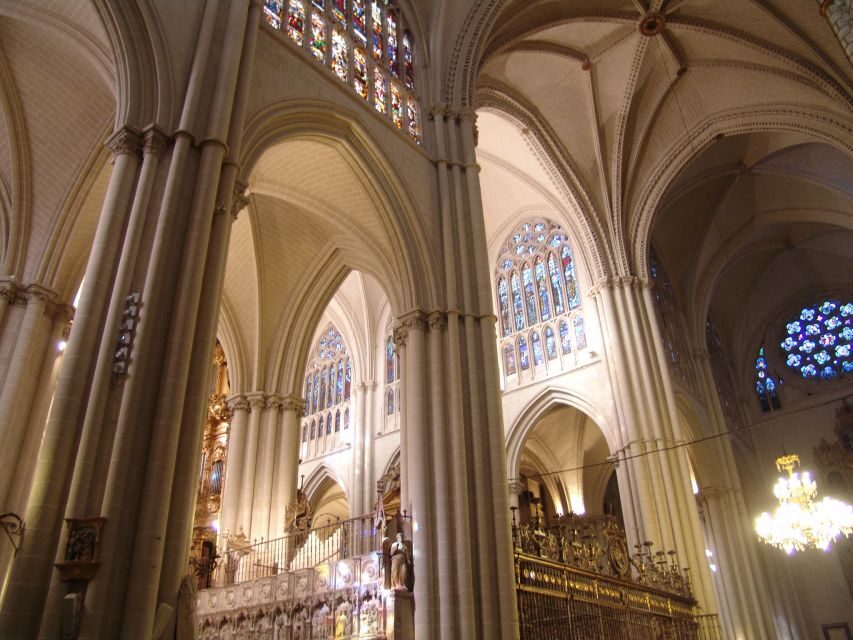
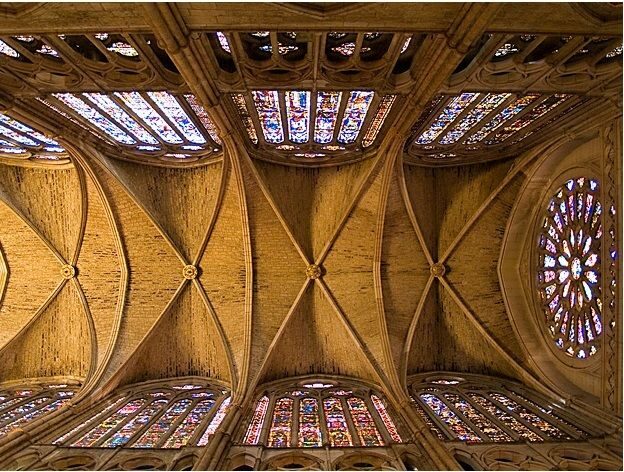
The Cathedral is where you get your bearings—both literally and historically. It was built in Gothic style between 1226 and 1493, originally for King Fernando III. That date range is a clue: this isn’t one single “finished” look. It’s a building shaped over time, which means you’ll spot a shift in how it feels as you move through spaces.
What I like about this stop is that it’s not only about admiring beauty. Your guide helps you read the changes: the Cathedral’s architecture includes a mix of Renaissance, Baroque, and Neoclassical elements layered into the Gothic core. That matters because it explains why the building looks both consistent and surprising. You’re not just seeing styles; you’re seeing decisions made by different generations.
Inside, you’ll pass through the aisles and have access to key areas such as the choir, sacristy, chapter house, and cloister. These spaces matter because they show how the Cathedral functioned beyond worship. They’re part of how a major religious institution ran day to day—where clergy met, where objects were kept, where the building’s community life played out.
A practical note: Cathedrals can be crowded at peak times, even on private tours. If you want calmer viewing, it helps to be flexible with your start time.
Santo Tomé Church and El Greco’s Burial of the Count of Orgaz
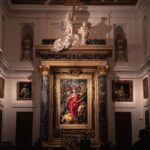
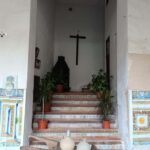
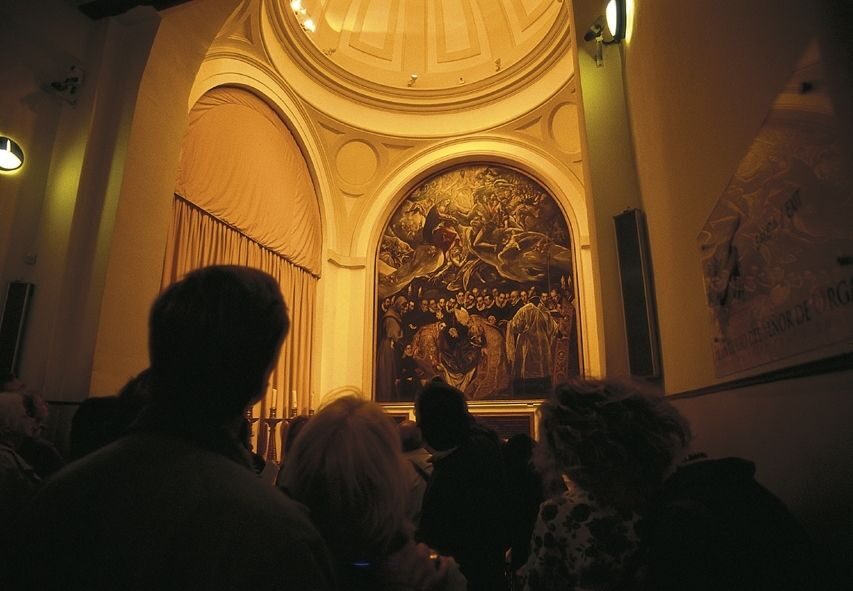
If the Cathedral gives you the big architectural frame, Santo Tomé Church gives you the art and emotion. This is where El Greco’s masterpiece The Burial of the Count of Orgaz is housed, and it’s one of the rare artworks that people remember even if they don’t think they’re “an art person.”
Here’s why it works on this tour: your guide doesn’t treat the painting like an isolated museum piece. The conversation usually connects the artwork to what you’ve already learned about Toledo’s environment—faith, patronage, and how religious stories were visualized for real people in a real place.
When you look at the painting, don’t rush. Give yourself time to focus on what’s happening visually. The title alone points to a scene, but the bigger payoff is how the work uses that scene to communicate meaning. With a knowledgeable guide, you’ll leave understanding not just what you saw, but why it became important in Toledo’s cultural identity.
The potential drawback here is time pressure. In a 3-hour tour, you can’t spend all day in one chapel. If you’re deeply focused on El Greco, you might want to linger after the guide’s explanation if the entry rules allow it.
Santa María la Blanca and the Jewish Quarter’s atmosphere
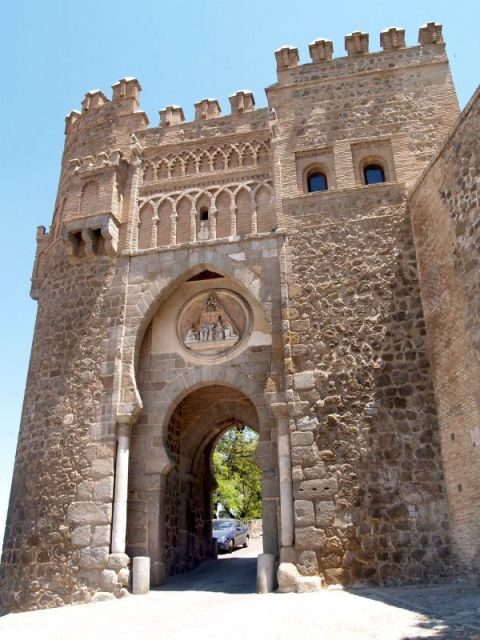
Next comes the Jewish Quarter, where the city’s story becomes more personal. This is where you feel the medieval charm in the way streets and spaces guide your attention.
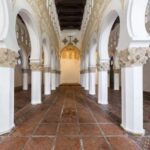
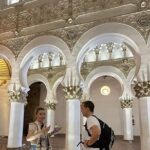
The key monument is the Synagogue de Santa María la Blanca, dating from the 13th century. It’s one of the 11 synagogues originally located in the Jewish Quarter, which immediately gives you scale. This wasn’t a minor presence; it was a full neighborhood of religious life.
Your guide will also connect the site to the monarch Alfonso VIII, described here as an open-minded promoter of the synagogue. That historical framing helps you understand why this particular place has such a recognizable identity.
Then comes the details that make the synagogue stand out: it’s described as being surrounded by gardens of cypress trees and boats, plus it features five white aisles that express the spirit of the Sefardí people. Even if you don’t catch every detail on first pass, your guide’s explanation gives you a mental checklist to look for when you’re inside.
Also, this area ties back to El Greco again. The Jewish Quarter is linked to his house of birth, adding a strange-but-true feeling to your walk: the same city that created a major Jewish community also shaped (and was shaped by) the later cultural world El Greco inhabited.
You can also read our reviews of more private tours in Toledo


How El Greco becomes your thread through Toledo
One reason this tour works for first-time visitors is that it gives you a consistent thread. El Greco isn’t just mentioned once. You’re guided through monuments connected to his world—his masterpiece at Santo Tomé and the Jewish Quarter area linked to his birth—while the Cathedral and its changing styles provide the architectural backdrop for Toledo’s changing era.
I like this approach because it stops the art from feeling random. Instead of thinking, Oh, another famous name, you start to see a pattern: art and architecture are responding to the same city dynamics—faith, power, cultural identity, and the constant reshaping of spaces over time.
If you’re into storytelling, this tour hits a sweet spot. You’ll leave with a clearer sense of how Toledo’s physical buildings act like documents. The Cathedral becomes a timeline. Santo Tomé becomes a cultural snapshot pinned in paint. The synagogue becomes a reminder that religious communities left lasting space on the map.
What you’re really paying for: value of private guide + entry
The price is $426 per group up to 2, and that’s where you should do a quick reality check.
Yes, it’s not “cheap.” But you’re also getting something specific: a private guide plus entrance fees to the Cathedral, Santa María la Blanca Synagogue, and Santo Tomé Church. For a 3-hour tour that hits three major monuments, you’re paying for access and for having someone explain what you’d otherwise have to research on your own.
How it pencils out depends on who you go with:
- If it’s just you, you’ll feel the full cost, though it may still be worth it if you care about getting the context right.
- If you can go with one other person (the tour supports up to 2), the price becomes much more reasonable because you’re sharing the private experience.
Food and drinks are not included, and transfers are not included. That’s normal for a walking tour, but it means you should plan a snack break before or after if you’ll need one.
Who this tour suits best (and who should consider a different plan)
This is a strong fit if you:
- love history that’s tied to specific places, not just broad facts
- want an easy way to see Toledo’s major monuments in a short time
- appreciate art connections, especially around El Greco
It’s also a good choice if you like small-group dynamics. Since it’s private, the guide can slow down for questions, clarify confusing building details, and adjust the pacing to your interests.
The tour is listed as wheelchair accessible, which is a big plus. You’ll still want to be realistic about cobblestones and narrow streets, but at least you have the assurance that accessibility is considered.
You might want a different plan if you prefer:
- long museum-style time
- a very flexible, self-paced schedule with no structured stops
- a full-day itinerary
A quick practical checklist (so the walk stays fun)
Wear shoes you trust. Toledo’s old center is the kind of place where one uncomfortable step can make the next hour feel worse. I’d also dress in layers; churches and synagogues can feel cooler than the streets outside.
Since the tour includes monument entry, it’s smart to arrive ready to go straight into sites without hunting for tickets. And because some areas can be closed during certain periods, it helps to keep your expectations flexible. A good guide should handle that smoothly by shifting focus to what’s open.
Lastly, give yourself one personal goal. For example: pick one thing you want to understand—cathedral style changes, the synagogue’s layout, or what makes El Greco’s painting so famous. When you travel with that intention, the 3 hours feel like more than enough.
Should you book this Toledo Private Monuments Walking Tour?
I think you should book if you want a short, high-impact Toledo experience with real access and clear explanations. The combination of Toledo Cathedral, Santo Tomé (with El Greco’s The Burial of the Count of Orgaz), and Santa María la Blanca Synagogue is a smart trio. It covers architecture, art, and the city’s Jewish Quarter identity in one walk, and you don’t have to do the planning math or logistics on your own.
I’d skip it only if you hate walking in old streets or if you want lots of free time with no structure at all. Otherwise, this is a solid value when you split with a second person, and an easy buy if you’d rather pay for guidance than spend your trip reading and guessing.
If you’re planning your first Toledo visit, this tour is one of the better ways to get the city’s story to “click” fast, without turning it into a rushed checklist.
FAQ
How long is the Toledo private monuments walking tour?
The tour lasts about 3 hours.
Where does the tour start?
You meet at Zocodover Square (Plaza de Zocodover), Toledo.
Which monuments are included in the tour?
You visit the Toledo Cathedral, Santo Tomé Church, and the Synagogue de Santa María la Blanca.
Are entrance fees included?
Yes. Entrance fees are included for the Cathedral, Santo Tomé Church, and Santa María la Blanca Synagogue.
Is the tour private?
Yes. It’s a private group experience for up to 2 people.
What languages are available?
The guide can conduct the tour in Spanish, English, French, and German.
Is it wheelchair accessible?
Yes, the tour is listed as wheelchair accessible.
Is food or drinks included?
No. Food and drinks are not included.
Are transfers included?
No. Transfers are not included.
What is the cancellation and payment policy?
Free cancellation is available up to 24 hours in advance for a full refund, and you can reserve and pay later.