REVIEW · MADRID
2-Hour Patisserie Experience for Dessert Lovers
Book on Viator →Operated by City Secreto · Bookable on Viator
Madrid runs on dessert stories.
This 2-hour, small-group patisserie walk is built around four central stops, with sweet samples and coffee or tea included, plus admission tickets at each place. You also get recipe and design context straight from the patisseries, so you understand what you are eating and why it shows up in Madrid culture.
I especially like the tight route through classic plazas and streets, so it feels like a sightseeing stroll rather than a bus tour. And I like that you are not just tasting sugar; you’re learning the meaning behind it, from seasonal traditions to royal-era sweets.
One thing to consider: like any tour, it depends on the guide showing up. There is at least one serious report of a guide no-show and no communication, so I’d keep your confirmation handy and stay reachable the day of.
In This Review
- Key Highlights You’ll Feel Immediately
- A 2-Hour Madrid Sweet Walk That Fits a Real Day
- Price and What You Actually Get for $120.16
- Where You Start: Mercado de San Miguel to Puerta del Sol
- Stop 1: Puerta del Sol and a King-Named Seasonal Dessert
- Stop 2: Plaza de Jacinto Benavente and a Square-Only Sweet
- Stop 3: Calle del Arenal, Shoes, and Spain’s National Dessert
- Stop 4: Carrera de San Jerónimo, the Museum Triangle, and Royal Candy
- How the Dessert Stories Connect to Madrid’s Culture
- Small Group Size, English, and the Ease of a Walk
- The One Concern I Can’t Ignore
- Who This Tour Suits Best
- Should You Book This Patisserie Experience?
- FAQ
- How long is the patisserie experience?
- What time does the tour start, and where is the meeting point?
- Is the tour offered in English?
- What is the group size limit?
- Are sweets and drinks included?
- Are admission tickets included at the stops?
- Is free cancellation available?
Key Highlights You’ll Feel Immediately
- 4 dessert stops in about 2 hours, each with admission included and a focused reason to be there
- Sweet + coffee or tea included, so you’re not scrambling for refreshments mid-walk
- Stories tied to Madrid landmarks, from Puerta del Sol to Jacinto Benavente’s square
- Learning directly from patisseries, including recipe thinking and dessert design details
- Small maximum of 15 people, which usually makes questions and conversation easier
- English language option, so you can follow the cultural context without guessing
A 2-Hour Madrid Sweet Walk That Fits a Real Day
This is the kind of tour that makes dessert feel practical. Two hours is short enough to squeeze into a busy travel day, yet long enough to hit four distinct moments in central Madrid instead of one random stop and done.
What makes it work is the structure: you move, taste, then pause to understand what you just ate. The pacing is built around set blocks (each stop is about 30 minutes), so you’re not left wondering when the next sample arrives. And because it ends back where it starts, you won’t feel stranded on the other side of town.
If you like walking but hate slow wandering, this hits a sweet spot. The route threads together major landmarks and famous streets—without requiring you to plan anything besides showing up.
You can also read our reviews of more tours and experiences in Madrid

Price and What You Actually Get for $120.16
At $120.16 per person, this isn’t a bargain snack crawl. But it can still be good value if you treat it like a guided food-and-culture experience rather than a few bites.
Here’s why the price can make sense:
- You get multiple dessert tastings across four stops, not just one or two.
- Coffee or tea is included, which matters because Madrid cafés add up fast.
- Admission tickets are included at each stop, so some of your money is covering access—not only guide time.
Also, the group size is capped at 15. Smaller groups are often where you feel the benefit of the guide’s explanation—especially when the focus is “why this dessert exists,” not just “what it tastes like.”
If you’re the type who wants to taste desserts and also understand their backstory, you’ll likely feel good about the spend. If you only want a quick sugar fix, you may find it pricier than you need.
Where You Start: Mercado de San Miguel to Puerta del Sol
You meet at Mercado de San Miguel (Pl. de San Miguel, s/n, Centro, 28005 Madrid) at 11:00 am. This is a smart starting point because it’s central and easy to orient yourself around. It also keeps the tour anchored in the tourist-friendly heart of Madrid, which helps if your first day in town is chaos.
From there, the plan moves you into the classic streetscape you came for: plazas, street name landmarks, and sights you can connect to Madrid’s food culture. Since it’s marked as near public transportation and most travelers can participate, you’re unlikely to be forced into complicated transit decisions before you even begin.
And yes, it helps that it’s an English-offered experience. Food tours go sideways when language is fuzzy. Here, the structure is set up so you can follow along.
Stop 1: Puerta del Sol and a King-Named Seasonal Dessert
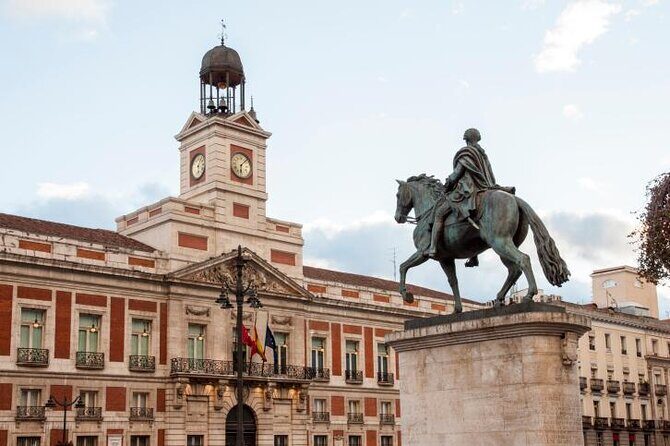
The first stop is Puerta del Sol, one of Madrid’s most famous squares. This part is built like a mini lesson: you taste a dessert that’s named after the kings, and you learn why it’s eaten only once a year and when that usually happens.
That seasonal angle is what makes this more than a random bite. Madrid has a calendar of food traditions, and Puerta del Sol is a perfect place to start because it sits right at the city’s symbolic center. The guide’s job here is to connect the taste to the tradition—so you’re not just eating something sweet, you’re learning how the city marks time.
You also enter one of the oldest bakeries in Madrid. Even if you’re not a “history buff,” there’s value here: older bakeries often preserve techniques and design habits that newer places may change. So you’re getting a sense of continuity, not just a modern dessert presentation.
Practical note: since this stop starts the tour, go in hungry enough to taste. You’ll probably want to enjoy the first sample without feeling like you already need a dessert nap.
Stop 2: Plaza de Jacinto Benavente and a Square-Only Sweet
Next you head to Plaza de Jacinto Benavente, where the tour links a Nobel Laureate in Literature to a dessert that can be eaten only in this square.
This is a clever stop because it teaches you how Madrid ties food to place. The square is named for Jacinto Benavente, and the tour helps you see that the cultural identity of a location can show up in what people eat there—especially when a specific sweet is tied to the spot.
You’ll spend about 30 minutes here, including the tasting and the explanation. The core idea is that “local dessert” doesn’t just mean homemade. It can mean geographically specific—something you only find when you’re standing in the right place.
One consideration: if you’re hoping for a huge amount of free time to wander the plaza yourself, this stop is more guided-and-focused than open-ended. That’s not bad; it just means you should treat this as a food walk first, sightseeing second.
You can also read our reviews of more tours and experiences in Madrid




Stop 3: Calle del Arenal, Shoes, and Spain’s National Dessert
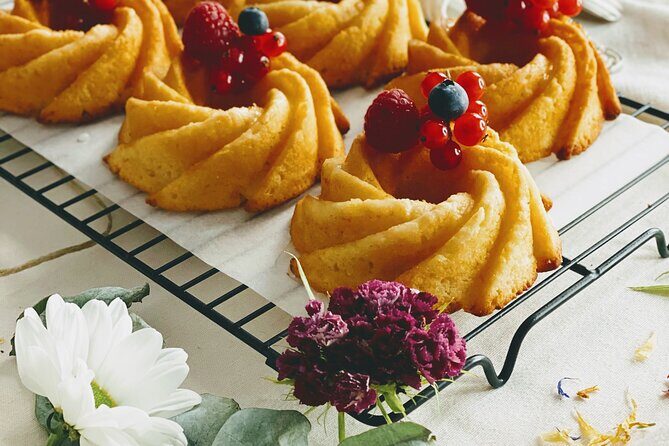
Now the tour shifts to the vibe of Calle del Arenal, described as an avenue of shoes. That detail sounds playful, and it is. But it also helps anchor you in Madrid’s day-to-day commercial street life.
During this stop you also eat the national dessert of Spain. This part is likely the most straightforward tasting moment on the route: you’re getting the big “this is a Spanish classic” bite, in a street setting that feels very Madrid.
What I like about placing this stop here is contrast. You’ve had the symbolic city center square and the literature-linked plaza. Then you land on a street where people actually shop and stroll. The dessert you taste isn’t floating in theory—it’s presented inside an everyday setting.
If you’re a person who likes comparing flavors, this is where you’ll probably start noticing how each dessert has a different personality: seasonal tradition vs. place-specific sweet vs. national staple.
One more thing: because the tour is structured with a set time window per stop, you don’t get stuck waiting around. The tasting-and-story rhythm stays consistent.
Stop 4: Carrera de San Jerónimo, the Museum Triangle, and Royal Candy

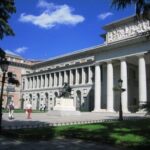
The final stop is Carrera de San Jeronimo, where you’ll see the way the museum triangle looks in relation to the streetscape. Even if you don’t plan to enter museums, this is still a useful visual: Madrid’s art cluster feels real when you can understand how it sits spatially.
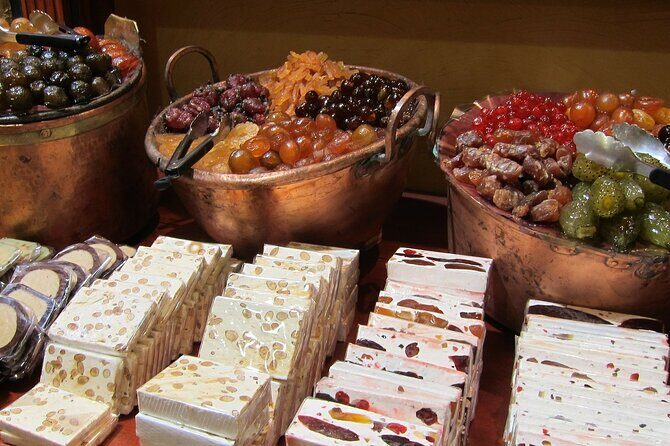
Then you taste candy tied to a royal story: the candy the king loved to distribute to his mistresses. It’s a wild detail, and that’s part of the appeal. Food tours often fail when their stories are dry. Here, the framing is memorable, and that makes the flavors easier to recall.
This stop works as a closing chapter. You move from royal-named seasonal dessert to place-linked literary dessert to national classic, and then to a royal-era candy anecdote. By the time you’re finished, Madrid’s desserts feel less random and more connected to the way power, tradition, and daily life intersect.
If you’ve got a sweet tooth, you’ll likely end this stop satisfied but ready for water. The tour includes drinks earlier, but you may still want to pace yourself—especially if you’ve got big plans later that day.
How the Dessert Stories Connect to Madrid’s Culture
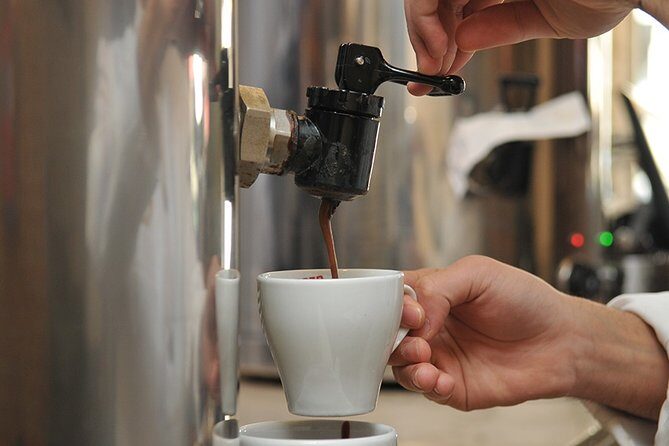
The best thing about this tour is that it treats desserts like culture, not just calories.
You get that through three angles:
- Seasonality (why something is eaten only once a year)
- Place identity (a dessert that can be eaten only in a particular square)
- Historical framing (royal references and older bakery context)
That matters because Madrid food traditions often work like that: they are tied to calendars, neighborhoods, and stories that locals repeat. When you understand the “why,” you taste more than sugar. You taste context.
Also, the fact that the tour aims to teach you recipe and design elements is a big deal for dessert lovers. Even without technical training, design clues can tell you what to pay attention to: texture, flavor balance, how sweetness is handled, and why certain presentations exist.
This is the kind of tour that can change how you order dessert afterward. Instead of going for whatever looks good, you’ll likely ask what tradition it comes from—and how it got there.
Small Group Size, English, and the Ease of a Walk
A maximum of 15 travelers is a meaningful cap. Food tours with larger groups can turn into a line of people following someone who can’t talk. Here, the group size supports conversation and explanations.
The tour is offered in English, and that’s important for the “learn the design and recipe thinking” promise. Without shared language, you miss the best parts—the why behind the bites.
Duration is listed as about 2 hours, and the stops are each about 30 minutes. That setup is good if you’re trying to plan around museums, lunch reservations, or a late afternoon meeting. It’s also helpful for families or couples who don’t want an all-day food experience.
This tour is marked as something most travelers can participate. Still, it’s a walk-through city experience, so I’d wear comfortable shoes and plan to move at a moderate pace.
The One Concern I Can’t Ignore
One review included a very negative experience: a guide did not show up and did not communicate, and the person was working on a refund through their credit card.
I’m not going to pretend that kind of failure is normal. But it is serious enough to be a real decision factor for you.
So here’s what I’d do:
- Keep your mobile ticket and confirmation details accessible.
- Arrive a few minutes early at Mercado de San Miguel so you’re not scrambling.
- If you don’t see your group promptly, ask someone on-site for help or check your tour confirmation instructions right away.
For most people, tours run smoothly. Still, when your experience depends on a guide showing up, you should treat “being ready” like part of the deal.
Who This Tour Suits Best
This tour is a great match if:
- you love desserts enough to want their stories, not just their taste
- you prefer small groups and easy walking routes
- you want an English-friendly guide who can explain cultural connections
- you plan to be in central Madrid and want structure that won’t eat your whole day
It may be less ideal if you:
- only want a quick bite and don’t care about history or traditions
- hate walking or want total free time at each stop
- are extremely budget-driven and compare everything to casual café prices
If you’re somewhere in the middle—dessert-curious but also practical—this is likely the right fit.
Should You Book This Patisserie Experience?
If you’re a dessert lover and you like learning the reasons behind what you eat, I think this tour is worth booking. The short duration, small group size, included drinks, and admission tickets make it more than a snack stop, and the stop-by-stop storytelling anchors each tasting to a real Madrid location.
Just don’t ignore the risk signal from that one serious no-show report. If you book, go in prepared: show up early, keep your ticket details ready, and stay reachable on the day.
If you want a fun, structured way to experience Madrid’s sweet culture without overplanning, this patisserie route is a strong choice.
FAQ
How long is the patisserie experience?
It lasts about 2 hours.
What time does the tour start, and where is the meeting point?
The tour starts at 11:00 am and meets at Mercado de San Miguel, Pl. de San Miguel, s/n, Centro, 28005 Madrid, Spain.
Is the tour offered in English?
Yes, it is offered in English.
What is the group size limit?
The tour has a maximum of 15 travelers.
Are sweets and drinks included?
Yes. Sweets are included, and coffee or tea is included for your convenience.
Are admission tickets included at the stops?
Yes. Admission tickets are included for each of the four stops.
Is free cancellation available?
Yes. You can cancel for a full refund up to 24 hours before the experience’s start time.