REVIEW · MADRID
KAICAO bean to bar and design your chocolate experience
Book on Viator →Operated by Kaicao Fábrica de chocolate · Bookable on Viator
Madrid smells like chocolate education.
This 1.5-hour, small-group experience at Kaicao Fábrica de chocolate is fun in a very practical way: you learn how unroasted cocoa becomes a finished bar, then you taste what changed at each step. I especially love the small group size (up to 10), because the tasting feels personal, and I really liked the bean-to-bar tasting sequence, where you can connect flavor to roasting and handling. One thing to consider: the tour happens inside an urban factory setting, so it is not a big, long sightseeing stroll. If you want lots of walking or dramatic city views, this is not that kind of tour.
You start with the cocoa story, not the chocolate story. You go from the cocoa fruit and harvest and post-harvest processes to what Kaicao does with their cacao origins, seed selection, and roasting profiles. Then you shell roasted beans and taste them, before moving through the steps that turn roasted cocoa into chocolate, ending with tastings of different products you can buy.
In This Review
- Key highlights before you go
- A Small Chocolate Factory Where Flavor Gets Explained
- The Cocoa Fruit Setup: Why Harvest Details Matter
- Seed Selection and Roasting Profiles: The Taste Difference Lesson
- Tasting Roasted Beans: A Direct Line to Flavor
- From Roasted Cocoa to Chocolate Bar: Where the Transformation Happens
- The Product Tasting Finish: Coffee, Cardamom, and More
- Air-Conditioned Comfort and Small-Group Energy
- Where the Tour Fits in Your Day at 4:00 pm
- Price and Value: What $54.07 Buys You
- Who Should Book This Kaicao Experience
- Practical Tips to Get the Most from Your Tasting
- Should You Book Kaicao in Madrid?
- FAQ
- How long is the Kaicao bean-to-bar and tasting tour?
- What is the price per person?
- Is the tour offered in English?
- How big is the group?
- Where is the meeting point in Madrid?
- What is the cancellation policy?
Key highlights before you go
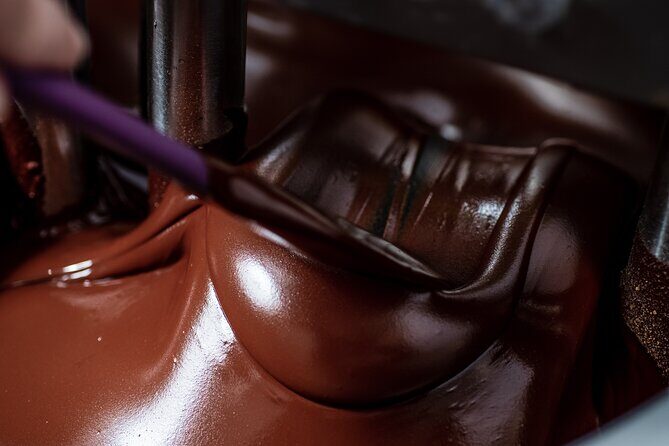
- Bean-to-bar workflow, from cocoa fruit to bar: you see how the process connects to flavor.
- Roasting profiles you can taste: you get a direct sensory lesson, not just a lecture.
- Shelling roasted cocoa beans and tasting: a hands-on-feeling moment that explains a lot.
- A guided tasting finish with purchasable products: you leave knowing what to buy.
- Coffee-and-cardamom dark chocolate sample: a specific flavor combo you can look for in the tasting lineup.
- Small group, English tour, mobile ticket: easy logistics for a 4:00 pm slot.
A Small Chocolate Factory Where Flavor Gets Explained
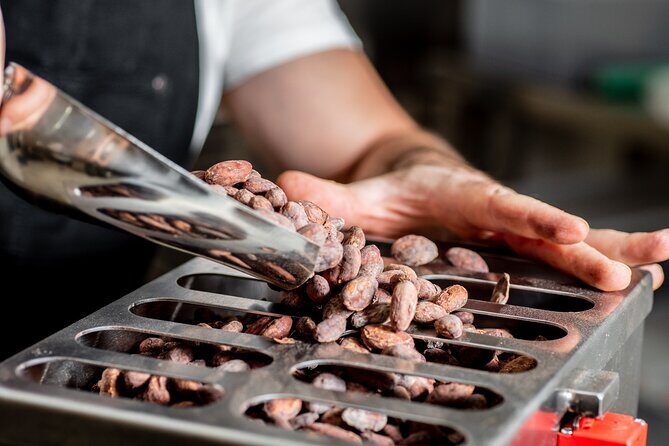
If you like chocolate, you usually see the final bar. Kaicao flips that. You get to watch and taste the steps that create the bar, and you learn what the factory controls along the way.
At Kaicao Fábrica de chocolate, the tour is built around the idea that chocolate quality starts earlier than most people think. They begin with unroasted cocoa and cocoa fruit basics, then they move toward seed selection and roasting profiles. It’s a smart way to teach. When you understand what roasting changes, even a simple chocolate sample starts to make sense.
This is also a friendly, no-pressure experience. The group stays small, and that matters because tasting works best when you’re not stuck shouting over ten other conversations. In the feedback I saw from other visitors, people kept coming back to how the staff had real passion and how the place felt comfortable and air conditioned, which is a genuine plus in Madrid afternoons.
You can also read our reviews of more drinking tours in Madrid



The Cocoa Fruit Setup: Why Harvest Details Matter
The first phase is about grounding your expectations. You start with an introduction to unroasted cocoa and how the cocoa fruit connects to the seeds you eventually roast and turn into chocolate.
You’ll learn how cocoa is handled from harvest through post-harvest. That part is not about getting technical for its own sake. It’s about explaining why two cocoa origins can taste different even if they end up in the same “dark chocolate” category.
Then you focus on Kaicao’s cacao origins used in their urban chocolate factory. They also talk about how they select seeds and how their approach ties to flavor outcomes. Even if you don’t remember every term, the big takeaway sticks: chocolate taste isn’t magic. It’s decisions stacked on decisions.
Seed Selection and Roasting Profiles: The Taste Difference Lesson
Once you understand what’s in the bag, you get to the step where the tour really pays off: roasting profiles.
Kaicao explains how they select seeds and how they developed roasting profiles to get the best flavor. This is where you start thinking like a chocolate maker. Roasting isn’t one switch. It’s a set of choices that affects aroma, bitterness, acidity, and how chocolate tastes on the palate.
You’ll then see how they shell the roasted cocoa beans. That shelling moment is more important than it sounds. It’s a practical transition from “raw ingredient” to “something you can work with.” And it sets up the best part: tasting the beans themselves.
Tasting Roasted Beans: A Direct Line to Flavor
After the beans are roasted, you don’t just get a finished chocolate at the end. You taste the roasted cocoa beans. That single change—tasting the bean before the bar—helps you understand what roasting already did.
Here’s what you can take from this phase:
- You’ll notice cocoa flavor isn’t just sweetness and chocolatey aroma.
- You’ll likely pick up notes that feel more intense or more straightforward before sugar and milk show up.
- When you later taste chocolate products, you can compare what’s coming from the bean versus what’s coming from processing and mixing.
This is also a great time for children and adults to stay engaged. The tour’s structure keeps giving you something to taste in phases rather than saving it all for the end. If you’re traveling with kids, it helps them stay interested because they’re not only listening. They’re tasting and reacting.
From Roasted Cocoa to Chocolate Bar: Where the Transformation Happens
After shelling and bean tasting, the tour walks through the rest of the process that turns roasted cocoa into chocolate.
Even without a long engineering lecture, you’ll get the clear sequence of steps used to create chocolate products. The key value here is that you stop thinking of chocolate as one thing. You start seeing it as a controlled transformation:
1) roasting changes the bean
2) processing turns beans into cocoa components
3) formulation and production shape the final bar and specialty items
That’s why bean-to-bar matters. When a maker controls more of the chain, the chocolate you taste tends to reflect the maker’s choices rather than just generic industrial outcomes.
You can also read our reviews of more tours and experiences in Madrid



The Product Tasting Finish: Coffee, Cardamom, and More
The tour ends with tastings of different products developed with fine cocoa, plus the option to buy what you like.
One listed sample is 65% dark Arabica coffee chocolate and cardamom. That’s a great flavor combination to keep an eye out for because it teaches your palate something specific. Coffee brings roast and aroma notes, and cardamom adds a fragrant, slightly spicy lift. With a 65% base, you’re tasting cocoa presence first, not sugar-first sweetness.
The overall tasting lineup also seems to include options beyond standard bars. Visitors have pointed out that there are chocolates available without sugar and that there are vegan-friendly choices as well. The vegan note comes with one important detail: some items are not vegan because they include camel milk. So if you follow a strict diet, you’ll want to ask what’s inside each product you consider.
A related point from reviews: one person highlighted that even diabetics can have the chocolate, and that comes from the availability of sugar-free or lower-sugar styles. I’d treat that as encouragement to ask staff about the ingredients and sugar content, not as a medical guarantee. If you manage sugar intake, bring your own caution and check product labels before you buy.
Air-Conditioned Comfort and Small-Group Energy
Madrid can be warm, especially late afternoon. In the feedback I read, people liked that the factory felt air conditioned and comfortable. That makes a real difference on a 4:00 pm start time, when the city heat can still be hanging around.
The other comfort factor is the group size. With a maximum of 10 travelers, you get a smoother tasting flow. You’re not waiting for samples while the group thins out. You’re more likely to notice what changes from one sample to the next, and you can actually ask questions without feeling rushed.
It’s also an English tour, which helps if your Spanish is more “menu-reading” than “factory-terms.” And you get a mobile ticket, which is convenient when you’re moving around Madrid without wanting extra paperwork.
Where the Tour Fits in Your Day at 4:00 pm
The tour starts at 4:00 pm and runs about 1 hour 30 minutes. It ends back at the meeting point. That makes it easy to plan around dinner.
The meeting point is at C. de la Encomienda, 15, Centro, 28012 Madrid. It’s also listed as near public transportation. So if you’re combining this with another Centro stop, you’ll probably find it simple to reach.
Because the session is not long, treat it as a focused activity. Have a snack earlier in the day if you get hungry before 4:00, but don’t overdo it. Tasting works best when your palate is ready. And since you might buy multiple products at the end, keep an eye on how much shopping space you have in your day bag.
Price and Value: What $54.07 Buys You
At $54.07 per person for about 90 minutes, this is not a cheap chocolate “quick stop.” It’s also not priced like a big show. You’re paying for a real educational experience plus tasting, in a setup that keeps the group small.
So what’s the value?
- You get an ingredient-focused experience, not just a chocolate tasting platter.
- You taste cocoa in phases (including the roasted beans), which helps you actually learn.
- You see a full chain: cocoa fruit concepts, unroasted cocoa, roasting profiles, shelling, and the steps to chocolate.
- You end with products developed with fine cocoa, and you can buy what you want.
If you’re the type of traveler who enjoys food craft and wants more than a glossy “try and leave” tour, the price feels fair. If you’re just looking for a quick sugar hit with no interest in how flavor is made, you might feel like it’s more explanation than you want.
Who Should Book This Kaicao Experience
This works especially well for:
- Chocolate lovers who want to understand what changes the flavor, not just which brand tastes sweet.
- Families: the tour is short, friendly, and built around tasting moments that keep kids engaged.
- Curious eaters who like guided learning, especially with food where the process is part of the fun.
It might not be for you if:
- You want outdoor sightseeing time or large landmark energy.
- You dislike tastings or would rather not sample multiple chocolate items in one sitting.
For most people, it’s a smart sweet spot: hands-on enough to feel real, structured enough to be satisfying, and small enough that you don’t feel like a number.
Practical Tips to Get the Most from Your Tasting
A few small things will make this tour better for you:
- Come with curiosity, not expectations. If you think chocolate should taste exactly like the bars you already buy, this tour will challenge that a bit—in a good way.
- Ask what to look for when buying. The tasting ends with product options you can purchase, so use that time to match flavors you liked to items you can take home.
- If you have diet needs, check ingredients. With vegan options and sugar-free possibilities mentioned, you’ll still want to verify what each bar contains, especially since some items include camel milk.
- Plan your shopping space. People often want extra suitcase room after food tours. At minimum, bring a tote or bag you don’t mind carrying.
Should You Book Kaicao in Madrid?
Yes, if you want a short, high-signal chocolate experience where you taste your way through the process. The standout for me is the way the tour connects decisions like seed selection and roasting profiles to what you actually taste. That makes the learning practical, and it makes the final shopping smarter.
If you’re on the fence, here’s the decision rule: book it if you’d rather spend 90 minutes learning how flavor is built than just collecting a few chocolates at the end. Skip it if you need big sightseeing energy or you’re not into tastings.
FAQ
How long is the Kaicao bean-to-bar and tasting tour?
The tour lasts about 1 hour 30 minutes.
What is the price per person?
It costs $54.07 per person.
Is the tour offered in English?
Yes, the tour is offered in English.
How big is the group?
The tour has a maximum of 10 travelers.
Where is the meeting point in Madrid?
You meet at C. de la Encomienda, 15, Centro, 28012 Madrid, Spain. The tour ends back at the same meeting point.
What is the cancellation policy?
You can cancel for a full refund up to 24 hours before the experience’s start time.