REVIEW · MADRID
2-Hour Madrid – Prado Museum Private Tour
Book on GetYourGuide →Operated by Madrid Museum Tours · Bookable on GetYourGuide
Masterpieces start with a guide. This private Prado Museum tour turns the museum from a maze into a clear story, with a licensed art historian leading the way. You choose one of four themed routes, so the visit matches what you actually want to see.
I especially like the art-historian storytelling that explains both what you’re looking at and why it matters. I also like that you can pick among four tour themes, instead of getting the same highlights loop every time.
One thing to plan for: 2 hours can feel focused and fast. If you’re tired from travel, you’ll need to stay switched on, because the tour doesn’t do much small talk.
In This Review
- Key things you’ll notice on this Prado private tour
- A private 2-hour Prado crash course with a historian’s eye
- Four tour themes: pick your Prado storyline (and your favorite artists)
- Tour 1: The Great Evolution (from early masters to the high drama)
- Tour 2: Velázquez and Goya (master mystery plus raw emotional power)
- Tour 3: Golden Century Masters and Goya (court portraiture and the shock of history)
- Tour 4: Great 19th-century Spanish artists (the artists you might miss)
- What the guide actually helps you see: composition and cultural context
- The Prado’s crowds: how the meeting point and audio keep it calm
- Price and value: $306 for up to 7 people (with admissions extra)
- Who this Prado private tour is best for (and who might skip it)
- Should you book this Prado Museum private tour?
- FAQ
- How long is the 2-Hour Madrid – Prado Museum Private Tour?
- What is the price for the private tour?
- Are Prado museum tickets included in the tour price?
- Where do we meet for the tour?
- What languages are offered for the guide?
- Is this tour private?
- Is the Prado tour wheelchair accessible?
- What are the tour operating hours and days?
- Can I cancel for a full refund?
Key things you’ll notice on this Prado private tour
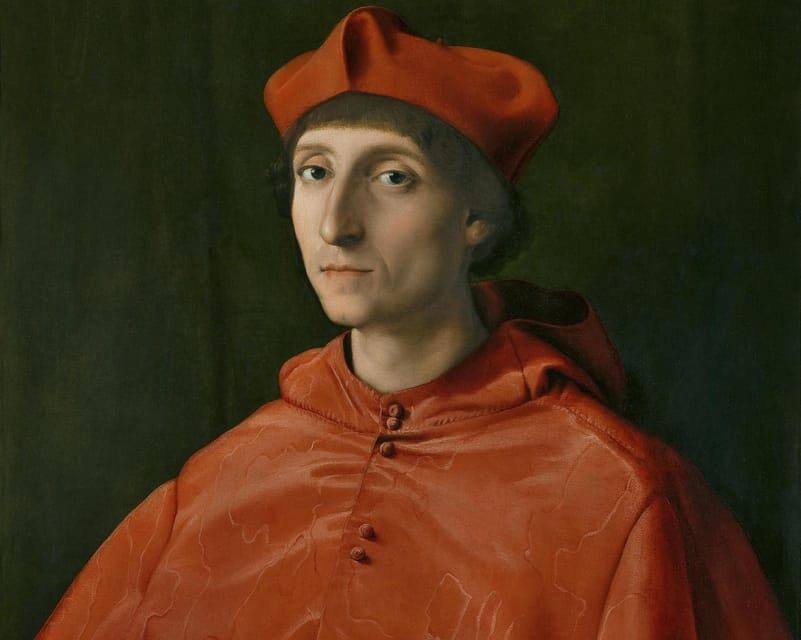
- You get an art historian-level explanation, not just casual guide chatter.
- Four distinct tour themes let you tailor the visit to your interests (Goya-heavy, Velázquez-led, or 19th-century specialists).
- Clear audio equipment helps you hear the guide even when the Prado gets busy.
- A practical meeting point at the Goya Statue keeps things simple at the start.
- The pace is intense in a good way, but schedule it when you can concentrate.
A private 2-hour Prado crash course with a historian’s eye
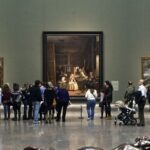
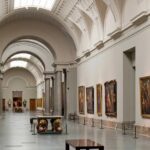
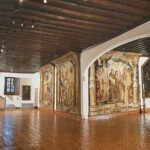
The Prado is huge. Even if you love art, walking in alone can turn into a lot of staring and not much understanding. This is designed to fix that. You’re in a private group and you get a licensed guide who also works like an art historian, so the time you have actually lands on the right questions: What’s happening in the painting? How is it built? And what did it mean in its day?
I like that the tour isn’t trying to be everything at once. In two hours, you’re not meant to “cover the museum.” You’re meant to see how the museum’s big names work—plus a few painters you might otherwise miss, especially from the 19th century. The result feels like getting the brain-side of the Prado, not just the photo-side.
If you’re worried about hearing your guide in a crowded museum, that’s addressed. The tour includes audio equipment, so your guide’s English, German, Russian, or Spanish narration stays clear even around foot traffic.
You’ll also get a sense of how to look at art beyond the obvious. That means you leave with habits, like noticing the way a painter directs your attention and the way cultural context changes what a scene is really saying.
You can also read our reviews of more private tours in Madrid



Four tour themes: pick your Prado storyline (and your favorite artists)
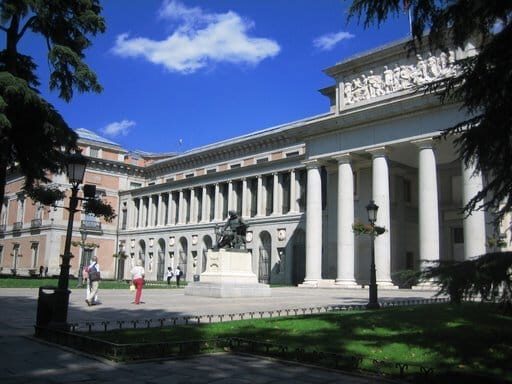
Instead of one fixed route, you choose from four private tour options. Each option has a different “logic,” so you’ll see different works and get a different kind of explanation.
Tour 1: The Great Evolution (from early masters to the high drama)
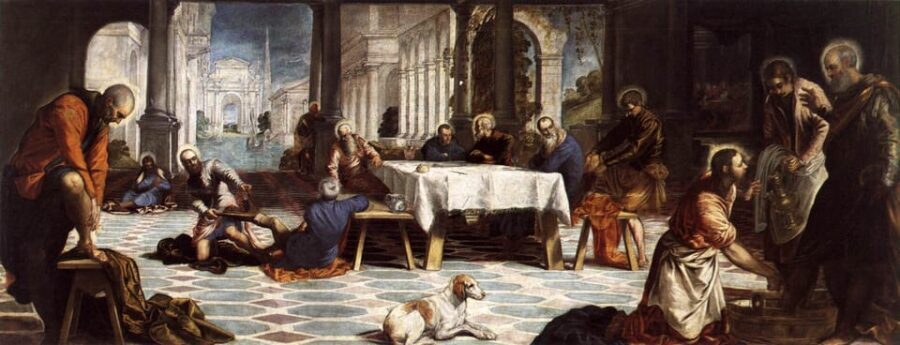
This route is a sweeping look at how styles and techniques evolve across centuries. Expect stops tied to major figures and “turning points,” with artists such as Bosch, Titian, Tintoretto, El Greco, Velázquez, Rubens, Goya, and more.
The practical benefit here: you’ll get a sense of the Prado as a living timeline. The tour can help you connect the dots between experimentation, realism, religious power, and court taste. If you’re the type who wants a broad overview and you like seeing how things change over time, this is usually the best choice.
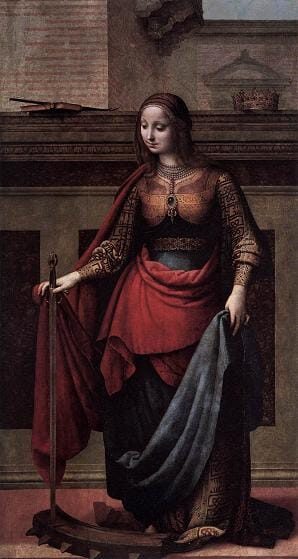
Tour 1 also includes painters like Yáñez, Dürer, Veronese, Caravaggio, Ribera, Murillo, Rosales, and Sorolla. That mix matters because it keeps the tour from becoming one-note. One moment you’re thinking about composition and light, and the next you’re tracking how subject matter shifts from altar to politics to private emotion.
Tour 2: Velázquez and Goya (master mystery plus raw emotional power)
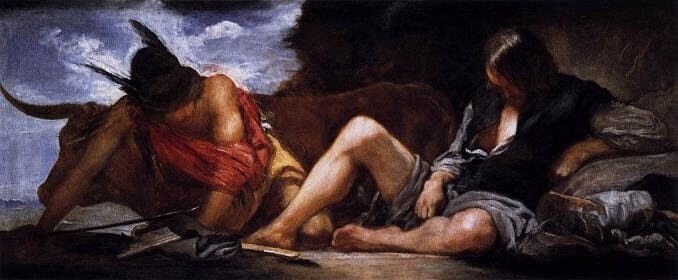
If you love art that feels both controlled and unsettling, this is the one. You’ll focus on Velázquez, a 17th-century painter known for a blend of perfection and mystery. The guide also spends real time on Goya, including works like The Attack of the Mamelukes, The Shootings of May 3, and the haunting Black Paintings (as part of the tour’s Goya exploration).
Here’s why this theme is so satisfying: Velázquez often pulls you in with calm intelligence, while Goya can hit you like a spotlight on fear, violence, and inner life. Together, they show how the Prado doesn’t just “display skill.” It records pressure—political, psychological, and human.
If you’re short on patience for art that feels strictly decorative, you’ll likely appreciate how this tour aims at meaning.
Tour 3: Golden Century Masters and Goya (court portraiture and the shock of history)
This theme centers on the Golden Age—with Ribera, Murillo, and Velázquez—then moves into Goya again, but with an emphasis on royal portraiture and major historical events.
You’ll see pieces such as The Royal Family of Carlos IV and again the intense The Shootings of May 3. That combination is powerful because it sets up a contrast: court images can look polished and official, while Goya’s historical scenes drag you into what people suffered.
This option is a strong pick if you want your Prado visit to feel like a story about power. You’ll spend time on how faces and gestures communicate status, then you’ll get hit with the darker consequences when society breaks.
You can also read our reviews of more museum experiences in Madrid





Tour 4: Great 19th-century Spanish artists (the artists you might miss)
This is the theme I’d push toward anyone who thinks they already know the Prado. The early big names are famous for a reason, but the museum also has standout 19th-century Spanish painting.
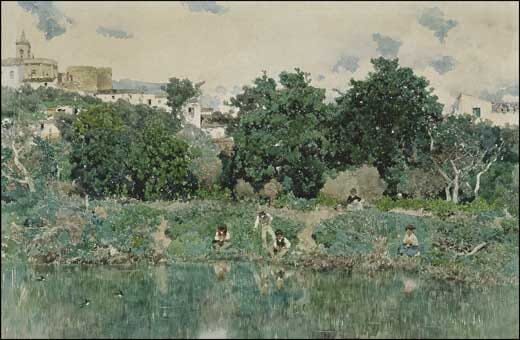
This route focuses on Madrazo brothers, Rosales, Fortuny, Pradilla, and Sorolla, with a special attention to how these painters differ from the earlier tradition. Sorolla’s light-focused approach is especially worth it here because the tour aims to explain why his handling of color and brightness feels so direct.
The value: you leave with names that don’t always get the spotlight, plus a sense of how Spain’s 1800s moved from older traditions into modern feeling. If you like variety and you enjoy discovering artists beyond the standard postcard list, this option can feel like a small “bonus museum” inside the museum.
What the guide actually helps you see: composition and cultural context
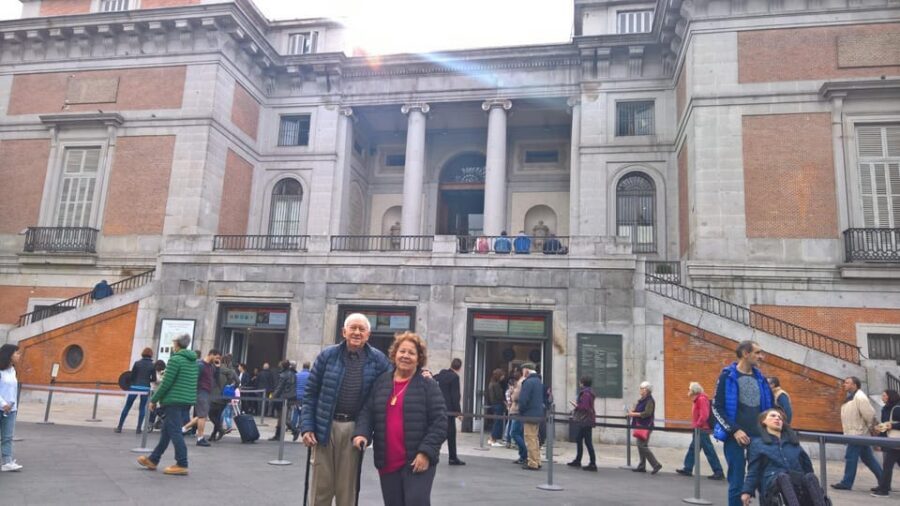
This tour leans into the stuff that turns art viewing into real understanding. The guide explains composition techniques and cultural context for the masterpieces you’re looking at. That means you don’t just get a list of facts. You get a way to interpret.
Here are a few of the key outcomes you can expect:
- You’ll learn how painters direct your eye, not just what’s shown.
- You’ll connect the subject to the time period, including the way art ties into power, faith, or social tension.
- You’ll start noticing patterns—how style shifts when emotion or politics take center stage.
The best part is the approach stays accessible. It’s not coded language. One guide example you might run into is Nacho, who is described as extremely passionate and detail-focused. Another is Luis, praised for packing in interesting information while keeping the tone entertaining. A third example is Tatyana, noted for a pace that keeps everyone engaged, even when the group includes people with extra needs like pregnancy.
Not every guide will be identical in style, of course. But the common thread is that you’re not stuck with vague instructions like look at the shadows. You’re encouraged to notice what the painter is doing and why that choice matters.
The Prado’s crowds: how the meeting point and audio keep it calm
You’ll meet at the Goya Statue, overlooking the main ticket counter of the Prado Museum. The guide carries a badge from Madrid Museum Tours, which helps you recognize the right person without a scavenger hunt.
The audio equipment is a practical win. The Prado can get loud in places, with groups rising and falling around you. When you can hear your guide clearly, the tour stops being a “walk-by” experience and becomes actual learning time.
Timing-wise, the tour runs Mondays through Sundays from 10:00 to 15:00. That gives you flexibility, but it also means you should plan your day so you’re not racing. Two hours goes quickly, and you’ll get more if you arrive ready to focus.
Price and value: $306 for up to 7 people (with admissions extra)
Let’s talk money honestly. The tour costs $306 per group up to 7, and Prado admission is not included. That means your total cost depends on how many people you bring and what the museum ticket price is for your entry.
So is it worth it? It often is, especially when you split the group cost. You’re paying for three things that are hard to replicate alone:
- A licensed guide plus art-historian level interpretation (not just route guidance).
- Audio equipment, which keeps the experience usable in a busy museum.
- A structured, themed selection of works that saves you from wandering and hoping you hit the best pieces.
Also, this is private. That matters more than it sounds. You can move at the pace of the group, ask questions, and focus on what you care about. With a huge museum, “time is money,” and this tour treats time like a resource to spend well.
If you’re traveling solo, the per-person cost can feel high compared to a standard group tour. But if you genuinely want art context and you don’t want to gamble your limited time on random galleries, the value can still make sense.
Who this Prado private tour is best for (and who might skip it)
This tour is a good fit if:
- You want a guided experience but hate the idea of being herded through a checklist.
- You like learning how art is built, not just what it depicts.
- You want to choose between Goya-focused, Velázquez-focused, Golden Age to Goya, or 19th-century specialists.
It may be less ideal if:
- You’re planning your very first day in Madrid and you’re running on jet lag or exhaustion. One guide in the experience history is described as extremely passionate and very information-heavy, and the advice is clear: schedule it when you can pay close attention.
- You want a slow, casual stroll with lots of free time. This tour is structured, and it moves.
If you’re an art lover who likes details, you’ll probably feel energized. If you’re more of a “I’ll enjoy it, but I don’t want homework” visitor, you might still like it, but consider picking a theme that matches your mood so the tour feels natural.
Should you book this Prado Museum private tour?
Book it if you want the Prado to make sense fast. The private format, the licensed art-historian guides, and the four theme options help you turn limited time into real insight. The audio support is also a strong practical touch when the galleries get crowded.
Skip or reconsider if you’re tired and need low-effort sightseeing. This isn’t a sleepy drift through rooms. It’s a guided, structured look at masterpieces with interpretation you’ll want to stay present for.
If you do book, choose your theme based on your favorite kind of art: court mystery and technique (Velázquez), violence and psychological impact (Goya), broad evolution across centuries (Great Evolution), or Spain’s 1800s voices (19th-century artists).
FAQ
How long is the 2-Hour Madrid – Prado Museum Private Tour?
The tour lasts 2 hours.
What is the price for the private tour?
It costs $306 per group, up to 7 people.
Are Prado museum tickets included in the tour price?
No. Prado Museum admissions are not included.
Where do we meet for the tour?
Meet by the Goya Statue, overlooking the main ticket counter of the Prado Museum. The guide has a badge from Madrid Museum Tours.
What languages are offered for the guide?
The tour guide is available in English, German, Russian, and Spanish.
Is this tour private?
Yes. It is a private group.
Is the Prado tour wheelchair accessible?
Yes, the tour is wheelchair accessible.
What are the tour operating hours and days?
It runs Mondays through Sundays from 10:00 to 15:00.
Can I cancel for a full refund?
Yes. Free cancellation is available up to 24 hours in advance for a full refund.