REVIEW · MADRID
7-Day Spain Tour: Cordoba, Seville, Granada, Valencia, Barcelona and Zaragoza from Madrid
Book on Viator →Operated by Julia Travel S.L · Bookable on Viator
Spain by coach, in a week.
This tour is interesting because it strings together six heavyweight cities with guided visits at the big-name sights and real built-in free time to breathe. I like the way it handles the hard parts for you: getting from city to city on an air-conditioned deluxe motor coach and putting local guides on the ground for the places that benefit from expert context. The trade-off is the schedule can feel “on the move,” with some days heavy on transit and sometimes lighter guidance during free time, especially later in the trip.
I also appreciate that the itinerary is anchored by the two top-ticket experiences—Córdoba’s Great Mosque (Mezquita-Cathedral) and Granada’s Alhambra and Generalife—so you are not guessing your way through. You’ll get six hotel nights (standard or deluxe), plus six breakfasts and three dinners, with lunch at your own expense. My main caution: if you’re the type who dreams about Alhambra Palace specifically, I’d confirm your entry situation in advance, because at least one departure had ticket trouble and changed what the group could visit.
In This Review
- Key highlights to pay attention to
- A 7-day Spain sampler that moves fast, but covers the right hits
- From Madrid to Córdoba: Mezquita Cathedral and the Jewish Quarter stroll
- Seville’s must-sees: Cathedral, Santa Cruz, Maria Luisa, and Plaza de España
- Granada’s Alhambra day: what you get (and what to verify)
- Valencia by the sea: from Mediterranean approach to Ciudad de las Artes y las Ciencias
- Barcelona: Gaudí icons, Olympic views, and real afternoon freedom
- Zaragoza at the end: Basilica del Pilar and a Moorish-Gothic mix
- Price and value: what you’re paying for in this coach-style week
- Hotels, guides, and group size: how the experience really feels day to day
- Should you book this Spain coach tour?
- FAQ
- How long is the tour and what cities does it include?
- Where does the tour start in Madrid and what time does it depart?
- What meals are included?
- Are tickets/entry included for the top sights?
- Is city tax included in the tour price?
- What’s the group size and luggage limit?
Key highlights to pay attention to
- Great Mosque of Córdoba + Alhambra/Generalife are included guided, which is where time and tickets usually make or break a day
- English-speaking guided touring in the major cities, with extra local guides in each stop
- Short museum-to-street transitions: each guided day is followed by downtime for wandering, not just one long lecture
- Gaudí stops in Barcelona are part of the plan, with morning guided time and then your own pace in the afternoon
- Group size capped at 40 and a coach that stays air-conditioned most of the time, though not always in every departure
- Hotel tier choice may not feel huge depending on the departure, so I’d focus on location and convenience rather than just the label
A 7-day Spain sampler that moves fast, but covers the right hits
This is a classic “Spain in a week” format: you base in several cities, get guided time at the biggest attractions, and then use a few hours to explore independently. The value is that the logistics are handled—no rental car stress, no train ticket juggling, and fewer daily decisions than you’d make on your own.
You’ll start in Madrid and return to the same meeting point at the end. The tour runs from an 8:00 am departure, and you’ll spend a lot of the week on the road, so it helps if you are comfortable with travel momentum.
One thing I like about this style of itinerary: you don’t just see landmarks. You pass through the regions that shaped the story—La Mancha on the way to Andalusia, the olive-and-caliphate road vibe toward Granada, then the Mediterranean corridor north to Valencia and on to Catalonia.
You can also read our reviews of more tours and experiences in Madrid
From Madrid to Córdoba: Mezquita Cathedral and the Jewish Quarter stroll
Day 1 starts with coach travel out of Madrid, including a brief stop in Puerto Lápice, a nod to the La Mancha setting that’s tied to Don Quixote. Then you land in Córdoba, and the main event is Mezquita-Catedral de Córdoba, toured with a guide and entry included.
This is one of those sights where guided context matters. Even if you know the basics, the guided rhythm helps you understand what you’re looking at—mosque space transformed into a cathedral, with the geometry doing most of the speaking. After that, you’ll move on to the older streets, including the Jewish Quarter, where the winding lanes are the point. This is where Córdoba feels less like a museum and more like a lived-in maze.
After your Córdoba time, you continue onward by coach to Seville, arriving for your overnight. The day is structured so you get a big “wow” before the long travel to the next base, which is a smart pacing choice.
Practical tip: wear comfortable shoes. Córdoba’s old town is lovely, but it’s also a lot of uneven walking after a full sightseeing block.
Seville’s must-sees: Cathedral, Santa Cruz, Maria Luisa, and Plaza de España
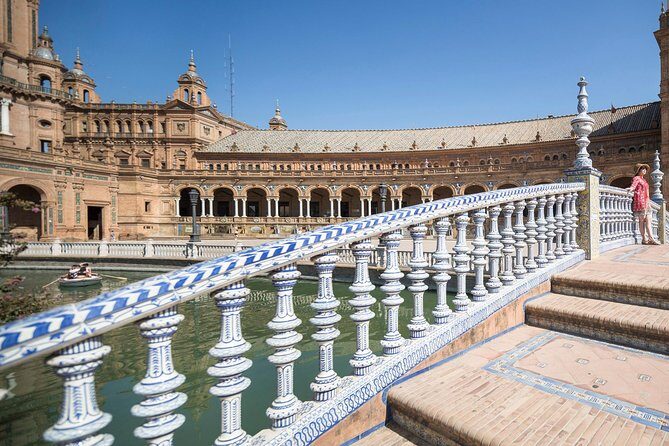
Seville is built for slow wandering, and this tour gives you both guidance and breathing room. After breakfast, you start with a panoramic city tour that includes the Seville Cathedral, specifically noted as the second largest Catholic church in the world after St. Peter’s in Rome. Entry is included for this stop.
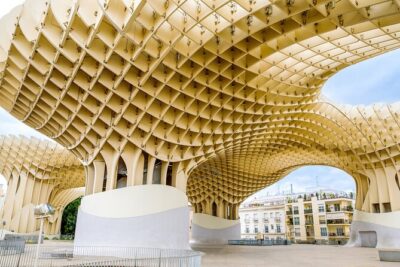
From there, the route touches the historic heart: Barrio Santa Cruz, tied to the legends of Carmen and Don Juan, plus Plaza de España and Maria Luisa Park. These aren’t random sightseeing fillers. Santa Cruz gives you the narrow-street feel; the park and plaza give you that famous Seville openness—wide views, photo-friendly corners, and a chance to watch the city instead of only staring at buildings.
If you’re thinking about value, Seville is a good example of what you’re paying for. The guided blocks compress the key areas into a morning, then you get time to explore on your own when the light is nicer.
A caution I’ll share plainly: Seville can be hot and windy, especially in summer. If your tour day already has several stops back-to-back, pack water and plan for a shaded route during your free time.
Granada’s Alhambra day: what you get (and what to verify)
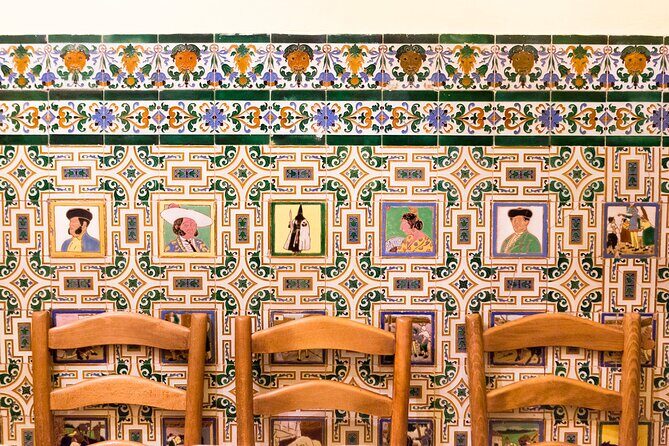
Granada is the centerpiece of the whole itinerary, and it shows. You’ll drive into Granada along a route described as the caliphate road, with a view of Andalusia’s olive countryside as you go. Then you spend a guided visit day at the Alhambra complex and the Generalife Gardens, with entry included.
I love how the tour’s order makes sense. You don’t just see palace walls and call it done. You also get Generalife, which is all about gardens, water, and the way the Moors designed space to feel like a setting rather than a fort. The combination helps you understand why authors were inspired by these sights—sound and sight are part of the experience, not just architecture.
There’s also dinner and overnight in Granada. And there’s an optional flamenco show in the Sacromonte quarter—optional, but it’s a classic match for the city’s atmosphere. If you do it, treat it as a bonus, not a requirement.
One real-world consideration: at least one departure had a ticketing problem where the group did not get the Palace entry they expected and instead did a night tour of the Generalife Gardens. If Alhambra Palace is your top bucket-list item, I would confirm your entry plan early so you don’t end up with a different experience than you hoped for.
Valencia by the sea: from Mediterranean approach to Ciudad de las Artes y las Ciencias
After Granada, you head north toward the Mediterranean corridor. The route includes Murcia and Alicante as waypoints before reaching Valencia, and you’ll get time to settle in with hotel check-in.
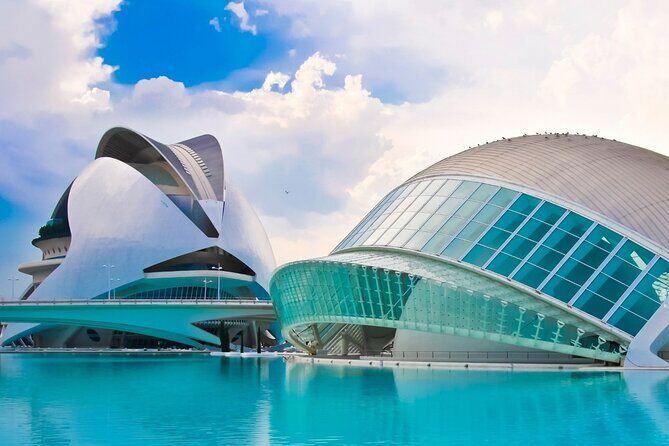
Valencia itself is a blend: traditional city vibe plus modern architecture. On this tour, you get time to look at the Arts and Sciences complex, described through its six elements: Hemisfèric, Umbracle, Science Museum, Oceanogràfic, Palau de les Arts, and Ágora. Admission for this portion is listed as free, so you’re likely focusing on exterior viewing and city touring rather than a paywalled museum block.
Then the next morning adds more structure. You’ll do a city tour that drives through the old city highlights and then past the old Turia riverbed, reaching the avant-garde complex for a dedicated look at the exteriors of the buildings. It’s a great contrast to Granada’s historic Moorish world. Valencia feels like Spain in a different mood.
Valencia is also where the paella connection is built into the tour’s theme. Even if you don’t eat paella at the exact moment of arrival, you’ll be surrounded by the culture of it.
Practical tip: if you’re sensitive to walking, Valencia’s modern zones are easier to cover, but the whole day still includes guided time plus transit. Wear shoes you can keep on after the bus ride.






Barcelona: Gaudí icons, Olympic views, and real afternoon freedom
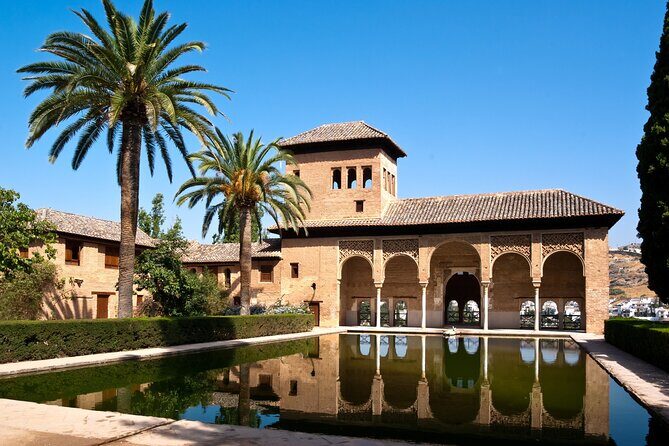
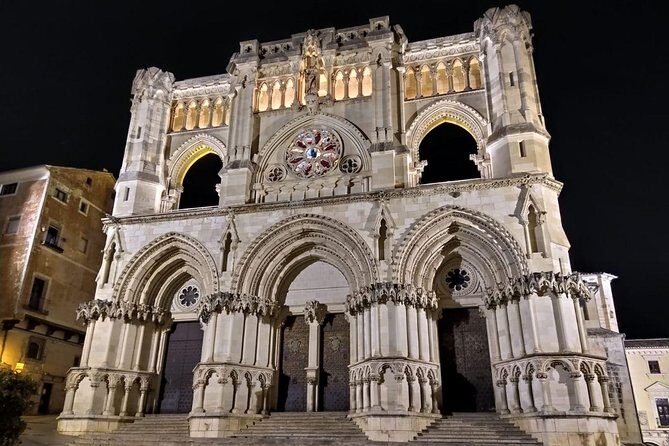
Barcelona is where the tour can feel like two different experiences: a guided morning and then your own plan for the afternoon. After breakfast, you get a city tour that includes Olympic-era landmarks and modernist routes linked to Gaudí, including La Pedrera (Casa Milà). The highlights also mention La Sagrada Família as part of the Gaudí masterpieces covered by this tour, so you should be ready to prioritize it if it’s on your personal list.
You’ll also get the Montjuïc Park viewpoint and scenic stops like the Olympic Ring area, a monument to Columbus, and the Olympic Port. This is a good mix: city streets, architectural focus, and then views over harbor and skyline.
The afternoon is yours. That’s where you can create your own payoff—seafood vs. tapas crawl, a museum detour, or just shopping and people-watching. The tour is framed as giving you time for gastronomy and additional exploring, which is exactly what Barcelona needs.
A note from real-world pacing: some departures have felt lighter on guided time in Barcelona compared to earlier cities, and one group reported being left to explore on their own more than expected. I’d handle that by planning your afternoon route before you get there, even if it’s simple: one neighborhood, one long walk, one must-eat meal.
Also, be prepared for heat and crowds. Barcelona’s streets are easy to love and also easy to get stuck in. If you can, start your self-guided part early in the afternoon.
Zaragoza at the end: Basilica del Pilar and a Moorish-Gothic mix
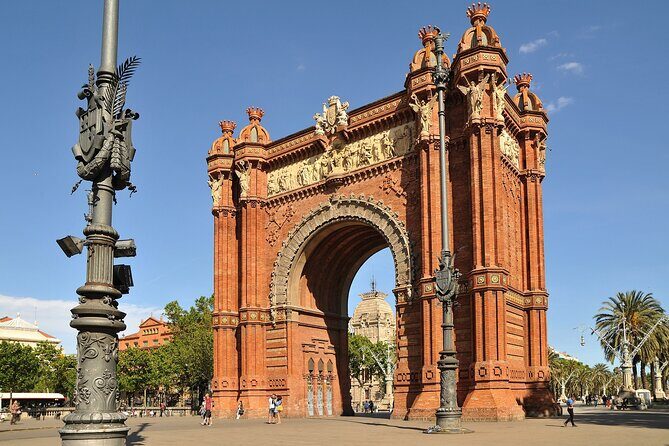
Day 7 ends with Zaragoza, on the banks of the Ebro River. The tour describes Zaragoza’s layered identity, including its Roman-era name Caesar Augusta and its Moorish and Gothic highlights in the free-time portion.
You’ll have a short stop on the Basilica de Nuestra Señora del Pilar, with time to see its Baroque architecture. This isn’t a long drawn-out day, but it provides a strong closing contrast to the earlier cities. You go from the spectacle of Granada and Barcelona down to a more local-feeling finale with one main anchor church and time to roam.
Then the tour ends back at the original meeting point in Madrid. If you’re planning your return flight, keep your next-day schedule flexible because the overall week runs tightly and the ending is tied to the same Madrid start location.
Price and value: what you’re paying for in this coach-style week
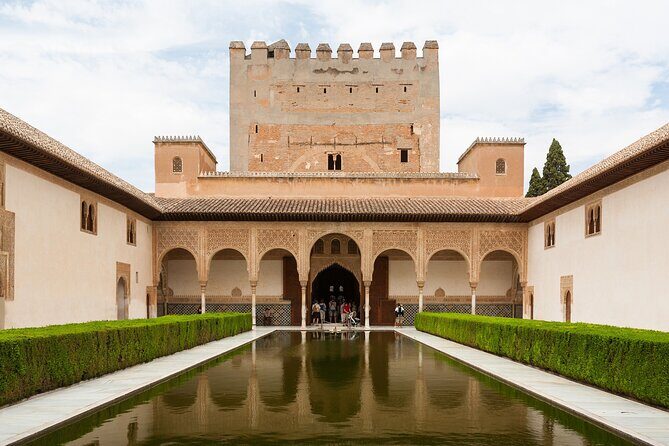
At $1,487.08 per person, this tour is positioned as a mid-range way to hit a lot of ground without doing all the planning yourself. What makes the pricing feel reasonable is the structure: you’re paying for guided time in major cities and entry for key monuments like the Great Mosque of Córdoba and the Alhambra/Generalife complex.
Included meals help too. You get six breakfasts and three dinners, with at least one dinner built around the Granada day. Lunch is generally on your own, which is normal in Spain and keeps your spending flexible based on what you want to eat.
You also get six nights in either standard or deluxe hotels. Here’s where value depends on your expectations. Some past guests felt the difference between hotel tiers wasn’t big enough to justify upgrading, and some noted the superior tier was closer to the center only in certain cities. I’d treat the hotel choice as a comfort upgrade at best, not a guaranteed neighborhood upgrade everywhere.
One more cost to remember: city tax is not included, listed as approximately 1 to 2.50 euros per night. That’s small, but it’s real. If you’re budgeting tightly, add it in now.
Finally, pay attention to how much of your day is transit. Several comments described long coach stretches as a downside. That’s not a flaw in the facts of the route—it’s just how this format works. The more you want to maximize new places per day, the more you should accept bus time as the price.
Hotels, guides, and group size: how the experience really feels day to day
This tour keeps the group capped at 40 travelers, and you’re allocated up to two adults per room. You’re also limited to one suitcase per traveler, which matters on an intercity coach.
You’ll have a mix of bus guide time and local guide time. In at least one example, the tour guide was Joseph for Córdoba, Seville, and Granada, then the group changed over to Hugo for the later leg. That means pacing and speaking style can shift as the tour moves north.
English is offered, but one review noted that English explanations were sometimes minimal and occasionally happened after the fact. That doesn’t mean the guides are bad—it just means you’ll get more value if you bring curiosity and questions and accept that some stops are quick. If you want deeper narration, plan to ask on the spot.
Also, be aware that in a coach tour, you can lose time to small logistics like loading and unloading or moving between hotel properties. That can be frustrating if you’re used to choosing your own hotel near the sights. On the bright side, it keeps your planning stress low.
Should you book this Spain coach tour?
Book it if you want a practical, guided sampler of major Spanish cities with Alhambra and Córdoba’s Mezquita fully taken care of. It’s a good fit for first-timers, for older couples, and for anyone who prefers having the structure built in rather than chasing directions all day.
Skip or adjust your expectations if you crave lots of free time in each city or you hate long coach days. Also think twice if your happiness depends on maximum guided time in every stop. Barcelona in particular can be more self-directed in practice, and your hotel tier upgrade might not change your day enough to feel worth it.
My best advice is simple: if you book, go in aiming to enjoy the big monuments and the regional contrasts, not to squeeze every neighborhood into the schedule. If you want a slower Spain with deeper neighborhood time, you’ll be happier with a different style of trip. If you want the fast, well-organized highlights with minimal planning, this one makes sense.
FAQ
How long is the tour and what cities does it include?
The tour is about 7 days and covers Madrid, Córdoba, Seville, Granada, Valencia, Barcelona, and Zaragoza.
Where does the tour start in Madrid and what time does it depart?
It starts at Meliá Castilla on C. del Poeta Joan Maragall, 43, Tetuán, 28020 Madrid, Spain, with a start time of 8:00 am.
What meals are included?
The tour includes six breakfasts and three dinners. Lunch is at your own expense.
Are tickets/entry included for the top sights?
Yes. Admission is included for the Great Mosque in Córdoba, and for the Alhambra complex and Generalife Gardens in Granada. The Seville Cathedral entry is also listed as included.
Is city tax included in the tour price?
No. City tax is not included and is listed as approximately 1 to 2.50 euros per night.
What’s the group size and luggage limit?
The tour has a maximum of 40 travelers. Each traveler is allowed a maximum of 1 suitcase.