REVIEW · MADRID
Imperial Madrid: Royal Palace and the Habsburg dynasty in Madrid
Book on Viator →Operated by Yannat.com · Bookable on Viator
Royal Madrid moves at human speed. This private 3-hour outing pairs the Palacio Real de Madrid with the story of the Habsburg dynasty, then strings it together with classic central squares so you get both monuments and street-level Madrid. What I like most is the Royal Palace skip tickets (less waiting time, more seeing), and the kind of guide who turns architecture into real historical context. One thing to consider: the palace visit is about 1 hour 30 minutes, so if you need long breaks or you dislike crowds inside, plan your expectations for a concentrated experience.
You’ll start at Metro Ópera and finish at the palace area, which keeps the logistics simple. You also get a mobile ticket and an English-speaking private licensed guide for your group only, so the pace and focus can feel personal rather than rushed.
In This Review
- Key highlights you won’t want to miss
- Royal Palace in 90 Minutes: What You Can Expect to See
- The Habsburg angle: How the Royal Court Showed Its Power
- Plaza de la Villa: A calmer slice of old Madrid
- Mercado de San Miguel: See the food scene without needing to eat
- Plaza Mayor: Madrid’s classic postcard center
- Puerta del Sol: The clock, the crossroads, the feel of Madrid
- Guide quality is the difference: What to look for
- Price and value: Is $212.93 per person fair?
- Timing and pacing: A smart “center of Madrid” route
- Getting there and finishing well: Metro Ópera to the palace area
- Who this private Royal Palace and Habsburg tour suits best
- Should you book Imperial Madrid: Royal Palace and the Habsburg dynasty?
- FAQ
- How long is the tour?
- Is admission to the Royal Palace included?
- Does the tour include food or drinks?
- Where do we meet for the tour?
- Is this tour offered in English and is it private?
- What is the cancellation policy?
Key highlights you won’t want to miss
- Skip tickets to the Royal Palace: built-in entry help so you spend less time standing around
- Habsburg dynasty focus: you’ll hear how Spain’s royal power shaped what you see
- Short, smart stops: Plaza de la Villa, Mercado de San Miguel, Plaza Mayor, and Puerta del Sol each get a bite-sized moment
- Architecture gets explained: expect attention to ornate interiors, including details like embroidered silk wall elements and fine furniture
- Private licensed guide: stories with context, plus a good sense of humor when you’re lucky (one guide named Beatrix is praised for exactly that)
Royal Palace in 90 Minutes: What You Can Expect to See
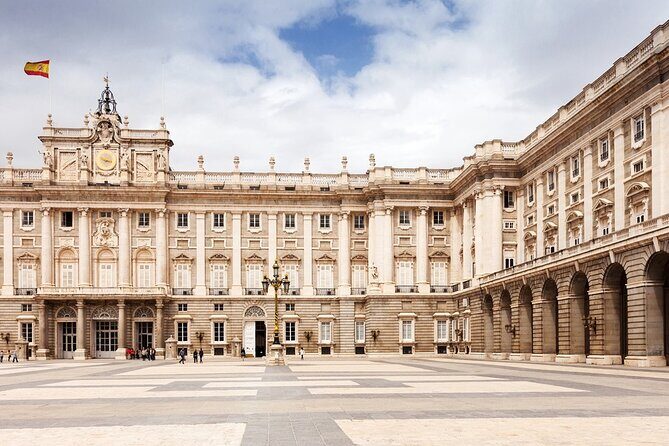
The core of this experience is the Royal Palace visit, roughly 1 hour 30 minutes inside Palacio Real de Madrid. It’s a big place, and a big palace can feel like sensory overload if nobody gives you a line to follow. Here’s why this works: your guide doesn’t just point things out. They connect the decorative choices to the people and the era that commissioned them, so the rooms feel less like random showpieces and more like deliberate political theater.
You should expect plenty of “wow” details. The palace interiors are known for rich ornamentation, and you’ll likely spend time on features like decorative wall treatments and impressive period furniture. Even if you’re not a formal-history person, this is where a good guide helps you read the room: why something is there, what it signaled, and how court life wanted power to look.
One practical tip: wear shoes you’re comfortable in for a solid stretch of indoor walking. You won’t be stuck in a single room; you’ll move. Also, since this is timed, you won’t have unlimited browsing time—so treat it like a guided highlights route, not a slow museum day.
You can also read our reviews of more tours and experiences in Madrid.


The Habsburg angle: How the Royal Court Showed Its Power
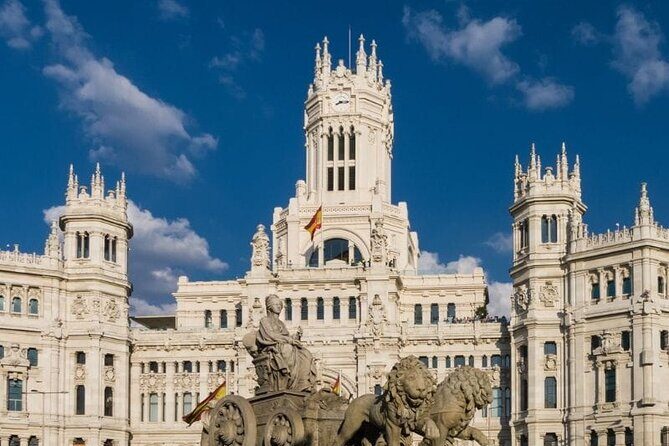
This tour’s theme is the Habsburg dynasty in Spain, and that matters because the Royal Palace isn’t just about beauty. It’s about image. The Habsburgs ruled Spain during key centuries of European power, and their court culture shaped how monarchy presented itself—through ceremonies, art, and spaces built to impress.
In a palace setting, that story comes through in small clues: the kind of materials used, the formality of the rooms, the way entrances and display spaces are designed. A strong guide helps you notice these connections fast. In the best cases, the guide can turn the “why” into an easy, funny explanation—like the guide named Beatrix, who’s specifically praised for combining deep historical knowledge with humor while linking it to what you’re seeing.
If you enjoy context—how power, politics, and culture translate into architecture—you’ll get extra value here. If you mainly want quick pretty photos, you can still enjoy it, but you’ll feel the difference between a guided palace visit and a self-guided one. The guided piece is the point.
Plaza de la Villa: A calmer slice of old Madrid
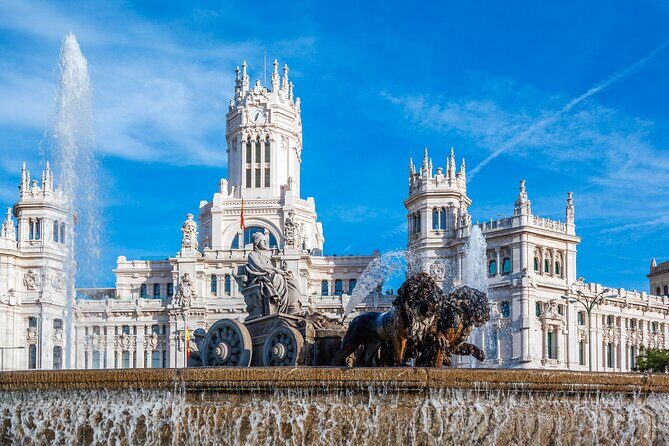
After the palace, you step into Plaza de la Villa, where the pace cools down. This stop is short, about 20 minutes, but it’s a useful reset. It gives you a different texture than the palace interior: open air, calmer viewpoints, and a chance to look at the city fabric instead of royal grandeur.
Why this stop earns its place: it’s a reminder that Madrid wasn’t only built by kings. It was also built and lived in by regular people, over generations. Plazas like this are where daily history quietly accumulates—building styles, street angles, and the feeling of an older civic center.
If you like taking photos, this is a good moment to do it without pushing through heavy museum crowds. Bring your camera, but also take a minute to just watch. You’ll start to understand the “Madrid rhythm” that you’ll feel more strongly at the next stops.
Mercado de San Miguel: See the food scene without needing to eat
Next comes Mercado de San Miguel, another short 20-minute stop. This is about atmosphere and orientation. Food markets can be sensory overload, and this is not marketed as a meal included tour—so you’re not paying for a sit-down experience.
What you can do instead is treat it like a cultural photo and people-watching stop. Browse the stalls. Look at the variety. Notice how Madrid’s food culture shows up in packaging, displays, and the way the market funnels foot traffic.
A key consideration: since food or drinks are not included, don’t plan your budget on the assumption you’ll be offered tastings. If you want to snack, treat it as optional. This is a good stop if you love to stroll and browse. If you’re not into markets, you may find it more useful for quick context than deep exploration—but the time is short for a reason.
Plaza Mayor: Madrid’s classic postcard center
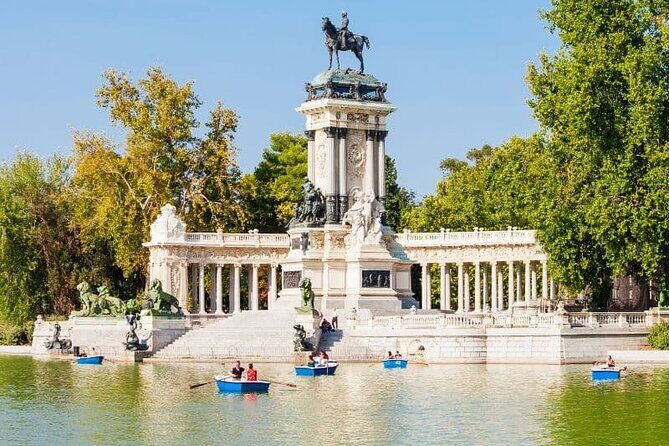
Then you reach Plaza Mayor, about 20 minutes. This is one of those places where the geometry does a lot of the work. The square creates an instant sense of place, and even with a quick visit, you can feel why it’s a central point for the city.
Plaza Mayor is a great pause after a big indoor attraction. Outdoors, you can take a step back and look at Madrid as a living city rather than a curated museum. This is also where you’ll often get your first clear “okay, I get the layout now” moment—useful if you plan to explore more on your own after the tour ends.
Practical angle: if you’re visiting during busier times, you may be shoulder-to-shoulder. The group stop is designed to keep the visit moving, so you’ll get photos and context without getting stuck.






Puerta del Sol: The clock, the crossroads, the feel of Madrid
Your last major square stop is Puerta del Sol, around 30 minutes. This is Madrid’s nerve center—less royal, more everyday. The iconic clock tower is a focal point, but the real value here is how quickly the city energy makes sense when you’re standing at the hub.
Puerta del Sol is where locals and visitors naturally pass through, and that makes it a good place to orient yourself. After seeing palatial rooms, it’s satisfying to switch to a city square that feels more immediate and current.
Also, this extra time (30 minutes versus 20 at the earlier squares) helps you breathe. Use it to confirm where you want to go next—walks toward nearby neighborhoods, museums, or simply a café break. Even though this tour is guided and paced, the time at Sol gives you space to reset before you head out on your own.
Guide quality is the difference: What to look for
This experience is built around your private licensed tour guide for about 3 hours. That’s the lever that turns “I saw buildings” into “I understand what I saw.”
The most praised aspect in the feedback is the guide’s ability to connect history to the palace’s visuals. In particular, a guide named Beatrix is highlighted for deep historical context, engaging storytelling, and a sense of humor that keeps the pace lively. That matters because the Royal Palace can be overwhelming without a guide to help you focus on the rooms and details that actually carry the story.
So how do you make the most of your guide once you meet up?
- Ask what to notice first inside the palace (it changes how you experience the rooms)
- If you’re into the Habsburg theme, ask how the era influenced display and decoration
- Don’t be shy about follow-up questions; that’s when a good guide starts tailoring the tour in real time
If you’re the type who enjoys facts but hates long lectures, aim for curiosity questions. A balanced guide will match your energy.
Price and value: Is $212.93 per person fair?
At $212.93 per person for about 3 hours, you’re paying for a few things that self-guided visits don’t bundle together well:
- A private licensed guide for the full time
- Royal Palace skip tickets (time savings and convenience)
- Agent support aimed at service quality
The value question is simple: would you pay extra to have someone help you understand the palace and organize the route? If yes, this price starts to make sense, because you’re buying interpretation and direction, not just access.
One more detail: it’s described as having group discounts and a mobile ticket, which can help if you’re traveling with others or trying to keep friction low. If you’re traveling solo, you may feel the cost more sharply, but you still get a private format rather than joining a large group with less time for questions.
Timing and pacing: A smart “center of Madrid” route
This route is designed for people who want a strong hit of highlights without losing a whole day. The palace takes about half the time (1 hour 30 minutes), and the remaining time spreads across four central stops, each around 20–30 minutes.
That pacing is ideal if you:
- Have limited time in Madrid
- Want a structured introduction before wandering on your own
- Prefer guided context over reading everything yourself
It may be less ideal if you’re the kind of visitor who wants long museum hours or deep research time. This is a highlights-and-story tour, not a slow walk through every room. You’ll leave with understanding and direction, but not with exhaustive coverage.
Getting there and finishing well: Metro Ópera to the palace area
You’ll meet at Metro Ópera, Pl. de Isabel II, 8, Centro, 28013 Madrid. The tour ends at the Royal Palace of Madrid, Centro, 28071 Madrid area.
This is a practical setup because it keeps your start anchored to a major transport hub. You don’t need complicated transfers, and you can likely reach the meeting point using public transit. Also, finishing near the palace area means you’re positioned well if you want to keep exploring—like walking around nearby streets or taking a break at a café nearby.
If you’re early, use the time to get oriented around Metro Ópera. It makes the whole experience feel calmer.
Who this private Royal Palace and Habsburg tour suits best
This tour fits best if you want a focused first look at Madrid’s power and streets. I think it’s a particularly good choice for:
- First-timers who want a guided introduction to the Royal Palace
- History-curious travelers who like stories tied directly to architecture
- People who value convenience, like skip tickets and a clean route plan
- Those who prefer private group pacing and question time
It may not be the best match if you strongly dislike time-boxed experiences or you need lots of unstructured downtime. The palace and squares are paced to fit the 3-hour window, so you won’t linger long on each detail unless your guide allows it within the schedule.
Should you book Imperial Madrid: Royal Palace and the Habsburg dynasty?
Book it if you want Royal Palace access with a guide who makes the Habsburg story click. The best part isn’t just entering a famous building—it’s learning how to read it, then stepping outside to see Madrid’s squares and everyday life right after.
Skip booking if your goal is pure slow wandering. Also skip it if you’re traveling with someone who gets cranky in group-paced environments; even though it’s private, the schedule still moves.
If you’re on the fence, here’s a simple decision rule: if you enjoy explanation and want your time in the palace to be productive, this is a smart buy. If you’d rather just walk around solo and read only what you choose, consider doing it independently.
FAQ
How long is the tour?
The tour is about 3 hours.
Is admission to the Royal Palace included?
Yes. You get Royal Palace skip tickets, and the palace admission is included.
Does the tour include food or drinks?
No. Any food or drinks are not included.
Where do we meet for the tour?
The meeting point is Metro Ópera, Pl. de Isabel II, 8, Centro, 28013 Madrid, Spain.
Is this tour offered in English and is it private?
Yes. It is offered in English, and it’s private, meaning only your group participates.
What is the cancellation policy?
Free cancellation is available. You must cancel at least 24 hours in advance for a full refund. If you cancel less than 24 hours before the start time, the amount you paid is not refunded.